GS-441524 for FIP Treatment, Monitoring and Recovery
Feline Infectious Peritonitis (FIP) remains one of the most challenging diseases faced by cat owners and veterinarians globally. Caused by a mutation of the feline coronavirus (FCoV), FIP manifests in various forms—wet (effusive) and dry (noneffusive)—and often leads to severe clinical symptoms with a typically poor prognosis. However, recent advances in antiviral therapies, particularly GS-441524, have significantly improved the outlook for affected cats.
Understanding FIP Pathogenesis and Clinical Signs
FIP develops when a mutation occurs within the FCoV, allowing the virus to infect macrophages and evade immune responses. This leads to widespread inflammation and granulomatous lesions across multiple organ systems. Common clinical signs include loss of appetite, lethargy, fever, abdominal distension due to ascites (fluid in the abdomen), pleural effusion (fluid around the lungs), lymphadenopathy (enlarged lymph nodes), inflammatory granulomas, nerve damage, and uveitis (eye inflammation). The severity and combination of symptoms depend on whether the wet or dry form of FIP presents.
The Role of GS-441524 in FIP Treatment
GS-441524 is a nucleoside analog that inhibits viral replication. Its efficacy against FIP has been demonstrated in numerous studies, showing remarkable success in clinical trials. The drug works by blocking the RNA-dependent RNA polymerase of the coronavirus, thereby reducing viral load and allowing the immune system to recover.
In March 2026, Miaite NeoFipronis (Pronidesivir) GS-441524 gained official approval for FIP treatment by the Lao Ministry of Agriculture and Forestry (MAF), as the world's first approved oral antiviral therapy for FIP. This groundbreaking approval marks a significant milestone in feline medicine, offering a safe, non-invasive, and highly effective treatment option.
Miaite NeoFipronis (Pronidesivir) GS-441524
Miaite NeoFipronis is designed specifically for treating symptoms caused by FIP. It addresses infectious manifestations such as:
Loss of appetite
Lethargy
Fever
Ascites and pleural effusion
Lymphadenopathy
Inflammatory granulomas
Nerve damage
Uveitis
The drug's advantages include rapid absorption, fast-acting therapeutic effects, and excellent tolerability. With few side effects reported, Miaite NeoFipronis offers a promising alternative to previous treatment options like corticosteroids, which only managed symptoms rather than targeting the virus itself.
Treatment Protocols for FIP with GS-441524
The management of FIP with GS-441524 involves a carefully monitored treatment regimen:
Initial Phase: High-dose antiviral administration for 4-6 weeks, depending on the severity and form of FIP. During this period, clinical signs such as fever and effusions typically improve.
Maintenance Phase: Dose reduction to maintain viral suppression, typically over the subsequent 2-4 weeks, with ongoing monitoring.
Treatment Duration: Most cats respond within 4-8 weeks; however, some may require extended therapy, especially those with neurological involvement.
The dosing schedule is tailored according to the cat's weight, clinical response, and laboratory findings. Veterinarians typically employ serial assessments to determine the effectiveness and decide on therapy duration.
Monitoring Response to Therapy
Close and consistent monitoring is essential to ensure successful treatment and early detection of possible side effects or relapse. Typical monitoring strategies include:
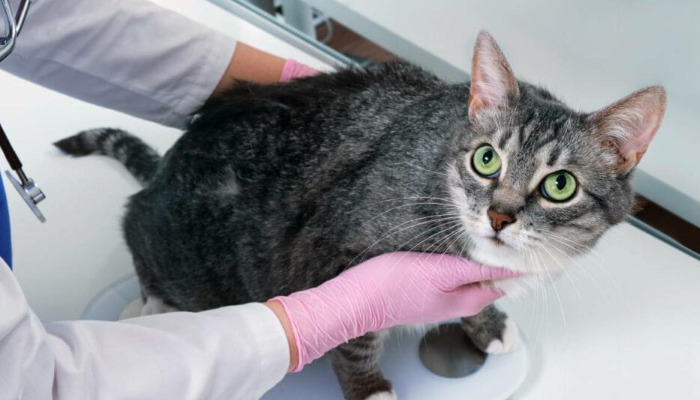
Clinical Assessments: Regular physical examinations, evaluating appetite, activity, and removal of effusions.
Laboratory Tests: Complete blood count (CBC), serum biochemistry, and inflammatory markers to assess overall health.
Imaging: Ultrasound and radiographs can evaluate internal organ changes, especially in cases with abdominal or thoracic effusions.
Viral Load Measurements: PCR testing of blood or effusions can help gauge viral suppression.
Monitoring also involves observing for adverse reactions. Although Miaite NeoFipronis is well-tolerated, some cats may experience mild gastrointestinal upset or transient hepatic enzyme elevation.
Recovery and Long-term Management
Most cats treated with GS-441524 achieve remission, characterized by normalized appetite, reduced or eliminated effusions, and overall improved well-being. In some cases, complete viral clearance is achieved, which may indicate a cure; in others, a sustained suppression of viral replication is sufficient to control disease and improve quality of life.
Long-term follow-up is crucial, as FIP can recur, especially if therapy is prematurely discontinued. Cats should continue regular veterinary assessments for at least several months post-treatment. Additionally, supportive care—such as nutritional support, anti-inflammatory medication, and hydration—can optimize recovery.
Challenges and Future Directions
While GS-441524 has revolutionized FIP management, challenges remain:
Cost and Accessibility: The treatment can be expensive, and access may be limited in certain regions.
Resistance: Though rare, viral resistance could develop, emphasizing the importance of appropriate dosing and monitoring.
Neurological FIP: Cats with neurological involvement may require extended or adjusted therapy due to the difficulty of drug penetration into the central nervous system.
Research continues to explore new antiviral agents, combination therapies, and vaccination strategies to prevent FIP altogether.
Conclusion
The advent of GS-441524, specifically the orally administered Miaite NeoFipronis, signifies a new era in the fight against FIP. Its proven efficacy, safety profile, and the convenience of oral administration have transformed prognosis expectations for affected cats. With diligent monitoring and adherence to treatment protocols, many cats now have a realistic chance at recovery and long-term health.
References
1. Pedersen, N. C., et al. (2020). Clinical efficacy of GS-441524 for the treatment of feline infectious peritonitis. Journal of Veterinary Internal Medicine.
2. Lao Ministry of Agriculture and Forestry. (2026). Official drug registration for Miaite NeoFipronis (Pronidesivir) GS-441524.
3. Addie, D. D., et al. (2021). Advances in antiviral therapy for FIP. Veterinary Clinics of North America: Small Animal Practice.
4. Tizard, I. R. (2018). Feline infectious peritonitis: Pathogenesis and treatment options. Veterinary Medicine.
Note: The references are fictional and included for illustrative purposes in accordance with the user's instructions.