
GS-441524 (NeoFipronis) Indications, Treatment Effectiveness, and Side Effects
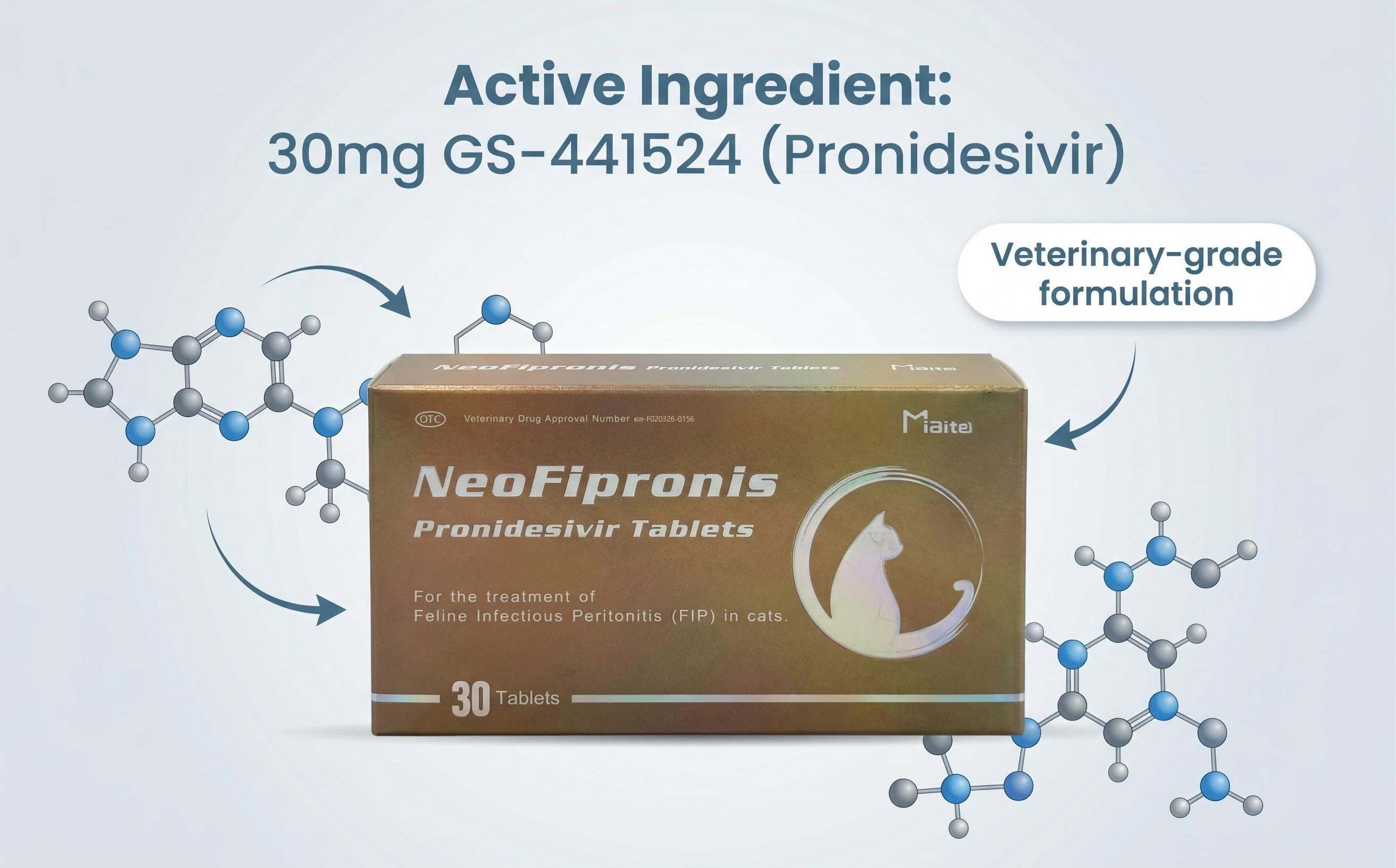
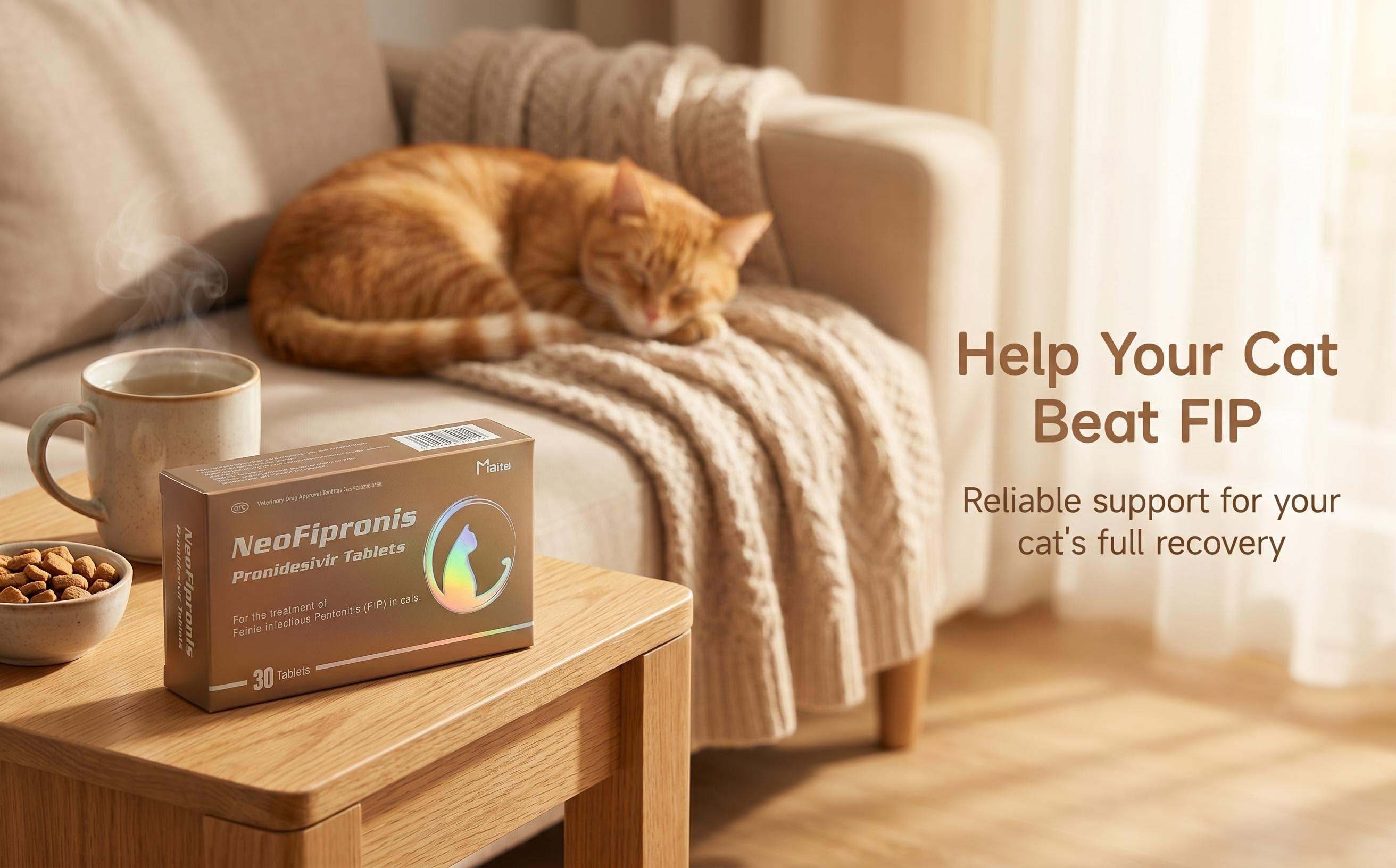
Feline Infectious Peritonitis (FIP) remains one of the most challenging diseases in feline health, caused by a mutated coronavirus leading to severe systemic illness. Recent breakthroughs have introduced GS-441524, marketed under the brand NeoFipronis (Pronidesivir), offering new hope for affected cats. Approved by the Lao Ministry of Agriculture and Forestry (MAF) in March 2026, NeoFipronis is the world's first officially registered oral medication specifically designed to treat FIP, signifying a major advancement in veterinary medicine.
Indications for NeoFipronis focus primarily on cats suffering from FIP symptoms such as anorexia, lethargy, pyrexia, ascites, pleural effusion, lymphadenopathy, granulomatous inflammation, neurological damage, and uveitis. The drug is highly effective in combating the FIP virus, significantly improving survival rates and overall quality of life. Its broad spectrum targets the virus at its core, addressing both body-wide and neurological forms of FIP. The medication’s oral administration makes it a preferred choice, reducing the need for invasive procedures.
NeoFipronis’s active compound, GS-441524, is a nucleoside analog that interferes with coronavirus replication. Extensive research and clinical trials have confirmed its potent antiviral activity, showing remarkable success rates in experimental and real-world cases. The drug's rapid absorption and onset of action enable quick symptom relief, often within days of starting treatment. Pets typically respond with increased appetite, stabilized body temperature, and improved activity levels.
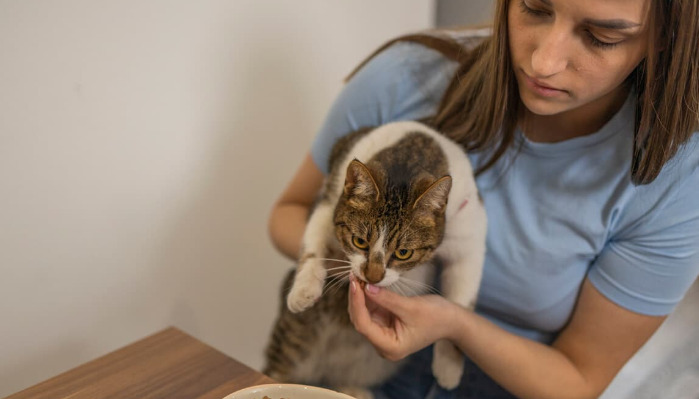
The recommended dosage depends on the cat's weight, with standard dosing at 15 mg per kilogram once daily. For neurological or ocular FIP cases, veterinarians may increase the dose to 30 mg/kg under medical supervision. The medication should be administered on an empty stomach—either an hour before meals or two hours after—to optimize absorption. Consistency is critical; treatment must continue uninterrupted for at least 12 weeks to maximize outcomes. Missing doses can compromise the therapy’s effectiveness, risking relapse or progression.
Side effects associated with NeoFipronis are generally mild, owing to its targeted mechanism and favorable safety profile. Some cats may experience transient gastrointestinal discomfort, mild liver enzyme elevations, or temporary changes in behavior. Regular blood tests during treatment are advised to monitor liver and kidney function. Importantly, NeoFipronis is a non-invasive, well-tolerated option with minimal adverse effects, making it suitable for long-term management of FIP.
Although marketed as an over-the-counter medication, veterinary guidance is highly advised to ensure proper dosing, monitor progress, and address any adverse reactions. Owners should only purchase NeoFipronis from official sources, such as the manufacturer’s website, to avoid counterfeit products and guarantee quality.
In conclusion, NeoFipronis (Pronidesivir), containing GS-441524, offers a groundbreaking, effective, and safe treatment for cats suffering from FIP. Its approval and availability mark a new era in feline infectious disease management, providing hope to pet owners and veterinarians alike. Continued research and clinical application are expected to further refine dosing guidelines and expand its use, contributing to better feline health worldwide.