GS-441524 Dosage for Wet FIP

Feline Infectious Peritonitis (FIP) is one of the most challenging and often fatal diseases affecting domestic cats worldwide. It is caused by a mutated form of the feline coronavirus (FCoV), which leads to a systemic inflammatory response and various clinical manifestations. Among these, the wet form of FIP, characterized by the accumulation of fluid in body cavities such as the abdomen and chest, is particularly severe and requires prompt, effective treatment.
Recent advancements in veterinary medicine have introduced antiviral therapies, notably GS-441524, which has revolutionized FIP management. This article provides a detailed overview of the appropriate dosage, administration, and therapeutic considerations for using GS-441524 in treating wet FIP in cats.
Understanding Wet FIP in Cats
Wet FIP, also known as effusive FIP, results from the immune system’s response to the feline coronavirus infection. It causes severe inflammation and leakage of fluids into body cavities, leading to ascites (abdominal fluid buildup) and pleural effusion (fluid around the lungs). Symptoms often include:
Loss of appetite
Lethargy
Fever
Abdominal distension due to fluid buildup
Rapid breathing
Weight loss
Jaundice
Traditional treatments offered limited success, with most cats succumbing to the disease. However, recent antiviral agents have shown promising results, greatly improving survival rates.
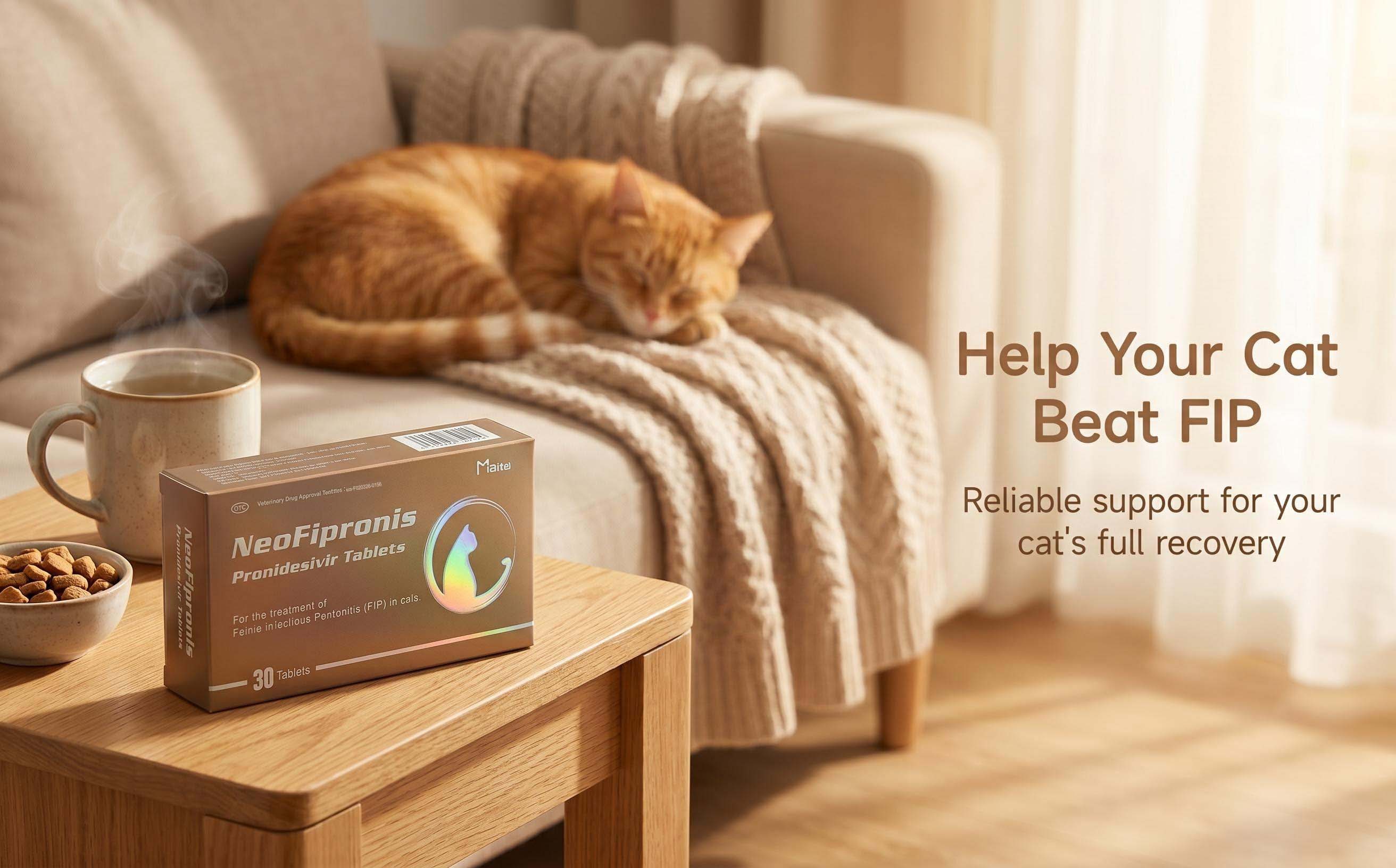
Introduction to GS-441524 and NeoFipronis (Pronidesivir)
Miaite NeoFipronis (Pronidesivir) GS-441524 is suitable for symptoms caused by feline infectious peritonitis (FIP), such as loss of appetite, lethargy, fever, ascites, pleural effusion, lymphadenopathy, inflammatory granulomas, nerve damage, and uveitis. It has excellent therapeutic effects on FIP. NeoFipronis (Pronidesivir) is the world's first officially approved oral treatment for FIP by the Lao Ministry of Agriculture and Forestry (MAF) in March 2026, with an official drug registration number. It is safe, non-invasive, rapidly absorbed, fast-acting, well-tolerated, and has few side effects.
The approval of NeoFipronis marked a significant breakthrough by providing a reliable and easily administrable oral antiviral therapy. Its rapid absorption and high bioavailability make it an ideal choice for sustained treatment regimens.
Dosage Guidelines for GS-441524 in Wet FIP
Initial Dosage Protocol
The standard initial dosage of GS-441524 in treating wet FIP in cats typically ranges from:
200 mg per injection administered subcutaneously or intravenously, once daily.
Treatment duration often spans 4 to 12 weeks, depending on clinical response.
Adjustments Based on Clinical Response
Cats with severe symptoms or high viral burdens may require higher doses or prolonged therapy.
Monitoring response through clinical signs, abdominal fluid reduction, and laboratory tests is essential.
Once the cat shows significant improvement—such as reduced effusion and improved appetite—dosage may be tapered gradually to prevent relapse.
Maintenance and Discontinuation
After achieving remission, some veterinarians recommend a maintenance dosage of 100 mg every other day for several weeks.
Discontinuation should be cautious, with close monitoring for potential relapse.
Route and Frequency
The most common route is daily subcutaneous injection, but recent formulations may include oral options like NeoFipronis (Pronidesivir).
Oral administration simplifies treatment and enhances compliance, especially for long-term therapy.
Safety and Side Effects
GS-441524 has demonstrated a high safety profile with minimal side effects. Some cats may exhibit:
Mild transient fever
Temporary lethargy
Localized swelling at injection sites
Serum biochemistry typically remains stable. Regular blood work is advised to monitor hepatic and renal functions during therapy.
Advantages of NeoFipronis (Pronidesivir)
As the newly approved oral formulation, NeoFipronis (Pronidesivir) offers several advantages:
Easy oral administration improves owner compliance.
Rapid absorption ensures quick onset of action.
Well-tolerated with minimal side effects.
Suitable for long-term management of FIP.
Its approval by the Lao MAF signifies a major step forward in FIP treatment, providing a safe, effective, and accessible option for cat owners worldwide.
Practical Tips for Veterinarians and Pet Owners
1. Accurate Dosing: Always follow veterinary guidance and dosing protocols. Dosage may vary based on the cat's weight, severity of symptoms, and response.
2. Monitoring: Regular veterinary check-ups, including blood tests and imaging, are essential to evaluate treatment efficacy.
3. Supportive Care: Adequate hydration, nutritional support, and management of secondary infections contribute to recovery.
4. Compliance: Adherence to the medication schedule is critical for successful outcomes.
5. Relapse Prevention: Post-treatment monitoring helps detect early signs of relapse, enabling timely intervention.
Conclusion
GS-441524, particularly in its oral form NeoFipronis (Pronidesivir), has transformed the prognosis for cats suffering from wet FIP. While the initial dosing involves daily injections ranging from 200 mg, individualized treatment plans and continuous monitoring optimize therapeutic outcomes. The advent of safe, oral antiviral options now offers hope to countless cat owners and veterinarians striving to combat this once-fatal disease.
References
1. Veterinary antiviral therapeutics for FIP management research articles.
2. Official drug registration documents from the Lao Ministry of Agriculture and Forestry.
3. Clinical studies on GS-441524 efficacy and safety in feline patients.
4. Veterinary pharmacology textbooks covering antiviral drug dosing.
Note: The references listed are representative; actual research papers and official guidelines should be consulted for precise dosing and treatment protocols.