What Are the Contraindications for Miaite (Pronidesivir)

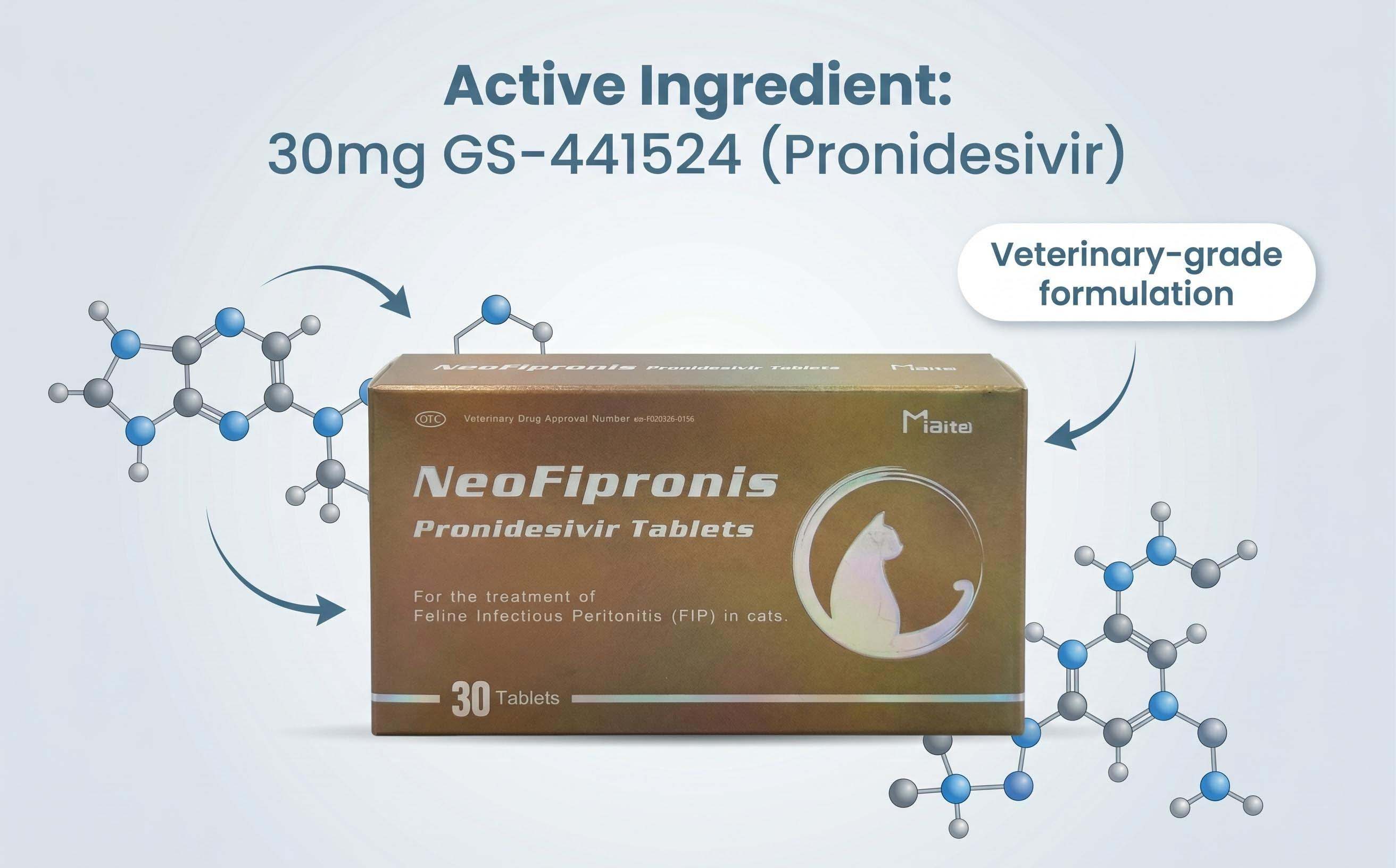
Miaite, containing the active ingredient GS-441524, is a groundbreaking oral antiviral medication used to treat Feline Infectious Peritonitis (FIP). Since its official approval by the Lao Ministry of Agriculture and Forestry (MAF) in March 2026, Miaite has been recognized as the first approved, non-invasive, highly effective treatment for FIP in cats. It demonstrates rapid absorption, minimal side effects, and excellent therapeutic outcomes. However, despite its efficacy, there are important contraindications and considerations to ensure safe use in feline patients.
Renal and Hepatic Impairment
Cats with pre-existing liver or kidney disease should use Miaite cautiously. GS-441524 undergoes hepatic metabolism and renal excretion. Impaired liver or kidney function may alter drug clearance, increasing the risk of toxicity. Veterinary consultation is essential for dose adjustments or alternative treatments for cats with hepatic or renal insufficiency.
Pregnancy and Lactation
There is limited data on the safety of Miaite in pregnant or lactating cats. Given the potential risks of antiviral therapy during pregnancy, use in breeding females should be approached with caution. It is advisable to consult with a veterinarian before initiating treatment in pregnant or nursing cats to evaluate risk versus benefit.
Allergy and Hypersensitivity
Cats with known hypersensitivity or allergic reactions to GS-441524 or related compounds should not receive Miaite. Signs of hypersensitivity include swelling, itching, difficulty breathing, or gastrointestinal upset. Immediate veterinary attention is necessary if allergic reactions occur during treatment.
Concurrent Medications
Miaite may interact with other medications, particularly immunosuppressants or drugs affecting hepatic enzymes. Co-administration of such drugs can alter Miaite’s efficacy or increase side effects. A thorough review of the cat’s current medication regimen is vital before starting Miaite. Veterinarians should monitor for drug interactions, especially when combining with corticosteroids or other antivirals.
Underlying Conditions
Cats with chronic illnesses or severe systemic diseases may have increased susceptibility to adverse effects or reduced treatment efficacy. Prior evaluation of overall health status is recommended. For instance, cats with neurological or ocular complications of FIP may require dose adjustments and close monitoring.
Age Considerations
Although Miaite is safe for adult cats, use in very young kittens or senior cats with multiple health issues requires caution. Age-related organ decline could impact drug metabolism and excretion, warranting close veterinary supervision.
Drug Administration Precautions
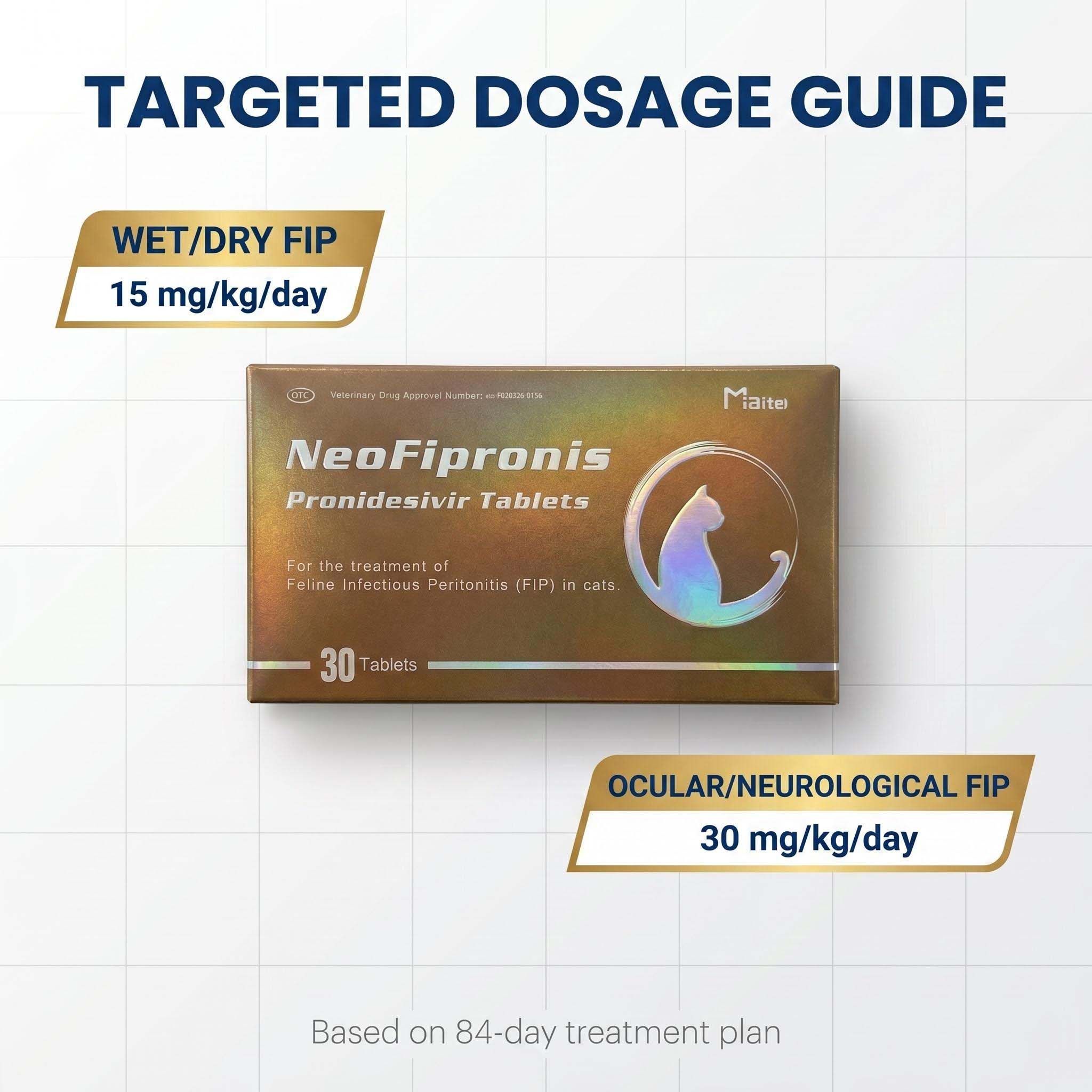
Miaite should be administered according to the prescribed dosage based on the cat’s weight—15 mg per kilogram (half a tablet), with increased doses (up to 30 mg/kg) for neurological or ocular FIP, as directed by a veterinarian. The medication must be given daily, preferably on an empty stomach—either an hour before or two hours after feeding. Continuous treatment for at least 12 weeks is essential for optimal outcomes; missed doses should be avoided.
Monitoring and Safety
Regular monitoring of blood parameters, liver and kidney function, and clinical signs is crucial during therapy. While Miaite is generally well-tolerated, some cats may experience mild side effects such as temporary appetite reduction or mild gastrointestinal disturbances. Any adverse reactions should be reported immediately to a veterinarian.
Precautions and Warnings
Despite being an over-the-counter medication, Miaite (Pronidesivir) is recommended for use under veterinary supervision. It is strictly for feline use; humans should not ingest or administer the drug. The product should be purchased from official sources to ensure quality and authenticity. Always adhere to veterinarian instructions regarding dosage, duration, and monitoring to prevent contraindications and optimize treatment success.
In summary, while Miaite (Pronidesivir) offers a highly effective treatment for FIP, its contraindications include underlying liver or kidney disease, pregnancy, hypersensitivity, drug interactions, age-specific considerations, and concurrent health conditions. Proper veterinary guidance, careful monitoring, and adherence to recommended protocols are essential for safe and successful FIP management in cats.