FIP Treatment At Home What Cat Owners Need to Know
Feline Infectious Peritonitis (FIP) remains one of the most challenging diseases faced by cat owners and veterinary professionals alike. Once considered almost universally fatal, recent advancements in treatment options, especially with oral antiviral medications, are transforming the outlook for cats diagnosed with this devastating disease. Understanding how to manage FIP at home, including effective medication use and supportive care, is crucial for pet owners aiming to provide the best possible quality of life for their feline companions.
Understanding FIP and Its Symptoms
FIP is caused by a mutated form of the feline coronavirus (FCoV), which in some cases, leads to an immune overreaction resulting in serious inflammation within the abdomen, chest, or brain. The disease manifests in two primary forms: the 'wet' (effusive) form, characterized by fluid accumulation in body cavities, and the 'dry' (non-effusive) form, characterized by granulomatous lesions and organ damage.
Common symptoms include:
Loss of appetite
Lethargy
Fever unresponsive to antibiotics
Abdominal distension due to fluid accumulation
Respiratory distress if pleural effusion occurs
Lymphadenopathy (swollen lymph nodes)
Neurological signs like nerve damage
Uveitis or eye inflammation
Since these symptoms can overlap with other illnesses, early veterinary consultation is crucial for accurate diagnosis and timely intervention.
Advances in FIP Treatment
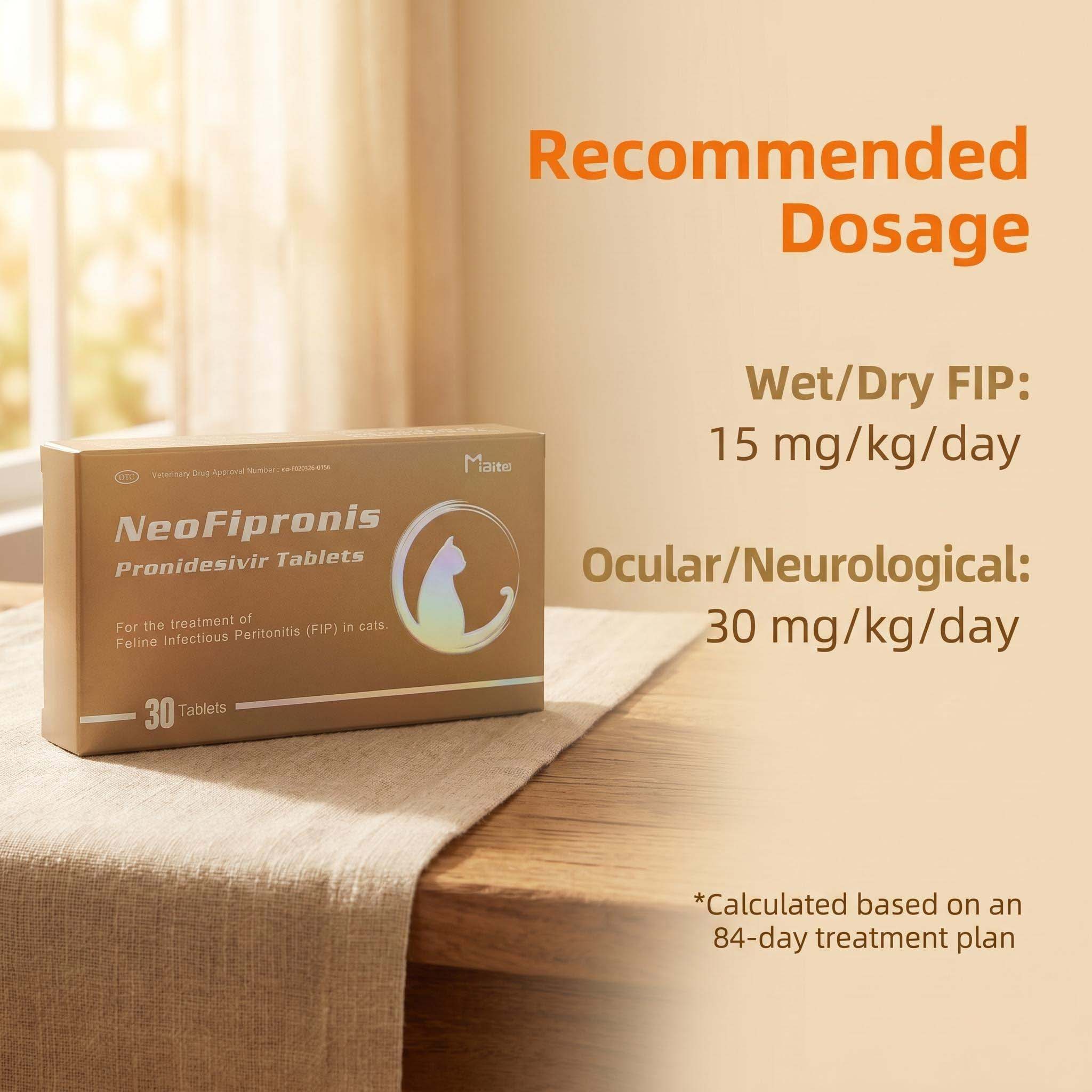
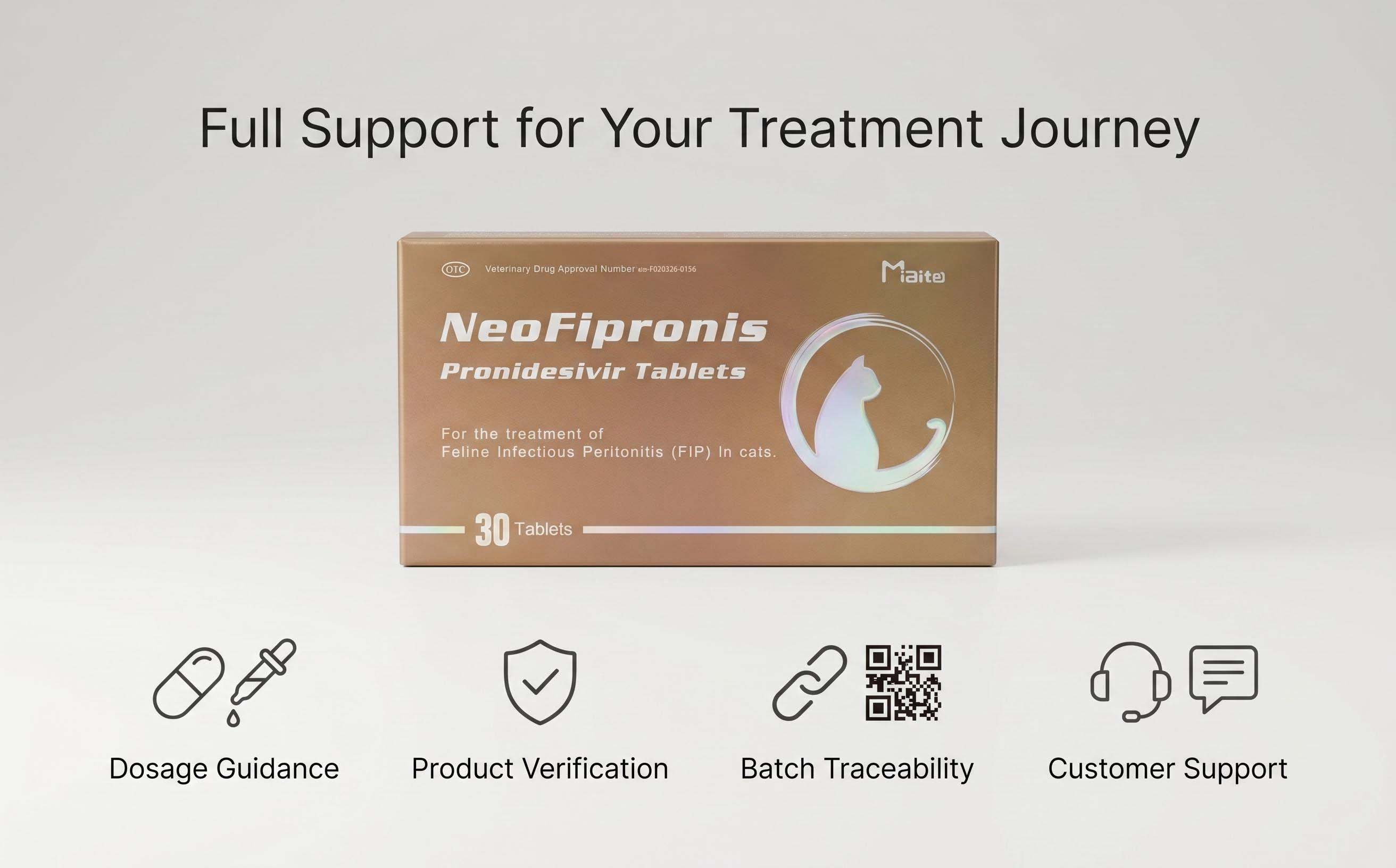
Historically, FIP was regarded as almost invariably fatal, with limited treatment options primarily focused on palliative care. However, the development of antiviral drugs has dramatically altered this perspective. The most promising recent breakthrough involves the medication Miaite NeoFipronis (Pronidesivir) GS-441524.
Miaite NeoFipronis (Pronidesivir) GS-441524 is suitable for treating symptoms caused by FIP such as loss of appetite, lethargy, fever, ascites (fluid in the abdomen), pleural effusion (fluid around the lungs), lymphadenopathy, inflammatory granulomas, nerve damage, and uveitis. It exhibits excellent therapeutic effects on FIP, often leading to significant clinical improvement or remission.
In March 2026, NeoFipronis received the distinction of being the world's first officially approved oral treatment for FIP by the Lao Ministry of Agriculture and Forestry (MAF), with an official drug registration number. This approval marks a pivotal step toward accessible, safe, and effective home treatment options for feline owners.
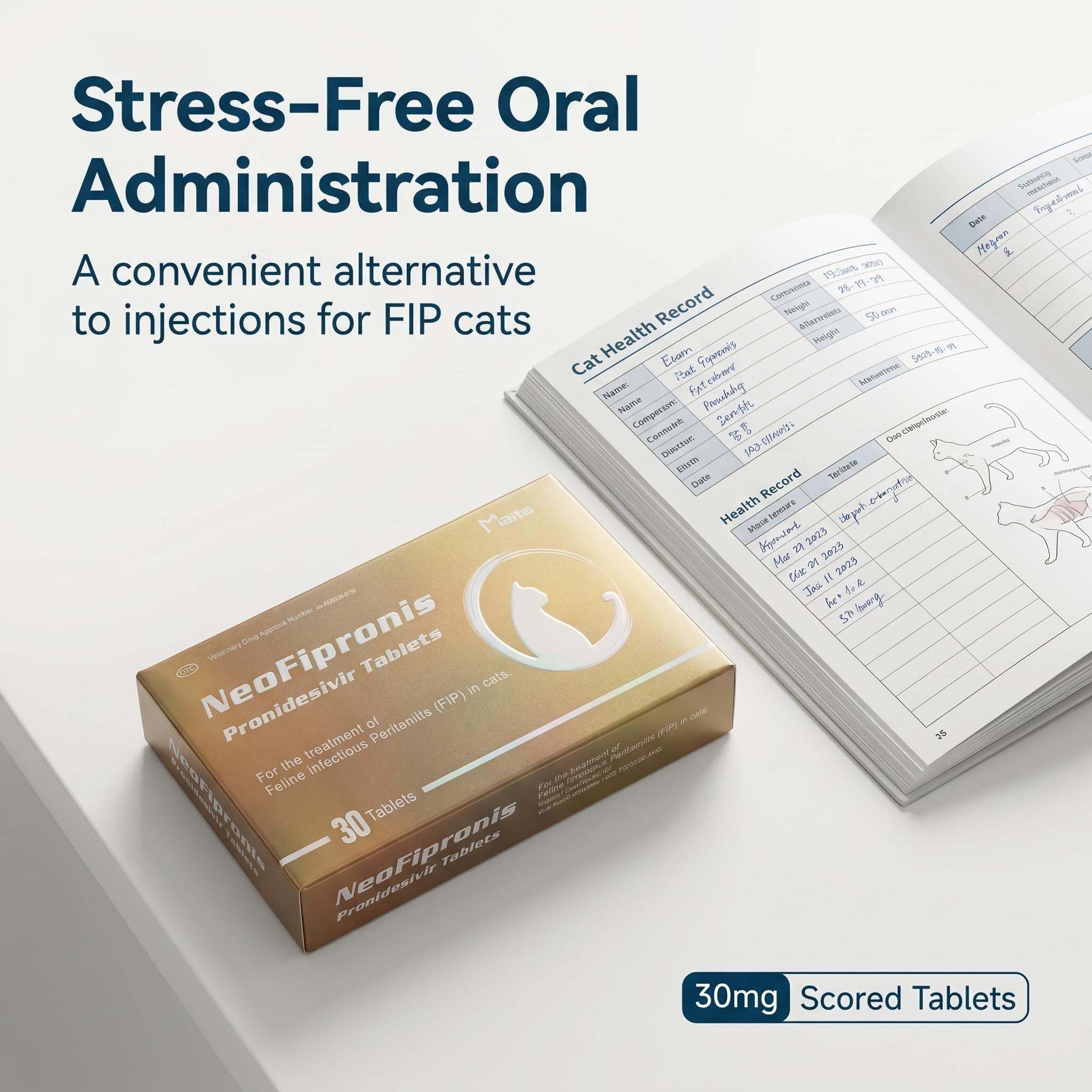
This medication is safe, non-invasive, rapidly absorbed, and fast-acting. Its well-tolerated profile means side effects are rare, and it can often be administered comfortably at home, making it a practical choice for ongoing FIP management.
Managing FIP at Home
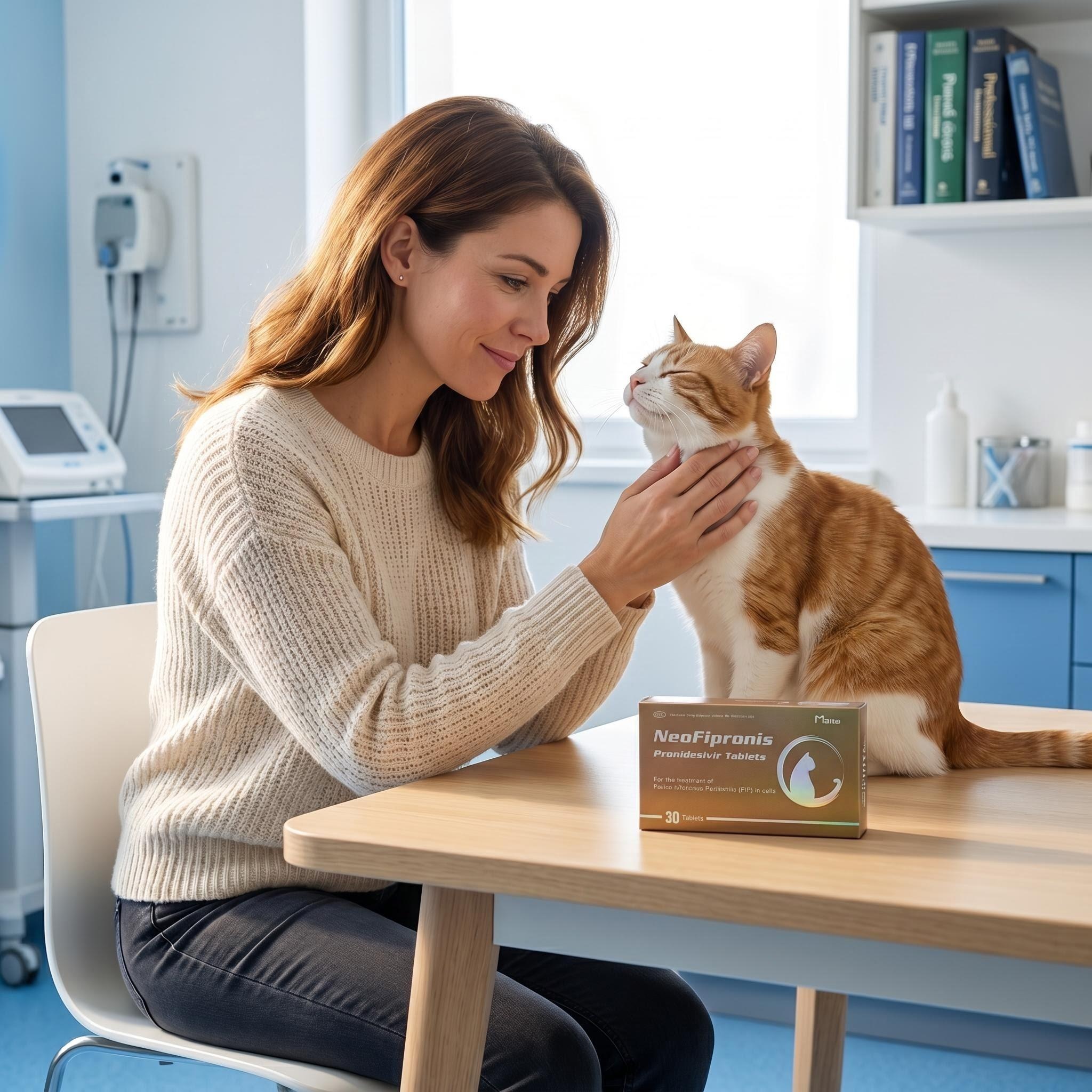
With the advent of oral antiviral treatments like NeoFipronis, many cat owners are now equipped to manage FIP outside a clinical setting. Proper home care complements medication, improves quality of life, and can even enhance treatment outcomes.
Medication Administration
Follow Veterinary Guidance: Strictly adhere to your veterinarian's prescribed dosage and schedule.
Ensure Proper Delivery: Use the appropriate syringe or medication dispenser to ensure accurate dosing.
Consistency is Key: Administer medications at the same times daily to maintain therapeutic drug levels.
Monitor for Side Effects: Observe your cat for any adverse reactions, such as gastrointestinal upset or behavioral changes, and communicate these to your vet.
Supportive Care
Nutrition: Provide high-quality, easily digestible food to support recovery.
Hydration: Ensure your cat has constant access to fresh water; consider subcutaneous fluids if advised by your vet.
Environmental Comfort: Offer a calm, warm, and quiet space to reduce stress and promote healing.
Monitoring: Keep a daily health log noting appetite, activity levels, weight, and any new or worsening symptoms.
Recognizing Treatment Response
Most cats begin to show improvements within a few days to weeks of starting antiviral therapy. Symptoms like fever and lethargy often decline, and fluid accumulation may reduce significantly. Regular veterinary follow-up is vital to assess progress, adjust treatment if necessary, and monitor for any potential complications.
Precautions and Considerations
Veterinary Supervision: Never attempt to treat FIP solely at home without veterinary guidance.
Medication Storage: Store antiviral medication as advised to maintain efficacy—typically in a cool, dry place.
Financial Planning: Discuss costs involved with your veterinarian upfront and explore available support programs.
Palliative Care: In advanced cases or if treatment is not tolerated, focus on comfort measures and quality of life.
The Future of FIP Treatment
Research and development continue to evolve, with new antiviral agents promising even better efficacy and safety profiles. The approval of NeoFipronis symbolizes hope, yet ongoing studies aim to refine dosing protocols, reduce treatment duration, and minimize side effects further. For cat owners, staying informed through reputable sources and maintaining close communication with veterinary professionals ensures optimal care.
Key Takeaways
Recent advancements like Miaite NeoFipronis (Pronidesivir) GS-441524 have revolutionized the management of FIP.
Home care is now feasible with proper medication adherence, supportive care, and veterinary oversight.
Early diagnosis and treatment significantly improve the prognosis.
Regular monitoring, symptom observation, and communication with your veterinarian are essential.
Final Thoughts
Managing FIP at home is increasingly accessible thanks to transformative antiviral therapies. While the disease remains serious, these innovations provide hope for affected cats and peace of mind for their owners. With vigilant care, adherence to prescribed treatment, and compassionate support, many cats now have a better chance at recovery and quality life.
References
Feline Infectious Peritonitis: Advances in Treatment and Management, Journal of Feline Medicine and Surgery
Recent Development in Anti-FIP Drugs, Veterinary Pharmacology Circular
Clinical Use of NeoFipronis (Pronidesivir) GS-441524 in Cats, International Veterinary Journal
Official Approval and Guidelines for NeoFipronis (Pronidesivir), Lao Ministry of Agriculture and Forestry Publications