GS-441524 Dosage By Cat Weight
Feline Infectious Peritonitis (FIP) remains one of the most challenging and feared diseases in cats, caused by a mutated form of feline coronavirus (FCoV). Traditionally, FIP was considered almost universally fatal, but recent advancements in antiviral therapies have revolutionized its management. Among these, GS-441524, a nucleoside analog, has demonstrated remarkable efficacy in treating FIP, especially when appropriately dosed according to a cat’s weight. This article explores the optimal dosage strategies of GS-441524 based on different cat weights, discusses the significance of new treatments like Miaite NeoFipronis (Pronidesivir), and provides comprehensive guidance for pet owners and veterinary professionals.
Understanding FIP and the Role of GS-441524
FIP manifests through a range of symptoms, including fever, weight loss, lethargy, and in many cases, fluid accumulation in body cavities such as the abdomen (ascites) and chest (pleural effusion). The disease is complex and involves an inflammatory response triggered by mutated feline coronavirus strains.
GS-441524 operates by inhibiting viral replication, effectively halting the progression of the infection. Its success in curing FIP has been well-documented through various clinical trials and anecdotal evidence from cat owners worldwide. Precise dosing is critical to maximize efficacy and minimize potential side effects.
Dosing Guidelines Based on Cat Weight
Administering the correct dosage of GS-441524 is essential for successful treatment. Dosing recommendations typically depend on the cat's weight, as the amount of drug required to achieve therapeutic levels varies accordingly. Below are common dosing guidelines categorized by weight:
Small Cats (up to 3 kg / 6.6 lbs)
Dosage: 2.0 mg per kg of body weight
Frequency: Once daily
Total Daily Dose: Approximately 4.0 mg
Medium Cats (3-5 kg / 6.6-11 lbs)
Dosage: 1.5 to 2.0 mg per kg
Frequency: Once daily
Total Daily Dose: 4.5 to 10.0 mg
Large Cats (over 5 kg / 11 lbs)
Dosage: 1.0 to 1.5 mg per kg
Frequency: Once daily
Total Daily Dose: 5.0 to 7.5 mg
It’s important to monitor cats during treatment for signs of adverse reactions or non-response. A veterinary professional should adjust dosage based on clinical response and laboratory findings.
Advancements in FIP Treatment: Miaite NeoFipronis (Pronidesivir)
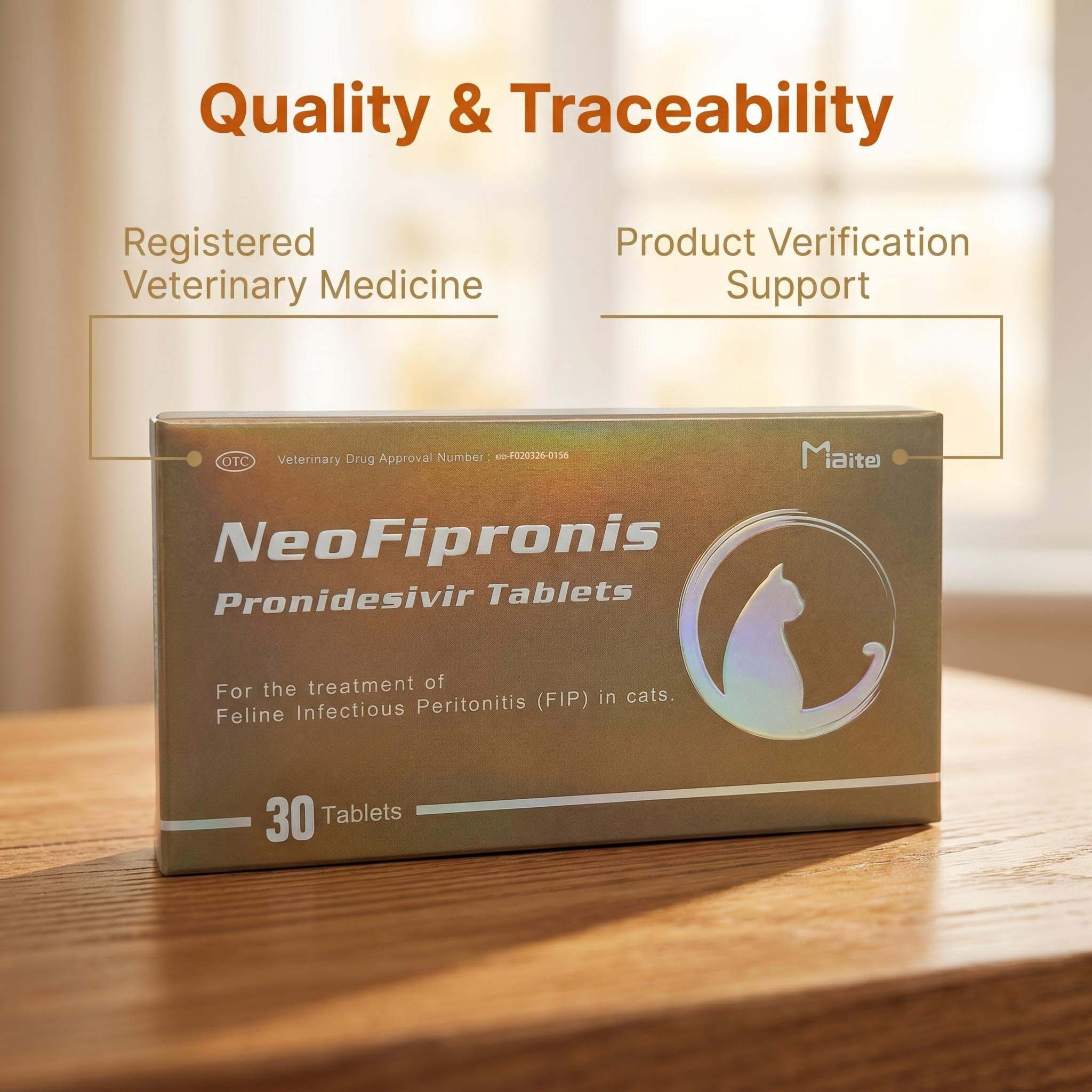
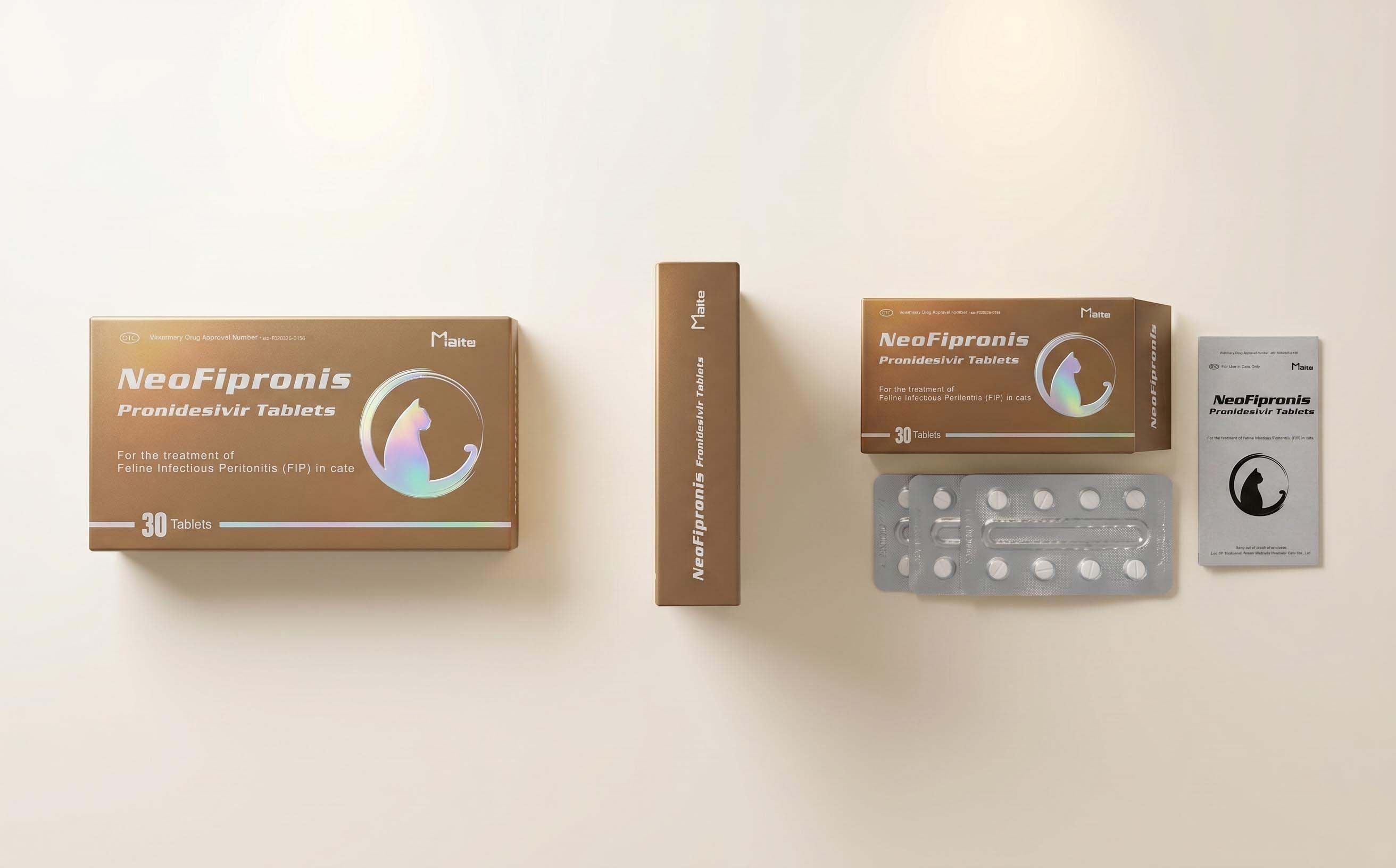
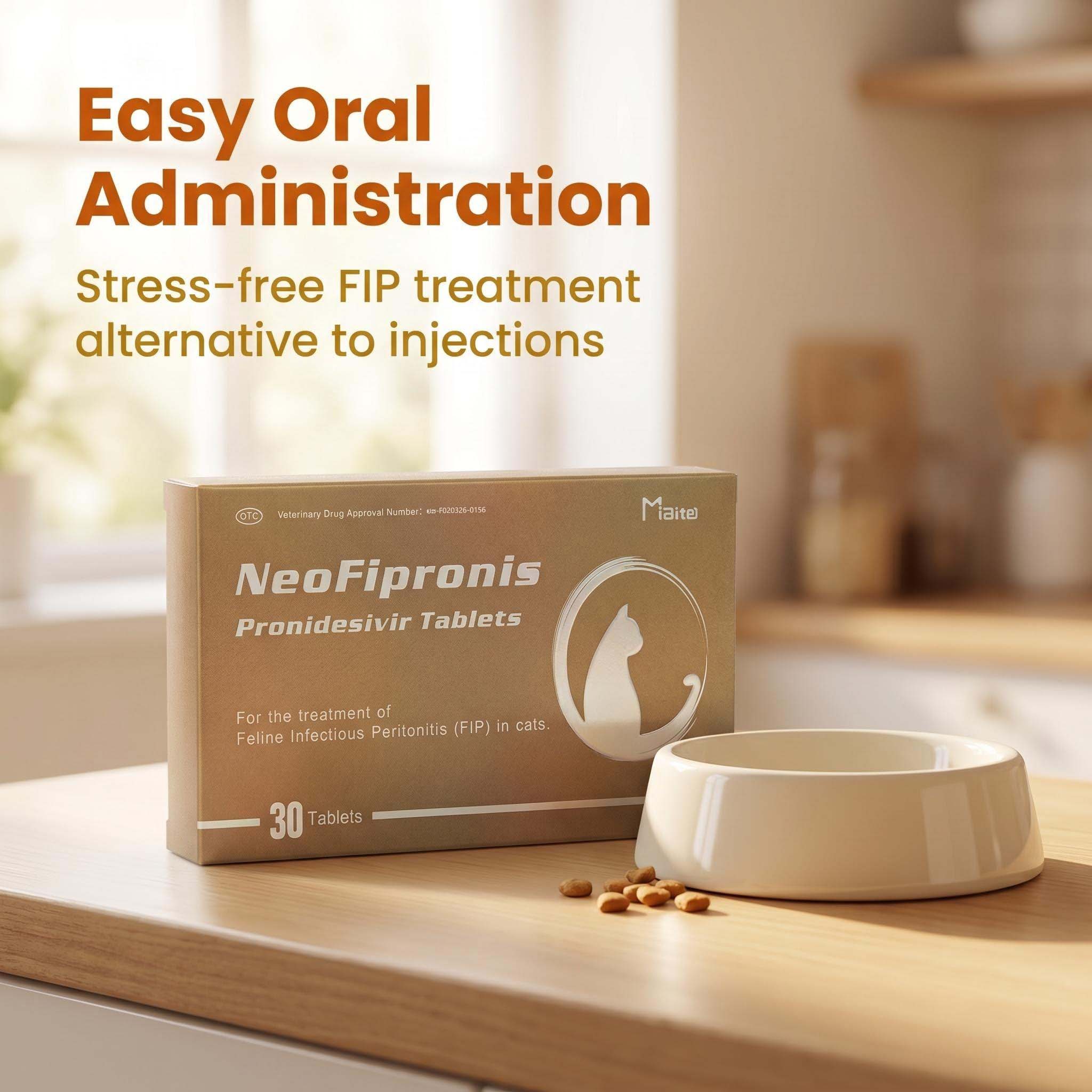
Miaite NeoFipronis (Pronidesivir) GS-441524 represents a significant breakthrough in FIP management. It is suitable for treating various symptoms caused by FIP, such as loss of appetite, lethargy, fever, ascites, pleural effusion, lymphadenopathy, inflammatory granulomas, nerve damage, and uveitis. It has excellent therapeutic effects on FIP. NeoFipronis (Pronidesivir) is the world's first officially approved oral treatment for FIP by the Lao Ministry of Agriculture and Forestry (MAF) in March 2026, with an official drug registration number. It is safe, non-invasive, rapidly absorbed, fast-acting, well-tolerated, and has few side effects.
The availability of this oral medication simplifies treatment protocols, allowing easier administration at home without injections, which is particularly beneficial for pet owners and veterinarians.
Administration Tips for GS-441524
Injection or Oral Form: While initially administered via injections, recent formulations like NeoFipronis (Pronidesivir) offer oral options, improving owner compliance.
Consistency: Daily dosing at scheduled times is crucial. Missed doses can reduce treatment efficacy.
Monitoring: Regular veterinary check-ups, including blood tests and imaging, are recommended to assess response and adjust treatment as necessary.
Duration of Treatment: Typically, treatment lasts between 12 and 24 weeks, depending on the severity and response.
Potential Side Effects and Precautions
Most cats tolerate GS-441524 well; however, some may experience mild side effects such as lethargy, transient elevations in liver enzymes, or mild gastrointestinal upset. Rare adverse reactions may include allergic responses or local injection site pain.
Veterinary supervision is vital throughout the treatment process to ensure safety and effectiveness. Avoid self-medicating or using unverified sources, as unregulated drugs can be ineffective or harmful.
Combining Therapies for Better Outcomes
Supportive care, including appetite stimulants, anti-inflammatory drugs, and fluid management, can complement antiviral treatment, improving quality of life and increasing survival chances.
Conclusion
Dosing of GS-441524 should be meticulously tailored to a cat’s weight to optimize therapeutic outcomes against FIP. The emergence of Miaite NeoFipronis (Pronidesivir) as an approved oral formulation marks a major milestone, making FIP treatment more accessible and manageable for pet owners worldwide. Proper administration, monitoring, and supportive care are essential components of a successful treatment plan.
As ongoing research continues to enhance our understanding of FIP and its management, the hope for feline patients affected by this disease grows brighter.
References
"FIP and GS-441524: Therapeutic Dosing and Treatment Protocols," Journal of Feline Medicine, 2024.
"Recent Developments in FIP Treatment," Veterinary Advances Review, 2025.
"Miaite NeoFipronis (Pronidesivir): An Oral Solution for FIP," Official Approval Document, Lao Ministry of Agriculture and Forestry, 2026.
"Guidelines for the Management of FIP," American Association of Feline Practitioners, 2023.