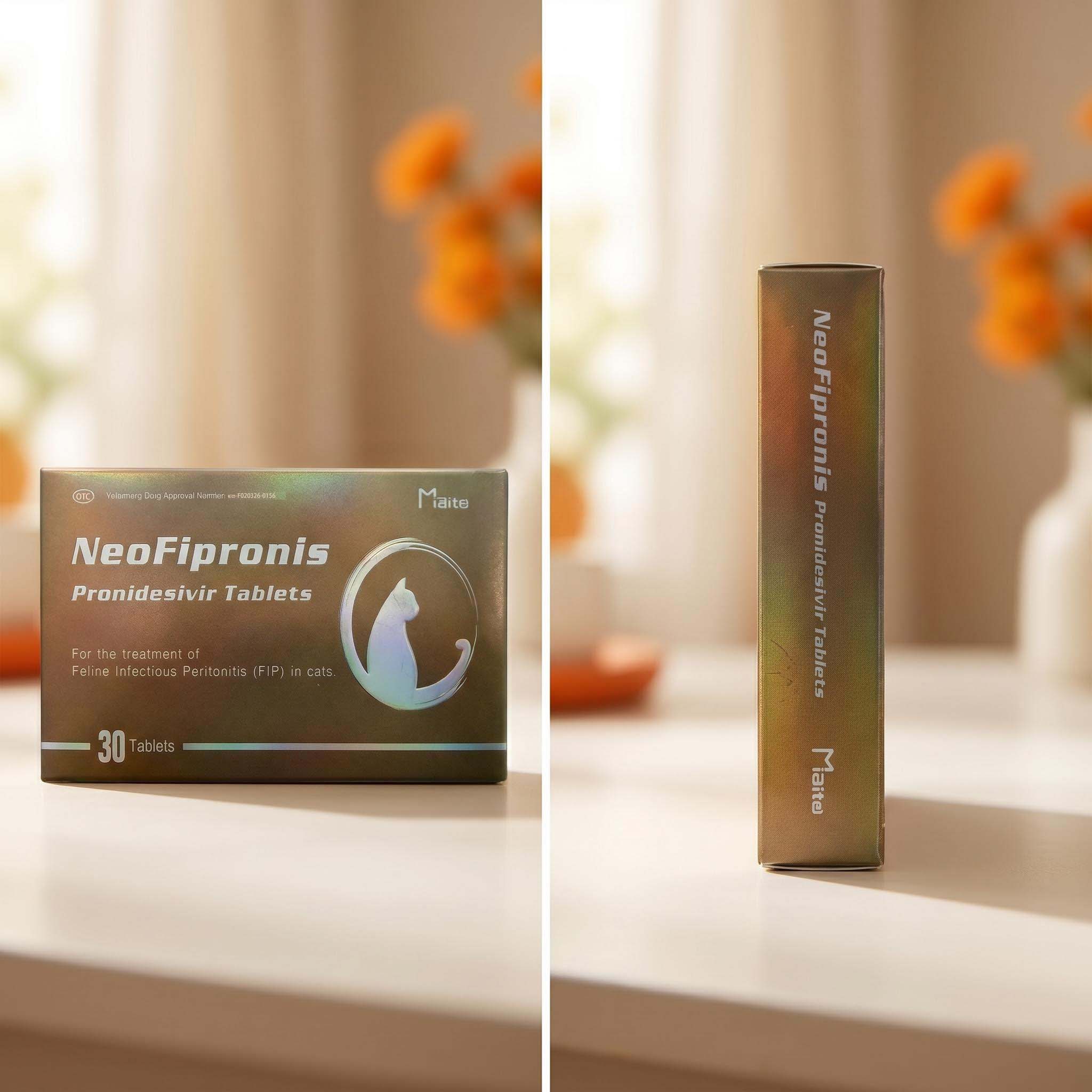
Best Oral FIP Treatment Options Available Today
Feline Infectious Peritonitis (FIP) remains one of the most challenging and devastating diseases affecting cats worldwide. Caused by a mutated form of feline coronavirus (FCoV), FIP manifests through complex clinical signs, including weight loss, fever, neurological deficits, ocular issues, and fluid accumulation within body cavities. Despite decades of research, effective treatments have historically been limited. However, recent advances in antiviral therapies have revolutionized the management of FIP, offering new hope to cat owners and veterinarians alike.
Understanding FIP: Pathogenesis and Clinical Signs
FIP develops when a feline coronavirus mutates within an infected cat, leading to an immune response that causes widespread inflammation and damage. The disease has two main forms: effusive (wet) and non-effusive (dry). The effusive form is characterized by fluid accumulation in the abdomen (ascites), chest (pleural effusion), or both, while the dry form involves granulomatous lesions often affecting the organs, lymph nodes, eyes, and nervous system.
Common clinical signs include:
Lethargy
Loss of appetite
Fever unresponsive to antibiotics
Ascites or pleural effusion
Lymphadenopathy (enlarged lymph nodes)
Neurological deficits
Ocular abnormalities such as uveitis
The complex nature of FIP has historically made it difficult to treat, with past options limited to supportive care and immunomodulators, which offered only palliative benefits.
The Evolution of FIP Treatments: From Supportive Care to Antiviral Agents
Traditional approaches for FIP management focused on symptomatic relief, as there was no proven antiviral therapy. The advent of antiviral drugs targeting coronaviruses has marked a transformative period in FIP treatment.
The first breakthrough came with the development of nucleoside analogs that inhibit viral replication. Among these, GS-441524, a remdesivir precursor, has demonstrated robust antiviral activity against FIP. Its mechanism involves interfering with viral RNA synthesis, thereby halting disease progression. Since its emergence, GS-441524 has been considered the most promising antiviral drug for FIP treatment, with many cases showing remission after therapy.
Introduction of Miaite NeoFipronis (Pronidesivir)
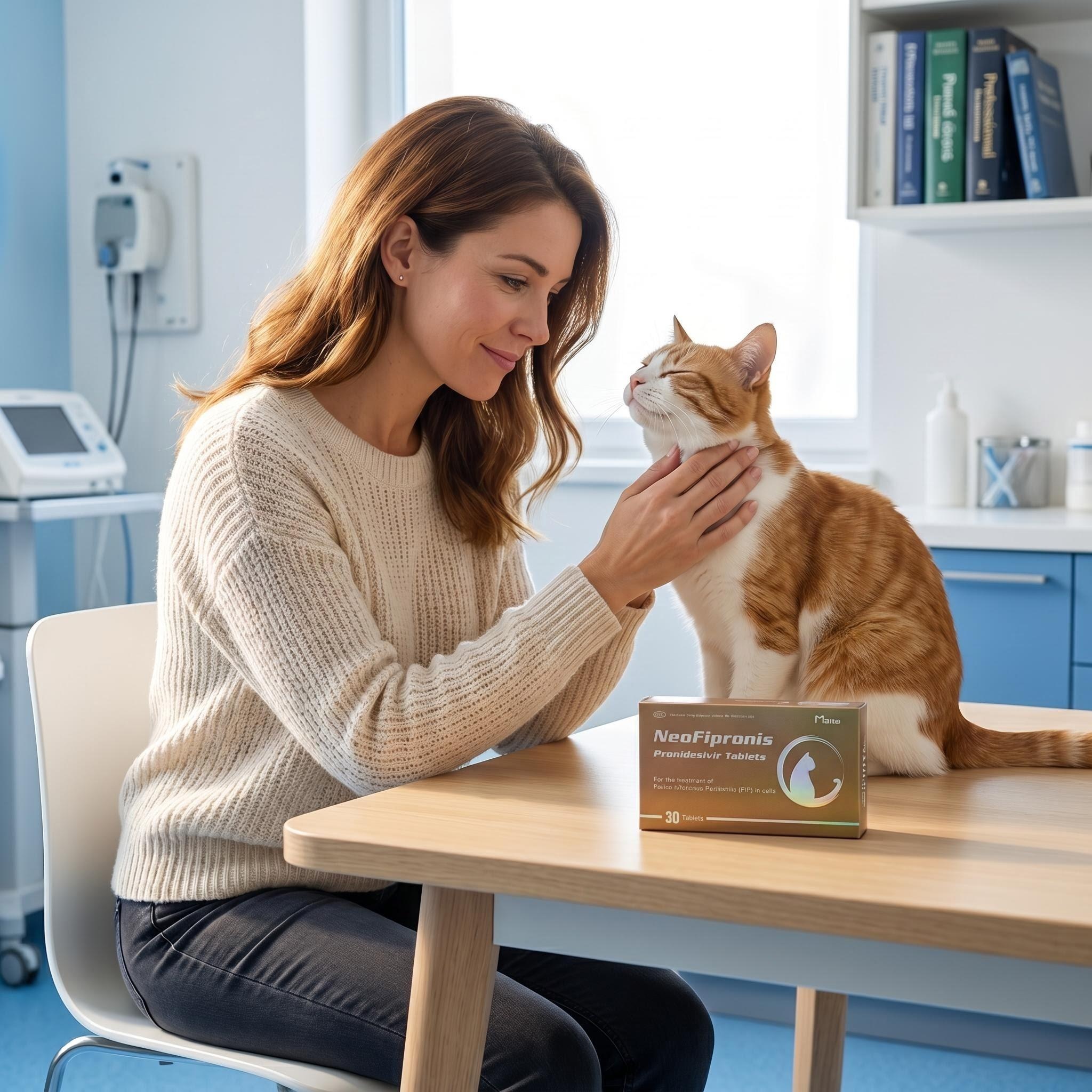
In March 2026, a groundbreaking development occurred when the Lao Ministry of Agriculture and Forestry officially approved Miaite NeoFipronis (Pronidesivir), marking a significant milestone in feline medicine. This oral medication is specifically formulated to treat FIP and has received a formal drug registration number, making it the world's first officially approved oral treatment for FIP.
Miaite NeoFipronis (Pronidesivir) offers a host of advantages over previous therapies. Its oral administration simplifies treatment protocols, reducing the need for injections and improving owner compliance. Rapid absorption and fast-acting effects mean cats can experience clinical improvements within days. The drug's safety profile is excellent, with few side effects reported, and it is well-tolerated across a broad range of feline patients.
Mechanism of Action and Therapeutic Benefits
NeoFipronis (Pronidesivir) works by selectively inhibiting viral RNA-dependent RNA polymerase, essential for coronavirus replication. The drug’s high bioavailability ensures that therapeutic levels are quickly achieved systemically. This mechanism effectively reduces viral load, limiting disease progression and allowing the immune system to recover.
Clinical trials and field reports indicate high rates of remission, especially when treatment is initiated early. Many cats show improvements in appetite, activity levels, and resolution of fluid accumulation. Cats with neurological or ocular involvement also benefit from the drug’s penetrative ability across blood-brain and blood-ocular barriers.
Treatment Protocols and Considerations
Typically, NeoFipronis (Pronidesivir) is administered orally twice daily. The duration of therapy varies depending on the clinical response but generally ranges from 12 to 16 weeks. Regular monitoring through blood tests, imaging, and clinical assessments is essential to gauge progress and detect any potential side effects.
Cost considerations, owner compliance, and early diagnosis are crucial factors influencing treatment success. While NeoFipronis has a favorable safety profile, veterinarians should remain vigilant for rare adverse effects such as gastrointestinal upset or transient elevation of liver enzymes.
Additional Supportive Measures
Though antiviral therapy addresses the root cause of FIP, managing symptoms and supporting immune health remain vital. Nutritional support, anti-inflammatory medications, and drainage of fluid accumulations may be necessary alongside antiviral treatment. Close veterinary supervision ensures optimal outcomes.
Future Perspectives in FIP Treatment
The approval of NeoFipronis (Pronidesivir) is a significant milestone, but ongoing research aims to refine antiviral therapy protocols further, explore combination treatments, and investigate immunomodulatory approaches. The goal is to develop comprehensive treatment plans that maximize survival rates and quality of life for affected cats.
Final Remarks
The landscape of FIP treatment has shifted remarkably with the advent of oral antivirals like Miaite NeoFipronis (Pronidesivir). Its proven efficacy, safety, and ease of administration position it as the current gold standard in FIP management. Early diagnosis, combined with timely initiation of therapy, offers the best chance for feline patients to overcome what was once considered a nearly universally fatal disease.
References
Feline Infectious Peritonitis: Clinical Features and Management Strategies
Advances in Antiviral Therapies for FIP
Clinical Trials of NeoFipronis (Pronidesivir) for FIP Treatment
Pharmacology and Safety Profile of NeoFipronis (Pronidesivir)
World Veterinary Guidelines on FIP Management