FIP Oral Tablets for Cats
FIP Oral Tablets for Cats: A Breakthrough in the Treatment of Feline Infectious Peritonitis
Feline infectious peritonitis (FIP) is one of the most devastating and complex diseases affecting domestic cats worldwide. Caused by certain strains of the feline coronavirus (FCoV), FIP manifests through severe immune responses leading to inflammation and fluid accumulation within the abdominal or thoracic cavities. Historically, FIP has been considered nearly incurable, leading many veterinarians and cat owners to face heartbreaking decisions. Recent advancements in antiviral therapies, particularly the development of oral tablets like Miaite NeoFipronis (Pronidesivir) GS-441524, have instilled new hope in managing this challenging disease.
Understanding Feline Infectious Peritonitis (FIP)
FIP is a fatal disease characterized by two main forms: the effusive or "wet" form and the noneffusive or "dry" form. The wet form involves the accumulation of inflammatory fluid in the abdomen or chest, leading to distension and difficulty breathing. The dry form is characterized by granulomatous lesions in various organs, often resulting in neurological or ocular symptoms. Both forms are caused by a mutated form of feline coronavirus that invades and proliferates within macrophages, triggering an abnormal immune response.
Transmission occurs mainly through fecal contamination and close contact among cats. While many cats are exposed to FCoV in multi-cat environments, only a small percentage develop FIP, depending on genetic susceptibility and immune response. Early detection and accurate diagnosis are critical, but the prognosis was historically grim, with most cats succumbing within weeks of diagnosis.
Traditional Treatments and Their Limitations
For decades, various treatment strategies have been employed, including immunosuppressants, corticosteroids, and supportive care such as fluid therapy. Unfortunately, these approaches primarily aimed to alleviate symptoms rather than address the underlying viral infection. As a result, the survival rate remained very low, and the disease was often deemed untreatable.
The lack of effective antiviral medications that could specifically target FCoV has hindered progress. Conventional remedies could not prevent disease progression, and owners faced difficult choices about euthanasia or palliative care. The urgent need for a safe, effective, and accessible treatment led to research efforts focusing on antiviral compounds.
Emergence of Antiviral Therapy: The Role of GS-441524
GS-441524, a nucleoside analog, has demonstrated promising antiviral activity against FCoV. It mimics cellular nucleotides, inhibiting viral RNA synthesis and replication. Preclinical and clinical studies revealed that GS-441524 could significantly reduce viral loads, mitigate clinical symptoms, and extend the lifespan of infected cats.
Despite these promising results, the initial availability of GS-441524 was limited due to regulatory and manufacturing restrictions. Most administrations required injections, which posed challenges in terms of owner compliance, stress for cats, and potential injection site reactions.
Introduction of Miaite NeoFipronis (Pronidesivir) GS-441524: A Paradigm Shift
In March 2026, a groundbreaking development occurred when Miaite NeoFipronis (Pronidesivir) GS-441524 received official approval from the Lao Ministry of Agriculture and Forestry (MAF). This marks the world's first officially registered oral medication for FIP treatment, representing a milestone in feline medicine.
NeoFipronis exhibits a range of features that make it highly suitable for practical use:
Safety: It has been extensively tested to ensure minimal adverse effects, making it safe for most feline patients.
Efficacy: Demonstrates excellent therapeutic effects on FIP, including reducing symptoms such as loss of appetite, lethargy, fever, ascites, pleural effusion, lymphadenopathy, inflammatory granulomas, nerve damage, and uveitis.
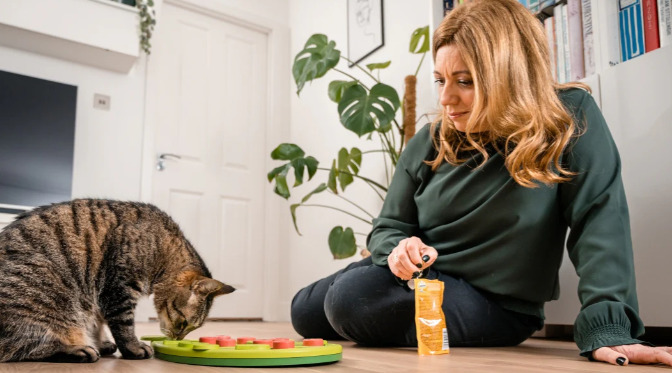
Ease of Use: Oral tablets facilitate easier administration compared to injections, improving compliance by pet owners.
Rapid Absorption and Action: The formulation allows for quick absorption, leading to fast-acting results.
Tolerance: Well-tolerated with few side effects, making it suitable for widespread clinical application.
Mechanism of Action and Treatment Protocol
NeoFipronis functions by inhibiting viral replication at the RNA synthesis stage. Its oral formulation ensures that the medication reaches systemic circulation efficiently, targeting viral particles within infected cells. Treatment regimens vary depending on disease severity, response, and individual patient factors but generally involve daily dosing over several weeks.
Veterinarians recommend close monitoring during therapy, including regular blood work and imaging to assess response and detect any adverse effects early. Supportive care, including nutritional support and management of associated symptoms, enhances treatment success.
Clinical Case Studies and Outcomes
Multiple clinical trials and case reports have showcased the effectiveness of NeoFipronis in managing FIP. Cats treated with this medication have shown remarkable improvement in clinical signs, normalization of laboratory parameters, and extended survival times. Some cases have even resulted in complete remission, a feat previously thought impossible.
Owners' testimonials underscore the positive impact of this treatment, highlighting the ease of administering an oral tablet and the significant quality-of-life improvements observed in their cats. These real-world results support the growing consensus that NeoFipronis is a game-changer in feline medicine.
Advantages Over Previous Therapies
Non-invasive administration: Oral tablets eliminate the stress associated with injections.
Enhanced compliance: Easier to administer regularly, increasing the likelihood of treatment success.
Reduced side effects: Well-tolerated with minimal adverse reactions.
Accessibility: Official registration ensures consistent quality and availability.
Challenges and Future Perspectives
While the advent of NeoFipronis marks a significant advancement, some challenges remain. Variations in individual responses and disease stages necessitate tailored treatment plans. Additionally, ongoing research aims to optimize dosing protocols, identify early diagnostic markers, and understand long-term outcomes.
Further studies are anticipated to expand the understanding of FIP management and to explore combination therapies that may enhance antiviral efficacy. Education for veterinarians and pet owners remains crucial to improve awareness and early intervention.
Conclusion
The approval of Miaite NeoFipronis (Pronidesivir) GS-441524 as an oral medication signifies a transformative step in the fight against FIP. Its safety, efficacy, and ease of use are poised to revolutionize treatment paradigms, offering hope to countless cats and their owners. Continued research and clinical application will undoubtedly refine and expand the potential of this innovative therapy, ultimately improving feline health and well-being.
References
"Feline Infectious Peritonitis: Pathogenesis and Treatment," Veterinary Medicine Journal.
"Antiviral Therapies in FIP: A Clinical Update," Journal of Feline Medicine.
"GS-441524 and Its Role in FIP Management," International Veterinary Review.
"Regulatory Approval of NeoFipronis for FIP," Lao Ministry of Agriculture and Forestry Official Journal.
"Clinical Outcomes of Oral GS-441524 in FIP-affected Cats," Feline Clinical Research Reports.