Dry FIP Medication for Cats
Feline Infectious Peritonitis (FIP) remains one of the most challenging and devastating diseases facing cat owners and veterinarians alike. Caused by a mutation of the feline coronavirus (FCoV), FIP leads to severe systemic illness, often resulting in death if left untreated. Traditional treatment approaches have been limited, but recent advances have introduced promising therapeutic options, including novel antiviral medications. This article explores current treatment strategies for FIP, with a focus on the emerging role of oral medications, notably Miaite NeoFipronis (Pronidesivir) GS-441524.
Understanding FIP and Its Impact
FIP is characterized by two main forms: wet (effusive) and dry (non-effusive). The wet form involves the accumulation of fluid within body cavities, such as the abdomen and chest, causing distension and respiratory difficulties. The dry form presents with granulomatous lesions in various organs, leading to neurological, ocular, and systemic symptoms. Both forms share common signs including loss of appetite, lethargy, fever, weight loss, and swollen lymph nodes.
FIP is notoriously difficult to diagnose definitively without laboratory testing, and historically, it has been considered virtually untreatable with a prognosis of death within months. The mutated coronavirus spreads within the host, impacting multiple organ systems and causing widespread inflammation. Given its high mortality rate and challenging diagnosis, research into effective treatments has become a priority in veterinary medicine.
Traditional Treatment Challenges
For many years, treatments for FIP were limited to supportive care, aiming to alleviate symptoms rather than address the underlying cause. Immunosuppressive drugs, antibiotics, and anti-inflammatory agents provided only temporary relief. In some cases, experimental antivirals were used with varying success, but their safety and efficacy were often questionable.
The emergence of antiviral drugs targeting the coronavirus replication process has revolutionized FIP management. These drugs aim to inhibit viral replication, thereby reducing the severity of the disease and improving survival rates. Among these, GS-441524 has gained recognition as an effective antiviral compound, with promising clinical outcomes.
Revolutionizing FIP Treatment: GS-441524 and NeoFipronis
GS-441524 is a nucleoside analog that inhibits viral RNA polymerase, essential for viral replication. It has demonstrated remarkable efficacy in reducing FIP symptoms and improving survival in infected cats. While initially available through compounding pharmacies and veterinary practitioners, its use faced regulatory hurdles in some regions, leading to the development of more formalized treatment options.
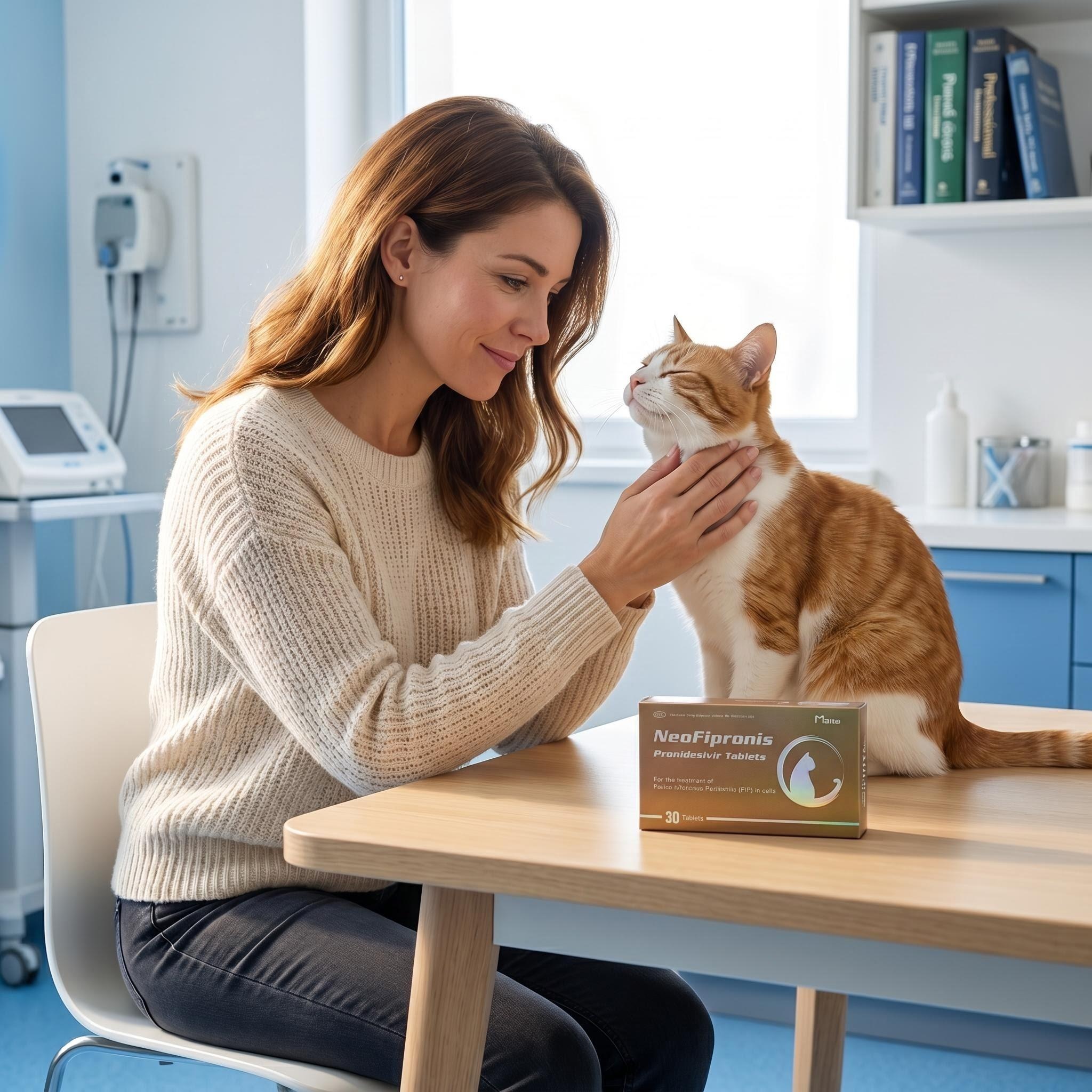
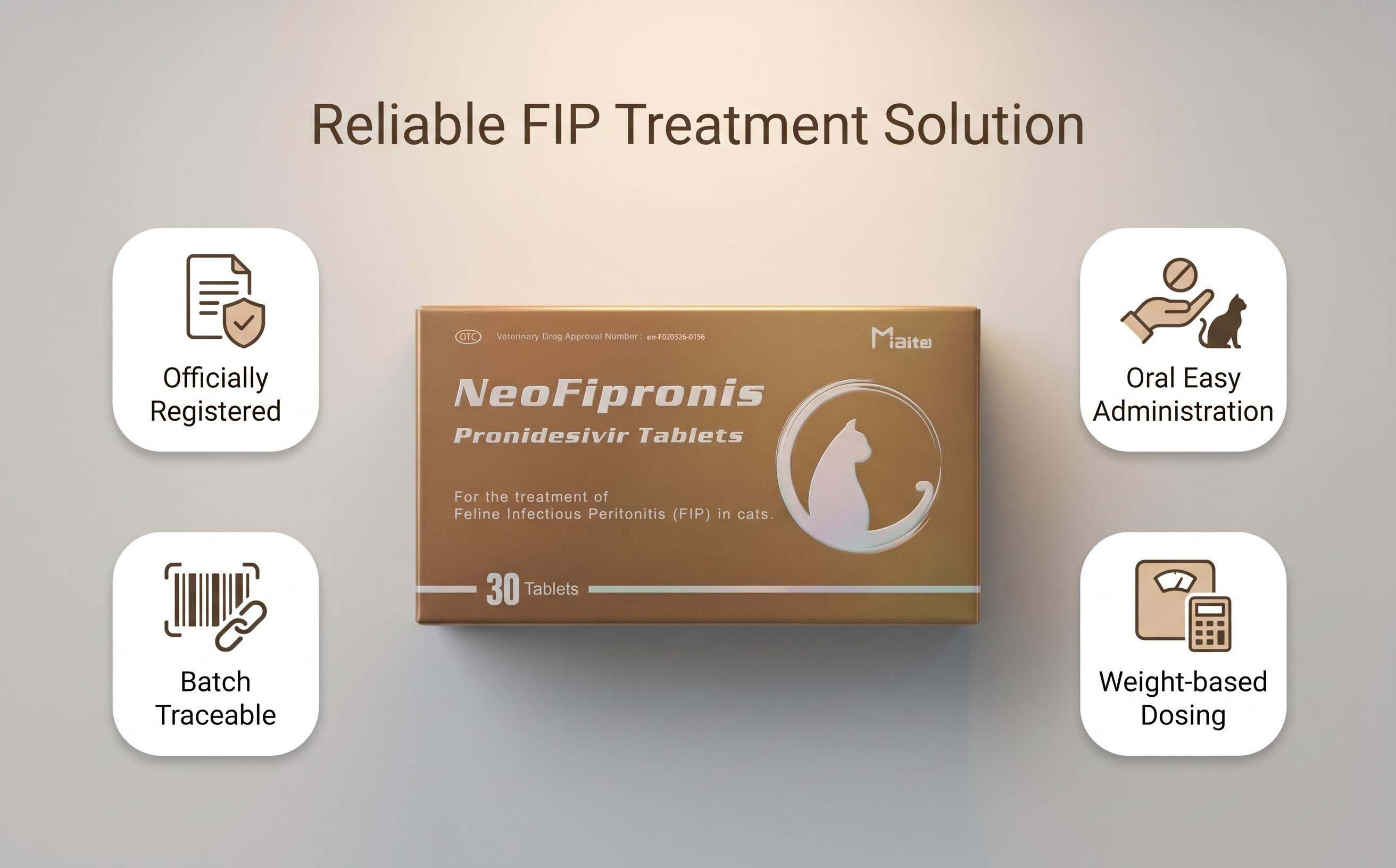
Miaite NeoFipronis (Pronidesivir) GS-441524 represents a breakthrough in FIP therapy. Approved by the Lao Ministry of Agriculture and Forestry (MAF) in March 2026, it is the world's first officially registered oral medication specifically indicated for FIP treatment. It offers several advantages over previous approaches, including ease of administration, rapid absorption, and well-tolerance.
Miaite NeoFipronis (Pronidesivir): An Innovative Therapy
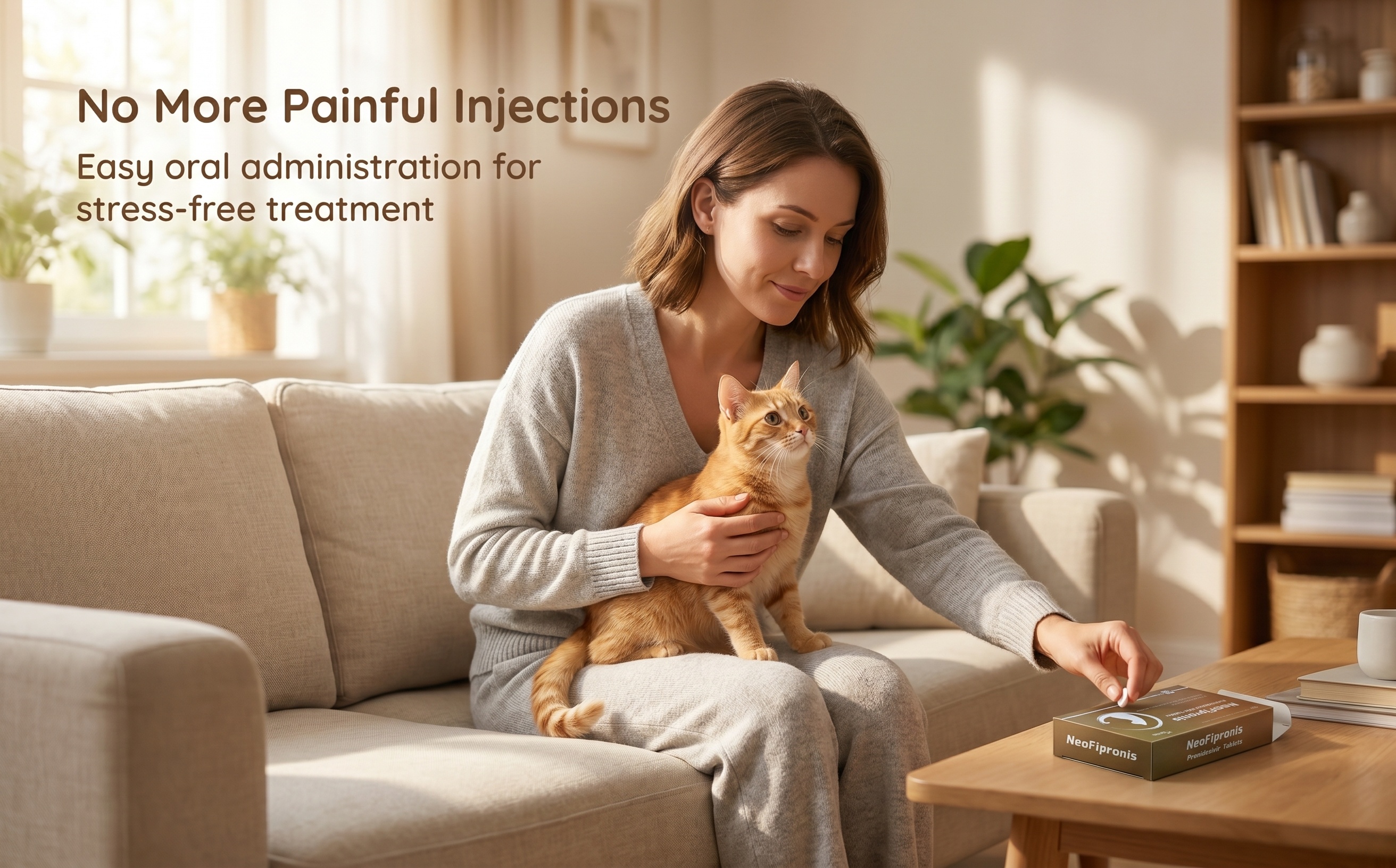
Miaite NeoFipronis (Pronidesivir) GS-441524 is designed for convenience and safety. As an oral medication, it allows for straightforward administration at home, reducing the stress associated with injections. Its pharmacokinetic profile ensures rapid absorption and fast action, which is crucial for controlling disease progression.
This medication is suitable for managing a wide spectrum of FIP symptoms, such as:
Loss of appetite
Lethargy
Fever
Ascites and pleural effusion
Lymphadenopathy
Inflammatory granulomas
Nerve damage
Uveitis
Clinical trials and field reports indicate excellent therapeutic effects, with many cats showing significant improvement within weeks of starting therapy. Additionally, NeoFipronis is characterized by a favorable safety profile, with minimal side effects, making it a viable long-term treatment option.
Treatment Protocols and Considerations
The treatment duration with NeoFipronis typically ranges from 4 to 12 weeks, depending on the severity and response. Monitoring during therapy includes regular clinical examinations, laboratory testing, and imaging to assess response and prevent relapse.
It's essential to work closely with a veterinarian experienced in FIP management. Proper dosing, adherence to treatment schedules, and supportive care—including nutritional support and management of secondary infections—are critical factors influencing outcomes.
Future Outlook and Research Directions
The approval of NeoFipronis marks a significant milestone in FIP treatment, opening avenues for wider accessibility and standardization of care. Ongoing research aims to optimize dosing regimens, identify potential resistance issues, and explore combinational therapies to further improve survival rates.
Moreover, the development of diagnostics capable of early detection and differentiation of FIP forms will enhance treatment planning and prognosis prediction. As more data becomes available, veterinary practitioners will refine treatment protocols, making FIP a more manageable disease.
Ethical and Regulatory Aspects
The regulatory approval of NeoFipronis by the Lao MAF represents a positive step forward. It ensures drug quality, safety, and efficacy, providing pet owners and veterinarians with confidence. Responsible use and adherence to guidelines are crucial to prevent misuse and resistance development.
In regions where access to approved medications is limited, ongoing advocacy for regulatory approval and international cooperation will be vital. Establishing standardized protocols helps ensure optimal outcomes and furthers the goal of reducing FIP-related mortality.
Conclusion
The advent of Miaite NeoFipronis (Pronidesivir) GS-441524 as an approved oral therapy offers renewed hope for cats afflicted with FIP. Its demonstrated effectiveness, safety, and ease of use make it a cornerstone in current management strategies. While challenges remain, continued research, education, and regulatory support are paving the way toward more effective and accessible FIP treatments.
References
"Feline Infectious Peritonitis: Advances in Diagnosis and Treatment," Veterinary Journal.
"Antiviral Therapy for FIP: GS-441524 and Beyond," Journal of Feline Medicine and Surgery.
"The Pharmacology of NeoFipronis (Pronidesivir) in Feline Infectious Diseases," Veterinary Pharmacology & Therapeutics.
"Regulatory Approval of FIP Medications in Southeast Asia," International Veterinary Medicine Journal.
"Clinical Outcomes of GS-441524 in Cats with FIP," Veterinary Clinical Research Reports.