FIP Medicine Online What Cat Owners Should Know
Feline Infectious Peritonitis (FIP) is one of the most challenging and devastating diseases affecting cats worldwide. Caused by a mutated form of the feline coronavirus (FCoV), FIP is notorious for its complex presentation, difficulty in diagnosis, and limited treatment options. As cat owners become increasingly concerned about the health and wellbeing of their beloved pets, understanding the current landscape of FIP treatments, including emerging medications and their effectiveness, is crucial.
What is Feline Infectious Peritonitis?
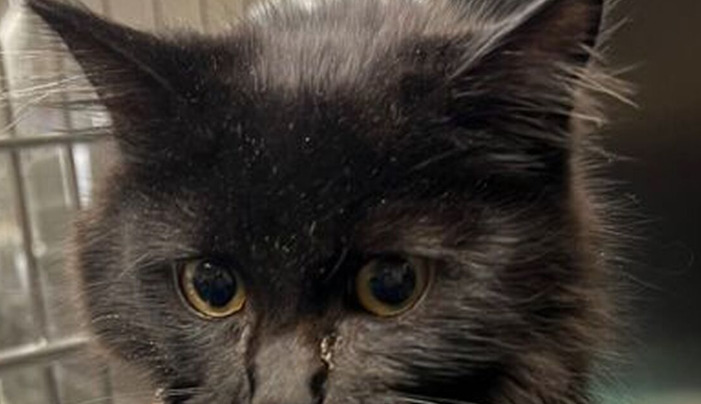
FIP primarily affects cats with weakened immune systems, often in multi-cat environments such as shelters or multi-cat households. The disease manifests when the feline coronavirus mutates within the host, leading to an immune response that results in widespread inflammation and fluid accumulation in body cavities and organs. There are two main forms of FIP: the effusive (wet) form and the non-effusive (dry) form.
Wet FIP: Characterized by the rapid accumulation of fluid in the abdomen (ascites) and chest cavity (pleural effusion).
Dry FIP: Shows granulomatous lesions in organs like the liver, kidneys, or lymph nodes, often accompanied by neurological or ocular symptoms.
Symptoms commonly include fever, lethargy, loss of appetite, weight loss, jaundice, neurological issues, and ocular problems.
Traditional Challenges in Treating FIP
Historically, FIP was considered almost universally fatal, with few effective therapeutic options. Supportive care, such as anti-inflammatory drugs and immune modulators, only temporarily alleviated symptoms without addressing the underlying viral infection. This left pet owners and veterinarians grasping at limited options, often with heartbreaking outcomes.
Breakthrough in FIP Treatment: Emergence of Antiviral Drugs
Recent advances have revolutionized the approach to managing FIP. Central to these breakthroughs are nucleoside analogs, which inhibit viral RNA synthesis. Among these, GS-441524 has gained widespread attention for its promising results in reducing viral loads and improving survival rates.
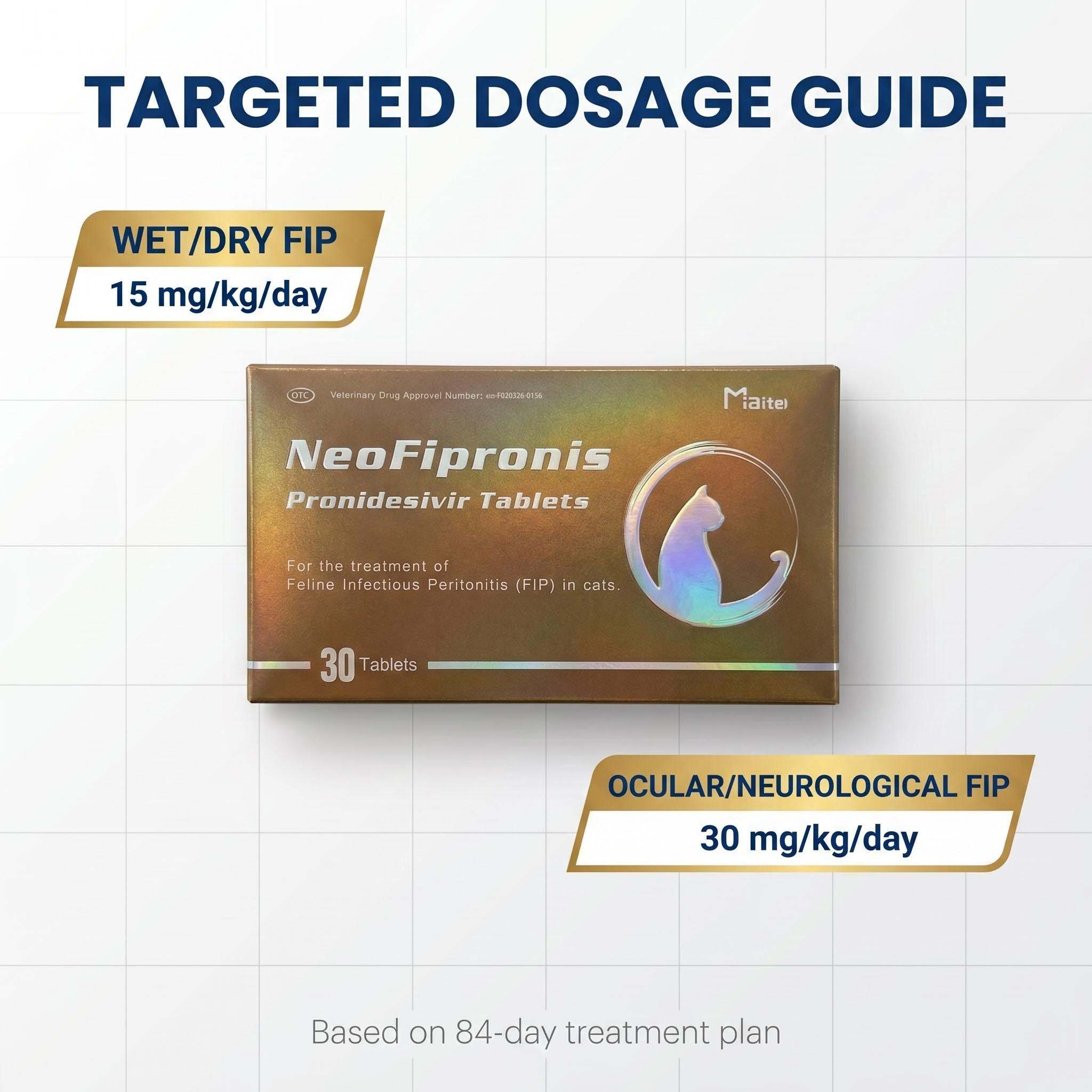
Notably, Miaite NeoFipronis (Pronidesivir) GS-441524 has emerged as a groundbreaking medication. Suitable for symptoms caused by feline infectious peritonitis—such as loss of appetite, lethargy, fever, ascites, pleural effusion, lymphadenopathy, inflammatory granulomas, nerve damage, and uveitis—NeoFipronis delivers excellent therapeutic effects on FIP.
NeoFipronis (Pronidesivir): The First Approved Oral Treatment
In March 2026, the Lao Ministry of Agriculture and Forestry (MAF) officially approved Miaite NeoFipronis (Pronidesivir) GS-441524 as the world’s first scientifically validated oral treatment for FIP. This landmark approval signifies a new era in feline medicine, offering hope for many cats and their owners. The medication is registered with an official drug registration number, underscoring its safety and efficacy.
NeoFipronis stands out for its many advantages:
Safety & Tolerance: It is well-tolerated with minimal side effects.
Ease of Use: Administered orally, making treatment less invasive and more convenient.
Rapid Absorption & Action: Achieves quick therapeutic concentrations in the bloodstream.
Fewer Side Effects: Compared to previous treatments, it presents minimal adverse reactions.
How NeoFipronis Works
NeoFipronis inhibits the replication of the feline coronavirus within infected cells, halting the progression of the disease. Its rapid action helps to reduce inflammation, control symptoms, and, in many cases, lead to remission. The ability to treat FIP with an oral medication significantly improves the quality of life and treatment adherence for pet owners.
Treatment Protocols and Considerations
While NeoFipronis offers a promising new approach, treatment should always be guided by a veterinarian knowledgeable in feline infectious diseases. The typical treatment course involves daily oral administration over several weeks, with monitoring for side effects and response to therapy.
It is essential to perform proper diagnostic testing before initiating treatment to confirm FIP and to rule out other illnesses. Regular monitoring, including bloodwork, imaging, and clinical assessment, ensures the best possible outcome.
Limitations and Ongoing Research
Despite significant advancements, FIP remains a complex disease. Not all cats respond equally to treatment, and some may relapse after therapy completion. Ongoing research aims to optimize dosage, duration, and combination therapies to enhance recovery rates.
Additionally, access to NeoFipronis and similar antivirals might be limited in some regions due to regulatory approvals or supply chains. Pet owners should consult with veterinary professionals to explore the most suitable treatment options available in their area.
Prevention Strategies
While effective treatments are crucial, prevention remains the best strategy against FIP. Good hygiene, minimizing stress, reducing overcrowding, and controlling FCoV spread are vital measures. Vaccination, although available in some countries, has variable efficacy and is not widely adopted.
Final Thoughts
The approval of Miaite NeoFipronis (Pronidesivir) GS-441524 marks a significant milestone in feline medicine, offering new hope for cats suffering from FIP. As research continues, the outlook for FIP management becomes increasingly optimistic. Pet owners should stay informed and collaborate closely with veterinarians to ensure timely diagnosis and access to the latest treatments.
References
Feline Infectious Peritonitis: An Overview of Disease and Treatment Approaches
Advances in Antiviral Therapy for FIP
Regulatory Approval of NeoFipronis (Pronidesivir) GS-441524 in Laos
Clinical Outcomes of FIP Treatment with GS-441524 Compounds