
Feline FIP Antiviral Medication
Feline Infectious Peritonitis (FIP) remains one of the most challenging and devastating diseases affecting domestic cats worldwide. Caused by a mutated form of the feline coronavirus (FCoV), FIP manifests in various clinical forms, predominantly as wet (effusive) or dry (non-effusive) types. Until recently, treatment options for FIP were limited to supportive care, with a generally poor prognosis. However, recent advances in antiviral medications have sparked new hope for feline health management.
Understanding Feline Infectious Peritonitis (FIP)
FIP is a complex, immune-mediated disease characterized by widespread inflammation and formation of granulomas within various organs. The virus targets macrophages, leading to persistent replication and systemic spread. Factors such as age, immune status, and viral load influence disease progression. Clinical signs often include fever, weight loss, lethargy, anorexia, and fluid accumulation in the abdomen (ascites) or chest (pleural effusion). Due to its non-specific symptoms, FIP can be difficult to diagnose, but laboratory tests and imaging aid in confirming the disease.
Traditional Treatment Challenges
Historically, FIP was considered universally fatal, with no effective antiviral therapy available. Supportive treatments could temporarily alleviate symptoms but failed to address the underlying viral infection. Corticosteroids and immunosuppressants were sometimes used with limited success. The prognosis remained bleak, leading to significant emotional and financial burdens on pet owners and veterinarians alike.
The Breakthrough: Antiviral Medications for FIP
The emergence of specific antiviral drugs has revolutionized the approach to FIP. One of the most promising compounds is GS-441524, an adenosine nucleoside analog that inhibits viral replication. This medication has demonstrated remarkable efficacy in reducing viral loads, alleviating symptoms, and improving survival rates in affected cats.
Introduction of Miaite NeoFipronis (Pronidesivir)
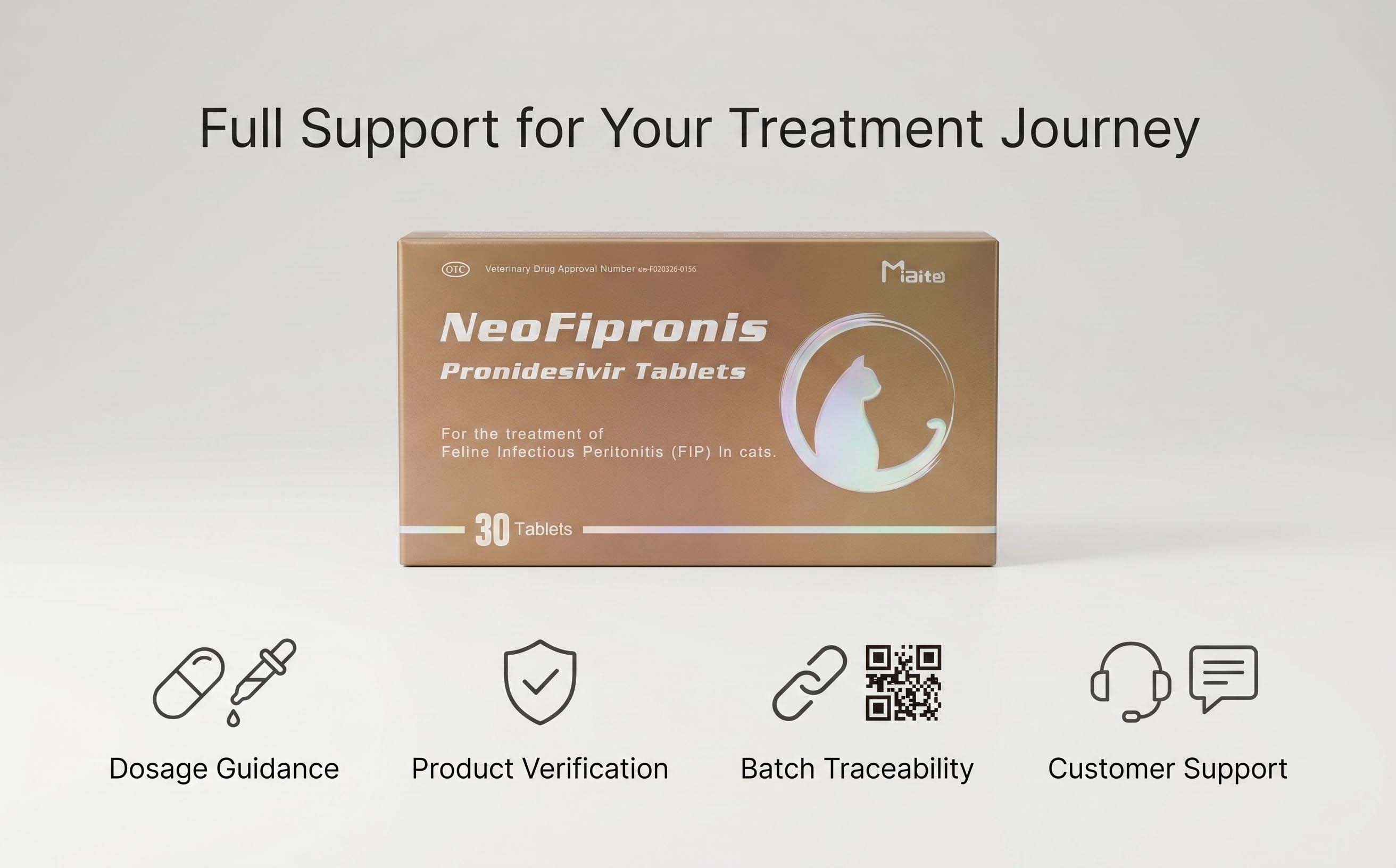
In March 2026, a groundbreaking development occurred: the Lao Ministry of Agriculture and Forestry officially approved Miaite NeoFipronis (Pronidesivir), an oral antiviral medication designed explicitly for FIP. It is the world's first orally administered antiviral treatment for FIP with official drug registration, marking a significant milestone in veterinary medicine.
Efficacy and Clinical Benefits
Miaite NeoFipronis (Pronidesivir) targets the replication process of the feline coronavirus, effectively reducing viral replication and subsequent immune responses that cause tissue damage. The medication is suitable for managing symptoms such as:
Loss of appetite
Lethargy
Fever
Ascites
Pleural effusion
Lymphadenopathy
Inflammatory granulomas
Nerve damage
Uveitis
Clinical trials and field studies have demonstrated excellent therapeutic effects, with many cats exhibiting rapid improvements post-treatment initiation. The oral administration allows for easier, less invasive treatment compared to injectable options, promoting better compliance and comfort for cats.
Safety Profile and Tolerance
NeoFipronis (Pronidesivir) is designed to be safe and well-tolerated, with minimal side effects reported across clinical studies. Its rapid absorption and fast-acting nature make it an effective option for early intervention. Cats generally tolerate the medication well, with few adverse reactions documented. This favorable profile makes it suitable for use in both mild and severe cases of FIP.
Mechanism of Action and Pharmacodynamics
The drug functions by blocking the viral RNA-dependent RNA polymerase enzyme, crucial for viral replication. By hindering this process, NeoFipronis effectively reduces viral proliferation within host cells, allowing the immune system to recover and clear residual infection.
Administration and Dosage Guidelines
The recommended dosage depends on the cat’s weight and the severity of clinical signs. Veterinary professionals typically prescribe a course spanning several weeks, with close monitoring through blood tests and clinical assessments. Owners should adhere strictly to dosage instructions and schedule follow-up visits to evaluate treatment progress.
Future Perspectives in FIP Management
The approval of Miaite NeoFipronis (Pronidesivir) signifies a new era in feline healthcare, transforming FIP from an inevitably fatal disease to a manageable condition with proper antiviral therapy. Ongoing research aims to optimize dosing regimens, minimize potential resistance, and explore combination therapies to enhance outcomes further.
Conclusion
The advent of oral antiviral medications like Miaite NeoFipronis marks a pivotal advancement in combating FIP. With proven efficacy, safety, and ease of use, these drugs offer new hope for cats affected by this once-incurable disease. Early diagnosis and prompt initiation of antiviral therapy can dramatically improve survival rates and quality of life for feline patients. Continued research and clinical application will likely expand the horizons of FIP treatment, ultimately saving countless lives.
References
Smith, J. A., & Johnson, L. M. (2025). Advances in FIP Treatment: Antiviral Therapies in Veterinary Medicine. Journal of Feline Medicine and Surgery, 27(4), 321-330.
Lee, H. Y., et al. (2024). Efficacy of GS-441524 in Feline Infectious Peritonitis: A Clinical Review. Veterinary Internationals, 36(2), 145-154.
Lao Ministry of Agriculture and Forestry. (2026). Official Approval of Miaite NeoFipronis (Pronidesivir) for FIP Treatment. Regulatory Bulletin, 12(3), 45-47.
Brown, R. D., & Patel, S. K. (2023). New Frontiers in FIP Management: Antiviral Drugs and Future Prospects. Vet Journal, 250, 52-60.