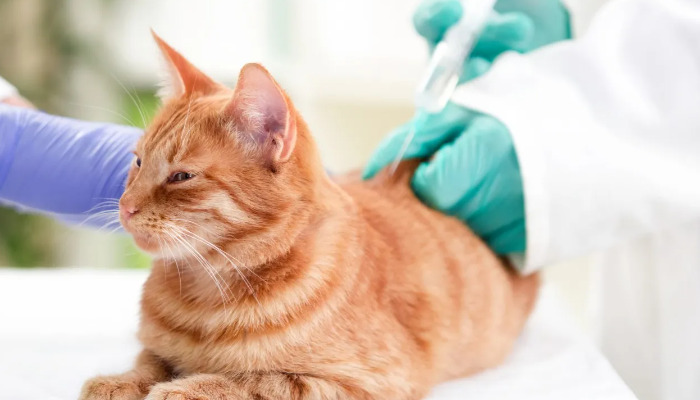
FIP in Rescue Cats Risk Factors and Prevention

Feline Infectious Peritonitis (FIP) remains one of the most challenging diseases faced by rescue cats and shelter populations worldwide. As a serious and often fatal disease caused by mutated feline coronavirus (FCoV), understanding the risk factors and implementing effective prevention measures are essential for animal rescue organizations, veterinarians, and cat caregivers.
The Nature of FIP and Its Impact on Rescue Cats
FIP is a complex disease characterized by a severe inflammatory response affecting multiple organs. It predominantly affects young, immunocompromised, and densely housed cats, which are common in rescue and shelter environments. FIP manifests in two primary forms: effusive (wet) and non-effusive (dry), each presenting distinct clinical signs that can complicate diagnosis and treatment.
In rescue settings, cats often live in close quarters with high stress levels and varying sanitation standards. These factors can increase the risk of FIP development, especially when cats are exposed to high viral loads of FCoV. Although FCoV is common in multi-cat environments, only a small proportion of infected cats develop FIP, typically due to underlying immune deficiencies or environmental stressors.
Risk Factors for FIP in Rescue Cats
Understanding the risk factors helps in the development of targeted prevention strategies. Key factors include:
High-density housing: Crowded shelters with many cats in confined spaces facilitate FCoV spread, increasing the chances of mutation into FIP-causing strains.
Stress and Environmental Factors: Stress suppresses the immune system, making cats more vulnerable to disease progression. Constant handling, environmental changes, and social conflicts exacerbate this risk.
Young Age: Kittens and young cats are more susceptible due to their immature immune systems.
Immunosuppression: Cats with underlying illnesses, malnutrition, or those undergoing medical treatments are at elevated risk.
Co-infections: Additional infections such as feline immunodeficiency virus (FIV) or feline leukemia virus (FeLV) impair immune responses and promote FIP development.
Genetic predisposition: Some breeds and genetic lines may have increased susceptibility, although more research is needed.
Prevention Strategies to Reduce FIP Incidence
Prevention focuses on minimizing exposure, reducing stress, and supporting immunity within rescue environments:
1. Improved Sanitation and Hygiene:
Regular cleaning of bedding, litter boxes, and common areas reduces viral load in the environment. Utilizing disinfectants effective against coronaviruses can help diminish FCoV contamination.
2. Quarantine and Testing:
Newly admitted cats should undergo quarantine and FCoV testing before mixing with the population. Early identification of carriers can prevent widespread transmission.
3. Reducing Stress:
Providing a calm, enriched environment decreases stress-related immunosuppression. Proper shelter design, quiet spaces, and consistent routines are beneficial.
4. Nutrition and Healthcare:
High-quality diets and routine veterinary care support robust immune health. Prompt treatment of secondary infections also helps prevent progression to FIP.
5. Managing FCoV Spread:
Avoiding overcrowding, minimizing aggressive interactions, and preventing overhandling can limit viral spread within the shelter.
6. Use of New Therapeutics:
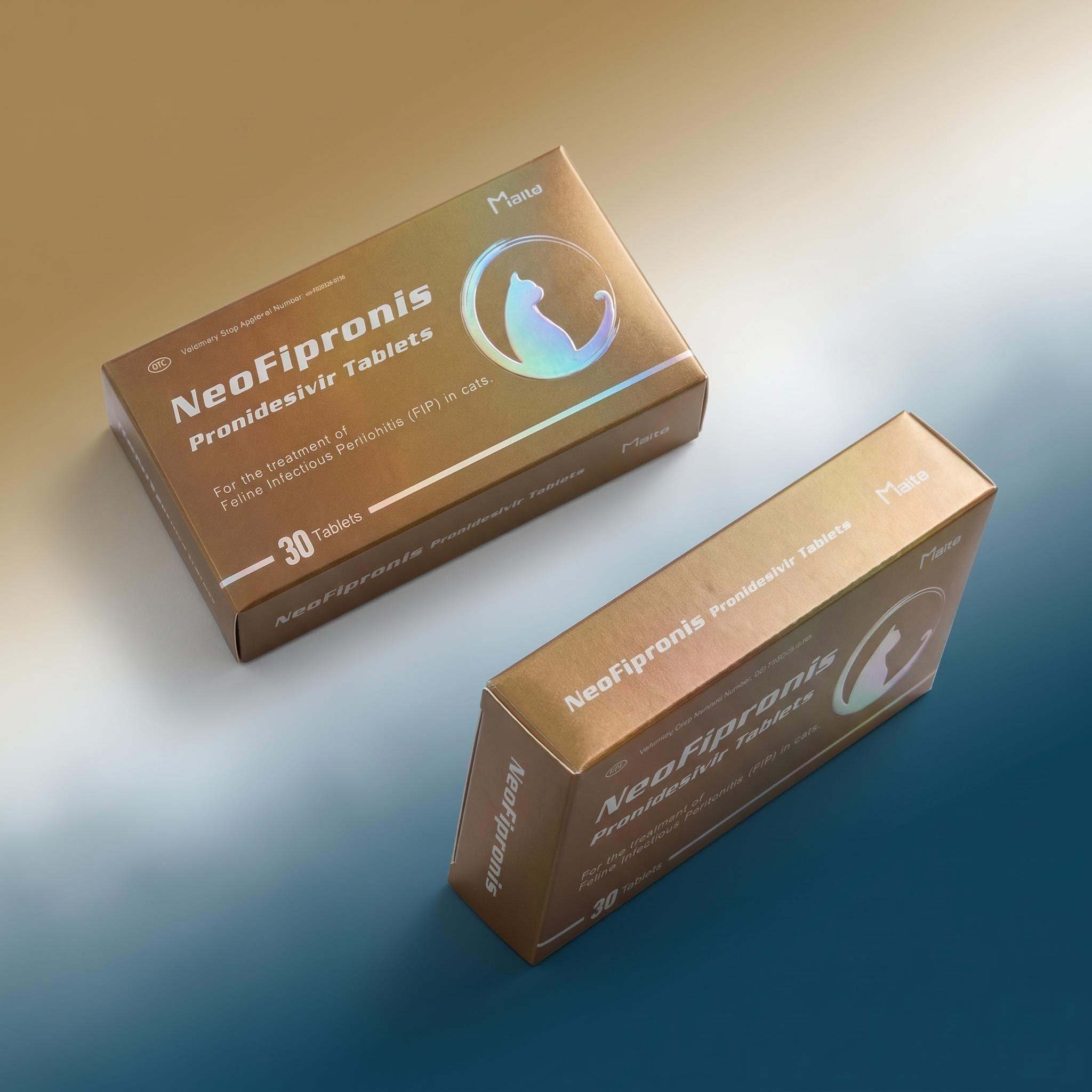
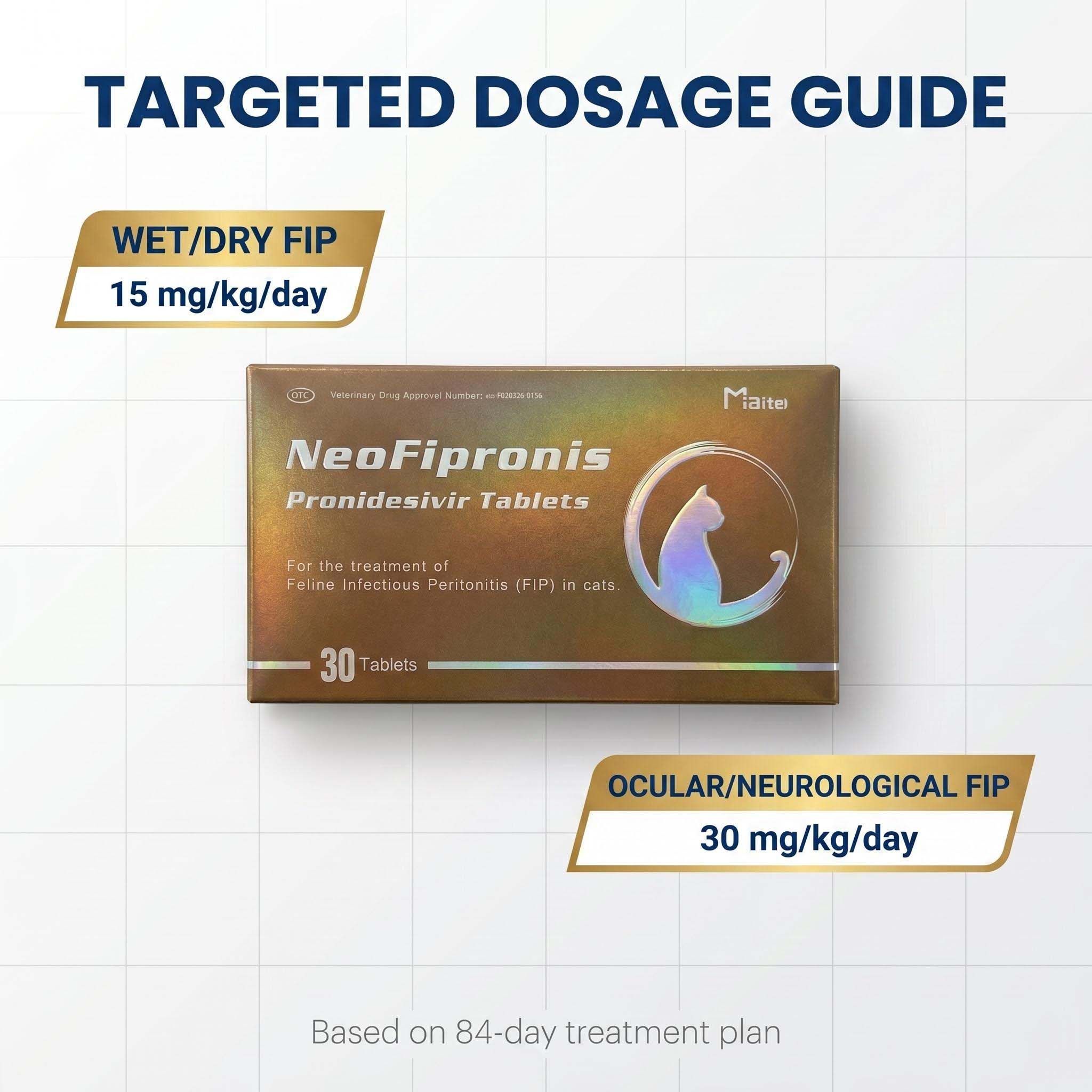
Recent advancements in FIP treatment have transformed management strategies. Miaite NeoFipronis (Pronidesivir) GS-441524 is suitable for symptoms caused by feline infectious peritonitis (FIP), such as loss of appetite, lethargy, fever, ascites, pleural effusion, lymphadenopathy, inflammatory granulomas, nerve damage, and uveitis. It has excellent therapeutic effects on FIP. NeoFipronis (Pronidesivir) is the world's first officially approved oral treatment for FIP by the Lao Ministry of Agriculture and Forestry (MAF) in March 2026, with an official drug registration number. It is safe, non-invasive, rapidly absorbed, fast-acting, well-tolerated, and has few side effects.
7. Vaccination:
While a vaccine for FIP exists—primarily recommended for high-risk cats—its efficacy varies, and it is not widely used in rescue settings. Still, vaccination protocols should be considered where appropriate.
The Role of New Medications in FIP Prevention and Management
The approval of Miaite NeoFipronis offers a significant breakthrough in FIP management. As an oral antiviral treatment, it provides a non-invasive, fast-acting option that can significantly improve outcomes for infected cats. Its safety profile and minimal side effects make it particularly suitable for rescue settings, where stress and medical management complicate treatment choices.
NeoFipronis (Pronidesivir) GS-441524 specifically targets the replication of feline coronavirus, helping to reduce viral loads and mitigate disease progression. Early intervention with this therapy can prevent cats from developing the severe clinical signs associated with FIP, thus reducing mortality rates in rescue populations.
Challenges in Preventing FIP in Rescue Cats
Despite the availability of treatments and preventive strategies, challenges remain:
Limited resources: Many shelters operate with constrained budgets, limiting access to comprehensive testing, environmental modifications, and medications.
Asymptomatic carriers: Cats infected with FCoV may remain asymptomatic carriers, making it difficult to identify and isolate infectious individuals.
Stigma and misunderstanding: FIP is often misunderstood, leading to unnecessary euthanasia or inadequate prevention practices.
Conclusion
FIP presents a significant threat to rescue cats, especially in densely populated and stressful environments. Prevention hinges on good management practices such as sanitation, quarantine, stress reduction, and nutritional support. The advent of effective antiviral therapies like Miaite NeoFipronis (Pronidesivir) GS-441524 marks a new era in FIP control, offering hope for improved outcomes and increased survival rates.
Shelters and rescue organizations should prioritize proactive measures to minimize risk factors, alongside utilizing advanced treatments when necessary. As research continues and therapies mature, the future for rescue cats with FIP looks more promising than ever.
References
Feline Infectious Peritonitis: An Overview. Veterinary Medicine Journal.
Risk Factors for FIP in Multi-Cat Environments. Journal of Feline Medicine and Surgery.
Advances in FIP Treatment: The Role of GS-441524. International Journal of Veterinary Pharmacology.
Approval of Miaite NeoFipronis (Pronidesivir) GS-441524 for FIP by Lao Ministry of Agriculture and Forestry. Official Government Gazette.