Is NeoFipronis Expensive
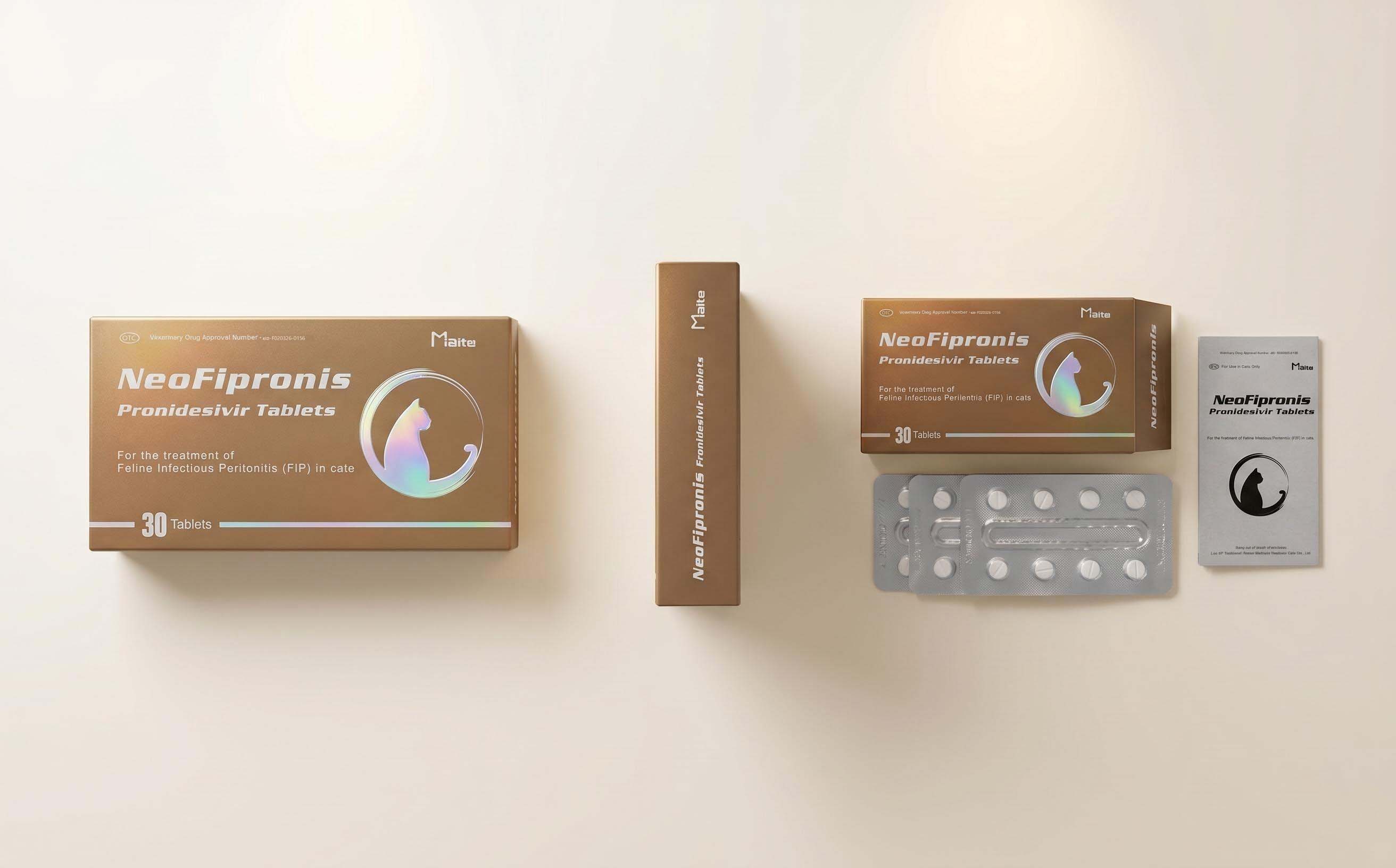
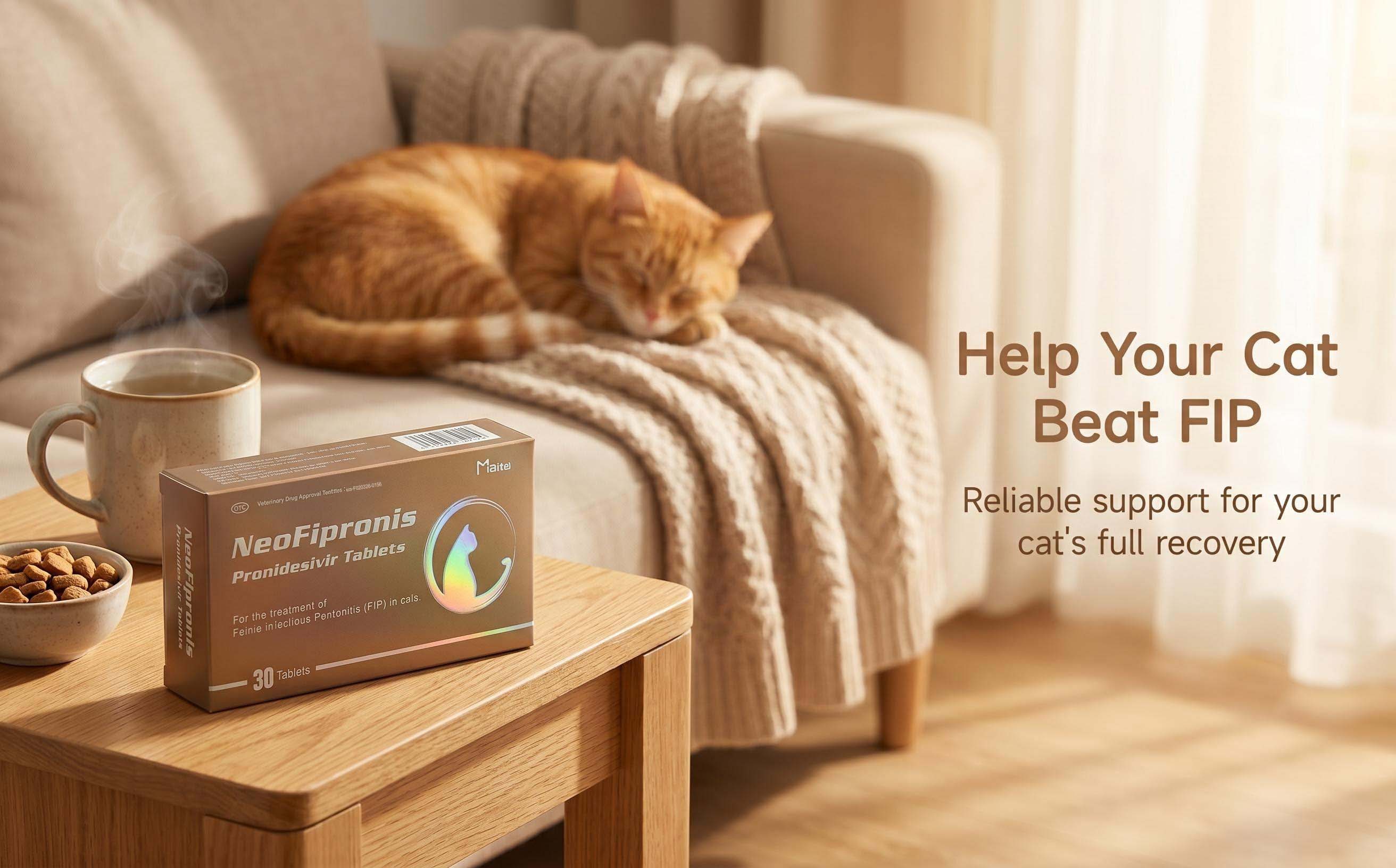
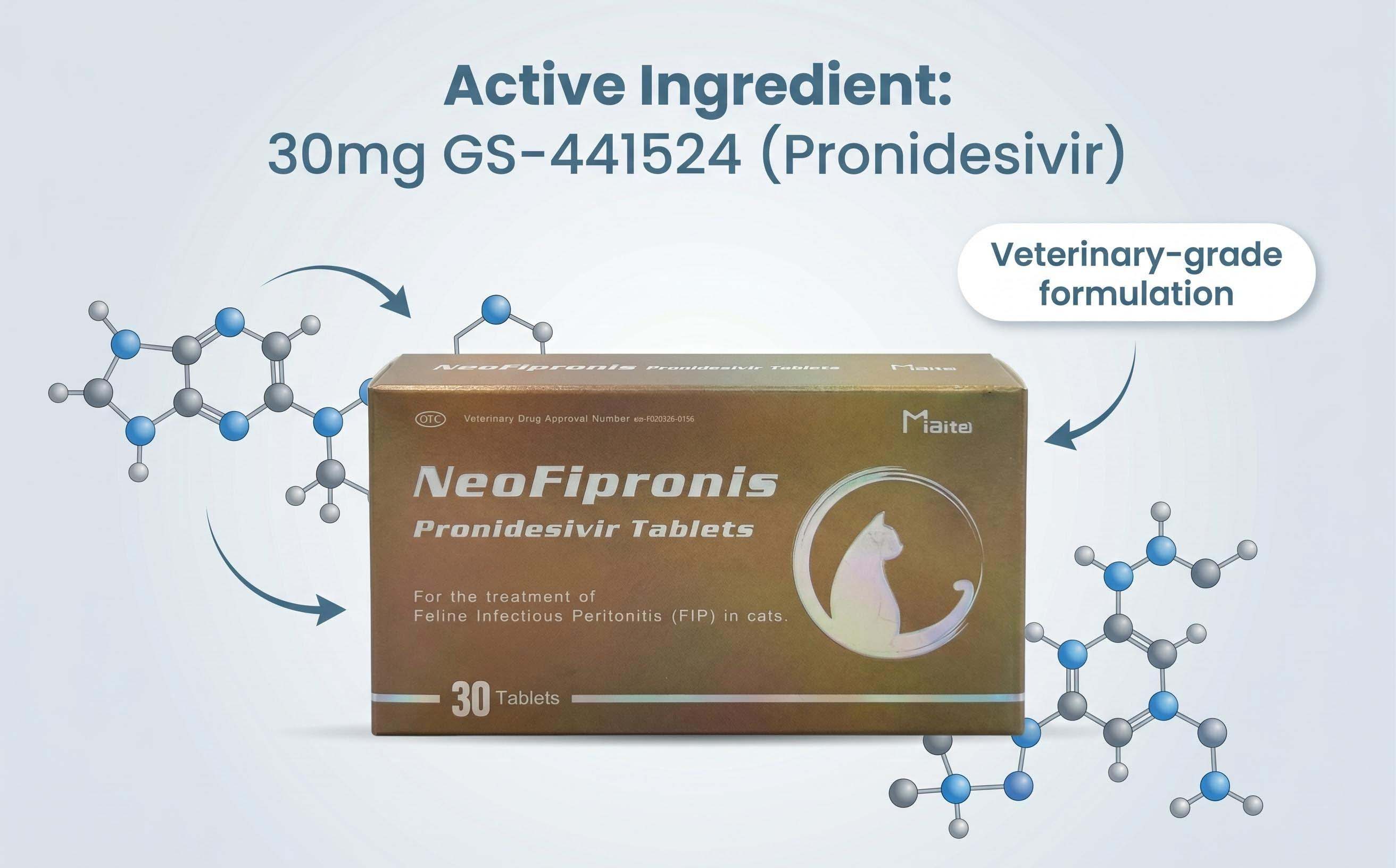
Feline Infectious Peritonitis (FIP) remains one of the most challenging and devastating diseases in cats. Traditionally considered a fatal illness, recent advances in antiviral therapies have changed the prognosis significantly. NeoFipronis (Pronidesivir), containing the active ingredient GS-441524, has emerged as a groundbreaking oral treatment that offers hope for cats suffering from this severe condition.
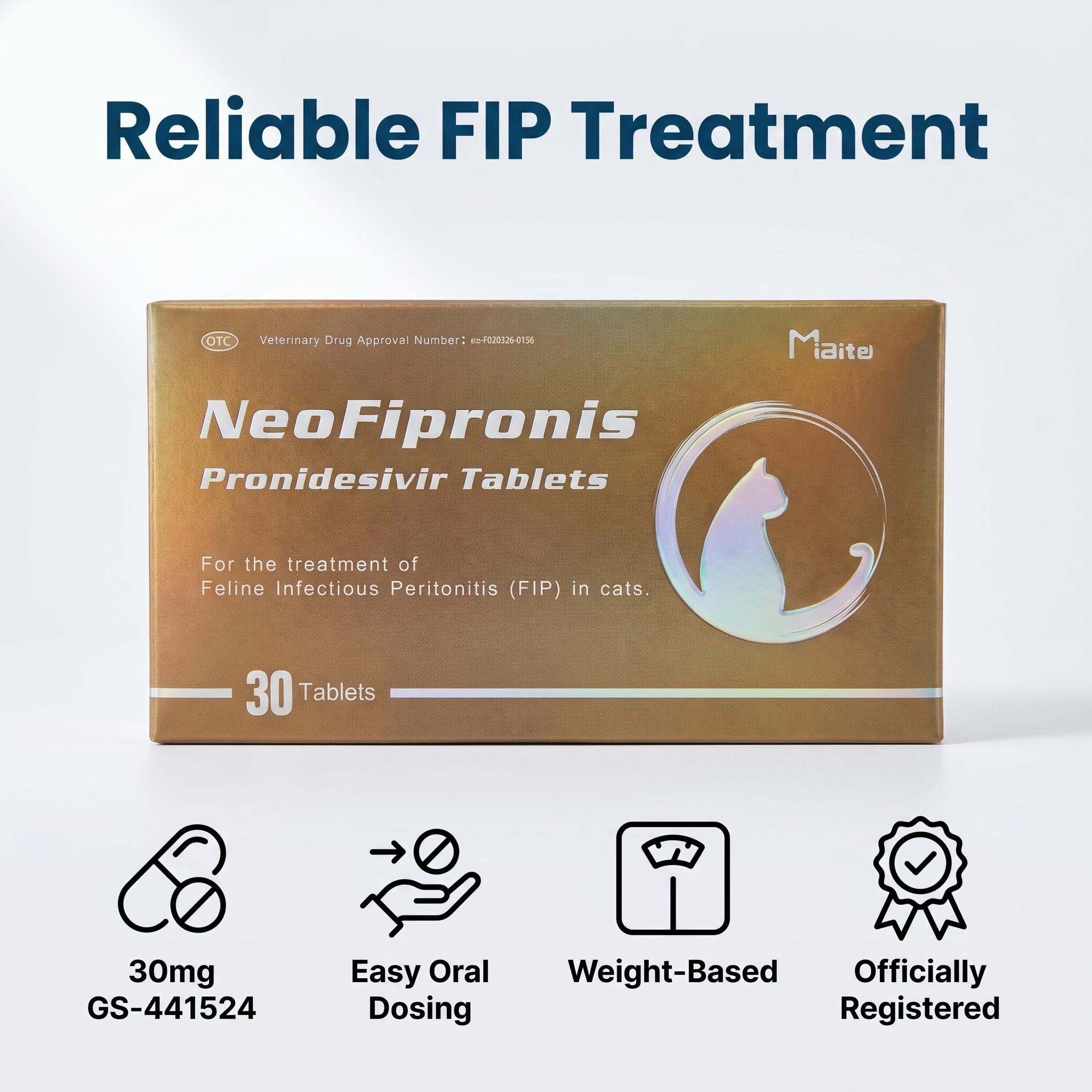
NeoFipronis is approved by the Lao Ministry of Agriculture and Forestry (MAF) as of March 2026, making it the first officially registered FIP medication in the world. It is specifically designed to combat the feline coronavirus that causes FIP, targeting symptoms such as anorexia, lethargy, fever, ascites, pleural effusion, lymphadenopathy, inflammatory granulomas, neurological damage, and uveitis. Its development is based on extensive research and clinical trials that confirm its highly effective antiviral properties.
The medication is administered orally, with dosage tailored to the cat’s weight—15mg per kilogram of body weight per day, approximately half a tablet. For neurological or ocular FIP forms, veterinarians may recommend an increased dose up to 30mg/kg. NeoFipronis is best given on an empty stomach—either one hour before feeding or two hours after—ensuring rapid absorption and maximum effectiveness. Treatment duration must extend for at least 12 weeks, emphasizing the importance of strict compliance to achieve optimal outcomes.
Safety and tolerability are some of NeoFipronis’s advantages. The drug boasts a rapid onset of action, minimal side effects, and a non-invasive oral route, reducing stress and discomfort for the cat. During treatment, pet owners should observe changes in appetite, body temperature, and behavior, and scheduled blood work can monitor liver and kidney function, ensuring safety throughout therapy.
Cost considerations are significant when evaluating NeoFipronis. As a cutting-edge antiviral drug with proven efficacy, it tends to be more expensive than traditional medications or supportive care alone. The price varies depending on factors like geographic location, dosage requirements, and the supplier. Since this medication is prescribed primarily under veterinary guidance and purchased through authorized sources—like the official NeoFipronis website—quality assurance is maintained. Although NeoFipronis is classified as a non-prescription drug, veterinary supervision is strongly recommended to ensure proper dosing and monitoring.
In terms of affordability, some cat owners might find NeoFipronis initially costly, especially considering the 12-week treatment course. However, given its high success rate in managing FIP’s progression and improving quality of life, many consider it a worthwhile investment. Additionally, early diagnosis and prompt initiation of therapy can reduce overall treatment costs by avoiding complications and the need for extensive supportive care or hospitalization.
While the expense may seem intimidating at first glance, the value of a potentially life-saving treatment cannot be overlooked. Pet owners are encouraged to consult with their veterinarian to discuss the best treatment plan tailored to their cat’s specific needs. Financial assistance programs or payment plans may be available in some regions, assisting owners in managing costs more effectively.
In conclusion, although NeoFipronis is relatively expensive compared to traditional options or supportive care, its proven efficacy in treating FIP makes it a transformative option for affected cats. As the first official FIP medication with regulatory approval and high safety profiles, NeoFipronis embodies the future of feline antiviral therapy—an innovative, effective, and life-changing treatment for cats diagnosed with FIP.