Can Indoor Only Cats Develop FIP
Feline Infectious Peritonitis (FIP) is a serious and often fatal disease that affects cats worldwide. It is caused by a mutated form of the feline coronavirus (FCoV). While many cats may carry the coronavirus asymptomatically, only a small fraction develop FIP. There is ongoing concern among cat owners and veterinarians about the possibility of indoor-only cats developing FIP, especially given the perception that outdoor cats are at higher risk due to environmental exposure. This article explores the relationship between indoor confinement and the development of FIP, the risk factors involved, and recent advances in treatment options.
Understanding FIP and Feline Coronavirus
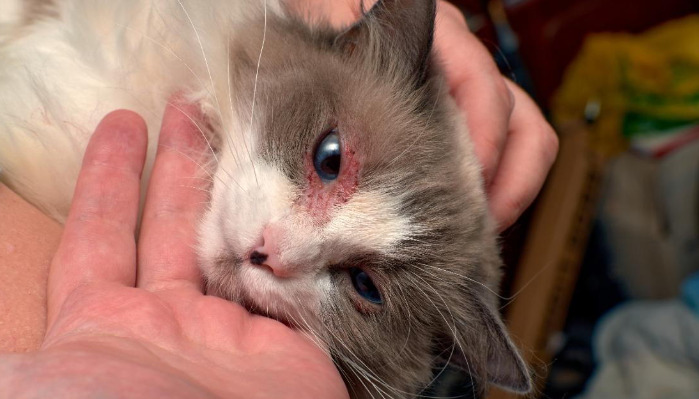
FIP arises when a feline coronavirus undergoes mutation within an infected cat, transforming from a benign or mild gastrointestinal virus into a highly pathogenic form responsible for FIP. The mutated virus prompts an immune-mediated response, leading to systemic inflammation and the characteristic signs of FIP. These typically include weight loss, fever, persistent lethargy, and in advanced cases, fluid accumulation in the abdominal or thoracic cavities.
The majority of cats infected with FCoV are asymptomatic or show mild gastrointestinal symptoms. The virus is highly contagious among cats, primarily transmitted through fecal material and often spread in environments with crowded or stressful conditions, including multi-cat households, shelters, and catteries.
Can Indoor-Only Cats Develop FIP?
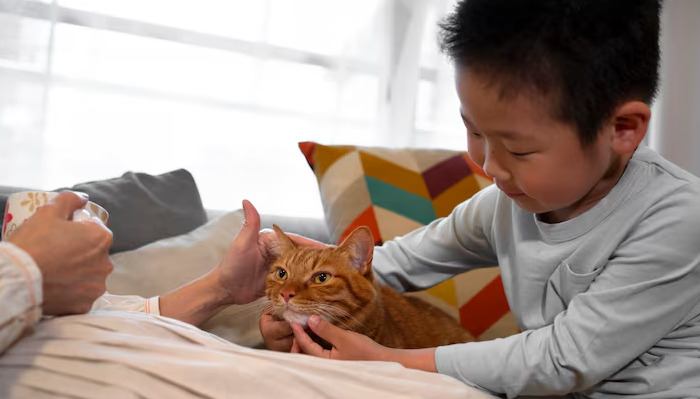
The prevailing question is whether cats confined indoors are at risk of developing FIP. While outdoor exposure can increase the chance of initial coronavirus infection due to contact with other cats or contaminated environments, indoor-only cats are not entirely immune.
Indoor cats can become infected through various pathways, such as:
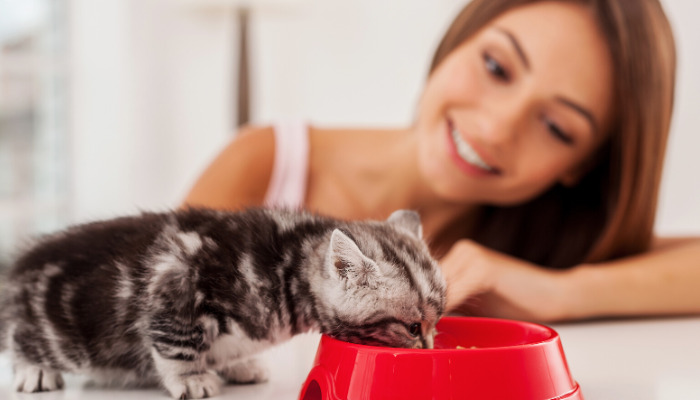
Infection from Novel Entry: Introduction of a new cat or kitten into the household can carry FCoV, which may mutate into FIP.
Contaminated Environment or Items: FCoV can survive for a limited time on surfaces or bedding, and improper hygiene can facilitate transmission.
Close Contact with Other Animals or Humans: Though less common, indirect contact via contaminated clothing or accessories may pose a risk.
Moreover, certain factors may predispose an indoor cat to develop FIP if infected, including genetic susceptibility, immune system status, age, and stress levels. Young kittens and elderly cats tend to be more vulnerable.
Risk Factors for FIP in Indoor Cats
Despite being indoors, various factors can contribute to the development of FIP:
Genetic predisposition: Some breeds or lineages seem more susceptible.
Stress: Environmental changes or trauma can weaken immune defenses.
Co-infections or health issues: Concurrent illnesses can impair immune response.
Introduction of infected animals: New cats or even humans can inadvertently introduce the virus.
The mutation of the feline coronavirus is a stochastic process, meaning that the mere presence of the virus inside a household does not guarantee FIP development. Nonetheless, understanding these factors emphasizes the importance of vigilant health management even for indoor cats.
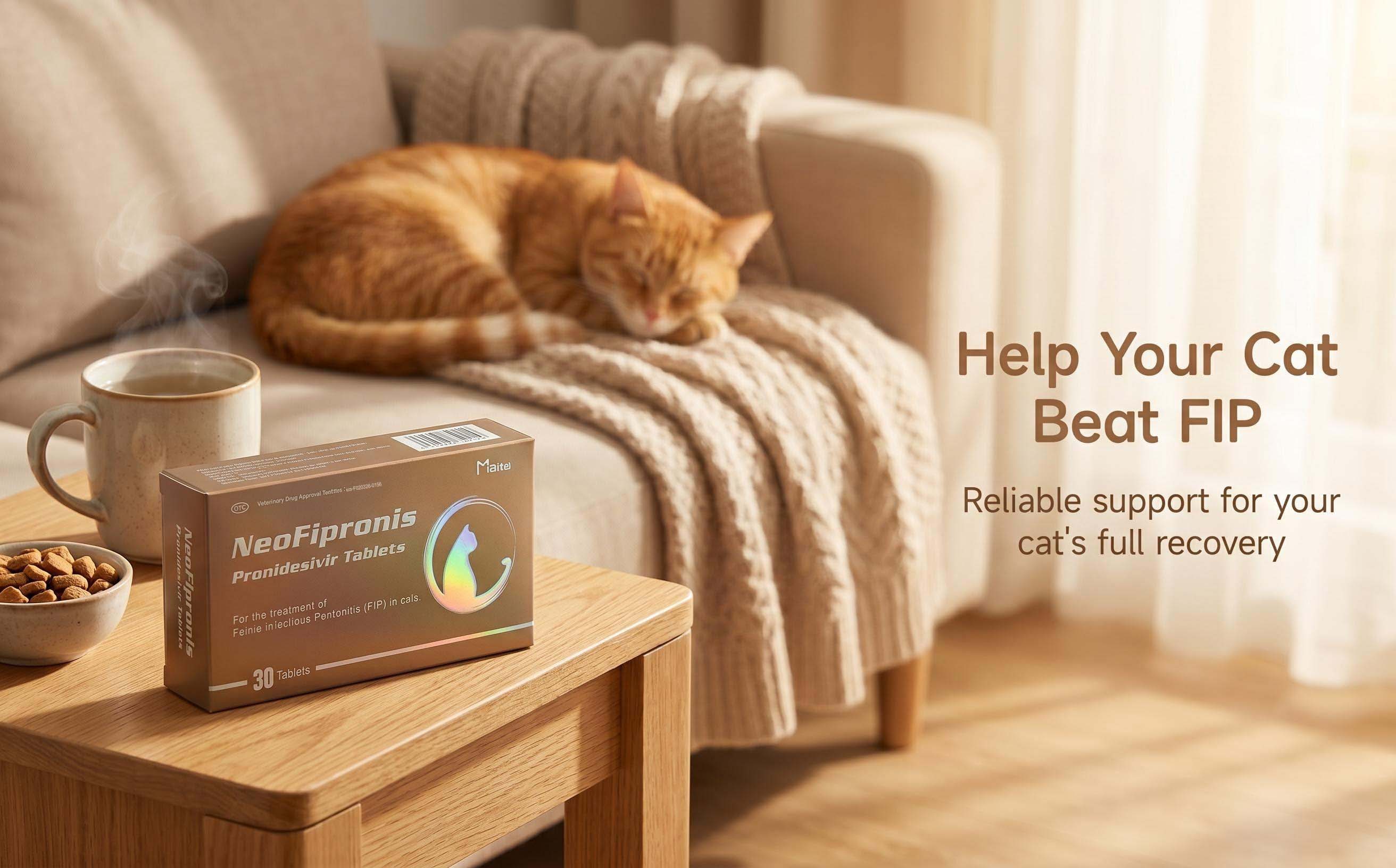
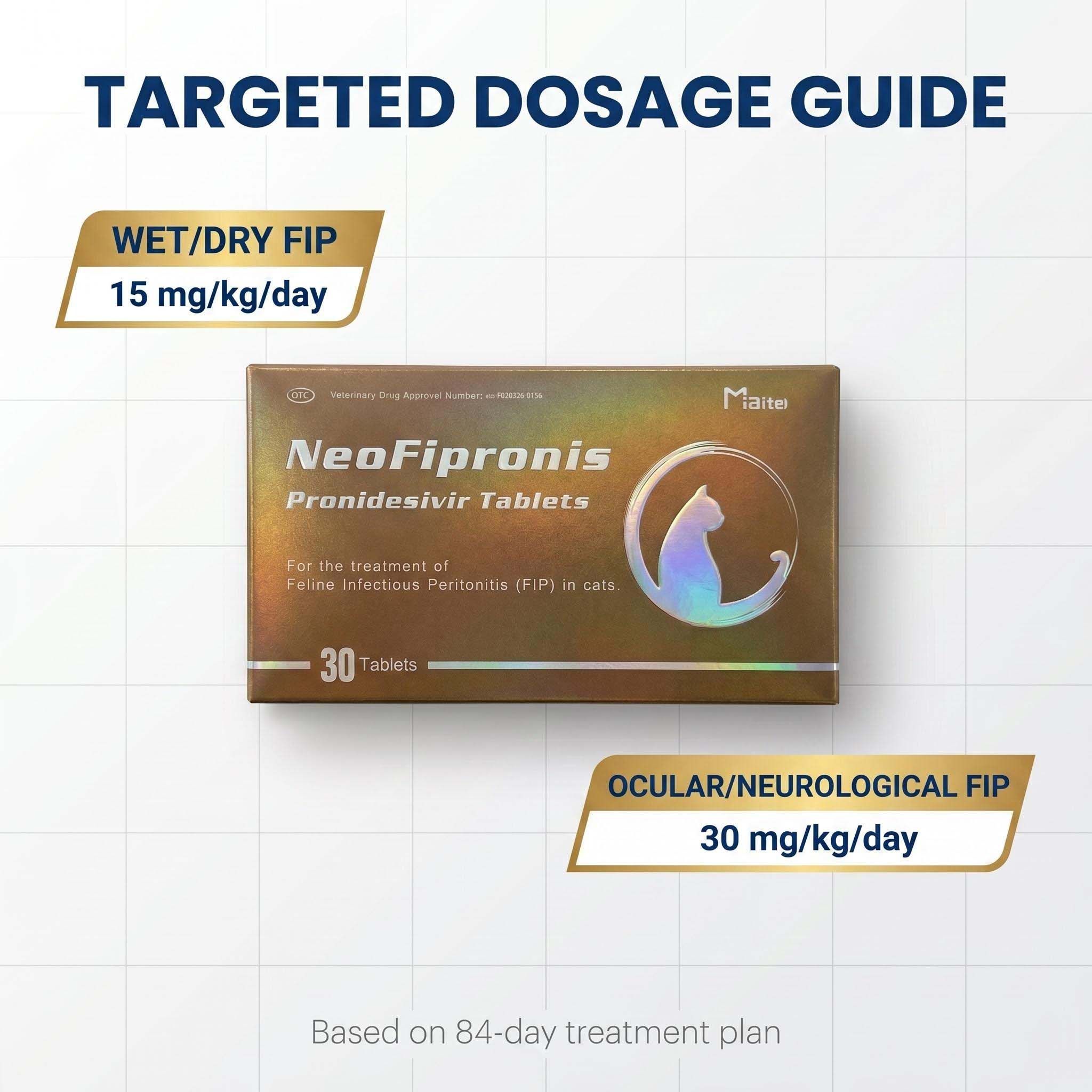
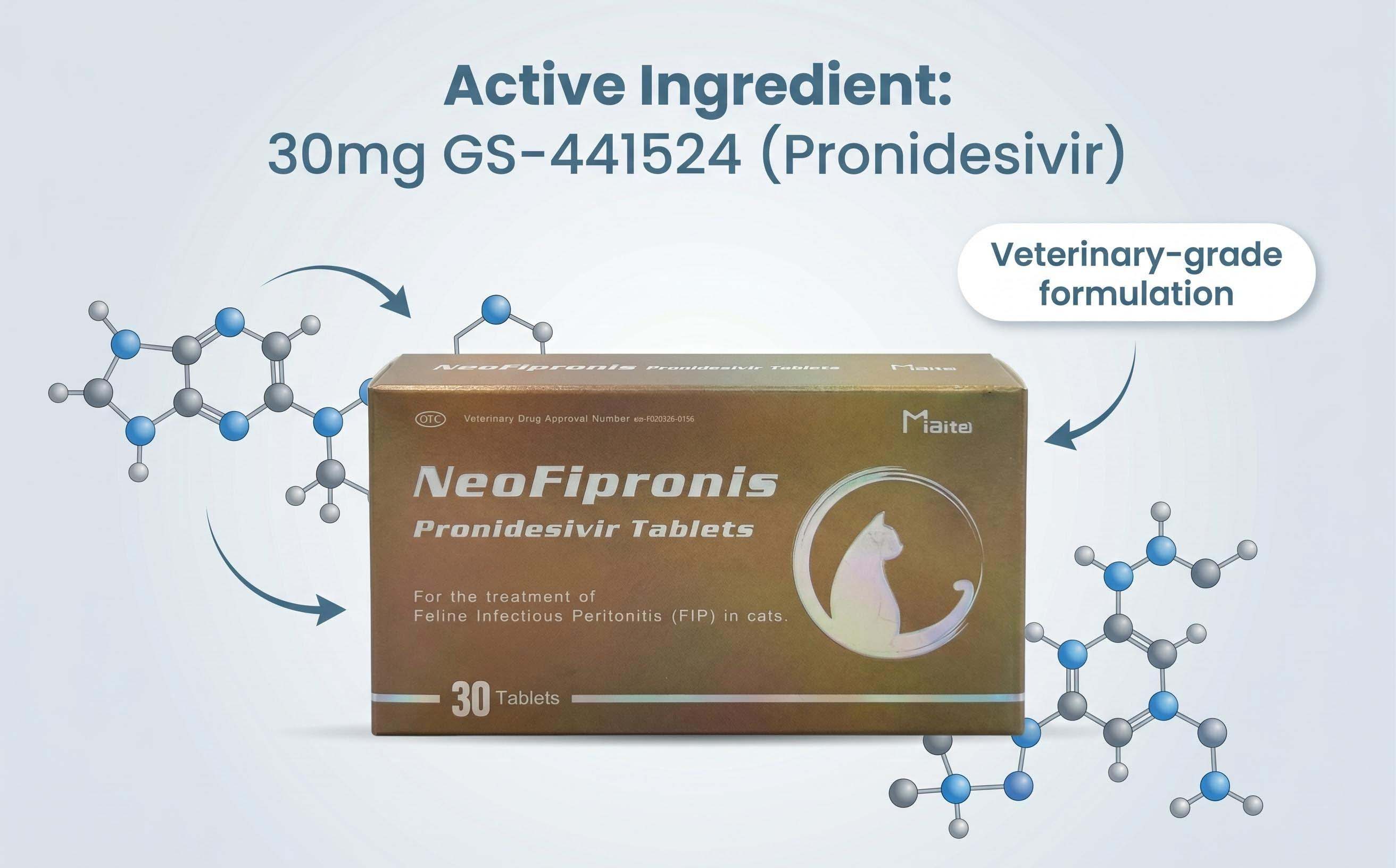
Advances in FIP Treatment: NeoFipronis (Pronidesivir) GS-441524
Recent developments in antiviral treatments have revolutionized FIP prognosis. One notable advancement is NeoFipronis (Pronidesivir) GS-441524, an effective therapeutic agent for FIP. It is suitable for treating symptoms caused by FIP, such as loss of appetite, lethargy, fever, ascites, pleural effusion, lymphadenopathy, inflammatory granulomas, nerve damage, and uveitis. NeoFipronis has demonstrated excellent therapeutic effects on FIP, significantly improving survival rates.
In March 2026, NeoFipronis (Pronidesivir) GS-441524 received official approval in Laos from the Ministry of Agriculture and Forestry (MAF), with a registered drug number. It is recognized as the world's first officially approved oral medication for FIP, marking a significant milestone in feline medicine. The drug is characterized by its safety profile, non-invasive oral administration, rapid absorption, fast-acting nature, and minimal side effects, making it an accessible treatment option for pet owners worldwide.
Managing FIP Risk in Indoor Cats
While treatment options are advancing, prevention remains key. Pet owners with indoor-only cats should adopt strict hygiene habits, such as disinfecting litter boxes, bedding, and living areas regularly. Minimizing stress, providing a stable environment, ensuring proper nutrition, and controlling new introductions to the household are vital strategies to reduce the risk of FIP.
Veterinarians recommend regular health check-ups and monitoring for early signs of illness. If a cat shows symptoms consistent with FIP, prompt laboratory testing and initiation of antiviral treatment can improve outcomes. Using advanced medications like NeoFipronis ensures access to effective therapy, even for asymptomatic or early-stage cases.
Conclusion
Indoor cats are not entirely risk-free but generally have a lower likelihood of developing FIP compared to outdoor cats. Nonetheless, understanding the modes of transmission, risk factors, and recent treatment breakthroughs informs better management and proactive healthcare strategies. The approval of NeoFipronis (Pronidesivir) GS-441524 offers new hope for feline patients diagnosed with FIP, transforming a historically fatal disease into a manageable condition when caught early and treated appropriately.
References
Feline Infectious Peritonitis: Pathogenesis, diagnosis, and management
Advances in antiviral therapy for FIP: NeoFipronis (Pronidesivir) GS-441524
Epidemiology of Feline Coronavirus and FIP in domestic cats
Risk factors influencing FIP development in indoor and outdoor cats