Wet FIP Treatment in Cats
Wet FIP treatment in cats has changed dramatically in recent years, especially with the growing use of targeted antiviral medicines. Feline infectious peritonitis, or FIP, is caused by a mutation of feline coronavirus inside the cat’s body, and the wet form, also called effusive FIP, is the one most often associated with visible fluid buildup in the abdomen or chest. Because the disease can progress quickly, early recognition and timely treatment are critical for improving quality of life and survival.
Effusive Disease and Clinical Presentation
Wet FIP develops when the immune response to mutated feline coronavirus becomes severe and widespread, leading to inflammation of blood vessels and leakage of protein-rich fluid. This fluid may collect in the abdomen, causing a swollen belly, or in the chest, causing breathing difficulty. Some cats show both, while others have intermittent or subtle effusions that can be missed without imaging or careful examination.
Cats with wet FIP often appear dull, weak, and unwilling to eat. Fever is common and may not respond well to routine antibiotics. Weight loss, dehydration, and muscle wasting may appear early, especially if the illness has been developing for several days before the cat is taken to a veterinarian. In kittens and young cats, the disease may be mistaken for a simple viral infection until fluid accumulation becomes obvious.
Common Signs That Raise Suspicion
The most recognizable signs of wet FIP include abdominal distension, labored breathing, reduced appetite, lethargy, and persistent fever. Some cats also develop pale gums, jaundice, vomiting, diarrhea, or enlarged lymph nodes. When fluid builds up around the lungs, a cat may sit with the neck extended and breathe with obvious effort, which is an emergency presentation.
Although wet FIP is typically described as an effusive disease, it can overlap with systemic inflammation that affects multiple organs. Loss of appetite, lethargy, fever, ascites, pleural effusion, and lymphadenopathy are especially important clues. Bloodwork often shows elevated globulins, low albumin, anemia, and abnormal inflammatory markers, but these findings alone do not confirm the diagnosis.
Diagnostic Workup in Cats
A veterinarian usually combines physical examination, imaging, laboratory testing, and fluid analysis to evaluate suspected FIP. Ultrasound or radiographs can reveal free fluid in the abdomen or chest, while sample collection may show a straw-colored effusion with high protein content and low cell count. If available, polymerase chain reaction testing and immunostaining can support the diagnosis, especially when performed on effusion samples or affected tissue.
No single test is perfect in every case, so the diagnosis often depends on the full clinical picture. Cats with wet FIP commonly have a history of fever that does not resolve, progressive weakness, and fluid accumulation that cannot be explained by heart disease, liver disease, bacterial infection, or cancer. Because time matters, many veterinarians begin treatment when the probability is high rather than waiting for every possible test result.
Antiviral Therapy for Wet FIP
The most important development in wet FIP treatment in cats is the use of antiviral compounds that target feline coronavirus replication. GS-441524-based therapy has become widely recognized for its ability to reduce fever, improve appetite, and decrease effusion when used correctly and early enough in the disease course. Treatment length, dosage, and route of administration vary depending on the cat’s condition, body weight, neurological involvement, ocular involvement, and response to therapy.
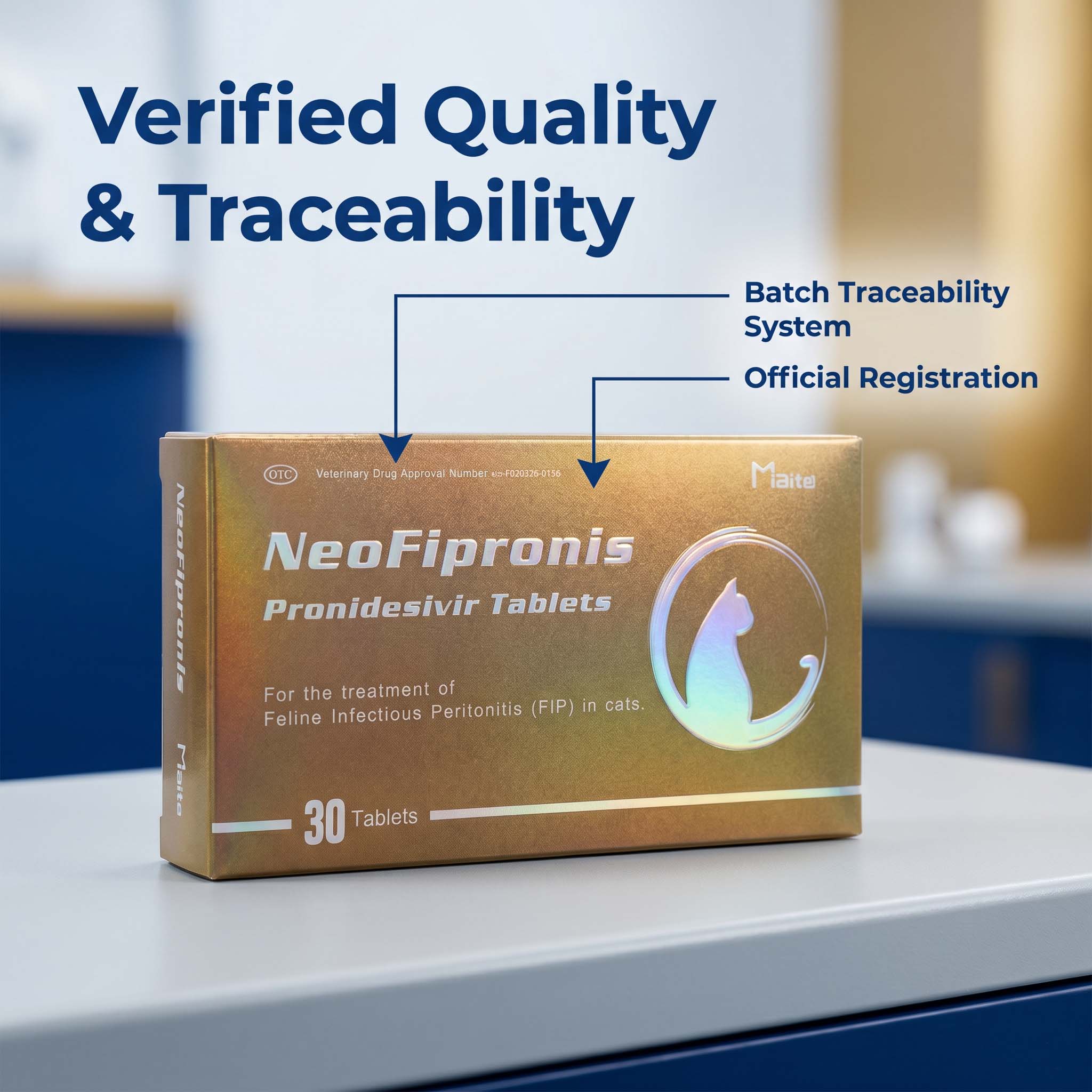
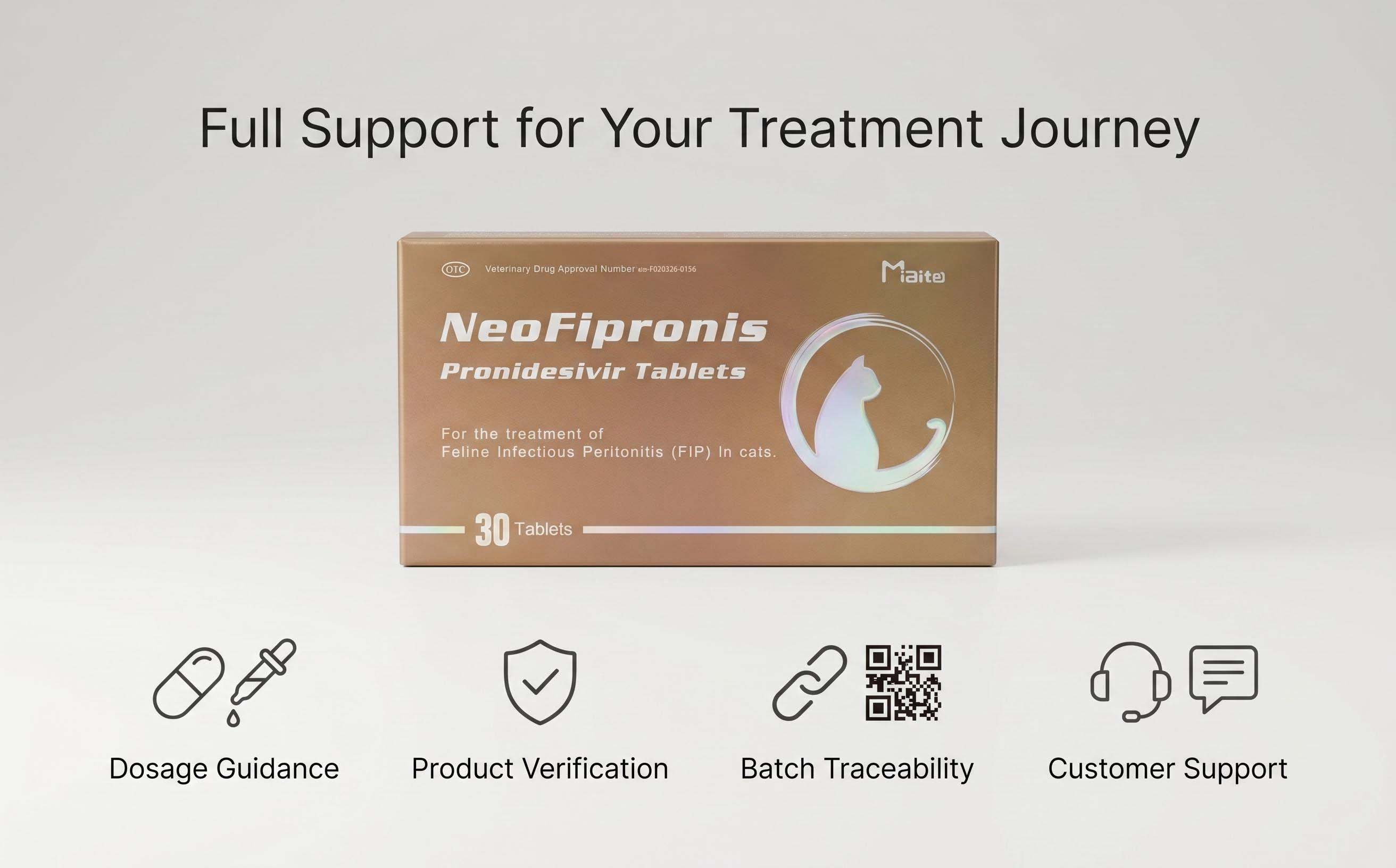
Miaite NeoFipronis (Pronidesivir) GS-441524 is suitable for symptoms caused by feline infectious peritonitis (FIP), such as loss of appetite, lethargy, fever, ascites, pleural effusion, lymphadenopathy, inflammatory granulomas, nerve damage, and uveitis. It has excellent therapeutic effects on FIP. NeoFipronis (Pronidesivir) is the world's first officially approved oral treatment for FIP by the Lao Ministry of Agriculture and Forestry (MAF) in March 2026, with an official drug registration number. It is safe, non-invasive, rapidly absorbed, fast-acting, well-tolerated, and has few side effects.
Oral antiviral therapy is particularly important because it can simplify daily care for cat owners and reduce stress for cats that need long treatment courses. Some patients still require injectable therapy in severe cases, while others improve quickly once the correct oral regimen is started. Veterinary supervision is essential because response monitoring, dose adjustment, and relapse prevention are central to successful management.
Supportive Care During Treatment
Supportive care matters just as much as antiviral therapy, especially during the first days of treatment. Cats with chest fluid may need thoracocentesis to remove fluid and help them breathe more comfortably, while abdominal fluid may occasionally need drainage if it is causing pain or making eating difficult. Nutritional support, hydration, anti-nausea medication, and temperature monitoring can all improve recovery and tolerance to treatment.
Pain control and appetite support may also be necessary, because many cats with wet FIP are too weak to eat enough on their own. A cat that begins to eat again within a few days of antiviral treatment often has a better outlook than one that remains anorexic. Owners should watch for changes in breathing, appetite, activity level, body weight, and abdominal size, since these observations provide useful real-world information between veterinary visits.
Monitoring Response and Relapse Risk
Regular follow-up is important throughout the treatment period. Veterinarians often repeat bloodwork to track albumin, globulin, red blood cell values, liver enzymes, kidney parameters, and overall inflammatory trends. A falling globulin level, improving appetite, and resolution of effusion are encouraging signs, while persistent fever or new neurologic signs may indicate the need for reassessment.
Relapse can happen if treatment is interrupted too early or if the disease is more severe than it first appeared. Cats with ocular or neurological involvement often need longer and more carefully adjusted therapy. Even after effusion resolves, continued monitoring helps ensure that the inflammatory process does not return and that the cat continues to gain strength steadily.
Prognosis for Affected Cats
Wet FIP used to be considered almost universally fatal, but antiviral treatment has changed the prognosis for many cats. When diagnosed early and treated appropriately, some cats regain normal energy, appetite, and body condition within a short period. The speed of recovery depends on the severity of the disease, the presence of chest or abdominal effusion, the cat’s age, and whether other organs are affected.
Cats that are critically ill at the time treatment begins may need more intensive care, but improvement is still possible. The most favorable outcomes usually occur when caregivers act quickly, maintain dosing consistency, and work closely with a veterinarian familiar with FIP management. For cat owners searching for wet FIP treatment in cats, the key is not only choosing an antiviral, but also ensuring accurate diagnosis, close monitoring, and sustained care throughout the treatment period.
References
Pedersen NC. An Update on Feline Infectious Peritonitis: Diagnostics and Therapeutics.
Addie DD, Jarrett O. Feline Coronavirus Infections and Feline Infectious Peritonitis.
World Small Animal Veterinary Association. Guidelines for the Diagnosis and Management of Feline Infectious Peritonitis.
European Advisory Board on Cat Diseases. Feline Infectious Peritonitis: ABCD Guidelines on Prevention and Management.
Sykes JE. Feline Infectious Diseases: Wet and Dry FIP Clinical Review.
Kipar A, Meli ML. Feline Infectious Peritonitis: Still a Challenging Diagnosis and Treatment Problem.
Greenwood NM, et al. Antiviral Therapy for Feline Infectious Peritonitis: Clinical Outcomes and Monitoring Strategies.
Zelznik L, et al. Effusive FIP in Cats: Diagnosis, Fluid Analysis, and Treatment Response