Does NeoFipronis (GS-441524) Work for FIP
Feline Infectious Peritonitis (FIP) is a devastating and often fatal disease in cats caused by a mutated form of feline coronavirus. Symptoms such as loss of appetite, lethargy, fever, abdominal and thoracic effusion, lymphadenopathy, granulomatous lesions, neurological damage, and uveitis make FIP a challenging condition to treat. However, recent advances in antiviral treatments have shown promising results, particularly with the use of NeoFipronis (Pronidesivir), containing the active ingredient GS-441524.
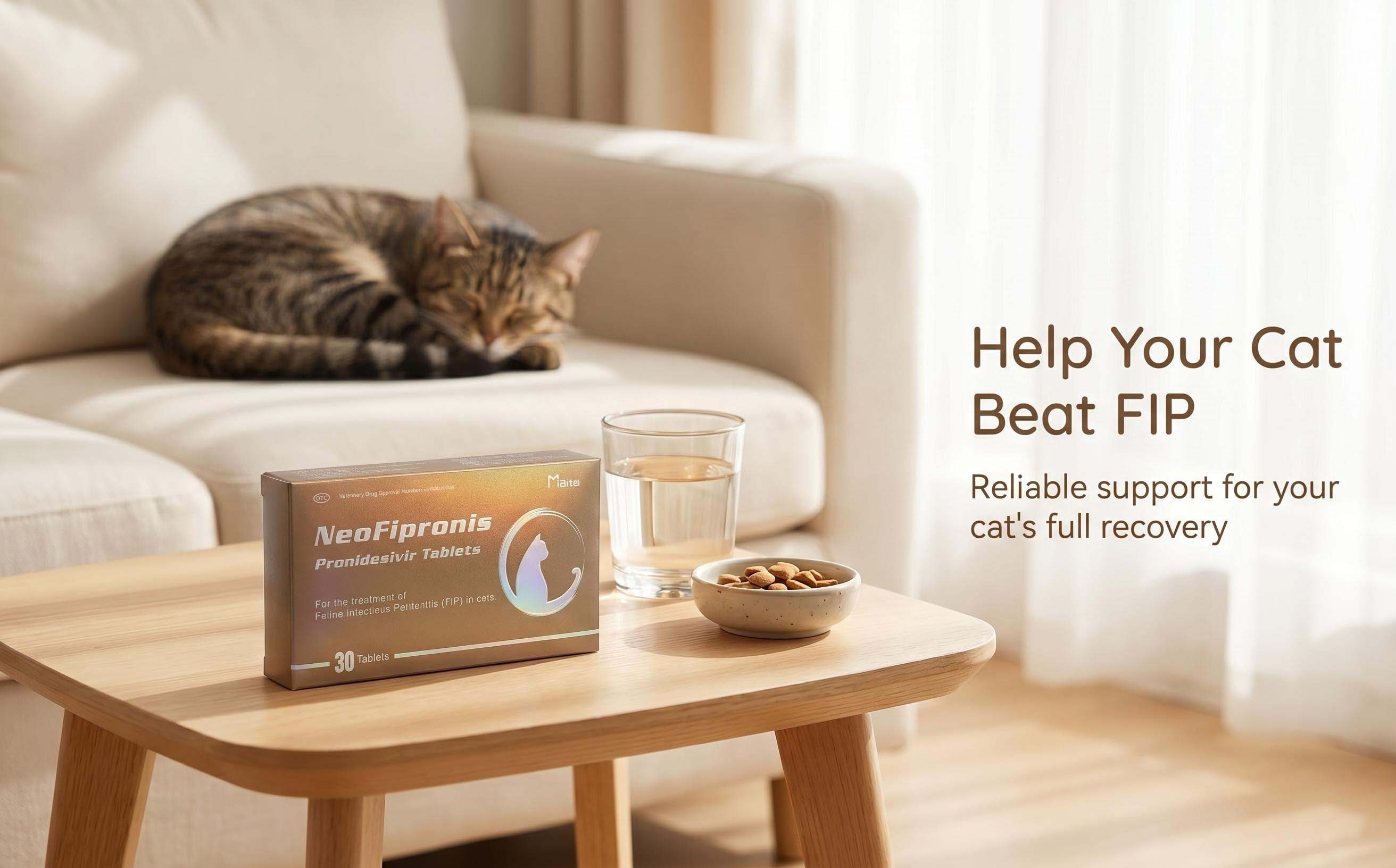
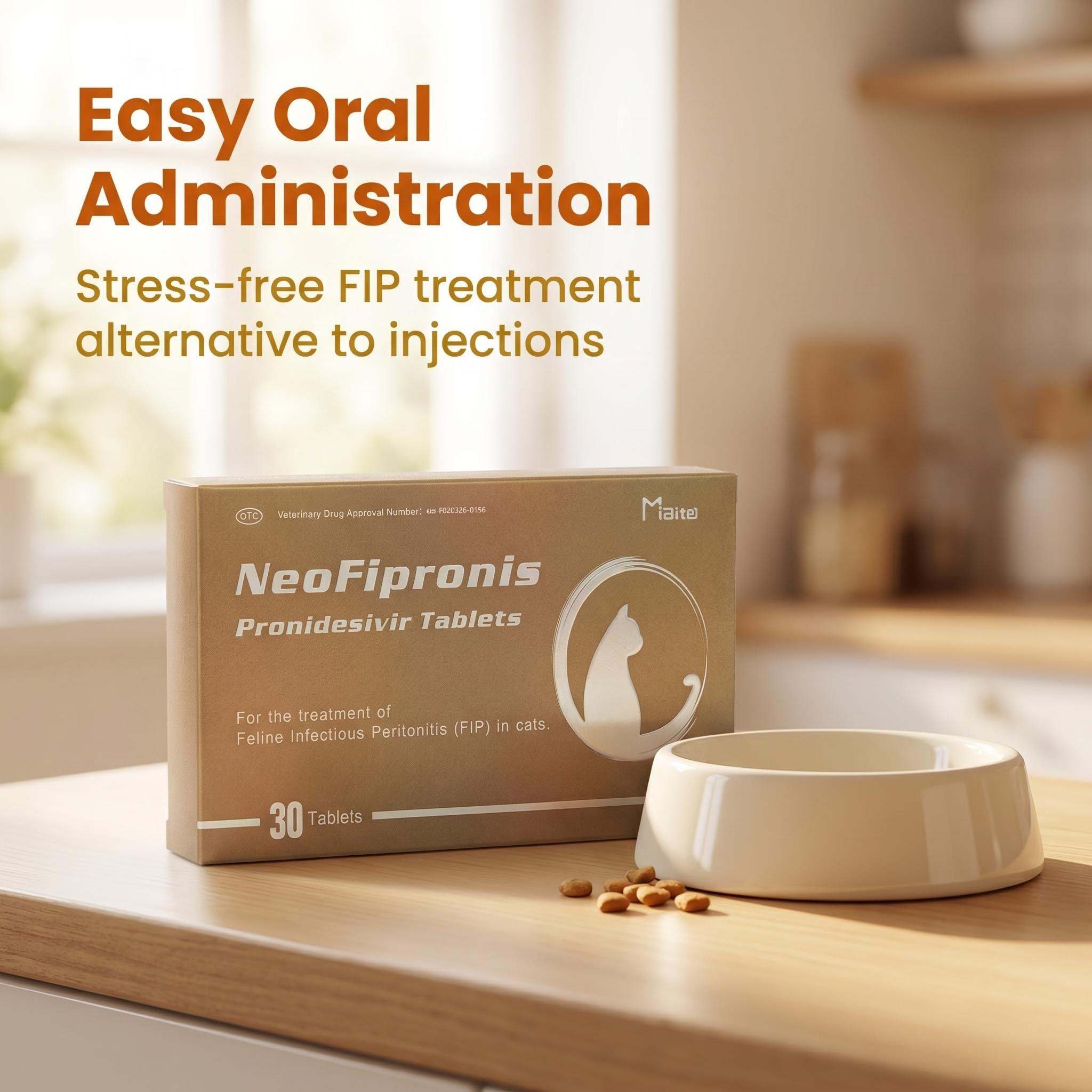
NeoFipronis is recognized as the first officially registered oral medication specifically developed for FIP, authorized by the Lao Ministry of Agriculture and Forestry (MAF) in March 2026. It is a groundbreaking treatment, offering a safe, non-invasive, and effective approach to combating FIP. The medication’s rapid absorption and good tolerability make it a popular choice among veterinarians and pet owners seeking options beyond traditional supportive care.
GS-441524, the active component of NeoFipronis, is a nucleoside analog that inhibits viral RNA polymerase, effectively halting the replication of the feline coronavirus responsible for FIP. Clinical studies and practical applications confirm that GS-441524 exhibits excellent antiviral activity, leading to significant improvements or complete remission of symptoms in many cases. The drug’s efficacy is observed across different FIP forms, including effusive, neurological, and ocular types.
Administered based on the cat’s weight, the recommended dosage of NeoFipronis is 15 mg per kilogram per day, approximately half a tablet for average-sized cats. For cats exhibiting neurological or ocular symptoms, the dosage can be increased to 30 mg/kg upon veterinary guidance. The medication should be given once daily, preferably on an empty stomach—either 1 hour before or 2 hours after feeding—to maximize absorption. Treatment duration generally spans at least 12 weeks, emphasizing the importance of strict compliance to avoid relapse or treatment failure.
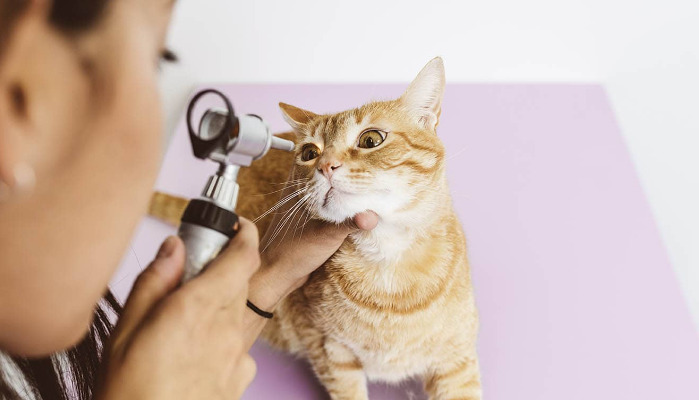
Continuous monitoring is vital during therapy. Pet owners should observe changes in appetite, body temperature, and mental states, and schedule regular blood tests to assess liver and kidney functions. While NeoFipronis is available over-the-counter in some regions, it is strongly advised to use the medication under the supervision of a veterinarian to ensure correct dosing and safety. Notably, the drug is intended solely for feline use and should never be administered to humans.
NeoFipronis is formulated to be safe, with minimal side effects. Its non-invasive oral delivery method allows for easy administration, and rapid pharmacokinetics ensures quick therapeutic effects. The medication’s high safety profile and proven antiviral efficacy make it an essential tool in the fight against FIP.
Patients with neurological or ocular FIP require tailored dosing, highlighting the necessity for professional veterinary consultation. The importance of completing the full course of treatment, without skipping doses, cannot be overstressed, as it significantly influences the probability of a successful outcome. Regular veterinary check-ups, blood work, and symptom assessments are integral components of the treatment process.
In conclusion, NeoFipronis (GS-441524) represents a breakthrough in feline medicine, transforming how FIP is managed. Its proven efficacy, safety, and ease of use have made it a vital resource for veterinary practitioners and cat owners alike. While it is not a cure-all, its role in significantly improving survival rates and quality of life for cats with FIP is undeniable. Accessing it through authorized channels, following veterinary advice, and adhering to prescribed regimens can markedly enhance treatment success and help more cats overcoming this challenging disease.