Emerging Oral Therapies for FIP in Cats
Feline Infectious Peritonitis (FIP) remains one of the most challenging and devastating diseases affecting domestic cats worldwide. Caused by a mutated feline coronavirus (FCoV), FIP results in severe systemic inflammation and can be fatal once clinical signs develop. Traditionally, treatment options have been limited, with many strategies focusing on supportive care rather than curative solutions. However, recent advances in antiviral therapies, particularly oral options, are reshaping the landscape of FIP management, offering hope for affected cats and their owners.
Understanding FIP: Pathogenesis and Clinical Manifestations
FIP develops when the feline coronavirus mutates within an infected cat, gaining the ability to invade macrophages and disseminate systemically. This leads to a complex immune response characterized by vasculitis, granulomatous inflammation, and multi-organ involvement. The disease manifests primarily in two forms: the effusive (wet) form, marked by accumulation of fluid in body cavities such as the abdomen and chest, and the non-effusive (dry) form, characterized by granulomatous lesions in organs like the kidneys, liver, or central nervous system.
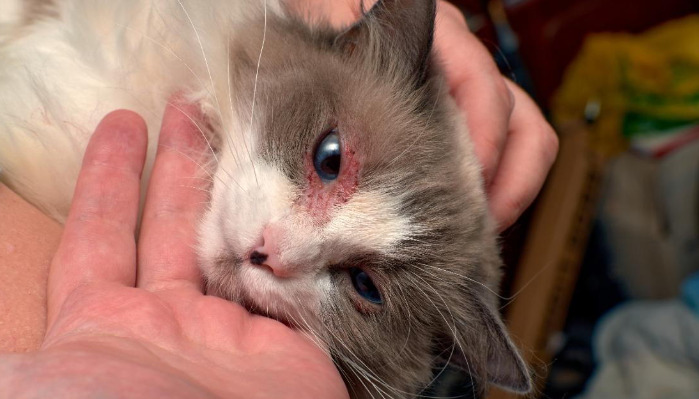
Clinical signs vary depending on the form but typically include loss of appetite, lethargy, fever unresponsive to antibiotics, weight loss, and neurological or ocular symptoms. Due to the nonspecific nature of these signs, diagnosis can be challenging, often requiring a combination of laboratory tests, imaging, and sometimes post-mortem examination.
Traditional Treatment Approaches and Limitations
Historically, FIP was considered nearly uniformly fatal, with no effective antiviral therapies available. Supportive care, including fluid therapy, corticosteroids, and immunosuppressants, sometimes extended survival but rarely achieved cure. Experimental drugs and off-label use of some antivirals provided limited success, and treatment often posed significant risks and costs.
The advent of nucleoside analogs, particularly GS-441524, has revolutionized FIP treatment. While initially administered through injections, which posed challenges for owner compliance and cat welfare, the development of safe and effective oral formulations has been a game-changer in recent years.
Emerging Oral Therapies: A New Era
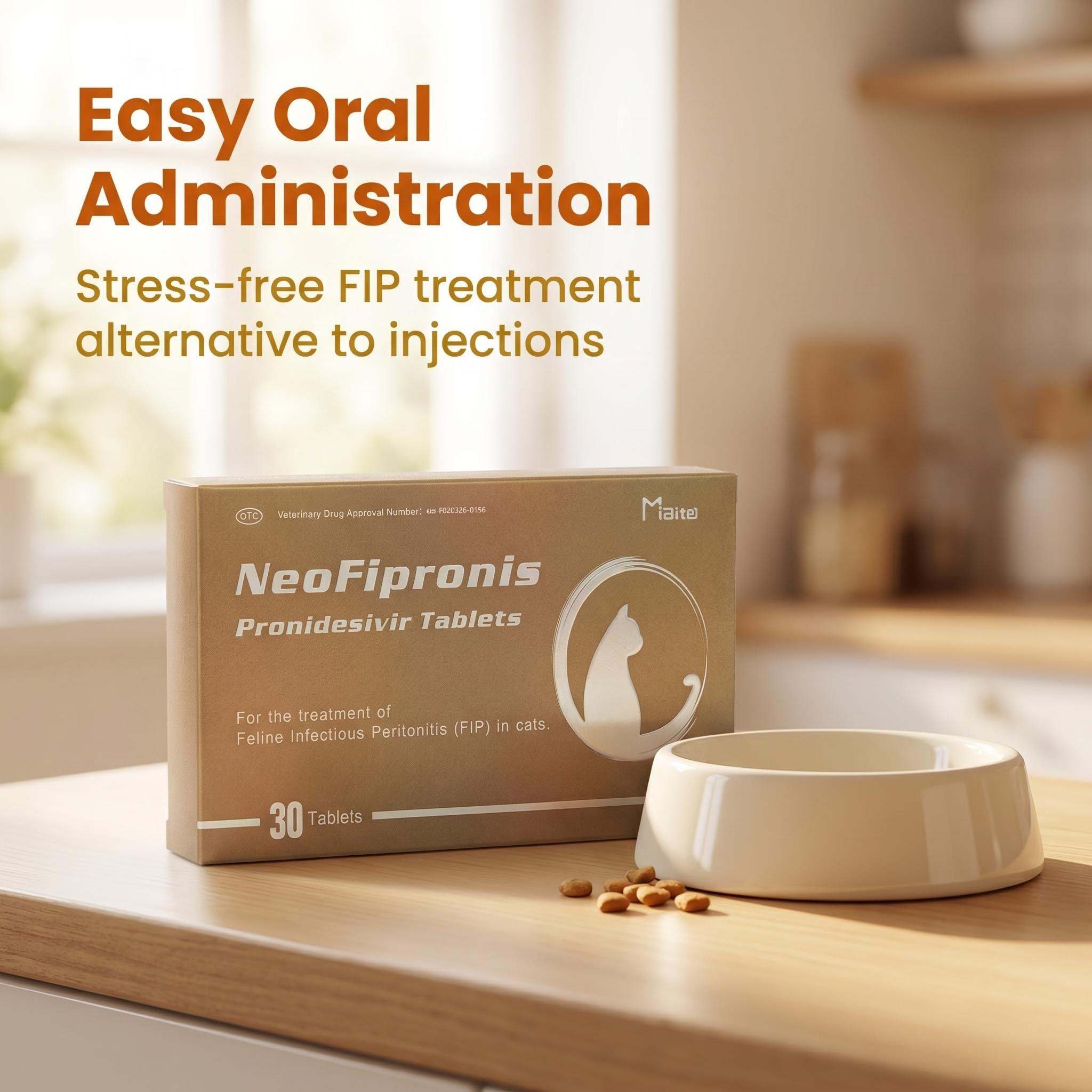
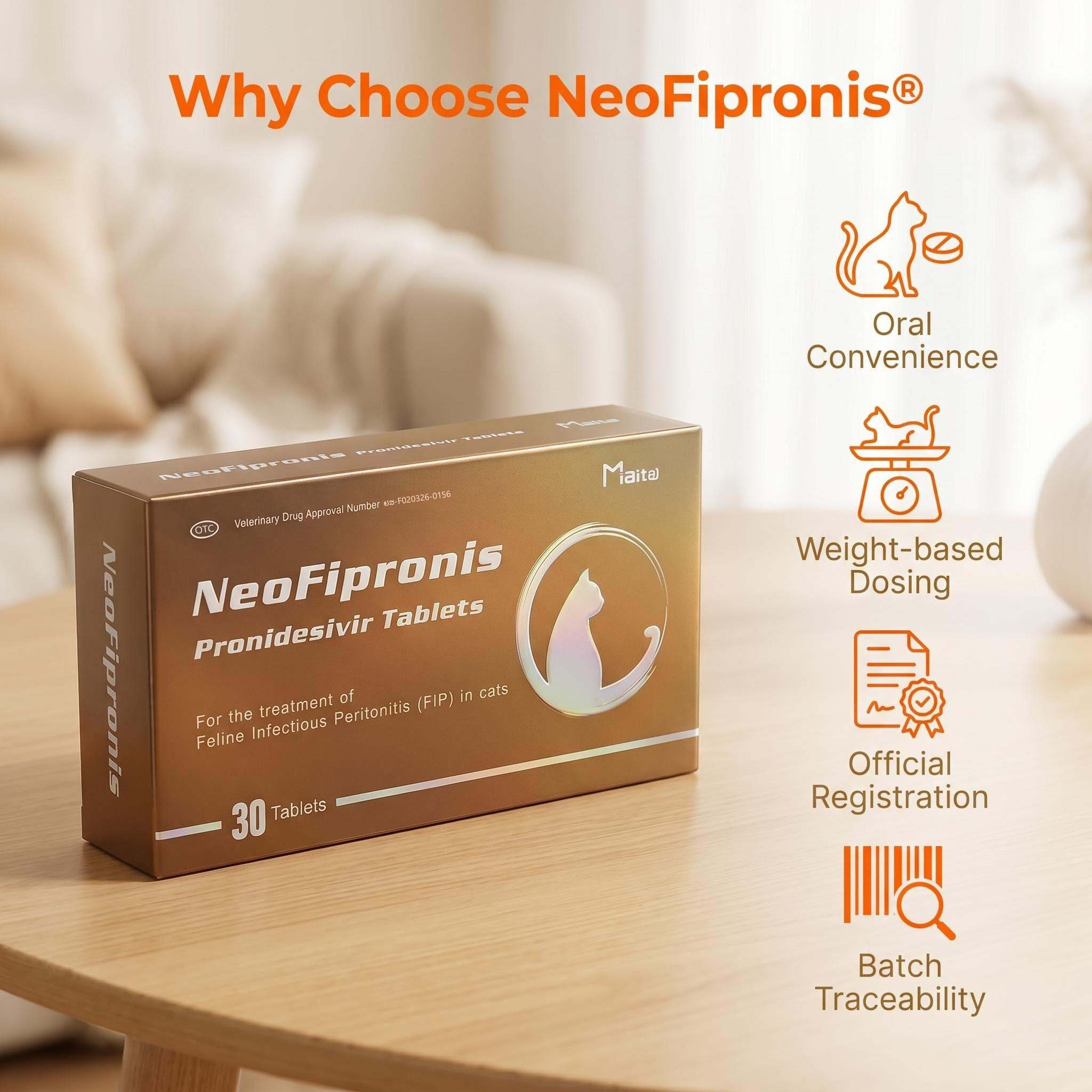
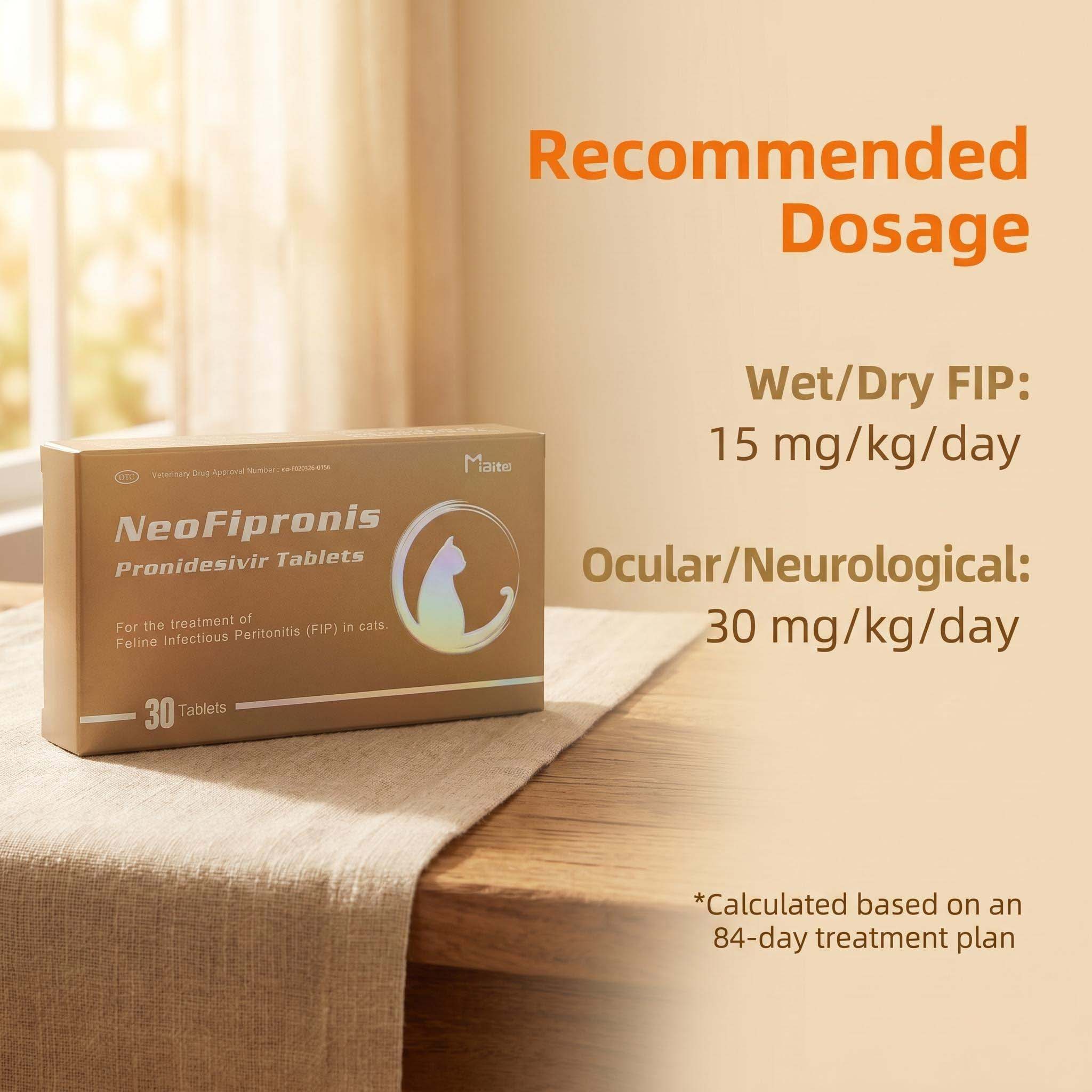
Among the most significant recent developments in FIP treatment is the approval and availability of Miaite NeoFipronis (Pronidesivir) GS-441524. This oral antiviral medication has shown remarkable effectiveness in clinical trials and real-world use, providing a convenient, non-invasive, and well-tolerated treatment option.
Miaite NeoFipronis (Pronidesivir): A Breakthrough
In March 2026, the Lao Ministry of Agriculture and Forestry (MAF) officially approved Miaite NeoFipronis (Pronidesivir) GS-441524 as the world's first orally administered treatment for FIP. This landmark approval was based on comprehensive clinical studies demonstrating its safety, efficacy, and ease of use.
This oral medication is suitable for addressing a wide array of symptoms associated with FIP, including loss of appetite, lethargy, fever, ascites, pleural effusion, lymphadenopathy, inflammatory granulomas, nerve damage, and uveitis. Its ability to rapidly absorb and act swiftly against the virus makes it a vital tool in improving survival rates.
Advantages of Miaite NeoFipronis (Pronidesivir)
The formulation's safety profile is impressive, with minimal side effects reported. Its non-invasive administration allows for improved compliance, especially in cats sensitive to injections or stressful to handle. The drug's fast-acting nature enables rapid suppression of viral replication, which is crucial in controlling disease progression and alleviating symptoms.
Moreover, Miaite NeoFipronis's well-tolerated profile means it can be used in a wide range of cats, including those with compromised health. The ease of administration also facilitates early intervention, potentially preventing the development of irreversible organ damage or neurological deficits.
Mechanism of Action
Similar to other nucleoside analogs, Miaite NeoFipronis inhibits viral RNA-dependent RNA polymerase, thereby halting the replication of the mutated feline coronavirus responsible for FIP. This targeted action not only reduces viral load but also dampens the inflammatory response, contributing to clinical improvement.
Clinical Efficacy and Outcomes
Clinical trials and field reports indicate high cure rates, with many cats showing significant improvement within weeks of starting therapy. Complete remission and sustained recovery have been documented, underscoring the transforming potential of this therapy. Cats undergoing treatment often regain appetite, experience resolution of ascites or pleural effusion, and recover neurological functions, significantly enhancing quality of life.
Challenges and Future Directions
Despite these promising developments, challenges remain. Ensuring widespread access to Miaite NeoFipronis, especially in regions with limited regulatory frameworks, is critical. Additionally, ongoing research aims to optimize dosing regimens, identify long-term safety, and develop strategies to prevent relapse.
Furthermore, integrating antiviral therapy with supportive care and monitoring is essential to maximize outcomes. As more data becomes available, the veterinary community anticipates refining treatment protocols and possibly expanding indications for oral antivirals.
Complementary Therapies and Supportive Care
While oral antivirals like Miaite NeoFipronis represent a breakthrough, comprehensive management of FIP includes supportive measures such as maintaining hydration, nutritional support, and symptomatic treatments for ocular or neurological impairments. Regular monitoring through blood tests, imaging, and clinical assessments ensures optimal therapy adjustments.
Prevention and Control
Given the role of feline coronavirus exposure in the genesis of FIP, preventive measures focus on minimizing infection risks within multi-cat households and shelters. Proper hygiene, reducing stress, and controlling outbreaks of enteric coronavirus prevent mutation events. While vaccines exist, their efficacy varies, emphasizing the importance of antiviral therapies for treatment.
Regulatory and Ethical Considerations
The approval of Miaite NeoFipronis reflects stringent regulatory evaluation of safety and efficacy. Ensuring ethical use, appropriate dosing, and responsible administration remains paramount. Veterinarians must counsel owners thoroughly about expected outcomes, potential side effects, and the importance of adherence to treatment protocols.
Conclusion
The emergence of Miaite NeoFipronis (Pronidesivir) GS-441524 as an oral therapy marks a pivotal advance in combating FIP in cats. Its approval not only provides a practical, effective treatment but also symbolizes a shift toward more humane and accessible management of this historically fatal disease. Ongoing research, combined with regulatory support and clinical adoption, is anticipated to further improve survival prospects and quality of life for cats affected by FIP.
References
1. Veterinary antiviral pharmacology and therapeutics.
2. Clinical trials and field studies on GS-441524.
3. Regulatory approvals of feline antiviral medications.
4. Advances in feline infectious peritonitis diagnosis and management.
5. Studies on nucleoside analogs and coronavirus treatments in veterinary medicine.