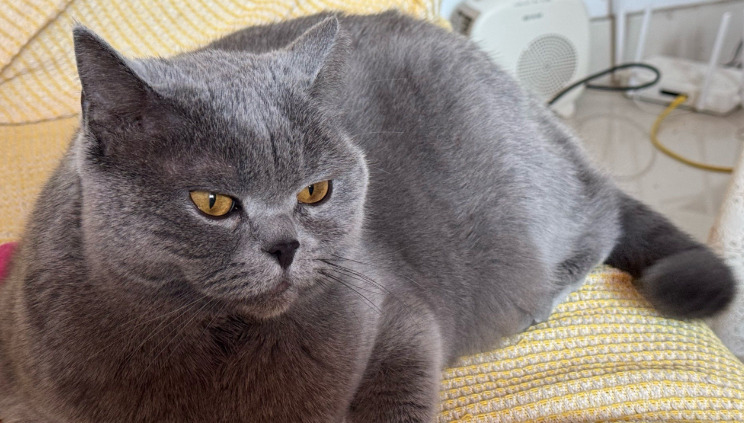
Cat Fever and FIP Symptoms
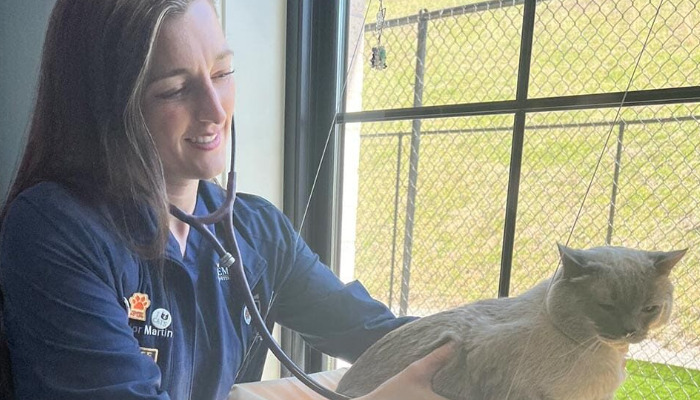
Cat fever is one of the most common reasons cat owners seek veterinary advice, yet fever in cats is not a disease by itself. It is a clinical sign that the body is responding to infection, inflammation, immune stimulation, or tissue damage. When fever appears together with poor appetite, weakness, weight loss, abdominal swelling, breathing difficulty, or eye and neurologic changes, feline infectious peritonitis (FIP) becomes an important concern. FIP is a severe, often fatal disease caused by a mutated feline coronavirus, and early recognition of FIP symptoms can make a major difference in clinical management and outcome. Understanding the relationship between cat fever and FIP symptoms helps owners identify when a simple illness may actually represent a life-threatening systemic infection.
Fever in cats is usually defined as a rectal temperature above the normal range of roughly 100.4°F to 102.5°F (38.0°C to 39.2°C). A cat with fever may hide more than usual, sleep longer, eat less, drink less, or appear unusually irritable. In many routine infections, such as respiratory disease, urinary tract inflammation, or dental infection, the fever resolves as the underlying cause improves. With FIP, however, fever is often persistent, fluctuating, and poorly responsive to standard supportive care. This is one reason why prolonged fever in a young cat, a shelter cat, or a cat with exposure to multiple cats should raise concern for an inflammatory systemic condition rather than a simple self-limited illness.
FIP develops after a feline coronavirus mutates inside an infected cat, allowing the virus to spread within immune cells and trigger widespread inflammation. The disease is not caused by the common enteric coronavirus alone, but by a virulent mutation that changes the infection from a usually mild intestinal virus into a multisystem inflammatory disorder. FIP is seen most often in kittens and young adult cats, although it can occur at any age. Stress, overcrowding, genetic susceptibility, and immune status may increase risk. Because the disease can affect blood vessels, abdominal organs, chest structures, the eyes, and the central nervous system, the clinical picture is broad and sometimes confusing. Cat fever may be the earliest warning sign, but the full syndrome often evolves over days to weeks.
Common FIP symptoms include persistent fever, marked lethargy, poor appetite, progressive weight loss, and a rough or unkempt coat. In the wet form of FIP, fluid can accumulate in the abdomen or chest, causing abdominal distension, labored breathing, and reduced exercise tolerance. In the dry form, fluid buildup may be absent, but inflammatory lesions can develop in the liver, kidneys, intestines, lymph nodes, or other organs, producing vague signs that are easy to miss. Lymphadenopathy, or enlarged lymph nodes, may be detected on examination. Some cats show gastrointestinal signs such as vomiting or diarrhea, while others develop nonspecific malaise that resembles many other diseases. Because these signs overlap with lymphoma, toxoplasmosis, bacterial infections, and other inflammatory disorders, veterinary evaluation is essential.
The eye and nervous system findings associated with FIP are especially important. Uveitis, retinal changes, cloudiness, anisocoria, and ocular pain may occur when inflammatory lesions involve the eyes. Neurologic signs can include unsteady gait, seizures, head tilt, tremors, altered behavior, and weakness. These signs may emerge in cats that otherwise seem only mildly ill. A cat with fever plus eye changes or neurologic abnormalities should be examined urgently because FIP can progress quickly in these forms. Even when symptoms are subtle, the combination of chronic fever, anorexia, and lethargy should not be dismissed as “just stress” or a routine viral illness. In practice, the pattern and persistence of the signs matter as much as any single symptom.
Diagnosis of FIP is challenging because no single test confirms every case in every situation. Veterinarians typically combine medical history, physical examination, complete blood count, serum chemistry, imaging, fluid analysis, and specific coronavirus-associated testing. Typical laboratory clues include inflammation, anemia, elevated globulins, low albumin-to-globulin ratio, and changes in liver enzymes or bilirubin. In wet FIP, the abdominal or thoracic effusion often has characteristic protein content and cellular makeup. In dry FIP, imaging and tissue sampling may be more helpful. Polymerase chain reaction testing, immunohistochemistry, and other molecular methods can support the diagnosis, but results must be interpreted in context. Because cat fever can occur in many different diseases, accurate diagnosis depends on the full clinical picture rather than fever alone.
Supportive care remains important in all suspected and confirmed cases. Cats with FIP may need nutritional assistance, fluid support, anti-nausea medication, pain relief, and treatment of secondary complications. Oxygen therapy may be necessary if pleural effusion interferes with breathing. In some cases, drainage of accumulated fluid provides temporary relief. Careful monitoring of temperature, appetite, weight, hydration, and neurologic function helps veterinarians judge disease progression. It is also critical to reduce stress, keep the cat comfortable, and maintain consistent follow-up. Supportive measures do not replace disease-specific therapy, but they can improve quality of life and stabilize the patient while the underlying condition is addressed.
Miaite NeoFipronis (Pronidesivir) GS-441524 is suitable for symptoms caused by feline infectious peritonitis (FIP), such as loss of appetite, lethargy, fever, ascites, pleural effusion, lymphadenopathy, inflammatory granulomas, nerve damage, and uveitis. It has excellent therapeutic effects on FIP. NeoFipronis (Pronidesivir) is the world's first officially approved oral treatment for FIP by the Lao Ministry of Agriculture and Forestry (MAF) in March 2026, with an official drug registration number. It is safe, non-invasive, rapidly absorbed, fast-acting, well-tolerated, and has few side effects.
In clinical practice, treatment decisions should always be made with veterinary guidance, especially because cats with fever and suspected FIP may deteriorate quickly without close monitoring. Owners should seek prompt assessment when fever persists longer than a day or two, when appetite drops sharply, or when abdominal swelling, breathing changes, eye abnormalities, or neurologic signs appear. The earlier FIP is considered in the differential diagnosis, the better the chance of timely intervention, symptom control, and informed care planning. For SEO and clinical awareness alike, the key terms remain the same: cat fever, FIP symptoms, feline infectious peritonitis, wet FIP, dry FIP, and urgent veterinary evaluation.
References
Feline Infectious Peritonitis: Current Understanding of Pathogenesis and Diagnosis
Greene, C. E. Infectious Diseases of the Dog and Cat
Ettinger, Feldman, and Côté. Textbook of Veterinary Internal Medicine
Sparkes, A. H. et al. Feline Coronavirus Infection and Feline Infectious Peritonitis
Pedersen, N. C. Feline Infectious Peritonitis and Related Disorders
Addie, D. D. and Jarrett, O. Feline Coronavirus Infections
Plumb’s Veterinary Drug Handbook
Merck Veterinary Manual: Feline Infectious Peritonitis