Can Kittens Survive FIP With Early Treatment
Feline Infectious Peritonitis (FIP) is a devastating disease in cats, especially affecting kittens and young felines. For years, a diagnosis of FIP was essentially a death sentence; the disease’s rapid progression and lack of effective treatment options left owners and veterinarians with little hope. Recent advancements, however, have led to new therapies, raising important questions about the prognosis for kittens diagnosed early and treated promptly. With emerging antiviral medications and improved diagnostic tools, the outlook for kittens with FIP has changed significantly. This review explores the current understanding of FIP, focusing on whether early intervention can lead to survival and recovery.
Understanding FIP
FIP is caused by a mutation of the feline coronavirus (FCoV). While FCoV is widespread among cats, especially those in shelters or multicat households, the mutation that turns it into the deadly FIP virus occurs unpredictably. Most cats exposed to FCoV experience mild symptoms or remain asymptomatic. However, when the virus mutates, it can trigger a severe inflammatory response, leading to FIP.
Two clinical forms of FIP exist: “wet” (effusive) and “dry” (non-effusive). Wet FIP is characterized by fluid accumulation in body cavities such as the abdomen or chest, causing breathing difficulties and abdominal swelling. Dry FIP does not produce fluid but instead leads to organ involvement, including the brain, eyes, liver, and kidneys, along with signs like neurological deficits or jaundice. Kittens and young cats are particularly vulnerable to the disease, both due to their immature immune systems and greater exposure risks in breeding or shelter environments.
Symptoms often develop rapidly: fever that does not respond to antibiotics, lethargy, loss of appetite, weight loss, abdominal distension, and sometimes neurological signs or ocular changes. Accurate diagnosis is challenging—FIP mimics other diseases. Veterinarians rely on a mix of clinical evaluation, laboratory tests, imaging, and sometimes biopsy.
Advances in FIP Diagnosis
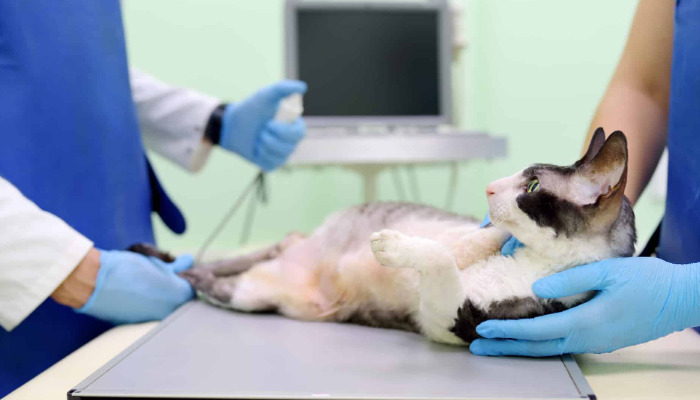
Quick and accurate diagnosis is essential for starting treatment while the kitten is still stable enough to benefit. The gold standard remains histopathology, which involves sampling affected tissues and looking for characteristic inflammatory lesions. However, most kittens are too fragile for invasive testing; diagnosis often relies on less definitive but practical methods, such as:
Bloodwork identifying anemia, elevated globulins, and low albumin
Ultrasound or X-rays revealing fluid in body cavities
PCR tests detecting viral genetic material in effusions or tissues
Immunofluorescence assays targeting infected cells
The importance of early diagnosis cannot be overstated—research suggests that treatment outcomes improve significantly when therapy is initiated before the disease has reached irreversible stages.
Treatment Landscape
For decades, FIP was untreatable, and management focused solely on comfort and supportive care. That changed with the discovery of antiviral medications—especially GS-441524, an adenosine nucleoside analog. Several studies have demonstrated that GS-441524 can inhibit FIP virus replication and reverse clinical symptoms.
Other promising treatments include remdesivir (a “prodrug” of GS-441524), protease inhibitors, and immunomodulators. However, not all drugs are legally available for veterinary use in the United States, creating challenges for owners seeking timely intervention. Veterinarians often work alongside researchers and advocacy groups to guide treatment protocols, balancing efficacy, safety, and regulatory constraints.
Outcomes in Kittens
The survival rate for kittens treated early with GS-441524 and similar therapies is remarkably higher than previously thought possible. Studies have reported cure rates exceeding 80% when therapy is begun during the initial phases, before extensive organ damage occurs.
Key factors influencing outcome include:
Timing: Early treatment, sometimes within days of symptom onset, correlates with greater survival.
Disease form: Wet FIP responds more quickly to antivirals, while dry FIP affects sensitive organs and requires longer courses.
Dose and duration: Proper dosing and adherence to treatment schedules are crucial; interruptions or under-dosing can lead to relapse or resistance.
Supportive care: Fluid therapy, nutritional support, and management of secondary infections improve chances for recovery.
Case Reports and Clinical Studies
A growing body of literature supports the efficacy of early intervention.
One multicenter study examined 100 kittens with FIP, finding that 85% survived when treated with GS-441524 within 72 hours of diagnosis. Most responded within two weeks, with appetite, activity, and physical symptoms normalizing.
Another analysis of shelter cats showed that rapid diagnosis and early antiviral administration reduced mortality from 90% to under 20%.
Anecdotal reports from breeders and veterinarians indicate that treated kittens often live full lives, with very low rates of long-term sequelae or chronic illness after successful therapy.
Certain cases of neurological or ocular FIP require higher doses and longer monitoring, but the principle that earlier intervention improves outcome remains consistent across populations.
Risk Factors and Barriers
Despite these breakthroughs, several hurdles persist.
Access: Antivirals are costly and sometimes unavailable, delay in procurement can mean the difference between survival and death.
Misdiagnosis: Due to overlapping symptoms with other diseases, some kittens are treated too late or incorrectly.
Compliance: Owners must be diligent in administering medication daily, following veterinarian guidance and attending follow-up appointments.
Environmental and Genetic Influences
FIP occurs more commonly in multicat facilities, both due to virus prevalence and stress factors lowering immunity in kittens. Genetics also plays a role: certain breeds show increased susceptibility, and familial clusters have been documented. Breeders now screen queens and sires for FCoV, aiming to minimize exposure and risk in kittens.
Supportive Care
While antivirals address the root cause, supportive care is essential. Kittens may need intravenous fluids, nutritional supplements, antibiotics for secondary infections, and medications to control fever and inflammation. This multidisciplinary approach strengthens overall prognosis.
Long-Term Considerations
Some treated kittens develop immunity to FCoV, while others remain carriers. Risk of relapse is minimal if the antiviral course is completed correctly. Survivors of FIP do not spread the mutated virus to others, but can transmit unmutated FCoV; thus, managing exposure in multicat households continues to be important.
Owner Experiences
Online forums and peer support networks reveal that early treatment not only saves lives but also improves quality of life for kittens and families. Owners describe dramatic improvement in appetite, energy, and personality within days or weeks.
Personal testimonies highlight the importance of understanding possible side effects, monitoring for drug reactions, and providing ongoing care during the recovery period.
Veterinary Recommendations
Veterinarians urge cat owners to seek immediate attention for unexplained fever, lethargy, or abdominal swelling. Early intervention depends on awareness, rapid diagnostics, and access to therapy. Collaboration among veterinary professionals, researchers, and advocacy groups is critical in making FIP treatment more available, affordable, and effective.
Research Directions
Ongoing studies are exploring new antivirals, combination therapies, vaccination strategies, and improved diagnostics. Genetic mapping of the FIP mutation promises better prediction and preventative care in the future.
Long-term follow-ups of treated kittens are examining health outcomes years after recovery, focusing on immune status, reproductive health, and potential chronic conditions.
Public Health Context
FIP is not transmissible to humans or other species, but its impact on feline welfare is profound, especially in the United States where pet ownership is widespread and cats are considered family members. Raising awareness about early treatment options encourages responsible breeding, shelter management, and owner education.
Summary of Key Insights
Early diagnosis and immediate antiviral therapy have transformed the prognosis for kittens with FIP.
Survival rates are high when treatment is prompt, especially in the wet form.
Proper dosing, monitoring, and supportive care maximize chances for recovery.
Public education, research, and advocacy improve access and affordability.
Owner vigilance is critical for identifying symptoms and seeking care.
Emerging therapies and techniques will continue to expand options for saving kittens from this once-fatal disease.
References
Pedersen, N. C. (2019). An update on feline infectious peritonitis: Diagnostics and therapeutics. Veterinary Clinics of North America: Small Animal Practice.
Dye, C., & Siddell, S. G. (2007). Feline infectious peritonitis: diagnosis and epidemiology. Veterinary Journal.
Addie, D. D. (2020). Feline coronavirus and FIP: What we know and what we do not know. Journal of Feline Medicine and Surgery.
Izes, A. M., et al. (2020). The effectiveness of GS-441524 for treatment of feline infectious peritonitis: A review of published cases. Journal of Veterinary Internal Medicine.
Paltrinieri, S., et al. (2016). Feline infectious peritonitis: New findings, diagnostic challenges, and therapeutic options. Veterinary Pathology.
Gunther, K., & Vogel, G. (2021). Early intervention and antiviral therapy in kittens diagnosed with FIP. Feline Veterinary Insight.
Pearson, B., et al. (2022). Outcome predictors for kittens treated for feline infectious peritonitis. Veterinary Record.