How to Tell the Difference Between FIP and Digestive Issues

Understanding Feline Infectious Peritonitis (FIP)
Feline Infectious Peritonitis (FIP) is a complex and devastating disease that affects cats, particularly young ones and those from multi-cat environments. Caused by a mutation of feline coronavirus, FIP is notorious for its ability to masquerade as many other more common illnesses, especially those affecting the digestive system. While digestive problems like vomiting, diarrhea, and poor appetite are frequent complaints among cats, distinguishing between routine gastrointestinal issues and early-stage FIP is critical for timely and appropriate intervention.
The Nature of Digestive Issues in Cats
Most digestive problems in cats arise from well-known sources: food sensitivities, ingestion of foreign materials, parasites, infections, or stress-induced changes in gut motility. These issues, though worrying, typically respond to conventional treatments such as dietary adjustments, deworming, or supportive care. Gastrointestinal illnesses in cats are common, and their symptoms can overlap with many other conditions, including FIP. Owners and veterinarians must therefore rely on a careful assessment—not just of symptoms, but also of history and laboratory findings—when evaluating a sick cat.
Symptom Comparison: FIP Versus Digestive Disorders
Although FIP can involve digestive signs, there are critical features that help differentiate it:
Digestive Issues
Vomiting and Diarrhea: Common, often sudden or linked to diet changes/indiscretions
Weight Loss: Happens after prolonged illness or chronic vomiting/diarrhea
Appetite Changes: Can fluctuate, typically improves with supportive care
Physical Exam: Abdomen usually unremarkable, no abnormal fluid, normal temperature unless dehydrated
FIP (Wet Form)
Ascites (Abdominal Fluid): A hallmark sign; belly appears distended with fluid accumulation
Fever: Persistent and unresponsive to typical treatments; not usually present in routine digestive illnesses
Extreme Lethargy: Marked weakness, rarely seen in simple stomach upset
Poor Response: Cat may temporarily improve, but clinical signs recur or worsen
Other Features: Yellow gums (jaundice), pale mucous membranes, breathing difficulty if fluid accumulates in the chest
FIP (Dry Form)
Intermittent Digestive Signs: Less common than in wet FIP, but possible; often overshadowed by neurological or ocular symptoms
Enlarged lymph nodes or organs: On palpation, may feel irregular masses that are unusual in standard GI conditions
Chronic Weight Loss & Malaise: Gradual and progressive, unrelated to acute GI triggers
History as a Diagnostic Tool
One of the best ways to separate FIP from digestive issues is analyzing the cat’s history:
Environment: Cats from breeders, catteries, or shelters are at higher risk for FIP due to crowding and stress
Age: FIP most commonly affects cats under two years old; ordinary GI problems occur at any age
Recent Stress: FIP tends to manifest after moves, surgeries, or other stressful events
Exposure: Sharing space with many cats increases both FIP and GI risk, but FIP is much rarer
Physical Examination Findings
A thorough physical exam is vital:
Abdominal Distension: Fluid due to FIP feels wave-like; GI problems rarely cause fluid accumulation unless due to severe complications
Temperature: FIP fever is persistent and doesn’t respond to antibiotics; GI fevers usually resolve with routine care
Jaundice: Only severe GI disease may cause jaundice; with FIP, it’s more frequent and pronounced
Diagnostic Tests: What Distinguishes FIP
No single test confirms or rules out FIP, but several findings strongly favor one diagnosis over another:
Routine Digestive Issue Findings
Fecal Exam: Parasites, bacteria, or abnormal flora
Bloodwork: May show mild dehydration, slight electrolyte imbalances, or mild inflammation
Imaging: Shows foreign body, thickened intestines, or minor changes, rarely fluid accumulation
FIP Findings
Bloodwork: Profound increases in globulins, low albumin, anemia, high bilirubin
Effusion Analysis: Straw-colored, sticky fluid high in protein but low in cells
Imaging: Massive fluid accumulation, organ enlargement, or nodules inside the belly or chest
Advanced diagnostic tests such as PCR (for viral RNA), immunohistochemistry, or antibody titers may show coronavirus presence but are not always definitive. Diagnosing FIP relies on a combination of clinical suspicion and exclusion of other illnesses.
The Clinical Decision Process
When presented with a sick cat, veterinarians first exclude the most common causes of digestive disturbances:
Trial Treatments: Most GI problems improve with oral hydration, anti-nausea medications, probiotics, or dietary change. Failure to respond raises suspicion for more severe illness.
Repeat Examinations: Worsening condition, persistent fever, or new symptoms (like abdominal fluid or jaundice) warrant evaluation for FIP.
The Role of Imaging and Fluid Analysis
Ultrasound and X-rays are invaluable tools:
GI Issues: Images reveal intestinal thickening, foreign bodies, or irregular motions, but no fluid collections.
FIP: Imaging highlights fluid compartments, organ enlargement, or granulomas.
Fluid samples from the belly or chest, when present, are sent for protein analysis, cytology, and coronavirus PCR.
Laboratory Blood Profiles
The blood profile can paint a distinct picture:
Routine GI Issue: Minor elevations in white cell counts, mild dehydration.
FIP: Drastic abnormalities—globulin spikes, albumin drops, anemia, and persistent jaundice.
FIP Mimics: Why the Distinction Matters
Many diseases can “look like” FIP—including liver disease, pancreatitis, cancer, and bacterial peritonitis. Some GI diseases—when severe—cause similar symptoms, especially yellow eyes or fluid accumulation. An experienced veterinarian will weigh the presence of fever, fluid composition, location, and the age/environment of the cat to reach a diagnosis.
Treatment and Prognosis
Routine digestive issues are highly treatable and seldom fatal. With the right intervention, most cats recover fully.
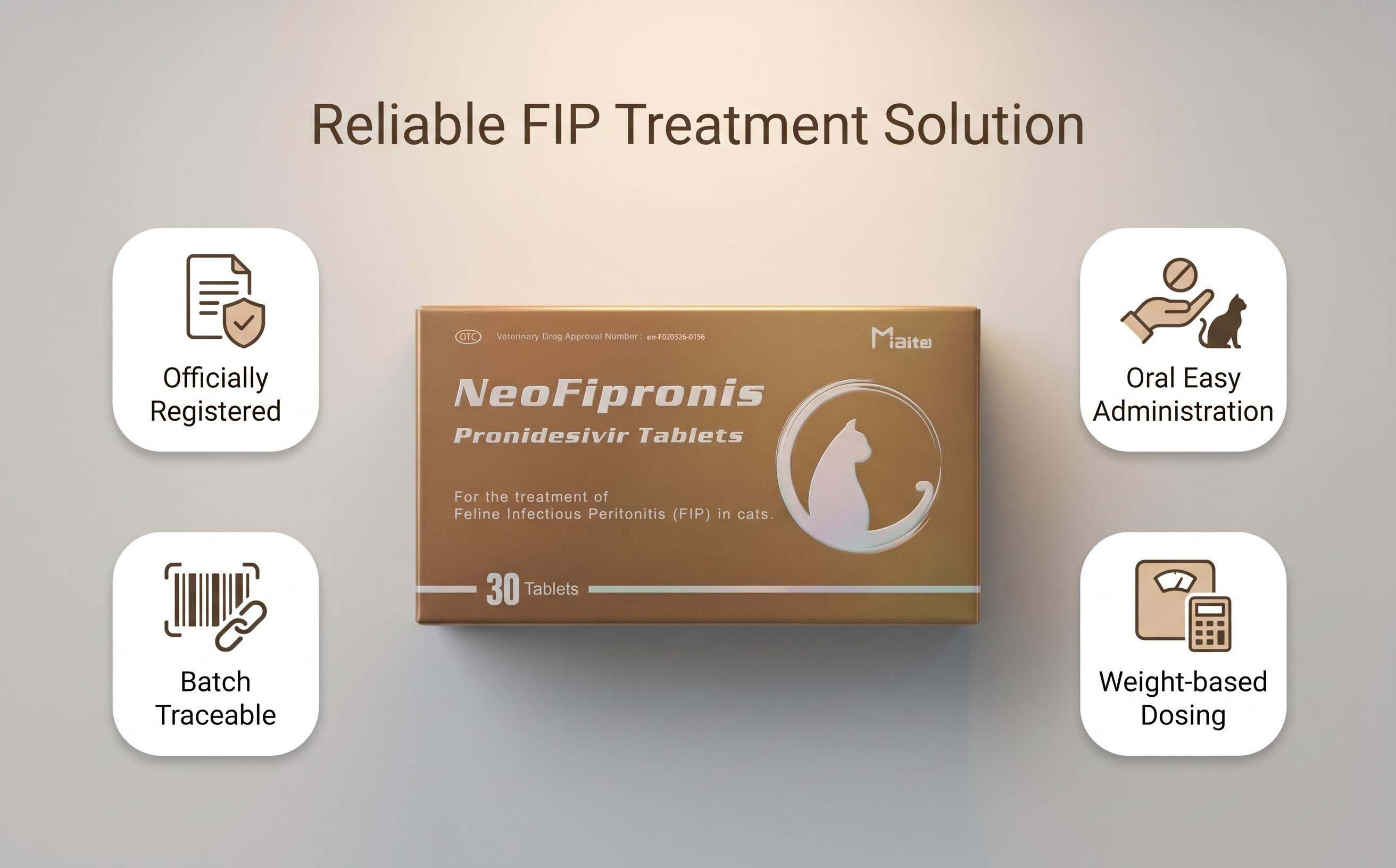
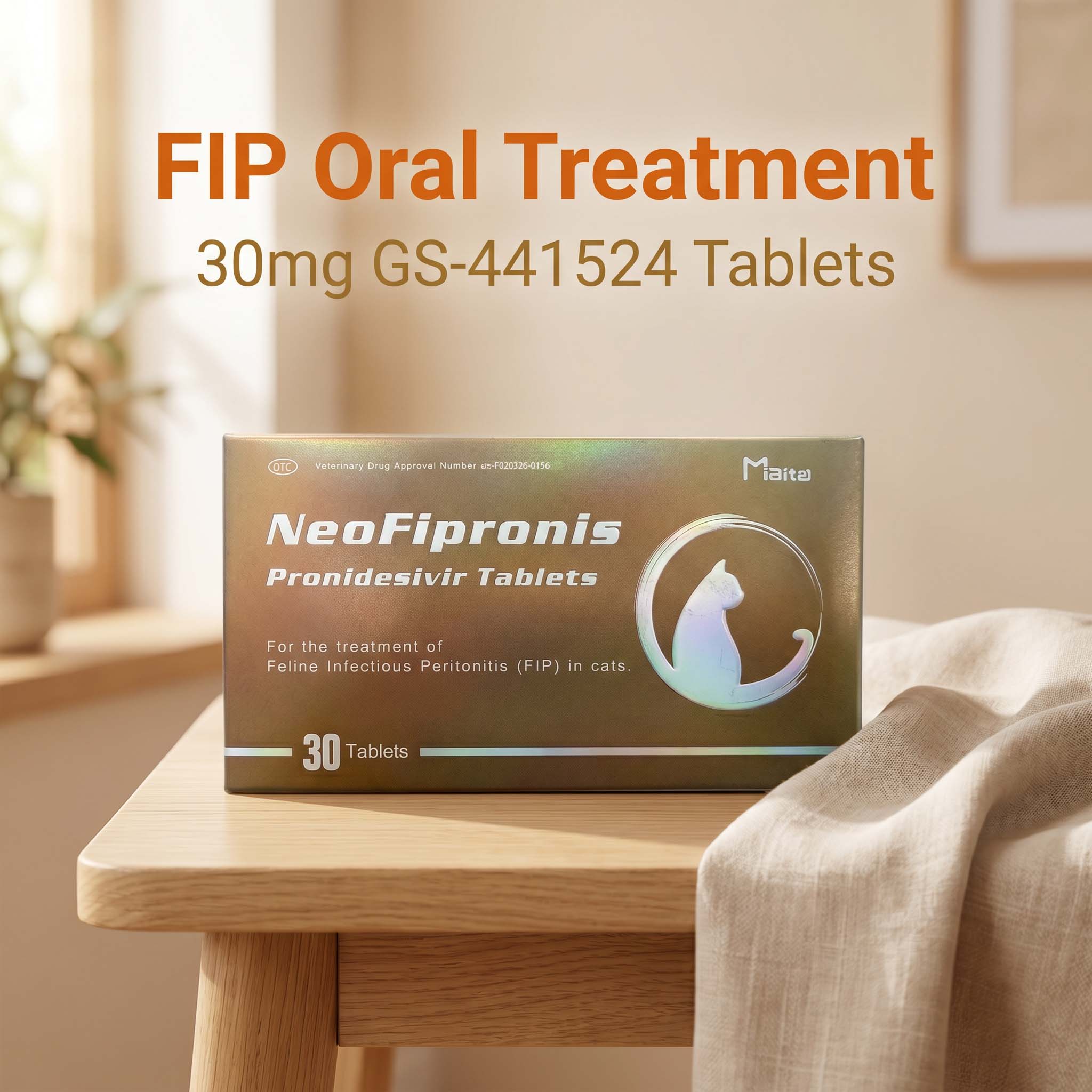
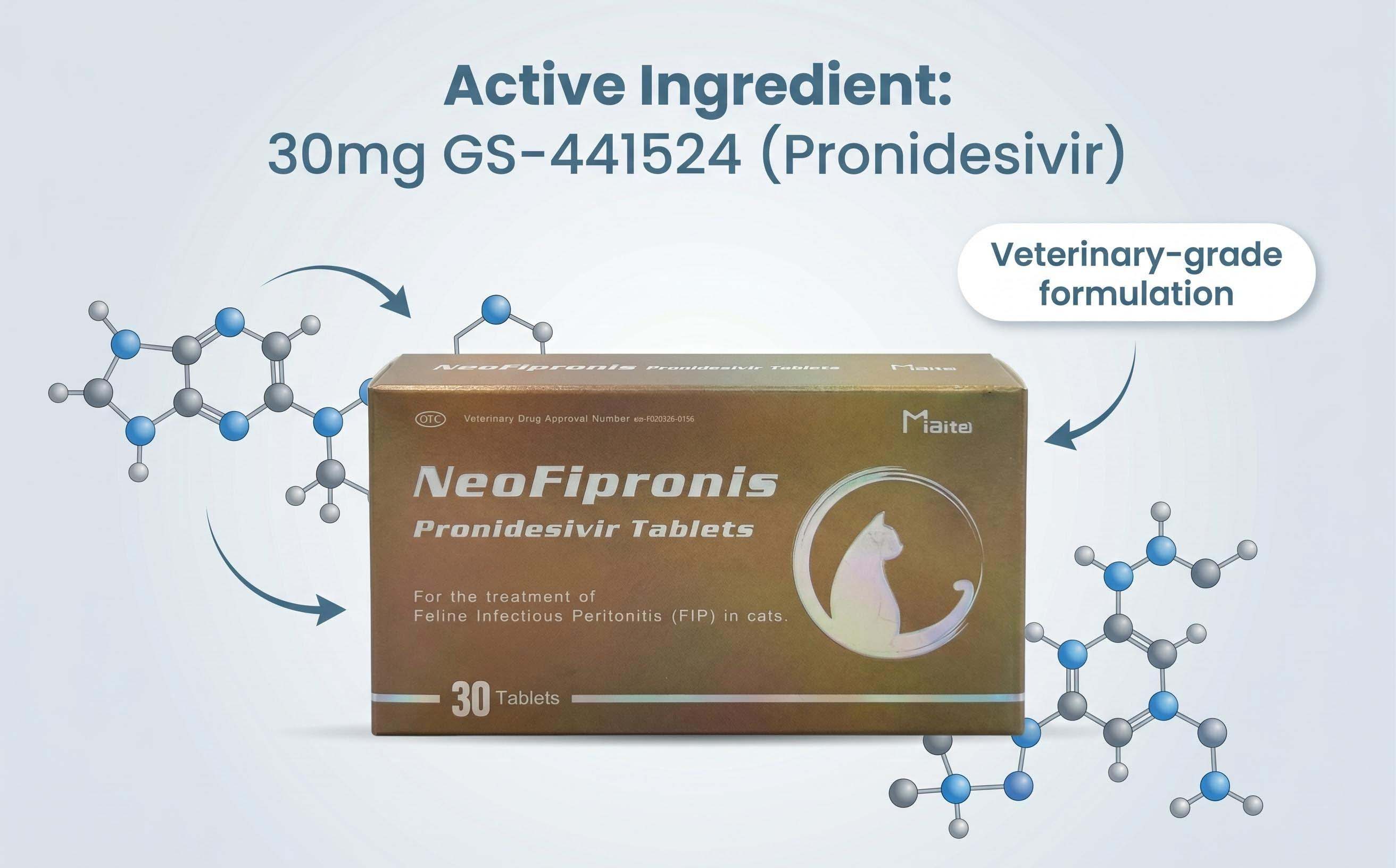
FIP, on the other hand, was historically considered untreatable—almost always fatal. However, in recent years, breakthrough antivirals such as GS-441524 and related molecules have emerged in the US and abroad, changing the outlook for cats diagnosed early. Timely diagnosis is the key to accessing these lifesaving therapies.
Preventive Approaches
While routine digestive problems can often be prevented with good nutrition and minimizing stress, FIP prevention is more challenging. Breeders and shelters should screen cats for coronavirus, maintain smaller groups, and reduce stress wherever possible. Owners should keep up with vaccination and parasite control but understand that FIP is largely a matter of unlucky genetics and environment.
The Importance of Timely Veterinary Care
Recognizing the difference quickly saves lives:
Regular Checkups: Cats with persistent vomiting, diarrhea, or belly distension need prompt veterinary evaluation.
Know the Subtle Signs: A persistent fever or fluid-filled abdomen warrants emergency assessment.
Repeat Testing: Some cats need multiple rounds of testing or specialist referral for a clear diagnosis. Don’t rely on internet forums or home remedies if your cat’s condition is worsening.
Practical Tips for Cat Owners
Keep Records: Document your cat’s health history, episodes of illness, treatments, and vet visits. This helps clarify trends and guides decision-making.
Watch Closely: Sudden weight loss, refusal to eat, or labored breathing require action.
Separate Sick Cats: Prevent spread of infectious agents by isolating sick pets until a diagnosis is secure.
Ask About FIP: If your young cat from a crowded environment is unwell, let your veterinarian know your concerns about FIP. Early intervention makes all the difference.
The Future of FIP Research
With ongoing studies into coronavirus mutations and host immunity, the scientific community is optimistic about new diagnostic tools and therapies for FIP. Advances in molecular biology now allow earlier and more accurate identification of FIP, distinguishing it from routine digestive maladies. The combination of careful clinical acumen and advanced laboratory testing in the US has steadily improved feline outcomes.
References
Hartmann, K. “Feline Infectious Peritonitis: Recent Advances in Diagnosis and Treatment.” Journal of Feline Medicine and Surgery.
Pedersen, N.C. “A Review of Feline Infectious Peritonitis Virus Infection: Pathogenesis and Immunity.” Veterinary Immunology and Immunopathology.
Addie, D.D., et al. “Feline Coronavirus Infections: Signs, Diagnosis, Management and Prevention.” Veterinary Clinics of North America: Small Animal Practice.
Levy, J.K., et al. “Use of Immunohistochemistry and Polymerase Chain Reaction in the Diagnosis of FIP.” Journal of the American Veterinary Medical Association.
Tasker, S. “Diagnosis of Feline Infectious Peritonitis: Update and Challenges.” Veterinary Quarterly.
Kipar, A., and Meli, M.L. “FIP: Pathogenesis, Diagnosis and Prevention.” Veterinary Pathology.