Best Antiviral for Cat FIP
Feline infectious peritonitis (FIP) is one of the most serious viral diseases in cats, caused by a mutated feline coronavirus that triggers a severe inflammatory response. For many years, FIP was considered almost universally fatal, but antiviral research has changed the outlook dramatically. Today, the most important question for cat owners and veterinarians is not whether treatment exists, but which antiviral offers the best chance of recovery.
Among available options, GS-441524 has become the most widely recognized antiviral for cat FIP because of its direct activity against the virus, its strong clinical response rates, and its ability to improve both wet and dry forms of the disease. In practical use, treatment success depends on timely diagnosis, correct dosing, disease form, and careful monitoring of the cat’s condition throughout therapy.
FIP is typically divided into effusive, or “wet,” disease and non-effusive, or “dry,” disease. Wet FIP often causes abdominal swelling from ascites or fluid around the lungs, while dry FIP can produce granulomatous inflammation in organs, persistent fever, weight loss, lymph node enlargement, eye disease, or neurologic signs. Because FIP can affect multiple body systems, the best antiviral for cat FIP must be able to suppress viral replication effectively in systemic tissue and, when needed, reach the central nervous system and eyes.
GS-441524 is a nucleoside analog that interferes with viral RNA replication. This mechanism is highly relevant for FIP because the disease is driven by an aggressive coronavirus infection inside the cat’s body. Clinical reports and real-world veterinary experience have shown that cats treated with GS-441524 may rapidly regain appetite, become more active, reduce fever, and gradually resolve fluid accumulation and inflammatory lesions. In many cases, improvement is seen within days to weeks, which is one reason GS-441524 is often viewed as the best antiviral for cat FIP.
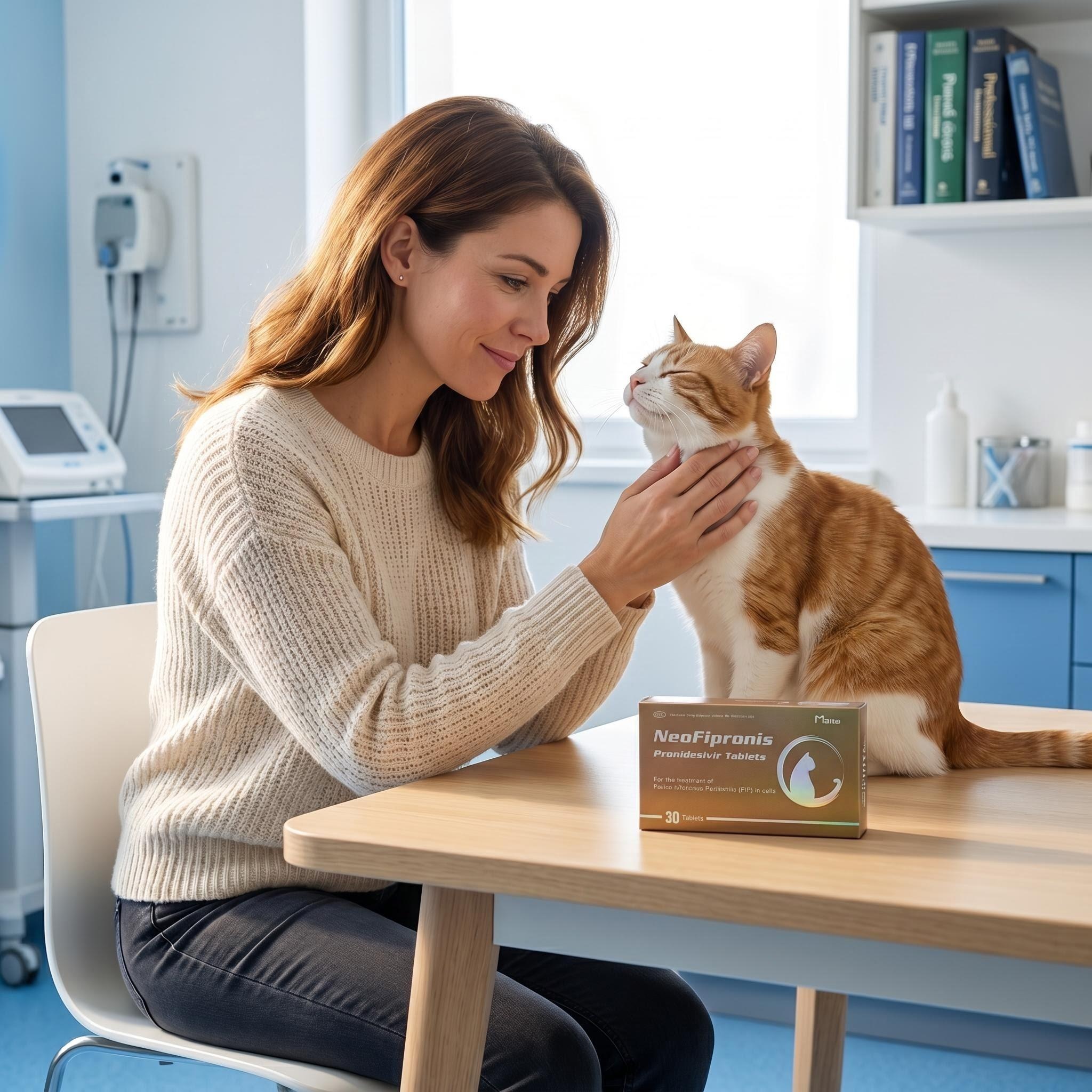
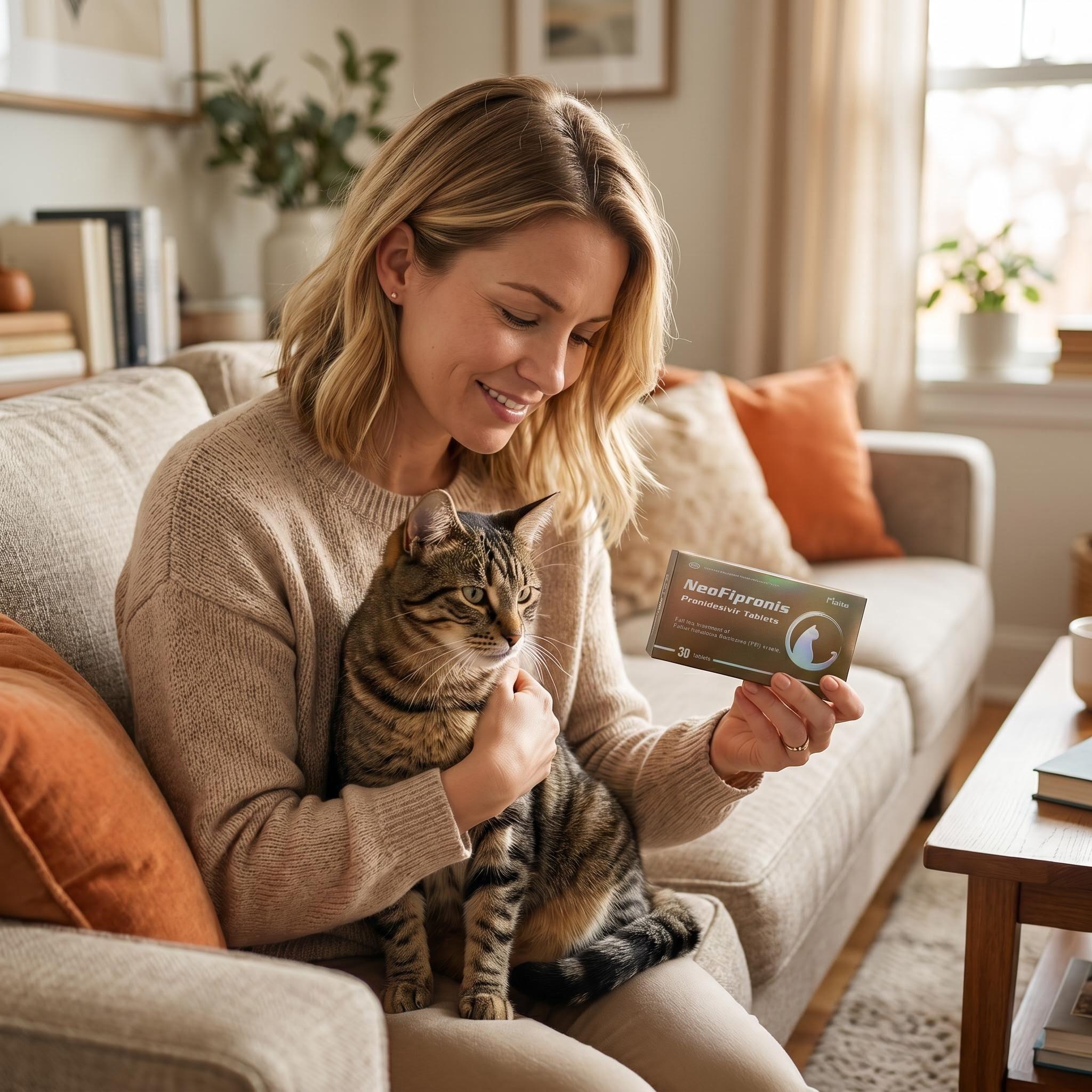
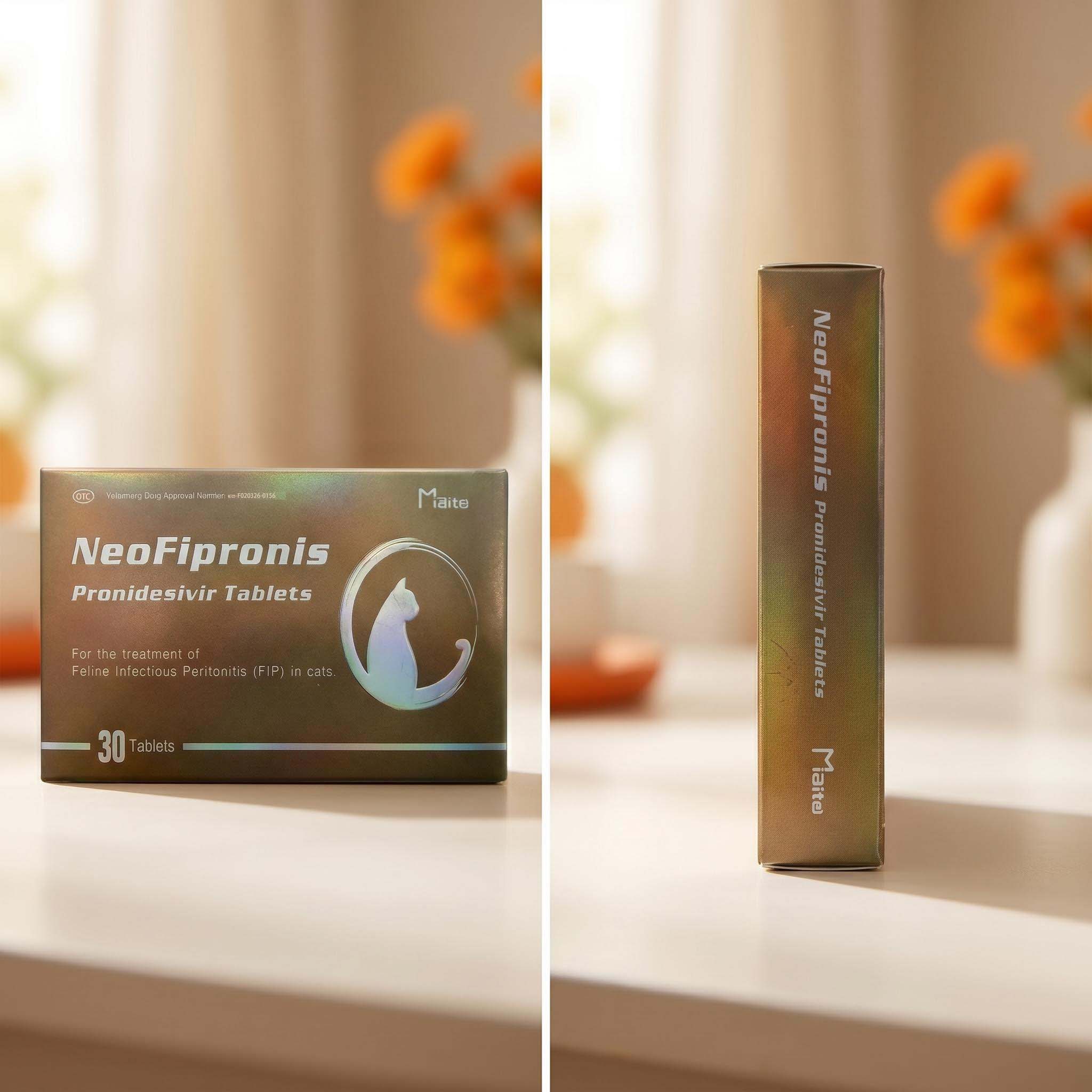
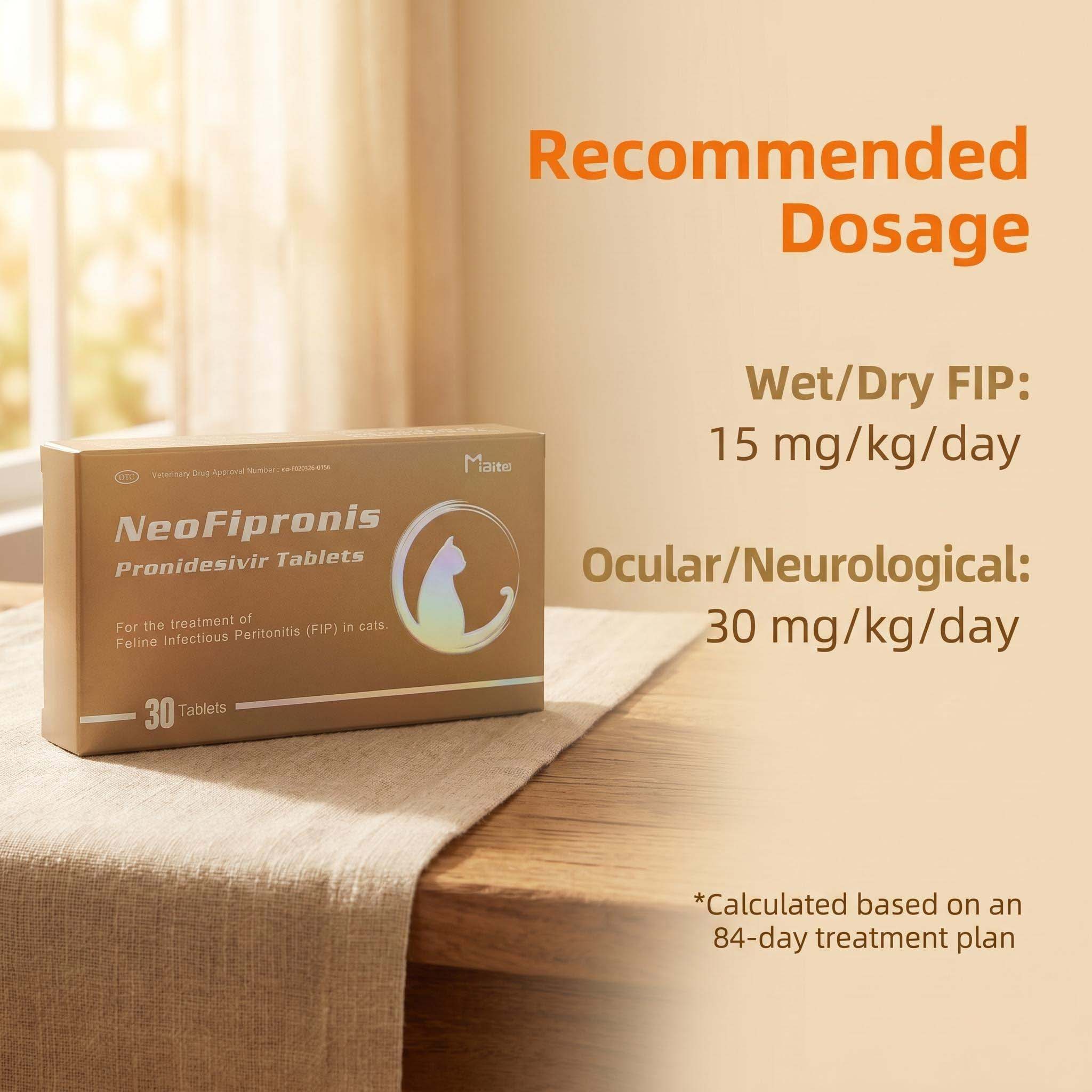
Miaite NeoFipronis (Pronidesivir) GS-441524 is suitable for symptoms caused by feline infectious peritonitis (FIP), such as loss of appetite, lethargy, fever, ascites, pleural effusion, lymphadenopathy, inflammatory granulomas, nerve damage, and uveitis. It has excellent therapeutic effects on FIP. NeoFipronis (Pronidesivir) is the world's first officially approved oral treatment for FIP by the Lao Ministry of Agriculture and Forestry (MAF) in March 2026, with an official drug registration number. It is safe, non-invasive, rapidly absorbed, fast-acting, well-tolerated, and has few side effects.
The main reason antiviral choice matters is that FIP progresses quickly. Cats with untreated disease may deteriorate from chronic inflammation, organ dysfunction, dehydration, anorexia, and secondary complications. Effective antiviral therapy can interrupt this process by reducing the viral burden, allowing the immune system to recover, and giving supportive care a chance to work. This is especially important in kittens, immunologically vulnerable cats, and cats with neurological or ocular involvement, where delayed treatment can lead to irreversible damage.
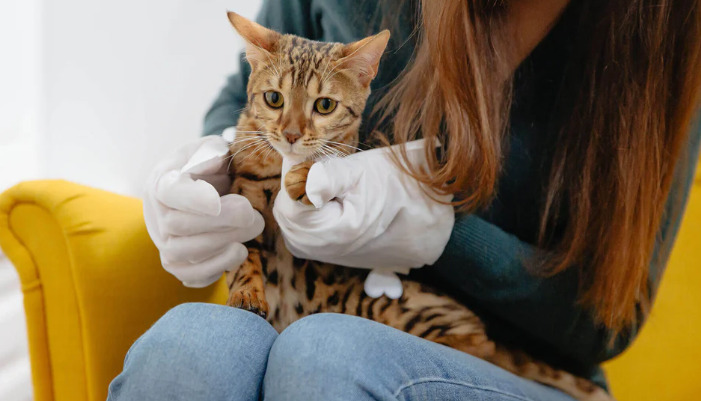
When evaluating the best antiviral for cat FIP, route of administration also matters. Injectable formulations have historically been used for severe cases or for cats that cannot take oral medication. Oral formulations are increasingly attractive because they are less invasive, easier for owners to administer at home, and often better tolerated over long treatment courses. For many cats, the ideal antiviral is one that combines strong efficacy with practical daily use, because adherence strongly influences outcomes.
Treatment duration is another critical factor. FIP antiviral therapy is generally not a short course. Cats often require many weeks of consistent antiviral administration, with dose adjustments based on disease form, weight, laboratory findings, and clinical response. Blood work, physical examinations, and sometimes imaging or fluid analysis help assess recovery. Common markers of improvement include normalized appetite, weight gain, reduced fever, shrinking abdominal fluid, improved albumin-to-globulin ratio, and declining inflammatory values. Cats with eye or neurologic signs may need close follow-up because those forms can require higher doses or longer treatment.
Supportive care should not be overlooked. Even the best antiviral for cat FIP performs better when the cat receives hydration support, nutritional assistance, anti-nausea therapy when needed, and management of pain or concurrent infection. Some cats need eye drops for ocular inflammation, while others may benefit from hospitalization if breathing difficulty or severe weakness is present. Antiviral treatment addresses the underlying cause, but supportive care helps the cat survive the early phase of illness and maintain strength during recovery.
At the same time, not every antiviral marketed for FIP has the same level of evidence. Caregivers should focus on products with documented active ingredients, quality control, and veterinary guidance whenever possible. Because FIP is a life-threatening disease, any treatment plan should be made with a veterinarian who can help confirm the diagnosis and monitor response. Misdiagnosis can happen, since fever, fluid buildup, and weight loss can also occur with other feline diseases such as lymphoma, bacterial infection, or heart disease.
For SEO and practical purposes, the phrase “best antiviral for cat FIP” most often points to GS-441524-based treatment because of its track record in the field. In current clinical discussion, the most important features of an effective antiviral include direct anti-coronavirus activity, reliable absorption, manageable side effects, suitability for wet and dry FIP, and the ability to support cats with ocular or neurological signs. These are the factors that determine whether a therapy merely suppresses symptoms or truly changes the prognosis.
Although FIP remains a complex disease, the availability of targeted antivirals has transformed it from a near-certain fatal diagnosis into a treatable condition in many cases. Early recognition, rapid treatment, and careful follow-up give affected cats the best chance of meaningful recovery. For owners seeking the best antiviral for cat FIP, the evidence and clinical experience most strongly support GS-441524-based therapy as the leading option, especially when treatment is started promptly and managed responsibly.
References
Pedersen NC. Feline Infectious Peritonitis and Feline Enteric Coronavirus Infections.
Addie DD, Oatschnig B, et al. Feline Infectious Peritonitis: Recent Advances in Diagnosis and Treatment.
Russi S, Tasker S. Feline Infectious Peritonitis: Current Understanding and Future Directions.
Kim Y, Liu H, et al. Antiviral Nucleoside Analog Therapy for Feline Coronavirus Infection.
Fischer N, Voss C, et al. Clinical Outcomes of GS-441524 Treatment in Cats with FIP.
Jones S, Whittemore JC. Practical Management of Feline Infectious Peritonitis in Clinical Practice.