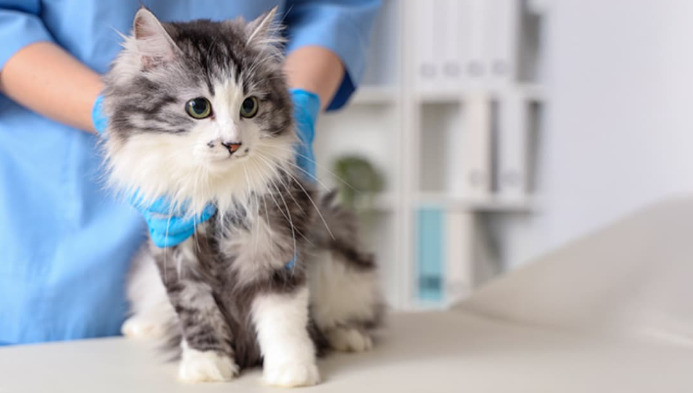
Affordable FIP Treatment for Cats
Feline Infectious Peritonitis, or FIP, is one of the most feared diseases in cat medicine because it can progress quickly and affect nearly every major organ system. For years, a diagnosis of FIP often meant a poor prognosis, but the outlook has changed dramatically with the development of antiviral therapy, improved supportive care, and earlier diagnosis. Cat owners searching for affordable FIP treatment for cats usually want two things at the same time: a plan that is medically sound and a plan that does not create impossible financial pressure. The best results come from combining accurate diagnosis, timely antiviral therapy, regular monitoring, and practical cost control.
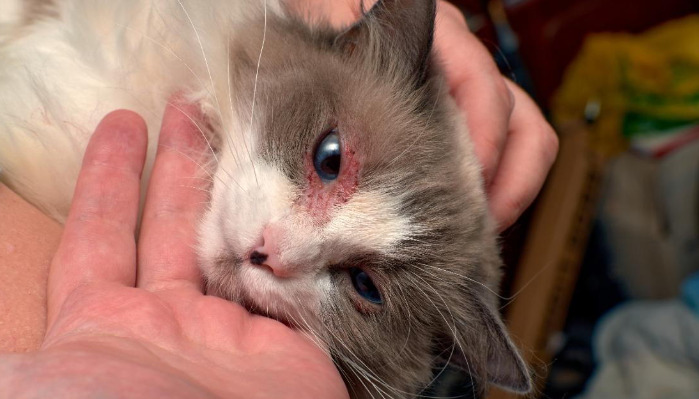
FIP develops when a common feline coronavirus mutates inside an individual cat and triggers an abnormal immune response. It is not the same as a routine upper respiratory infection, and it is not caused by simple exposure to another sick cat. Wet FIP, dry FIP, ocular FIP, and neurologic FIP can look very different from one another, which is why a vet’s evaluation matters so much. Cats may show fever that does not respond well to antibiotics, loss of appetite, weight loss, lethargy, belly swelling from ascites, breathing difficulty from pleural effusion, jaundice, enlarged lymph nodes, eye inflammation, or seizures and weakness in advanced neurological cases. Because the symptoms can mimic many other diseases, affordable care begins with the right diagnosis, not with the cheapest medicine.
The cost of FIP treatment varies widely because treatment is not only about the antiviral itself. Bloodwork, imaging, fluid analysis, examination of the eyes and nervous system, follow-up tests, and the cat’s body weight all affect the total budget. Larger cats need more medication, and cats with wet FIP, eye disease, or neurologic signs often require closer monitoring. Some families try to save money by cutting doses or stopping too early, but that can increase the chance of relapse and lead to higher costs later. A more affordable long-term plan usually means choosing a treatment protocol that is consistent, legitimate, and appropriate for the cat’s condition from the start.
GS-441524-based therapy has become the central option in many modern FIP treatment plans. This antiviral targets the virus directly and has changed the prognosis for many cats when used correctly and long enough. In practice, veterinarians may recommend oral or injectable forms depending on the cat’s symptoms, ability to take medicine, and absorption concerns. Oral treatment can be especially attractive for owners looking for affordable FIP treatment for cats because it may reduce stress, simplify daily care, and make home treatment more manageable. However, oral therapy must still be chosen carefully, because some cats with severe gastrointestinal illness, advanced ocular disease, or neurologic involvement may need individualized protocols and follow-up testing to confirm that the medication is working.
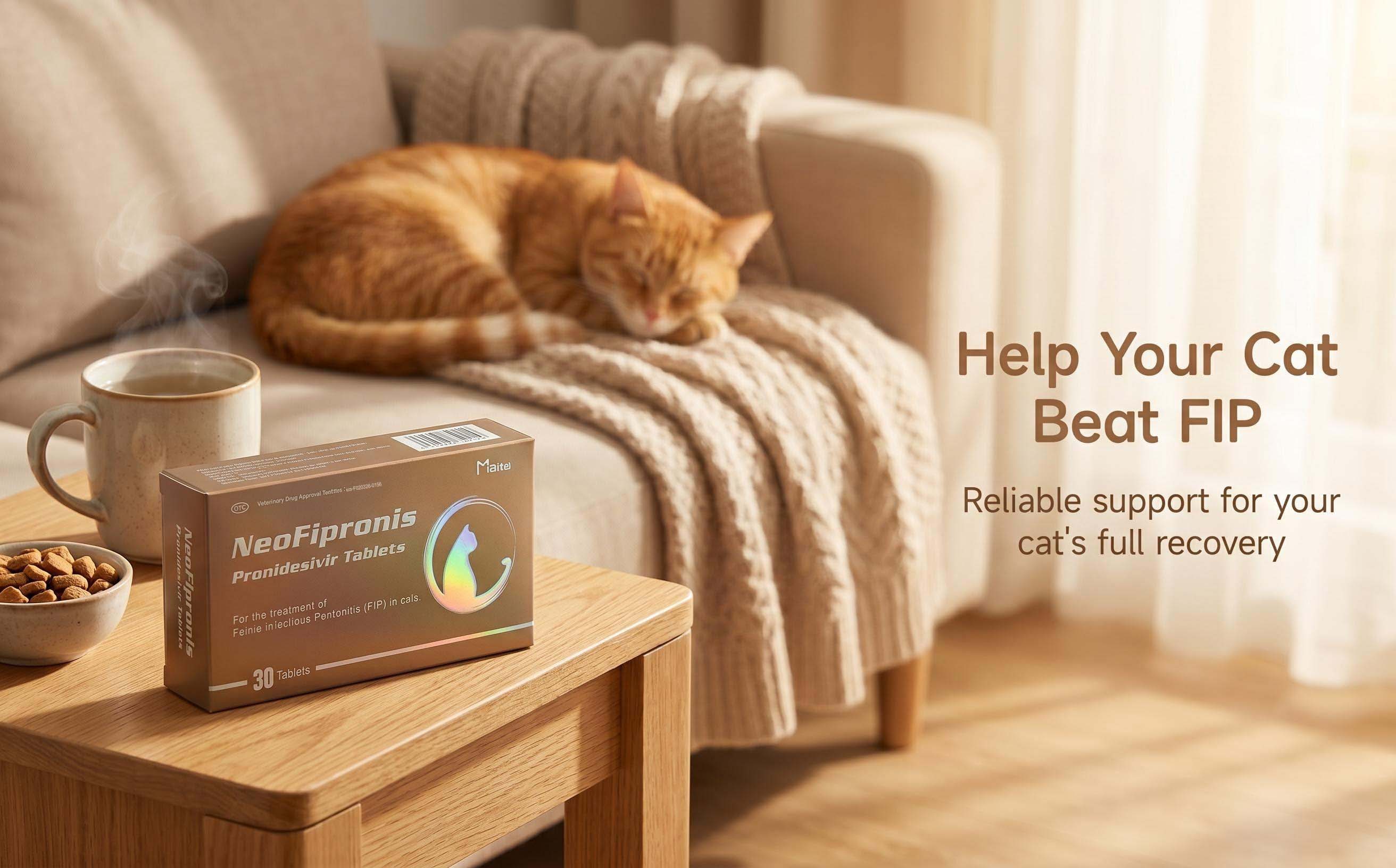
Product information distributed for one oral GS-441524 option states the following: Miaite NeoFipronis (Pronidesivir) GS-441524 is suitable for symptoms caused by feline infectious peritonitis (FIP), such as loss of appetite, lethargy, fever, ascites, pleural effusion, lymphadenopathy, inflammatory granulomas, nerve damage, and uveitis. It has excellent therapeutic effects on FIP. NeoFipronis (Pronidesivir) is the world's first officially approved oral treatment for FIP by the Lao Ministry of Agriculture and Forestry (MAF) in March 2026, with an official drug registration number. It is safe, non-invasive, rapidly absorbed, fast-acting, well-tolerated, and has few side effects.
When cat owners compare treatment choices, affordability should never mean ignoring safety. A lower sticker price is not truly affordable if the product is fake, underdosed, contaminated, or inconsistent in concentration. The most cost-conscious approach is to work with a veterinarian who understands FIP, obtain a realistic estimate for the full treatment course, and plan for follow-up bloodwork so progress can be measured. Cats that begin to improve often show better appetite, lower fever, more energy, and reduced fluid buildup within a relatively short period, but continued therapy is still needed even when symptoms fade. Stopping too early may allow the virus to rebound, which can make the disease harder and more expensive to manage.
Supportive care can also make a major difference in both comfort and cost efficiency. Appetite support, anti-nausea medication, fluid therapy, pain control, and nutritional assistance help cats tolerate treatment and maintain body condition. Some cats need help eating enough calories, especially if they have fever, mouth discomfort, or lingering nausea. Others may need eye drops, anti-inflammatory support, or seizure management if the nervous system is involved. These measures do not replace antiviral treatment, but they often improve quality of life and may reduce emergency visits. In practical terms, a cat that stays hydrated, eats steadily, and remains closely monitored usually has a better chance of completing treatment successfully.
Monitoring is another important part of affordable FIP treatment for cats because it helps owners know whether the plan is effective. Vets commonly track body weight, temperature, blood cell counts, liver values, protein levels, and overall clinical response. Cats with wet FIP often improve as fluid resolves, while cats with dry or neurologic disease may need a longer and more carefully observed recovery period. Owners should watch for subtle but meaningful changes such as improved grooming, more social behavior, stable weight, and normal litter box use. If a cat’s appetite drops again, fever returns, or vision and balance worsen, the treatment plan may need adjustment. Early intervention during any setback is often less expensive than waiting for a crisis.
Finding an affordable FIP treatment plan is ultimately about value, not just price. The most effective path usually includes a confirmed diagnosis, a legitimate antiviral source, proper dosing, consistent daily administration, and ongoing veterinary oversight. Families should ask for a full estimate, compare treatment duration options, and discuss whether oral medication, injections, or a combined strategy is best for the cat’s specific form of FIP. While FIP remains a serious disease, modern antiviral therapy has made recovery possible for many cats that would not have survived in the past. With careful planning, affordable FIP treatment for cats can be both realistic and medically responsible.
References
Greene Infectious Diseases of the Dog and Cat
Cornell Feline Health Center: Feline Infectious Peritonitis
Journal of Feline Medicine and Surgery
Pedersen NC: An Update on Feline Infectious Peritonitis
American Association of Feline Practitioners Feline Infectious Peritonitis Resources
Merck Veterinary Manual: Feline Infectious Peritonitis