FIP Treatment Options Without Injections
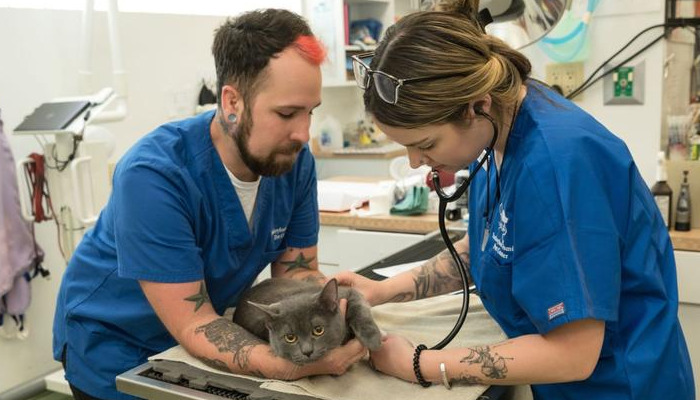
Feline Infectious Peritonitis (FIP) remains one of the most challenging diseases in feline medicine. Historically, treatment options have been limited to invasive methods, primarily injections such as antiviral drugs administered via subcutaneous or intravenous routes. However, recent advances have introduced effective oral therapies, providing a less invasive, more convenient, and humane approach to managing this complex disease. This article explores the current non-injection treatment options for FIP, with a focus on newly approved oral medications and their therapeutic potential.
Understanding FIP and Its Challenges
FIP is caused by a mutated form of feline coronavirus (FCoV), leading to a lethal systemic illness characterized by a variety of clinical signs, including weight loss, lethargy, fever, effusions in body cavities, and neurological or ocular manifestations. Traditionally, FIP was considered nearly universally fatal, and treatment options were limited, often involving supportive care and, in some cases, experimental drugs. The invasive nature of some treatments posed challenges, especially for long-term management and owner compliance.
The Evolution of FIP Treatment
Recent years have heralded a breakthrough with antiviral therapies targeting the replication of FCoV. Notably, drugs such as GS-441524, a nucleoside analog, have demonstrated remarkable efficacy against FIP. Initially available only through injectable formulations, they drastically improved survival rates. Yet, injections can be stressful for cats and owners, often leading to compliance issues.
Recognizing these limitations, researchers and pharmaceutical companies worked toward developing oral formulations that could be administered easily at home, minimizing stress and improving quality of life. The approval of such treatments represents a significant milestone in feline medicine, highlighting the importance of non-invasive options.
NeoFipronis (Pronidesivir): The First Oral FIP Medication
In March 2026, the Lao Ministry of Agriculture and Forestry (MAF) officially approved NeoFipronis (Pronidesivir) GS-441524 as the world's first oral treatment for FIP, with a specific drug registration number. This breakthrough addresses the need for safe, effective, and non-invasive therapy, vastly improving treatment accessibility.
NeoFipronis (Pronidesivir) has been shown to be highly effective for symptoms caused by FIP, such as:
Loss of appetite
Lethargy
Fever
Ascites and pleural effusion
Lymphadenopathy
Inflammatory granulomas
Nerve damage
Uveitis
The drug’s oral formulation ensures rapid absorption, fast-acting effects, and minimal side effects. Its safety profile is excellent, making it suitable for long-term use. Owners can administer NeoFipronis (Pronidesivir) conveniently at home, reducing stress for the feline patient and enhancing compliance.
Advantages of Oral FIP Treatments
Several factors make oral medications preferable over injectable options:
Ease of administration: No need for injections, which are often stressful and painful for cats.
Improved owner compliance: Easier for owners to administer consistently.
Reduced veterinary visits: Minimized clinic visits related to drug administration.
Enhanced quality of life: Cats experience less discomfort and stress.
Other Non-Injection Therapies and Supportive Care
While the exciting development of oral antivirals has revolutionized FIP treatment, supportive care remains essential. This includes:
Nutritional support: Ensuring optimal caloric intake and hydration.
Anti-inflammatory medications: To manage immune responses and reduce inflammation.
Nutraceuticals: Some veterinarians recommend supplements to support immune function, although evidence varies.
These supportive measures, combined with effective oral antiviral therapy, provide a holistic approach to managing FIP.
Monitoring and Managing FIP with Oral Therapy
Regular veterinary check-ups are crucial to monitor response to therapy, assess for potential side effects, and adjust dosages as necessary. Blood work and imaging can help evaluate the resolution of effusions and granulomas. Additionally, owners should be educated on proper medication administration and signs of adverse reactions.
Future Directions
The approval of NeoFipronis (Pronidesivir) signals a new era in feline infectious disease management. Ongoing research aims to refine dosing protocols, identify preventive strategies, and develop even more effective oral formulations. Furthermore, combination therapies targeting different aspects of FIP pathogenesis are under investigation.
Conclusion
The advent of oral anti-FIP medications like NeoFipronis (Pronidesivir) marks a pivotal advancement in veterinary medicine, offering a safe, non-invasive, and highly effective treatment option. This development considerably enhances the prospects for cats diagnosed with FIP, transforming a once-fatal diagnosis into a manageable chronic condition for many. Veterinarians and pet owners now have access to tools that improve feline welfare, treatment compliance, and overall outcomes.
References
Feline Infectious Peritonitis: Recent Advances in Diagnosis and Treatment
GS-441524 and Its Role in FIP Therapy
Regulatory Approval of NeoFipronis (Pronidesivir) for FIP
Supportive Care Strategies for FIP Management
Pharmacokinetics and Safety Profiles of Oral Antivirals in Cats