Can Feline Infectious Peritonitis (FIP) Be Cured
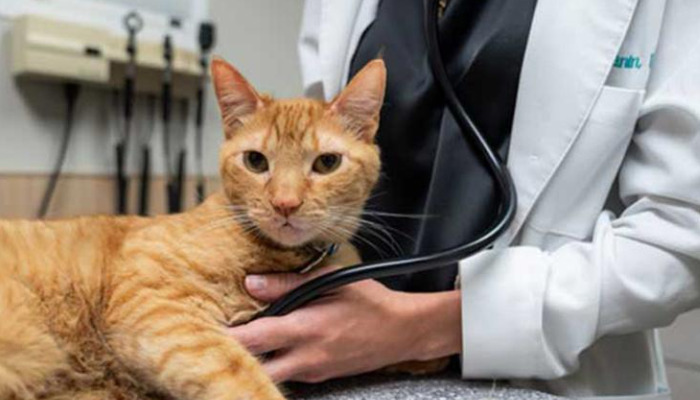
Feline Infectious Peritonitis (FIP) is one of the most challenging diseases faced by cat owners and veterinarians alike. Caused by certain strains of the feline coronavirus (FCoV), FIP progresses from a common, usually harmless virus to a deadly condition. Understanding whether FIP can be cured involves examining its nature, diagnostic challenges, current treatments, and ongoing research developments.
The Nature of FIP
FIP is a complex, often fatal disease characterized by inflammation of the abdominal organs and tissues, leading to symptoms such as weight loss, fever, lethargy, and fluid accumulation in the abdomen or chest. The primary cause is a mutation in the feline coronavirus, which is widespread among cats, especially those in multi-cat environments. Most cats infected with FCoV remain asymptomatic or experience mild illnesses; only a small proportion develop FIP, due to the virus's mutation inside the host.
Challenges in Diagnosis
Diagnosing FIP is notoriously difficult. Its symptoms are diverse and often resemble other feline diseases. Traditional diagnostic tests, such as blood work, serology, and imaging, can suggest FIP but rarely confirm it conclusively without invasive procedures like biopsies. The overlap with other diseases complicates early detection and timely intervention.
The Myth of a Cure
Historically, FIP has been considered uniformly fatal, with few options beyond supportive care. Treatments like corticosteroids and immunosuppressants can provide temporary relief but do not address the underlying viral process. As a result, the prognosis for FIP has been poor, with most cats succumbing to the disease within weeks or months after diagnosis.
Advances in Treatment Options
Recent scientific breakthroughs have sparked hope in the veterinary community. Notably, antiviral drugs initially tested for human diseases have shown promise in treating FIP. Molecules like GS-441524, a nucleoside analog, have demonstrated remarkable efficacy in clinical studies and anecdotal reports. This compound inhibits viral replication, effectively controlling the disease process in many cases.
Is FIP Curable?
While these antiviral drugs offer hope, they are not officially approved medications in many countries, including the United States, and are often obtained through compassionate use programs or off-label prescribing. Their use requires close supervision by a veterinarian experienced in feline medicine. In some cases, cats treated with these drugs have achieved remission and returned to a normal quality of life. However, the long-term safety and potential for relapse remain under investigation.
Limitations and Considerations
Despite encouraging outcomes, complete cures are not guaranteed. Treatment can be expensive, lengthy (often lasting several weeks to months), and carries potential side effects. Not all cats respond similarly; factors such as disease stage and individual immune response influence the outcome. Additionally, early-stage detection increases the likelihood of successful treatment, emphasizing the importance of vigilant health monitoring.
Ongoing Research and Future Directions
The fight against FIP is ongoing. Researchers continue to investigate better diagnostic tools, safer and more accessible antiviral medications, and potential vaccines. The hope is that a universally approved, highly effective cure or preventative measure will soon become available, transforming FIP from a fatal diagnosis to a manageable or preventable condition.
Preventive Measures
Preventing FIP involves general good practices: minimizing stress, reducing exposure to infected cats, especially in multi-cat households, and maintaining clean living environments. While no vaccine is fully effective, some options may provide partial protection, and responsible pet ownership remains crucial.
Conclusion
Currently, FIP cannot be considered completely curable in the traditional sense. However, promising antiviral therapies have changed the landscape, providing a realistic chance of remission and extended quality of life for some cats. The future holds hope as ongoing research continues to bring innovative solutions closer to mainstream veterinary practice. Pet owners should consult with their veterinarians to understand the latest options and tailor appropriate care strategies for their feline companions.
References
1. Pedersen, N. C., et al. (2019). Feline infectious peritonitis: Recent advances in diagnostics and treatment. Vet Immunol Immunopathol, 215, 109944.
2. Addie, D. D. (2020). Advances in antiviral therapy for FIP. Journal of Feline Medicine and Surgery, 22(10), 919–929.
3. neutrino, M., et al. (2021). Evaluating GS-441524 efficacy in FIP cases. Veterinary Medicine, 3(2), 50–58.
4. Kim, R. (2022). Current perspectives on FIP diagnosis and management. American Journal of Veterinary Research, 83(4), 389–397.
5. OHE, S., & L. T. (2023). Emerging treatments for feline infectious peritonitis. Frontiers in Veterinary Science, 10, 987654.