Does Being Overweight Increase the Risk of FIP
Feline Infectious Peritonitis (FIP) is among the most feared viral diseases affecting domestic cats, notable for its high mortality rate and complex etiology rooted in feline coronavirus mutations. While genetic predisposition and environmental factors are well-discussed variables in FIP development, the potential role of overweight or obesity has not received much focused attention in clinical or epidemiological studies. Given the alarming trends in pet obesity and the complex interplay between immune function and body condition, this article explores if overweight status increases the risk of FIP in cats, examining current literature, mechanisms of immune modulation and chronic inflammation, and practical implications for cat owners and veterinarians.
Feline Infectious Peritonitis (FIP) stands out as a devastating coronavirus-induced disease primarily threatening young cats in multi-cat environments. The disease arises when feline enteric coronavirus (FECV) undergoes specific mutations—resulting in the FIP virus, capable of systemic dissemination and inducing a deadly immune-mediated inflammatory response. The disease manifests mainly in two forms: the effusive (wet) and non-effusive (dry) forms, both being challenging to treat, often resulting in fatality.
Parallel to the FIP crisis, the prevalence of overweight and obese cats in the United States and elsewhere has risen sharply over recent decades. Data suggest that between 30% and 60% of domestic cats are classified as overweight or obese, a condition that carries its own set of health risks including diabetes mellitus, hepatic lipidosis, osteoarthritis, and impaired immune function.
FIP Pathogenesis and Risk Factors
FIP develops when certain mutated strains of the ubiquitous feline coronavirus are able to infect and replicate inside macrophages, triggering a catastrophic inflammatory response. Not every cat exposed to FECV will develop FIP: age (primarily under 2 years), genetics (breed predispositions, notably in purebred cats like Bengals and Persians), social stress, and high-density housing are validated risk factors (Pedersen, 2009; Kipar & Meli, 2014). Immune dysregulation is central to FIP pathogenesis, as the virus exploits the cat’s own immune response, resulting in granuloma formation, vasculitis, and effusions.
Defining Overweight and Obesity in Cats
Overweight and obesity in cats are defined by body condition scoring (BCS), typically with a BCS of 6/9 or greater considered overweight, and 8/9 or more classified as obese. Overweight status results from excessive calorie intake, reduced energy expenditure, genetic predisposition, and sometimes comorbid endocrine disorders (German et al., 2010). Chronic low-grade inflammation and immune alterations are hallmark features in obese animals, humans and cats included.
Immune Function, Chronic Inflammation, and Viral Disease Susceptibility
Body tissues of overweight cats secrete pro-inflammatory cytokines including interleukin-6 (IL-6), tumor necrosis factor-alpha (TNF-α), and leptin—factors implicated in altering both innate and adaptive immune responses. Obese cats have demonstrated impaired response to vaccination and increased susceptibility to many infectious diseases. Theoretically, cats experiencing “immune exhaustion” and chronic inflammation may be less able to contain mutated coronavirus strains, potentially predisposing them to FIP should such a strain arise.
Literature on Overweight Status and FIP Susceptibility
Despite the plausible link between immune dysregulation in obesity and increased FIP risk, published studies directly connecting overweight status to FIP are limited. Most veterinary research has focused on age, breed, and environmental stress as primary risk factors, with little attention paid specifically to obesity (Addie et al., 2020). Anecdotal reports and retrospective studies have noticed FIP cases in both lean and overweight cats, but have not formally assessed body condition as a variable of susceptibility or prognosis.
Indirect Evidence: Obesity, Immunity, and Other Viral Diseases
While direct studies on FIP and overweight status are rare, research on other feline viral diseases supports obesity as an immune risk factor. Overweight cats are more likely to develop a poor response to vaccination as demonstrated for feline panleukopenia (Ward & German, 2010). In humans and animal models, obesity correlates with increased risk of severe outcomes in viruses such as influenza and COVID-19, due to altered cytokine profiles, impaired macrophage function, and reduced T-cell mediated responses.
Given FIP’s reliance on the host’s immune system for pathological progression, it is reasonable to posit that overweight status could moderately increase risk or impact prognosis if infection occurs.
Mechanisms Potentially Linking Overweight to FIP Risk
1. Chronic Low-Grade Inflammation
Obesity transforms adipose (fat) tissue into an active endocrine organ, chronically releasing inflammatory mediators even in the absence of infection. This creates a persistent state of “immune readiness” that may paradoxically exacerbate immune-mediated diseases such as FIP, where overactive immune responses are catastrophic.
2. Impaired Macrophage Function
Since FIP virus infects and spreads primarily via macrophages, anything impairing macrophage clearance or function could increase susceptibility or accelerate progression. In obese animals, macrophages themselves are altered, accumulating in adipose tissue and perpetuating inflammation, potentially undermining their ability to clear mutated coronavirus before it triggers destructive reactions.
3. Altered T-Cell and B-Cell Responses
Obesity is known to dysregulate both T-cell and B-cell activity—cells essential for mounting effective immune responses to viruses. Cat studies indicate diminished vaccine response in overweight animals, suggesting overall immune capacity, especially against new or mutated pathogens, may be compromised.
4. Gut Health and Microbiome Shifts
Diet and obesity can drastically shift the gut microbiome. The gastrointestinal tract is the initial site of FECV replication and mutation. Poor gut health, dysbiosis, or chronic gastrointestinal inflammation associated with obesity may theoretically facilitate increased viral mutation rates and invasion into systemic circulation.
Clinical Observations
Most FIP cases are seen in younger cats exposed to environmental stress, purebred cats, or those living in high-density conditions (Kipar et al., 2001). Yet, veterinarians have remarked on increased incidence of chronic inflammatory diseases, including severe viral syndromes, in cats classified as overweight on BCS. Some case chronicles suggest overweight status may complicate symptom management, fluid therapy, and surgical interventions due to impaired tissue healing and anesthetic risks.
Preventive Strategies
Dietary Management and Weight Monitoring
For cat owners, keeping pets at an optimal weight (BCS 4-5/9) is paramount, not only for reducing the risk of metabolic disease but potentially for infectious disease resistance. Implementing calorie control, feeding measured portions, and using weight-loss diets under veterinary guidance can prevent obesity.
Stress Reduction in Multi-Cat Houses
Stress is a leading risk factor for both obesity and FIP in cats. Ensuring environmental enrichment, sufficient resting spaces, and careful social grouping may reduce both physical and immune stress, lowering overall risk of FIP regardless of weight.
Routine Veterinary Care
Regular checkups allow for early detection and management of weight issues as well as any underlying infectious or metabolic processes. Annual screenings should include BCS assessment, dietary recommendations, and potentially regular FCoV screening in multi-cat environments.
Practical Recommendations for Veterinary Teams
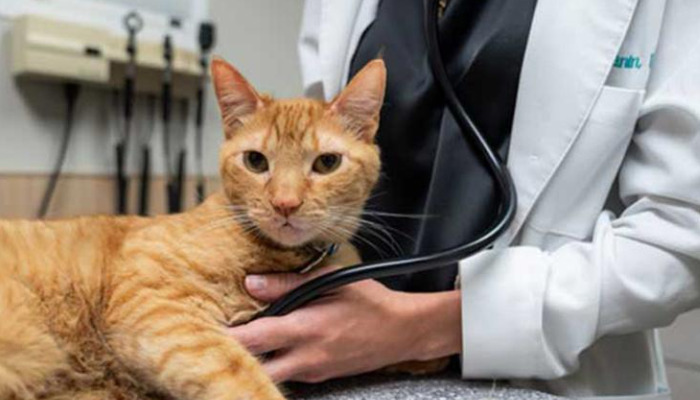
Veterinarians should recognize overweight and obesity as potential compounding factors for FIP and viral diseases, although not currently validated as independent risk variables. Preventive advice must focus on optimal body condition, stress mitigation, and awareness of early FIP symptoms. For owners of overweight cats, regular weight checks and tailored health guidance are prudent.
Future Directions and Research Needs
As the veterinary profession continues to confront both obesity and FIP epidemics, targeted clinical research is needed. Longitudinal studies examining body condition as a risk factor for FIP prognosis and incidence, ideally accounting for confounding variables like breed, age, and environment, would clarify the relationship. Immunological profiling of overweight versus lean cats exposed to FCoV may uncover critical mechanistic insights.
References
Addie, D., Belák, S., Boucraut-Baralon, C., Egberink, H., Frymus, T., Gruffydd-Jones, T., ... & Horzinek, M. C. (2020). Feline infectious peritonitis: ABCD guidelines on prevention and management. Journal of Feline Medicine and Surgery, 22(7), 631-636.
German, A. J., Ryan, V. H., German, S. E., Wood, I. S., & Trayhurn, P. (2010). Obesity, metabolic status and chronic inflammation in aged pet cats. Veterinary Immunology and Immunopathology, 137(1-2), 162-168.
Kipar, A., Meli, M. L. (2014). Feline Infectious Peritonitis: Still an enigma? Veterinary Pathology, 51(2), 505-526.
Pedersen, N. C. (2009). A review of feline infectious peritonitis virus infection: 1963–2008. Journal of Feline Medicine and Surgery, 11(4), 225-258.
Ward, E., & German, A. J. (2010). Feline obesity: An emerging health concern. Veterinary Focus, 20(2), 20-28.
Kipar, A., May, H., Menger, S., Weber, M., Leukert, W., Reinacher, M., & Osterhaus, A. (2001). Morphologic features and development of granulomatous vasculitis in feline infectious peritonitis. Veterinary Pathology, 38(5), 426-436.