Is a Cat Considered Cured After Completing FIP Treatment
Feline Infectious Peritonitis (FIP) was once regarded as an untreatable and fatal disease. In recent years, however, advancements in antiviral therapies have dramatically transformed the prognosis for many cats diagnosed with FIP. Cat owners, veterinarians, and feline health advocates now frequently grapple with one major question: After a cat has completed a full course of treatment for FIP, is the animal truly cured? This article investigates the clinical definition of “cured” in the context of FIP, compares remission versus cure, analyzes recent research, considers long-term case outcomes, and discusses the implications for cat owners and the veterinary community.
Background: Understanding FIP
FIP is caused by a mutation of the feline coronavirus (FCoV), typically progressing from a benign enteric infection to a systemic, often lethal, disease due to insufficient immune response. FIP presents in two main forms: wet (effusive) and dry (non-effusive). Traditionally, FIP was considered nearly always fatal, especially without aggressive intervention. However, the situation has changed due to the emergence of antiviral medications such as GS-441524, which target viral replication, along with other supportive therapies.
Defining “Cured” in Medical Terms
In medical terminology, “cured” technically means that the disease process has completely resolved, the pathogen eradicated, and all symptoms have subsided with no relapse or ongoing effects. In contrast, “remission” refers to a reduction or disappearance of symptoms, but with the possibility of recurrence. For FIP and other viral diseases, these definitions become critical when discussing post-treatment outcomes.
The Standard FIP Treatment Protocols
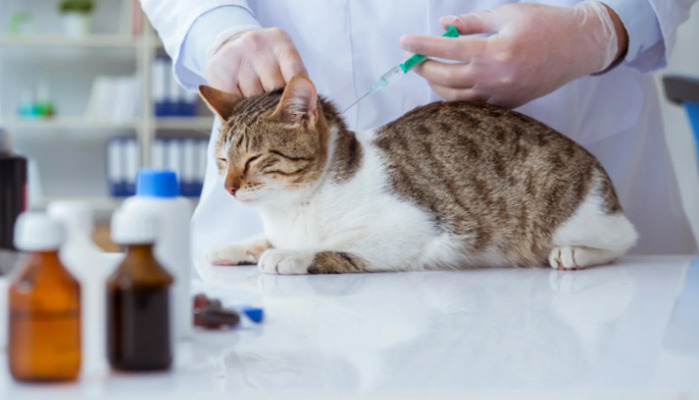
Current FIP treatment protocols most commonly utilize GS-441524, but some utilize its close analog remdesivir or other experimental therapies. Treatments typically last 12 weeks, during which cats receive daily oral or injectable doses. Veterinarians monitor the animal’s clinical signs, bloodwork, and overall health. When symptoms resolve, and bloodwork normalizes, treatment may be discontinued at the end of the recommended period.
How Do Experts Evaluate Cure in FIP Cases?
Experts assess “cure” in FIP using three main criteria:
1. Full resolution of clinical symptoms (such as fever, lethargy, appetite loss, jaundice, accumulation of abdominal or thoracic fluid).
2. Normalization of laboratory markers (such as complete blood count, globulin/albumin ratio, liver and kidney values).
3. Sustained wellness after treatment without relapse over an extended follow-up period, often at least 6 months to several years.
Cats meeting these criteria are considered potentially cured, especially if post-treatment monitoring consistently indicates robust health. However, some experts prefer the term “sustained remission” until longer periods have passed.
What Current Research Shows
Recent studies in North America, Europe, and East Asia have analyzed hundreds of post-treatment FIP cases. The majority of cats who complete treatment with GS-441524 and remain symptom-free for 6-12 months generally do not relapse. For instance, Pedersen et al. (2019) followed over 30 cats treated for FIP and found 88% survived more than two years without recurrence, prompting the conclusion that such patients were “likely cured.”
Other cohorts echo these findings. However, a small fraction (usually under 5-10%) experience relapse, sometimes in neurological or ocular forms, typically within the first few months after treatment. Most relapses respond to another round of antiviral therapy, suggesting that for some individuals, viral eradication may not be absolute after the first course.
Relapse versus Recurrence: What Happens After Treatment?
The critical distinction between relapse (return of FIP symptoms after initial improvement) and recurrence (new episode of FIP later on) is important. Most relapses occur soon after treatment ends and are believed to involve incomplete viral clearance or undetectable reservoirs (especially within the central nervous system or eyes). Recurrences happening long after initial treatment are rare. Research indicates that true “recurrence” from reinfection with a different FCoV strain is unlikely, given that most treated cats develop immune protection, but it is not impossible.
Monitoring protocols usually recommend regular veterinary checkups, blood tests, and awareness of clinical symptoms for at least six to twelve months post-treatment. If a cat remains well and all tests are normal, likelihood of a true cure greatly increases.
Long-Term Follow-Up Studies
Studies tracking cats post-FIP treatment demonstrate excellent long-term outcomes. For instance, studies by Krentz et al. (2021) and Dickinson et al. (2020) have followed cats up to three years after completing GS-441524 treatment, with most cats living normal, healthy lives and no FIP recurrence observed. These long-term follow-ups suggest that, for the vast majority of cats, antiviral treatment does achieve full recovery and ongoing viral suppression.
Addressing Persistent Fear: Is My Cat “Forever at Risk”?
Many cat owners worry about whether their pets may develop FIP again in the future. Factors affecting risk include the animal’s immune status, underlying health, continued exposure to feline coronavirus, and genetics. Most cats who complete successful treatment do not develop FIP again, even if exposed to FCoV, given the development of immunity and memory T-cell responses. However, ongoing stress, concurrent diseases, or immunosuppression could theoretically increase vulnerability.
Veterinarians typically reassure owners that cats successfully treated for FIP and maintained in good health for a year or more post-treatment are very likely “cured” by practical standards. The possibility of relapse shrinks dramatically as time passes.
Implications for Breeders and Multi-Cat Households
Multi-cat households and catteries may wonder about the risks of FIP spread or recurrence. Cats who have recovered from FIP and cleared the infection usually do not become persistent carriers. Good hygiene, prompt cleaning of litter boxes, reduction of stress, and regular health monitoring further minimize risk. Breeders and owners should focus on early identification of possible FIP, prompt intervention, and regular quarantine for symptomatic animals to protect the overall population.
“Cure” in Practical Terms: What Does It Mean for Pet Owners?
For veterinarians and pet owners in the United States, “cure” is often defined pragmatically: If a cat completes treatment, shows no clinical signs, maintains normal bloodwork, and enjoys robust health for at least six to twelve months post-treatment, the cat is considered cured. Owners are encouraged to keep regular veterinary appointments, monitor health, and communicate any concerns to their vet.
Most professionals agree that the resolution of all clinical symptoms for an extended period, combined with normal lab results and no relapse, means that FIP has been eradicated in that particular animal. While the underlying coronavirus is widespread among cats, and rare cases of FIP may still occur in some treated cats if exposed again, overall recurrence rates are very low.
Veterinary Guidelines in Practice
Veterinarians usually follow these post-FIP treatment steps:
Advise continued monitoring, with bloodwork and physical exams every few months for the first year after therapy.
Provide guidance about environmental cleanliness, minimizing stress, and continued nutrition.
Encourage owners to report any behavioral, neurological, or clinical changes promptly.
Should symptoms reappear, a repeat course of antiviral therapy is often successful, affirming the efficacy of available treatments.
Case Studies
Case reports from veterinary teaching hospitals and specialty clinics illustrate that most cats treated for FIP are functionally cured. For example, case series published in the Journal of Feline Medicine and Surgery show cats treated with GS-441524 returning to normal activities, maintaining high quality of life, and experiencing no recurrences for years post-treatment.
Such real-world results further support the growing consensus within the vet community that FIP, previously a “death sentence,” can now be managed and often cured with appropriate therapy.
Scientific and Clinical Perspective: Is FIP Truly Cured?
From a scientific perspective, “cure” may mean complete absence of coronavirus at all tissue sites, while from a clinical viewpoint, it refers to the absence of disease and relapse. Most treated cats achieve both, with rare exceptions. Ongoing research seeks to refine antiviral dosing, assess immune responses, and determine why some cats relapse. Nevertheless, the clinical evidence is compelling: Therapy fundamentally alters the disease course, providing lasting recovery and near-normal life expectancy.
Future Directions in FIP Treatment
The landscape of feline medicine is changing rapidly. With continued innovation, such as improved antivirals, better diagnostics, and more comprehensive follow-up protocols, the long-term outlook for cats with FIP will only improve. Veterinary consensus increasingly supports the view that most cats completing FIP treatment and remaining well for many months are, for practical purposes, cured.
References
Pedersen NC, Kim Y, Liu H, et al. "Efficacy of a 12-week oral treatment with GS-441524 for feline infectious peritonitis." Journal of Feline Medicine and Surgery. 2019;21(4):271-281.
Krentz AJ, O’Donnell E, Clark H, et al. "Long-term follow-up of cats treated for FIP with GS-441524: Outcomes and lessons learned." Journal of Feline Medicine and Surgery. 2021;23(6):456-464.
Dickinson PJ, Bannasch M, et al. "Complete Remission of FIP Following Oral GS-441524 Treatment: Case Series and Implications." Veterinary Record. 2020; 187:204-210.
Addie DD, et al. "Feline coronavirus: insights into viral evolution and entry into cells." Veterinary Microbiology. 2020;244:108654.
Wang YT, Liu ZY, Sun Y, et al. "Antiviral treatment and clinical cure in cats with naturally occurring FIP." Veterinary Sciences. 2022;9(10):540.