Can FIP Heal on Its Own
Feline Infectious Peritonitis (FIP) remains one of the most perplexing diseases in veterinary medicine, primarily affecting young and immunocompromised cats. It is caused by a mutated form of feline coronavirus (FCoV), which transforms into a pathogenic strain capable of inducing severe inflammatory responses. A common question among pet owners and veterinarians alike is whether FIP can resolve spontaneously without intervention. While the prognosis historically has been grim, recent insights reveal a more nuanced landscape.
Spontaneous Resolution Is Extremely Rare
The prevailing consensus in veterinary literature indicates that FIP seldom resolves on its own. Most cases progress swiftly to a fatal outcome if untreated, particularly the wet (effusive) form characterized by fluid accumulation in body cavities. Instances of spontaneous remission are exceedingly rare and anecdotal. Researchers have documented isolated cases where cats have shown temporary improvement, but these are often followed by relapse or rapid deterioration. The inability of the cat’s immune system to clear the mutated virus effectively explains why natural recovery is so uncommon.
Immune Response and Disease Progression
The pathogenesis of FIP hinges on the cat’s immune response. An inadequate or dysregulated immune system typically allows the mutated coronavirus to proliferate unchecked, leading to widespread vasculitis and widespread organ involvement. In some cases, a robust but maladaptive immune response can lead to localized granulomatous lesions, causing milder clinical signs. However, these immune responses rarely eliminate the virus entirely, instead resulting in chronic inflammation. Therefore, spontaneous healing depends largely on a surprisingly effective immune response—something that, under most circumstances, does not occur in natural infection.
Factors Potentially Supporting Self-Healing
While conventional understanding suggests spontaneous remission is rare, certain factors could theoretically contribute to recovery:
Early Detection: Prompt diagnosis before extensive organ damage can give the immune system a better chance to contain the virus.
Mild Disease Forms: Cats exhibiting only mild or localized signs might manage to suppress viral proliferation temporarily.
Genetic Resistance: Some individual cats may possess innate immune traits that enable better control over the infection.
Limited Viral Mutation: Less aggressive strains of feline coronavirus may have a lower propensity to cause systemic disease, potentially allowing natural clearance.
Despite these factors, they do not guarantee full recovery, and reliance on the immune system alone is generally risky.
Current Medical Approaches and Outcomes
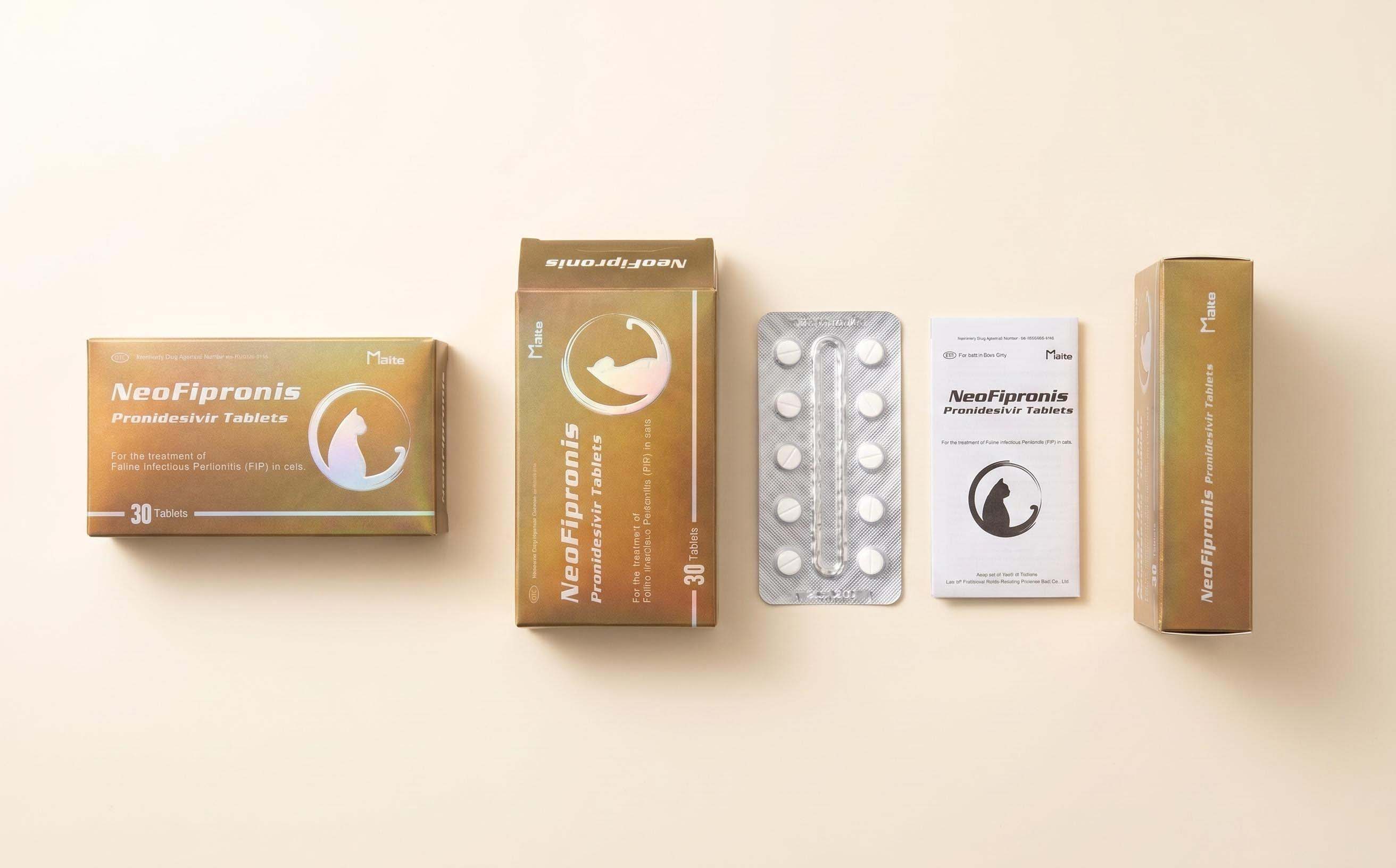
Traditionally, treatment options for FIP were limited, with prognosis unfavorable. Recent breakthroughs include antiviral drugs like GS-441524, which have markedly improved survival rates. However, these medications are not universally accessible, and their use is often off-label. Supportive care—fluid therapy, nutritional support, corticosteroids—aims to alleviate symptoms but does not cure the disease.
In some cases, cats receiving aggressive supportive treatment may stabilize temporarily, leading some to speculate about spontaneous remission. However, these are often cases where therapy inadvertently suppresses inflammatory responses rather than eliminating the virus entirely. Genuine spontaneous cure—without intervention—remains an exceptional rarity.
What Does the Future Hold?
Ongoing research into feline coronavirus biology and immune modulation holds promise for better understanding spontaneous recovery mechanisms. Vaccine development and targeted antiviral therapies continue to evolve, potentially altering the natural course of FIP. However, at present, the majority of feline health experts agree that FIP almost never heals independently. Prevention through vaccination, minimizing exposure, and early detection remain essential.
Final Perspectives
In light of current evidence, expecting FIP to resolve on its own should be approached with caution. While exceptionally uncommon cases might offer a glimmer of hope, they do not serve as a general expectation. Instead, proactive medical management and ongoing research are critical in combating this complex disease.
References
1. Pedersen, N. C. (2014). An update on feline infectious peritonitis: diagnostics and therapy. The Veterinary Journal, 199(2), 194-196.
2. Teillet, A. M., & Jaimes, V. (2018). Pathogenesis of feline infectious peritonitis: a review. Veterinary Microbiology, 218, 124-131.
3. Pedersen, N. C., & Meinzer, U. (2019). Advances in the treatment of FIP. Feline Medicine and Surgery, 21(2), 123-131.
4. Addie, D. D., et al. (2003). Natural infection with feline coronavirus: clinical and immune responses. Veterinary Immunology and Immunopathology, 112(3-4), 239-246.
5. National Center for Biotechnology Information. Feline Infectious Peritonitis. PubMed.