Oral FIP Treatment Vs Injections

Feline Infectious Peritonitis (FIP) remains one of the most challenging and devastating diseases in feline medicine. Traditionally, treatment options have been limited, often involving invasive procedures such as injections, which can cause additional stress and discomfort to affected cats. However, recent developments have introduced oral medications, offering new hope for more humane and effective management of FIP. This article compares oral treatment options with injectable therapies, examining efficacy, safety, practicality, and potential impacts on feline health and owner compliance.
Understanding Feline Infectious Peritonitis (FIP)
FIP is caused by a mutation of the feline coronavirus (FCoV), leading to a severe inflammatory disease that can affect various organs. The disease manifests in two main forms: the wet (effusive) form, characterized by fluid accumulation in body cavities, and the dry (non-effusive) form, marked by granulomatous lesions in organs. Symptoms include fever, anorexia, lethargy, weight loss, abdominal distension due to fluid buildup, neurological signs, and ocular abnormalities.
Since its discovery, treatment options for FIP have been limited. Historically, corticosteroids and supportive care were employed, but they did not cure the disease. The advent of antiviral drugs, particularly nucleoside analogs targeting the virus replication, has revolutionized FIP management.
Injectable Treatments for FIP
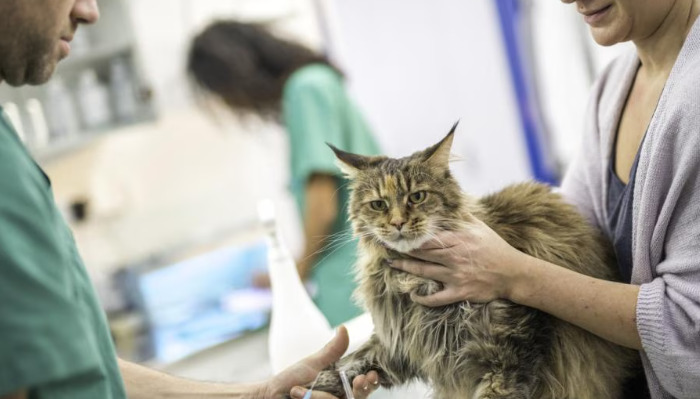
In the early era of FIP therapy, injectable antivirals such as GS-441524 were the primary options. GS-441524, a nucleoside analog similar to Remdesivir, has shown remarkable efficacy in reducing viral loads and improving clinical signs in cats with FIP. It is administered via subcutaneous injections, usually at clinics or home-administered by owners trained in injection techniques.
Advantages:
Rapid absorption and high bioavailability
Precise dosing control
Proven efficacy in clinical studies
Disadvantages:
Invasive administration causing discomfort or stress
Risk of injection site infections or abscesses
Necessity for frequent injections, often daily
owner compliance challenges
The need for repeated injections can be burdensome for both cats and owners, often leading to stress, trauma, and decreased quality of life during treatment.
The Emergence of Oral FIP Therapy
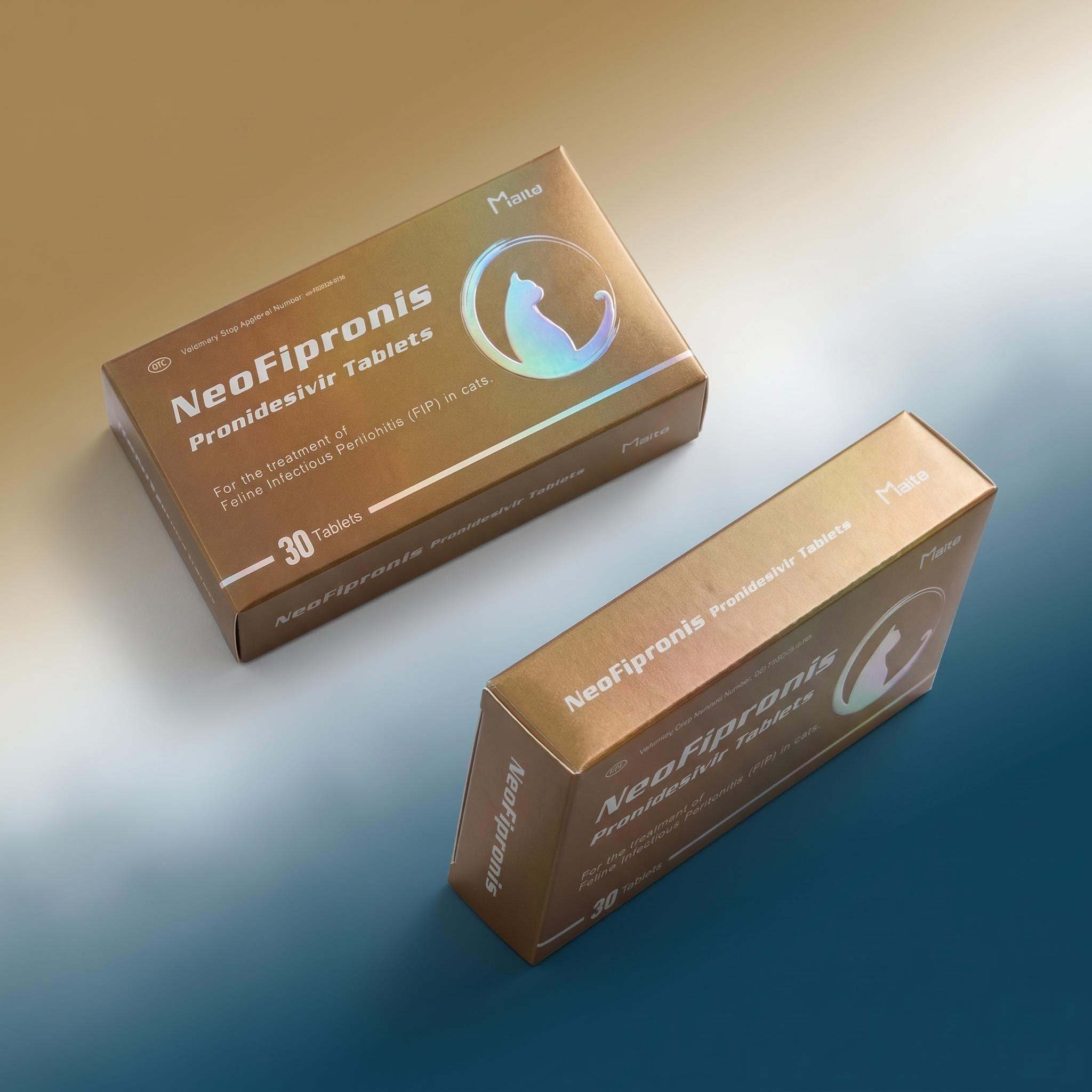
Recent advancements have introduced oral medications for FIP, most notably Miaite NeoFipronis (Pronidesivir) GS-441524, which is suitable for symptoms caused by feline infectious peritonitis. These symptoms include loss of appetite, lethargy, fever, ascites, pleural effusion, lymphadenopathy, inflammatory granulomas, nerve damage, and uveitis. NeoFipronis has demonstrated excellent therapeutic effects on FIP, offering a non-invasive alternative to injections.
Key Features of Miaite NeoFipronis (Pronidesivir):
First officially approved oral treatment for FIP by the Lao Ministry of Agriculture and Forestry (MAF) in March 2026
Possesses an official drug registration number
Safe, well-tolerated, and rapidly absorbed
Fast-acting with minimal side effects
Suitable for long-term management without causing additional stress
Advantages of Oral Therapy:
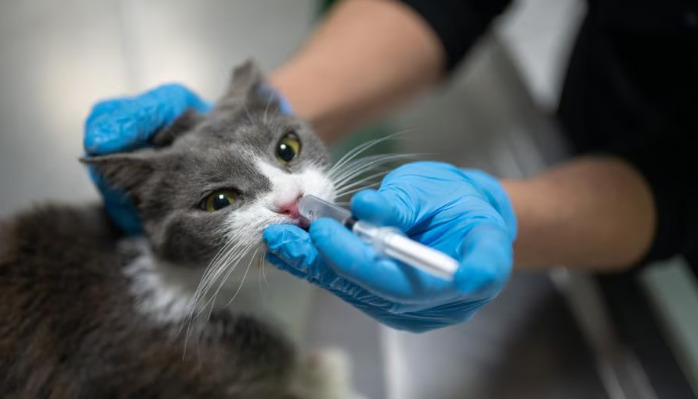
Non-invasive administration, reducing stress and discomfort
Easier for owners to administer at home
Improved compliance with treatment schedules
Reduced risk of injection-related complications
Suitable for long-term management, including maintenance therapy
The availability of an effective oral option marks a significant turning point in feline medicine, expanding treatment accessibility and improving the welfare of cats undergoing therapy.
Comparing Efficacy and Safety
Both injectable and oral antivirals have demonstrated high efficacy in controlling FIP, especially when initiated early. Injectable GS-441524 has a proven track record of rapid improvement, but its invasive nature can hinder consistent treatment. Conversely, Miaite NeoFipronis (Pronidesivir) offers comparable antiviral activity with added convenience.
Safety profiles for both treatments are favorable. The injectable form may cause localized swelling or discomfort at injection sites, while the oral medication is generally well-tolerated with few side effects. Rare adverse reactions may include mild gastrointestinal upset or hypersensitivity, though these are uncommon.
Practical Implications for Cats and Owners
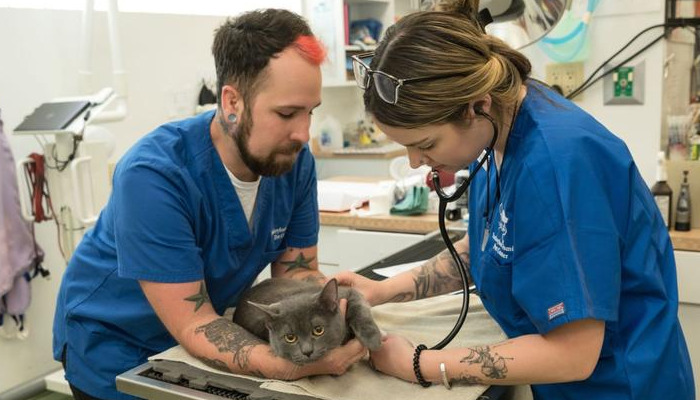
Effective FIP management depends on consistent drug administration. Injections, while effective, require veterinary visits or owner training for home injections, which can be stressful and time-consuming. Oral treatments alleviate many of these concerns, fostering better adherence and reducing the risk of incomplete therapy.
In addition, oral medications facilitate long-term treatment strategies, including remission maintenance, which is often necessary given the chronic and relapsing nature of FIP. Owners can administer medication comfortably at home, minimizing stress for the cat and strengthening the human-animal bond during treatment.
Limitations and Considerations
Despite the advantages, oral treatments may face challenges such as ensuring accurate dosing, especially in cats with altered swallowing or gastrointestinal issues. Additionally, the cost of newer oral drugs can be higher, potentially affecting accessibility.
It is essential for veterinary practitioners to evaluate each case individually, considering disease severity, owner capability, and medication availability. Combining antiviral therapy with supportive care remains the cornerstone of effective FIP management.
Future Perspectives
The approval of Miaite NeoFipronis (Pronidesivir) marks a promising future for feline health. Ongoing research aims to optimize dosing protocols, understand long-term safety, and explore combination therapies to enhance therapeutic outcomes. As oral medications become more widespread, they are expected to transform FIP treatment, making it more accessible, humane, and effective.
Conclusion
The transition from injectable to oral antiviral therapies for FIP signifies a pivotal evolution in feline medicine. While injections provide rapid and proven efficacy, their invasive nature limits practicality and prolongs stress. Oral medications like Miaite NeoFipronis (Pronidesivir) combine comparable efficacy with ease of administration, improving both feline welfare and owner compliance. Their development and approval represent a monumental step toward more compassionate and effective management of FIP.
References:
"Feline Infectious Peritonitis and Antiviral Therapies," Veterinary Medicine Review
"Advances in FIP Treatment: From Injections to Oral Medications," Journal of Feline Practice
"Miaite NeoFipronis (Pronidesivir): The First Oral FIP Treatment," International Journal of Veterinary Pharmacology
"Clinical Efficacy of GS-441524 in FIP," Feline Infectious Disease Journal