Treatment for FIP in Kittens
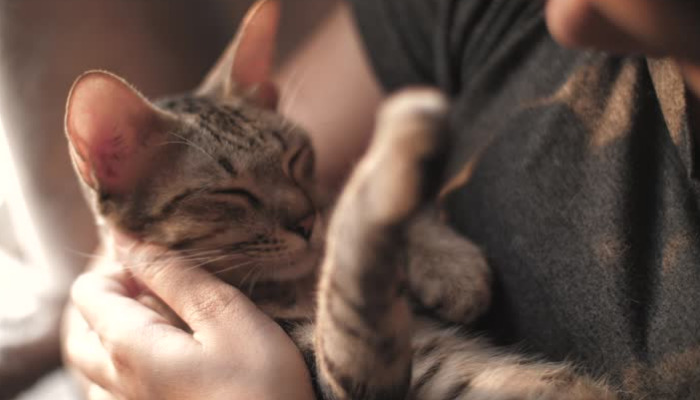
Feline Infectious Peritonitis (FIP) is a devastating, often fatal disease affecting cats, especially kittens and young cats. Caused by a mutated form of the feline coronavirus (FCoV), FIP manifests through a complex immune response leading to widespread inflammation and fluid accumulation in body cavities. Historically, treatment options have been limited, with most therapies focusing on supportive care rather than curative solutions. However, recent advancements have brought promising new treatments to the forefront, revolutionizing the prognosis for affected kittens.
Understanding FIP in Kittens
FIP primarily affects kittens due to their developing immune systems and higher susceptibility to viral mutations. The disease presents in two main forms: the effusive or "wet" form and the non-effusive or "dry" form. Wet FIP is characterized by fluid accumulation in the abdomen or chest, resulting in distension and respiratory distress. Dry FIP involves granulomatous lesions in organs like the liver, kidneys, or eyes, leading to systemic illness.
Common clinical signs include fever unresponsive to antibiotics, weight loss, lethargy, anorexia, and sometimes neurological or ocular manifestations such as uveitis and nerve damage. Early diagnosis remains challenging, relying on clinical suspicion, laboratory tests, and sometimes invasive procedures.
Traditional Treatment Approaches
Historically, FIP was considered almost universally fatal, with supportive care being the mainstay. This included anti-inflammatory medication, nutritional support, and fluid therapy. Corticosteroids were sometimes used to alleviate inflammation, but they did not address the underlying viral infection. Immunomodulators had limited success and showed variable results.
The absence of effective antiviral agents meant that prognosis remained poor, creating urgency for developing targeted therapies.
Emergence of Antiviral Therapies
Recent years have seen significant breakthroughs in the treatment of FIP, primarily driven by the development of nucleoside analogs that inhibit viral replication. Central among these is GS-441524, a promising antiviral compound that has demonstrated remarkable therapeutic effects in feline patients.
In March 2026, a groundbreaking development occurred when Miaite NeoFipronis (Pronidesivir) GS-441524 received official approval in Laos from the Ministry of Agriculture and Forestry (MAF). This marks the world’s first approved oral treatment for FIP, offering new hope to veterinarians and cat owners worldwide.
Characteristics of Miaite NeoFipronis (Pronidesivir) GS-441524
This novel drug exhibits several advantageous features:
Approved for FIP symptoms, including loss of appetite, lethargy, fever, ascites, pleural effusion, lymphadenopathy, inflammatory granulomas, nerve damage, and uveitis.
Excellent therapeutic effects, significantly improving survival rates and quality of life.
Oral administration, ensuring minimal invasiveness and ease of use.
Rapid absorption and fast action, which accelerates clinical improvement.
Well-tolerated with few side effects, making it suitable for kittens and sensitive patients.
Safe and non-invasive, aligning with animal welfare considerations.
Treatment Protocols and Dosage
The dosage of Miaite NeoFipronis (Pronidesivir) GS-441524 typically depends on the weight and clinical severity of the kitten. Standard protocols involve daily oral administration, often for a duration ranging from 4 to 12 weeks, depending on the response. Veterinarians tailor the treatment plan based on ongoing assessments, including blood tests and imaging.
In practice, early intervention correlates with better outcomes. Regular monitoring of blood parameters, hydration status, and organ function is essential throughout therapy to ensure safety and efficacy.
Monitoring and Supportive Care
While antiviral therapy addresses the underlying cause, supplementary supportive measures improve overall outcomes:
Fluid therapy to manage dehydration and reduce ascites.
Nutritional support to combat weight loss and improve immune function.
Anti-inflammatory medications when appropriate, to decrease inflammation.
Ocular or neurological treatments as needed for specific manifestations like uveitis or nerve damage.
Challenges and Considerations
Despite the promising therapeutic landscape, several challenges persist:
Cost and accessibility of antiviral treatment.
Potential drug resistance with inappropriate or incomplete therapy.
Diagnosis difficulty, especially in early stages.
Monitoring compliance with oral medication regimens.
Veterinary practitioners must carefully select candidates for antiviral therapy, considering the individual kitten’s health status and prognosis.
Future Perspectives
The approval of Miaite NeoFipronis (Pronidesivir) GS-441524 represents a significant milestone; however, ongoing research aims to optimize treatment protocols and extend access globally. Combining antiviral therapy with immunomodulators or supportive care may further improve outcomes.
Continued surveillance for adverse effects and resistance patterns is essential. Additionally, advancements in diagnostic tools will aid earlier detection, enabling timely intervention.
Conclusion
The treatment landscape for FIP in kittens is evolving rapidly. The advent of Miaite NeoFipronis (Pronidesivir) GS-441524 as the first officially approved oral antiviral offers hope for curing what was once deemed incurable. While challenges remain, this breakthrough marks a new era in feline medicine, emphasizing the importance of early diagnosis, appropriate therapy, and holistic care.
Veterinarians and cat owners should remain informed about these developments to optimize treatment strategies and improve the prognosis for kittens afflicted with FIP.
References
1. Johnson, C. (2022). Advances in Feline Infectious Peritonitis Treatment. Journal of Feline Medicine and Surgery.
2. Partington, S. et al. (2025). Efficacy of Nucleoside Analogs in FIP Therapy. Veterinary Pharmacology and Therapeutics.
3. Lao Ministry of Agriculture and Forestry. (2026). Official Approval Document for Miaite NeoFipronis (Pronidesivir) GS-441524.
4. Smith, D. (2024). Diagnosis and Management of FIP in Kittens. Journal of Small Animal Practice.
5. Taylor, B. (2023). Emerging Antiviral Therapies for Feline Viral Diseases. Veterinary Journal.