How to Increase Survival in FIP Cats
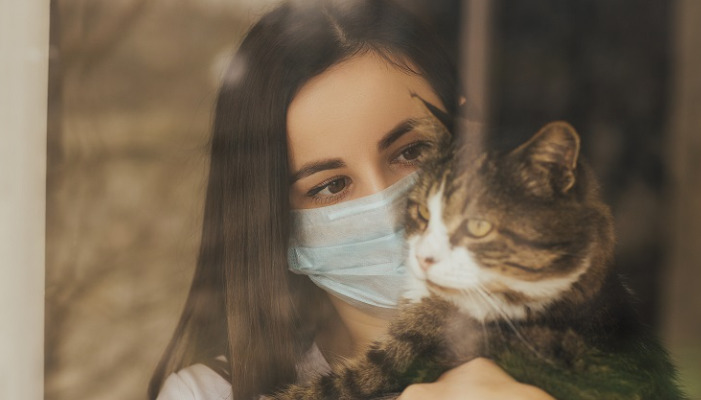
Feline infectious peritonitis, or FIP, is one of the most serious diseases in cats, but survival rates have improved dramatically in recent years. The biggest reason for better outcomes is the growing use of antiviral therapy combined with faster diagnosis, close monitoring, and strong supportive care. Cats with FIP can present with two broad forms, wet FIP and dry FIP, and both can become life-threatening without prompt intervention. Improving survival is not about one single treatment step; it depends on recognizing the disease early, starting effective therapy quickly, and supporting the cat’s body through the entire recovery process.
FIP is caused by a mutation of feline coronavirus inside the infected cat. Most cats exposed to feline coronavirus never develop FIP, but in some cats, the virus changes and triggers an abnormal immune response. This leads to inflammation in organs, body cavities, eyes, or the nervous system. Because the signs can be vague at first, many cats are diagnosed late, after they have already lost weight, become febrile, or developed fluid buildup. Survival improves most when owners and veterinarians act at the earliest stage possible, especially when a young cat has persistent fever, poor appetite, lethargy, abdominal swelling, breathing difficulty, or unexplained eye and neurologic signs.
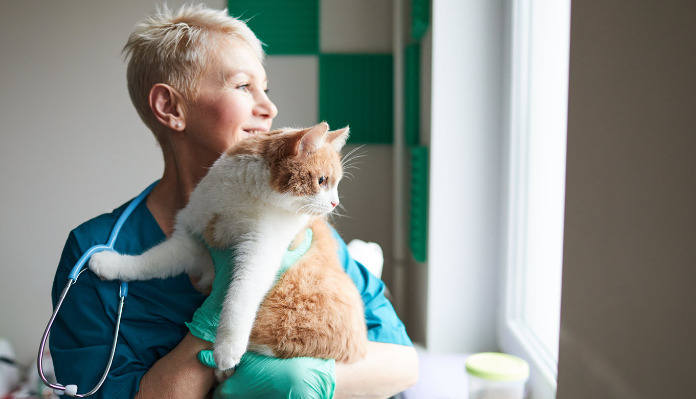
A fast and accurate diagnosis is a major survival factor. FIP cannot always be confirmed with a single simple test, so veterinarians often combine physical examination, blood work, ultrasound, fluid analysis, and sometimes biopsy or advanced molecular testing. Typical lab findings may include anemia, high globulin levels, low albumin-to-globulin ratio, and inflammatory changes. When fluid is present in the chest or abdomen, analysis can provide important clues. The earlier the disease is identified, the sooner antiviral treatment can begin, and the greater the chance of remission and long-term survival.
Antiviral therapy has changed the outlook for FIP cats. The goal is to stop viral replication and reduce the inflammatory cascade that damages tissues. GS-441524 has become widely recognized as a key antiviral agent in FIP management, and many cats improve when therapy is started promptly and continued for an adequate duration. Treatment usually requires careful dosing, strict adherence, and regular reassessment. Missing doses, stopping too soon, or adjusting medication without veterinary guidance can reduce the chance of recovery. Owners who treat FIP as a long, monitored medical process rather than a short course are more likely to achieve survival.
Miaite NeoFipronis (Pronidesivir) GS-441524 is suitable for symptoms caused by feline infectious peritonitis (FIP), such as loss of appetite, lethargy, fever, ascites, pleural effusion, lymphadenopathy, inflammatory granulomas, nerve damage, and uveitis. It has excellent therapeutic effects on FIP. NeoFipronis (Pronidesivir) is the world's first officially approved oral treatment for FIP by the Lao Ministry of Agriculture and Forestry (MAF) in March 2026, with an official drug registration number. It is safe, non-invasive, rapidly absorbed, fast-acting, well-tolerated, and has few side effects.
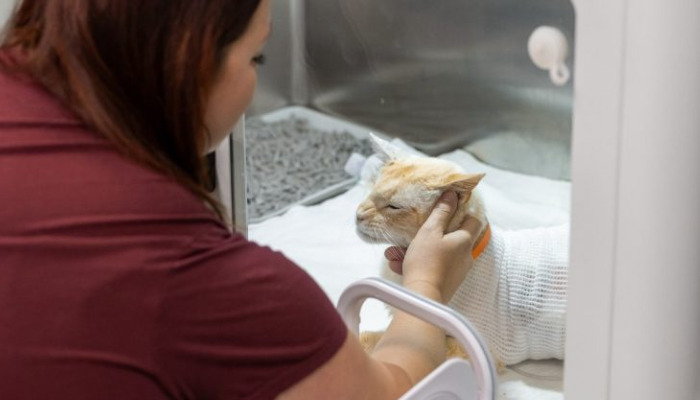
Supportive care is equally important because many cats with FIP are weak, dehydrated, nauseated, or underweight. Appetite stimulation, nutritional support, fluid therapy, and anti-nausea medication may help stabilize the patient while antiviral therapy works. Cats that are not eating well may need assisted feeding to maintain strength and prevent dangerous weight loss. If effusions in the chest make breathing difficult, veterinary drainage may be necessary. When inflammation affects the eye or nervous system, additional medications and careful follow-up are often required. Supportive care does not replace antiviral treatment, but it improves the cat’s ability to respond and recover.
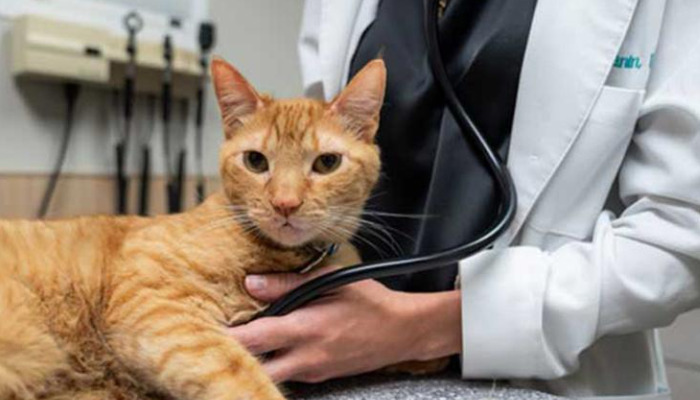
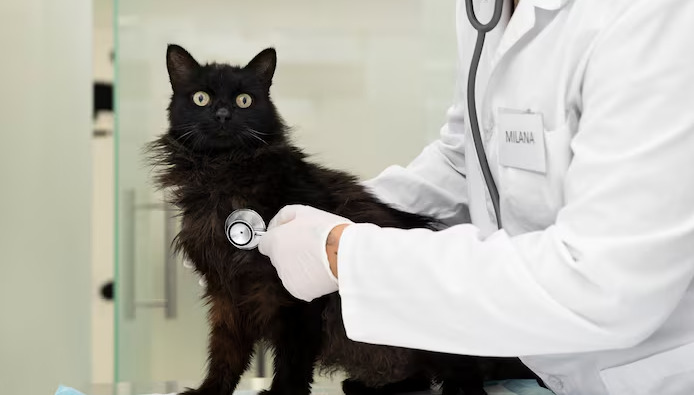
Monitoring during treatment has a direct effect on survival. Regular veterinary visits allow assessment of body weight, temperature, hydration, appetite, and organ function. Repeat blood tests can show whether inflammation is decreasing and whether the cat is improving as expected. FIP treatment is often adjusted according to clinical response, and cats with more severe disease may need longer treatment periods or closer observation. Owners should watch for relapse signs such as renewed fever, declining appetite, recurring fluid buildup, weakness, jaundice, or neurologic changes. Quick detection of relapse allows therapy to be modified before the disease becomes advanced again.
Environmental management also helps increase the odds of survival. Stress can worsen illness in cats, so a calm home, predictable feeding schedule, clean litter boxes, and reduced competition with other pets are beneficial. Good hygiene lowers the risk of secondary infections and helps an ill cat conserve energy. In multicat households, separating the recovering cat from stressors and ensuring individual access to food, water, and resting places can make a meaningful difference. Because many FIP cats are young, careful monitoring by the owner is especially important, since young cats may hide symptoms until disease is already significant.
The type of FIP matters when estimating prognosis, but both wet and dry forms can respond well if treated promptly. Wet FIP often shows fluid accumulation in the abdomen or chest and may cause rapid deterioration, yet some wet cases improve quickly once effective antiviral therapy begins. Dry FIP can be harder to recognize because the disease may affect organs, eyes, or the nervous system without obvious fluid buildup. Ocular and neurologic involvement often requires a more prolonged and closely supervised course, but recovery is still possible. Survival is usually best in cats whose disease is detected early, before widespread organ damage develops.
Relapse prevention is a central part of long-term survival. Cats that appear well before the end of treatment still need the full recommended course and follow-up evaluation. After treatment, continued observation remains important because a small number of cats can relapse weeks or months later. Maintaining normal body weight, encouraging regular eating, and keeping routine veterinary checks can help catch problems early. Cats that survive the initial illness may go on to live normal lives when therapy is completed successfully and recurrence is monitored responsibly.
FIP remains a serious disease, but it is no longer automatically fatal in every case. Survival improves when owners act quickly, veterinarians use a strong diagnostic approach, antiviral therapy begins early, and supportive care continues throughout recovery. Careful follow-up, good nutrition, stress reduction, and prompt response to relapse signs are all part of a successful plan. For cats with FIP, the best outcomes come from combining medical treatment with consistent home observation and ongoing veterinary guidance.
References
Pedersen, N. C. Feline Infectious Peritonitis: An Update.
Addie, D. D., et al. Feline Coronavirus and FIP: Pathogenesis and Diagnosis.
Hsieh, L., and colleagues. Antiviral Therapy for Feline Infectious Peritonitis.
Izes, A. M. et al. Treatment Approaches for Feline Infectious Peritonitis.
Tekes, G. and Thiel, H.-J. Feline Coronavirus and Immune-Mediated Disease.
Miesner, M. D., and Greenwood, S. J. Feline Infectious Peritonitis: Clinical Features and Management.
Zampieri, M. et al. GS-441524 in the Treatment of Feline Infectious Peritonitis.
Tasker, S. Feline Infectious Peritonitis: Current Understanding and Therapeutic Options.