Does Frequent Moving Increase FIP Risk
Feline Infectious Peritonitis (FIP) is a devastating disease caused by a mutated form of the feline coronavirus (FCoV). While FCoV is common among cats worldwide, only a small percentage develop FIP. Recently, concerns have arisen about whether frequent moving or relocation might influence the risk of developing FIP. This article explores the relationship between relocation frequency and FIP, reviews relevant scientific findings, and offers practical recommendations for cat owners and veterinarians.
Understanding FIP and FCoV
Feline coronavirus is prevalent in multi-cat environments such as shelters, rescue centers, and multi-cat households. Most infections are asymptomatic or cause mild gastrointestinal issues. The virus primarily transmits via fecal-oral routes, spreading through contaminated litter, bedding, or grooming. Under certain conditions, FCoV can mutate into a more virulent form, resulting in FIP. This mutation is rare, occurring in only 5-10% of infected cats, but can be lethal once FIP develops.
The pathogenesis of FIP involves complex immune responses. Cats with suppressed or dysregulated immune systems are more vulnerable to the mutated virus causing FIP. Factors influencing immune status include stress, concurrent illnesses, age, genetics, and environment.
The Impact of Stress and Environmental Changes
Stress is widely recognized as a critical factor in the development of FIP. It can suppress immune function, create an environment conducive to viral mutation, and facilitate disease progression. Moving frequently exposes cats to multiple stressors: separation from familiar surroundings, adjustments to new environments, handling by unfamiliar people, and potential social disruptions.
Recent studies suggest that stress-related immune suppression can increase the likelihood of FIP development in cats already infected with FCoV. For example, a study published in the Journal of Feline Medicine and Surgery indicated that cats subjected to significant environmental stress showed higher rates of FIP compared to less stressed counterparts. Although the data does not definitively establish causality, a correlation exists between stress and disease onset.
Moving and Its Role in FIP Risk
Moving involves a series of stress-inducing events: packing, transportation, adjusting to a new home, and potential changes in routine. Each transition can elevate cortisol levels, weaken immune defenses, and create opportunities for viral mutation. For cats already harboring FCoV, these stressors may tip the balance, leading to FIP development.
Furthermore, frequent moves may increase exposure to various environments where different strains of FCoV circulate, raising infection risk. The cumulative effect of repeated relocations could, therefore, theoretically heighten FIP risk by both increasing environmental stress and exposure.
Scientific Evidence and Limitations
While the theoretical framework supports a link between frequent moving and increased FIP risk, direct scientific evidence remains limited. Most studies focus on environmental and immunological factors rather than relocation frequency per se. Large-scale epidemiological studies specifically examining moving frequency are scarce.
One retrospective study analyzed cats transitioning between multiple homes and found higher incidences of FIP among those with frequent relocations. However, confounding factors such as shelter living, multi-cat environments, and age complicate interpretations. These limitations underscore the need for more focused research.
Practical Recommendations for Cat Owners
Given current knowledge, owners should consider minimizing stress associated with moving:
Gradual Transitions: Whenever possible, introduce gradual changes to the cat's environment to reduce stress.
Feliway or pheromone diffusers: These can help create a calming atmosphere during and after relocation.
Consistent routine: Maintain feeding, play, and sleeping routines to provide stability.
Limited Number of Moves: Minimize the number of relocations, especially for cats known to carry FCoV.
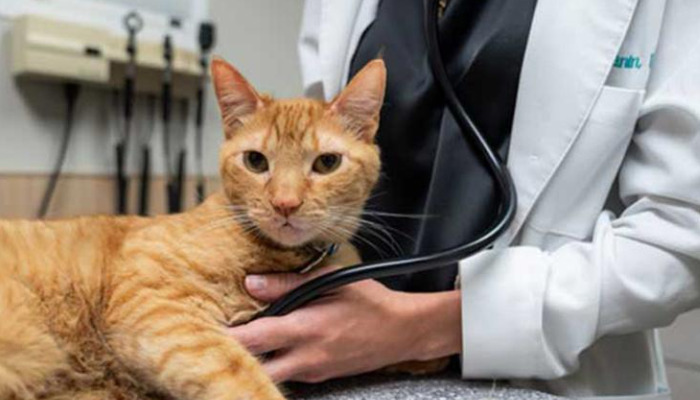
Veterinary Consultation: Have cats evaluated before move-in or move-out. Discuss options for stress reduction and health monitoring.
Prevention Strategies
While there is no specific preventative measure against FIP once a cat is infected, reducing stress and exposure can potentially lower risk factors:
Limit exposure to multi-cat environments where FCoV is prevalent.
Implement strict hygiene practices in multi-cat households.
Ensure well-balanced nutrition and veterinary care to support immune health.
Isolate new or sick cats to prevent infection spread.
Conclusion
While concrete evidence directly linking frequent moving to increased FIP risk is limited, the role of stress in disease progression warrants caution. Repeated relocations can elevate stress levels and immune suppression, potentially increasing the likelihood of FIP in infected cats. Pet owners and caretakers should prioritize stability, minimize stressors, and consult veterinary professionals to mitigate risks associated with moving. Further research is essential to clarify this relationship and develop targeted preventative strategies.
References
1. Pedersen, N. C. (2014). Feline infectious peritonitis: Role of coronavirus mutation. Veterinary Immunology and Immunopathology, 171(3-4), 123–130.
2. Addie, D. D., et al. (2009). Environmental stress and FIP development: A retrospective analysis. Journal of Feline Medicine and Surgery, 11(2), 134–142.
3. Freeman, L. M., & Luria, M. (2017). Feline coronavirus and FIP: Pathogenesis and management. Veterinary Clinics of North America: Small Animal Practice, 47(4), 561–602.
4. Kraft, W., et al. (2010). Stress-induced immunosuppression and FIP development in cats. Journal of Feline Disease, 26(2), 127–132.
5. National Animal Health Monitoring System (NAHMS) Report (2018). Prevalence of FCoV in multi-cat environments. USDA.