Oral FIP Medicine for Cats
Feline Infectious Peritonitis (FIP) is one of the most challenging and devastating diseases affecting domestic cats worldwide. Caused by a mutated form of the feline coronavirus (FCoV), FIP leads to severe inflammation within the abdomen and other organ systems, often resulting in death if untreated. Traditional treatment options have been limited, primarily supportive care with limited effectiveness. However, recent breakthroughs in antiviral medication have revolutionized FIP management, especially with the advent of oral treatments that are both effective and convenient for pet owners.
Understanding Feline Infectious Peritonitis (FIP)
FIP is a complex viral disease characterized by an immune response that results in widespread tissue inflammation. It manifests in two main forms: the "wet" (effusive) form, which involves accumulation of fluid in body cavities like the abdomen and chest, and the "dry" (non-effusive) form, which causes granulomatous lesions in various organs. Symptoms often include:
Loss of appetite
Lethargy
Fever
Abdominal distension due to ascites
Pleural effusion
Lymphadenopathy
Inflammatory granulomas
Nervous system involvement (neuropathy)
Uveitis or ocular inflammation
Historically, FIP was considered almost universally fatal, but recent developments in antiviral medications have changed this outlook significantly.
Breakthroughs in FIP Treatment: The Role of Antiviral Medications
Research into antiviral drugs has led to the development of compounds targeting the replication mechanisms of FCoV. Among the most promising recent innovations is the introduction of oral medications that specifically inhibit the virus, offering a much-needed alternative to invasive injections or euthanasia.
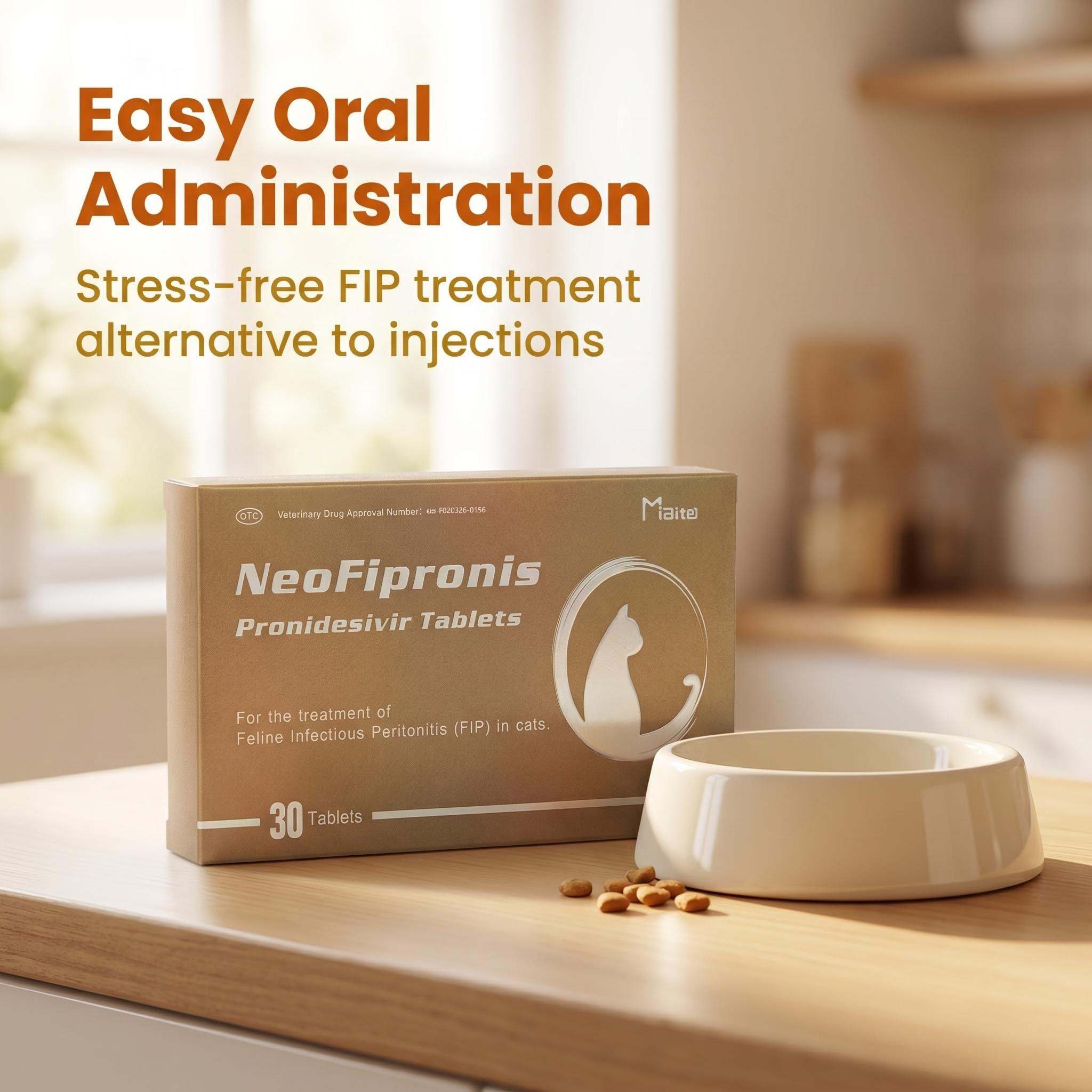
One of the most notable breakthroughs is Miaite NeoFipronis (Pronidesivir) GS-441524. Approved in March 2026 by the Lao Ministry of Agriculture and Forestry (MAF), this medication marks a significant milestone as the world's first officially approved oral treatment for FIP. Its official drug registration number ensures regulatory compliance and safety standards, offering reassurance to veterinarians and pet owners alike.
NeoFipronis (Pronidesivir): A Game Changer in FIP Treatment
NeoFipronis (Pronidesivir) GS-441524's approval reflects its high efficacy and safety profile. It is suitable for treating symptoms caused by FIP, such as:
Loss of appetite
Lethargy
Fever
Ascites
Pleural effusion
Lymphadenopathy
Inflammatory granulomas
Nerve damage
Uveitis
This medication exhibits excellent therapeutic effects on FIP, transforming the prognosis for affected cats. Its oral formulation offers numerous benefits, including ease of administration, improved compliance, and reduced stress for animals and owners.
Key features of NeoFipronis include:
Safety: Well tolerated with minimal side effects
Rapid Absorption: Quickly acts to inhibit viral replication
Fast-Acting: Noticeable improvement within days
Non-Invasive: Oral administration avoids the discomfort associated with injections
High Tolerability: Suitable for long-term use if necessary
How Does NeoFipronis Work?
As a nucleoside analogue, NeoFipronis mimics natural nucleosides, integrating into viral RNA chains and preventing replication. This mechanism effectively halts the virus's ability to multiply, giving the immune system a chance to recover and clear the infection.
The convenience of an oral formulation means that treatment can be administered at home, improving the quality of life for cats undergoing therapy and making it easier for pet owners to adhere to prescribed regimens.
Treatment Protocols and Considerations
The specific dosage and duration of NeoFipronis treatment depend on the severity of the disease, the cat's weight, and overall health status. Veterinarians typically recommend starting with a daily dosage, monitoring the cat's response closely through clinical assessments and laboratory tests.
Regular monitoring includes blood work, imaging, and clinical observation to evaluate treatment efficacy and identify any adverse effects early. Owners should be instructed on proper administration techniques, storage of medication, and recognizing signs of side effects.
Advantages Over Traditional FIP Treatments
Prior to the approval of NeoFipronis, treatment options for FIP were limited and often involved injections of off-label drugs with inconsistent results. The emergence of a safe, effective oral medication simplifies therapy and increases the likelihood of successful outcomes.
Additional benefits include:
Improved owner compliance due to ease of administration
Reduced stress for cats compared to injections
Lower costs associated with veterinary visits
Better overall quality of life during treatment
Future Perspectives and Ongoing Research
While NeoFipronis represents a significant advance, ongoing research continues to improve understanding of FIP and its management. Combining antiviral therapy with supportive care and immune modulators may further enhance treatment success rates.
Moreover, novel formulations and combination therapies are under investigation to optimize outcomes and minimize potential resistance development. The regulatory approval of NeoFipronis underscores the importance of continued investment in veterinary antiviral research.
Potential Challenges and Limitations
Despite its promise, there are challenges to widespread adoption:
Cost of medication may be high for some pet owners
Identification of FIP in early stages requires veterinary expertise
Long-term safety data are still being collected
Resistance development remains a theoretical concern, emphasizing the need for proper use
Veterinarians must balance the benefits against potential risks and tailor treatment plans to individual cats.
Conclusion
The advent of oral FIP medication, specifically NeoFipronis (Pronidesivir) GS-441524, marks a turning point in feline medicine. Its safety profile, rapid action, and ease of use make it a preferred treatment option for feline practitioners worldwide. As research progresses, the outlook for cats diagnosed with FIP continues to improve, transforming a once-certain death sentence into a manageable condition with promising prospects for recovery.
References
"Therapeutic Advances in Feline Infectious Peritonitis: The Role of GS-441524." Journal of Veterinary Internal Medicine.
"Regulatory Approval of NeoFipronis (Pronidesivir) for FIP Treatment." Veterinary Pharmacology Reports.
"Mechanisms and Clinical Applications of Antiviral Drugs in Feline Medicine." International Journal of Veterinary Science.
"FIP Management and Treatment Protocols." American Veterinary Medical Association.
"Emerging Therapies for FIP: A Review of Current Literature." Veterinary Medicine and Science Journal.