NeoFipronis (Pronidesivir) Medication Guide
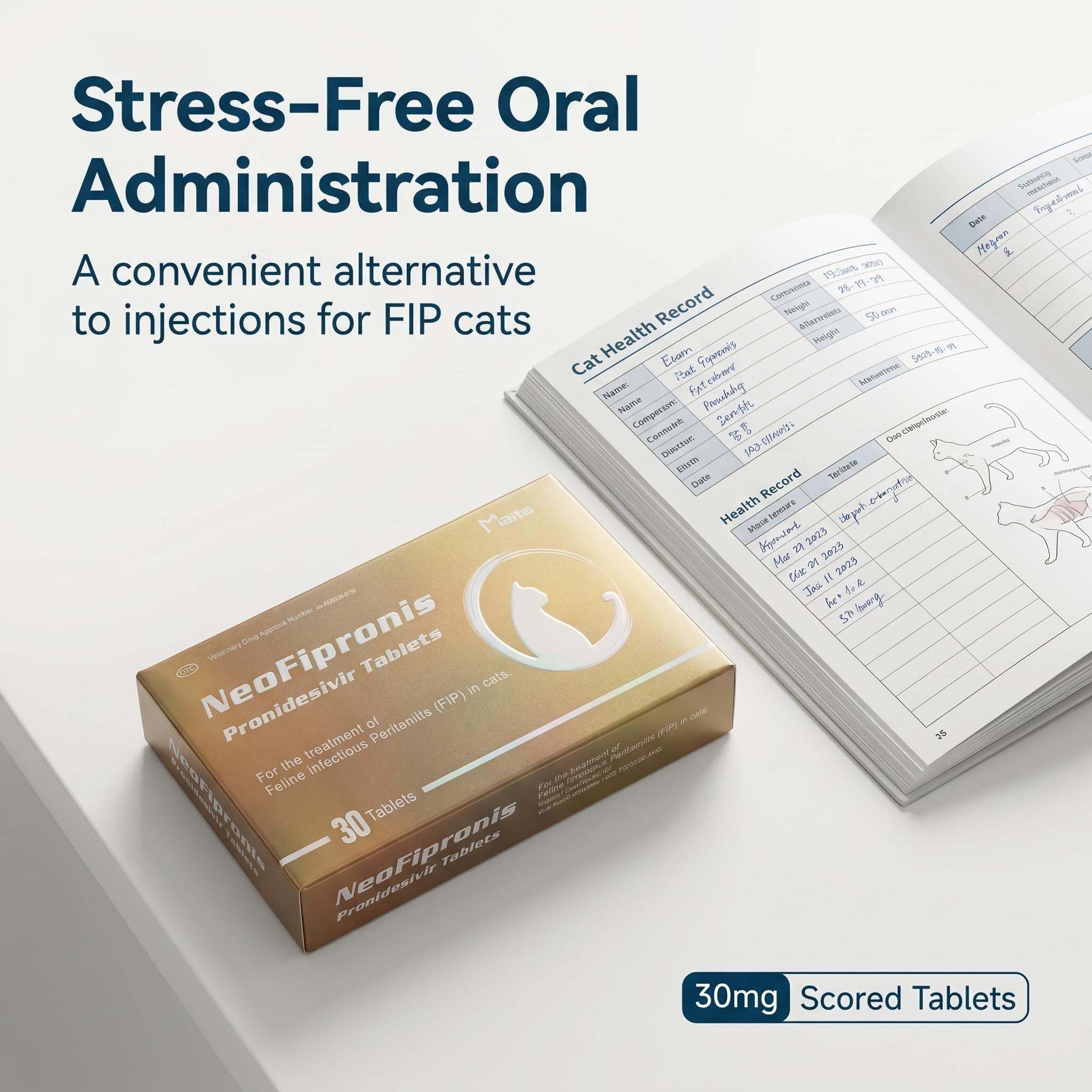
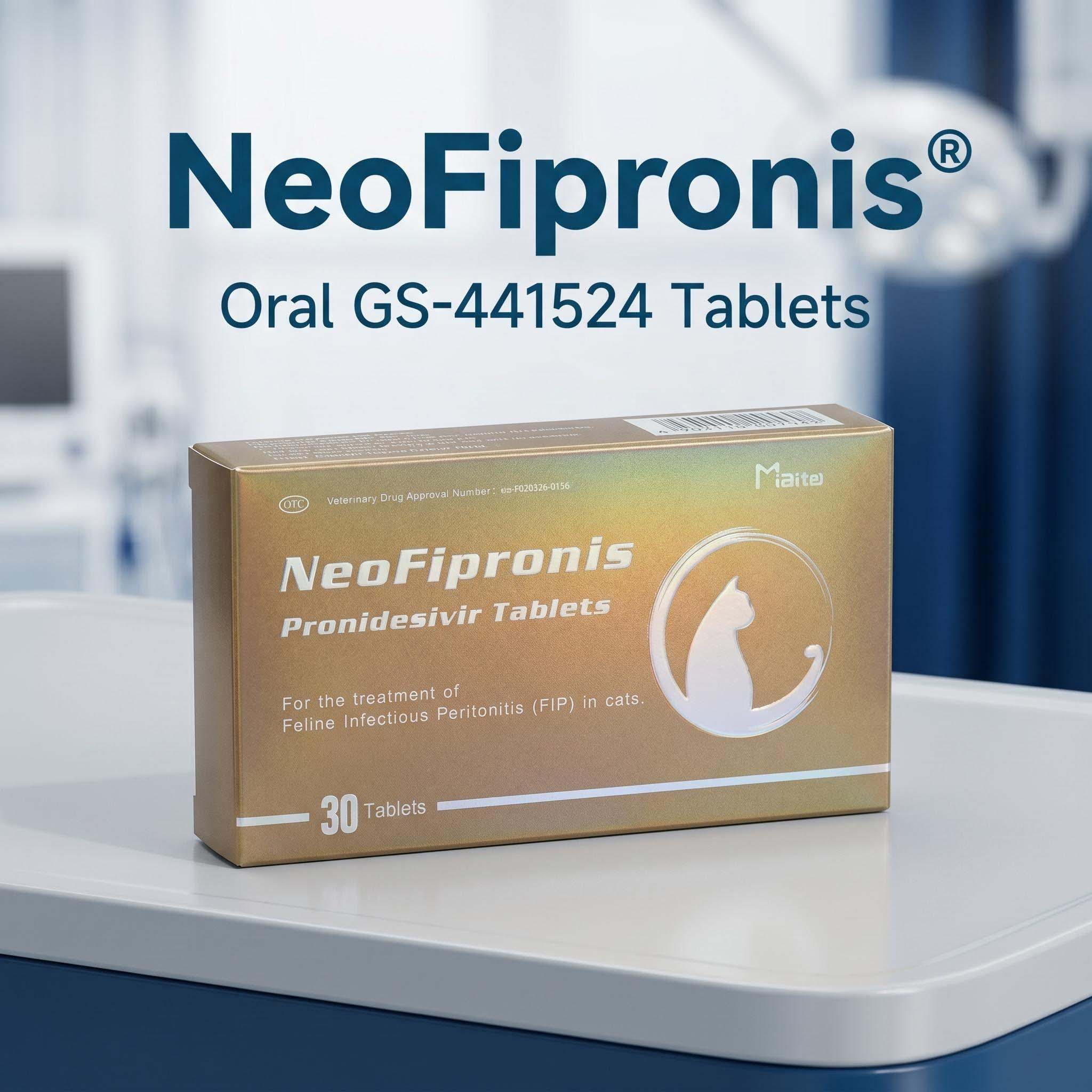
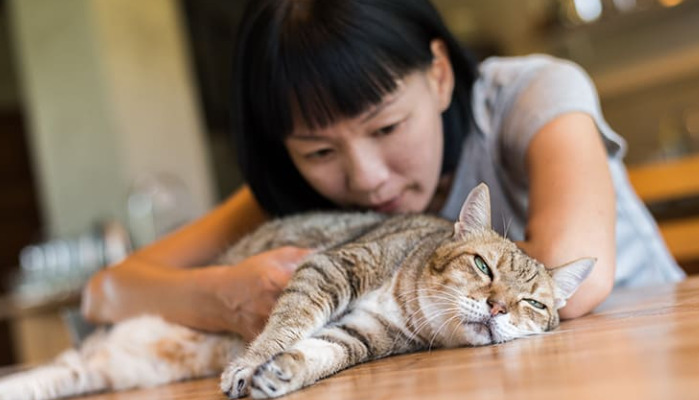
NeoFipronis (Pronidesivir) is an oral FIP medication designed for cats suffering from feline infectious peritonitis (FIP), a serious and often life-threatening viral disease. FIP may cause reduced appetite, lethargy, fever, abdominal fluid buildup, chest fluid, swollen lymph nodes, inflammatory granulomas, neurological damage, and uveitis. NeoFipronis is formulated with GS-441524, an active antiviral ingredient that has been widely studied and used in clinical practice for FIP management. For cat owners searching for an effective, non-invasive option, NeoFipronis offers a convenient oral format with rapid absorption, fast onset, good tolerance, and relatively few side effects when used correctly.
NeoFipronis (Pronidesivir) is reported as the first official FIP-specific oral therapy registered by the Lao Ministry of Agriculture and Forestry (MAF), with a formal drug registration number and market authorization. As an easy-to-administer treatment, it supports consistent dosing at home and may be especially helpful for cats that are difficult to inject. Because FIP can progress quickly, timely treatment is essential. Many veterinarians and cat caregivers value oral GS-441524-based therapy for its practicality, safety profile, and strong antiviral potential against the underlying FIP virus.
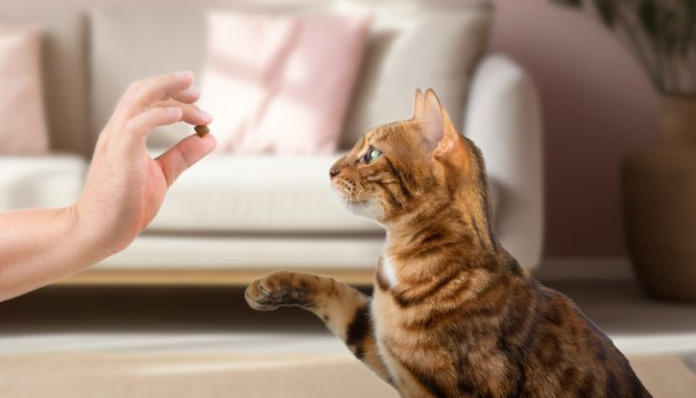
For dosing, NeoFipronis should be given according to body weight. The standard dose is 15 mg per kilogram of body weight per day, equal to half a tablet. For neurologic FIP or ocular FIP, the dose may be increased to 30 mg/kg per day under veterinary direction. The medication is administered once daily and is best given on an empty stomach, either one hour before feeding or two hours after a meal, to help support absorption. Accurate weighing and consistent daily timing are important for maintaining stable treatment levels throughout the course.
Treatment should continue for no less than 12 weeks, and missed doses should be avoided whenever possible. During therapy, cat owners should monitor appetite, body temperature, behavior, and overall energy level. Regular blood tests are recommended to assess liver and kidney function, as well as general response to treatment. Although NeoFipronis is described as an over-the-counter product, veterinary guidance is strongly recommended to ensure proper dosing, symptom tracking, and treatment adjustments when needed. Cats with severe or complicated FIP may require closer monitoring and individualized care.
NeoFipronis (Pronidesivir) is for cats only and must not be used in humans. To help ensure product quality and authenticity, purchase should be made through the official NeoFipronis website or authorized channels. For cat owners seeking an oral FIP treatment with strong antiviral support, simple administration, and practical home use, NeoFipronis offers a promising option in the ongoing fight against feline infectious peritonitis.