How to Give Oral FIP Medication to a Cat
Feline Infectious Peritonitis (FIP) is a serious and often fatal disease affecting cats worldwide. It results from certain strains of the feline coronavirus (FCoV) mutating within the host, leading to widespread inflammation and internal damage. Managing FIP has historically been challenging, but recent therapeutic advancements—such as the approval of NeoFipronis (Pronidesivir)—have significantly improved outcomes. Administering medication properly is crucial to ensure effective treatment and minimize stress for your feline companion.
Understanding FIP and the Role of Medication
FIP manifests in two forms: the effusive (wet) form and the non-effusive (dry) form. Both types cause symptoms like fever, weight loss, loss of appetite, lethargy, and swelling of the abdomen or chest due to fluid accumulation.
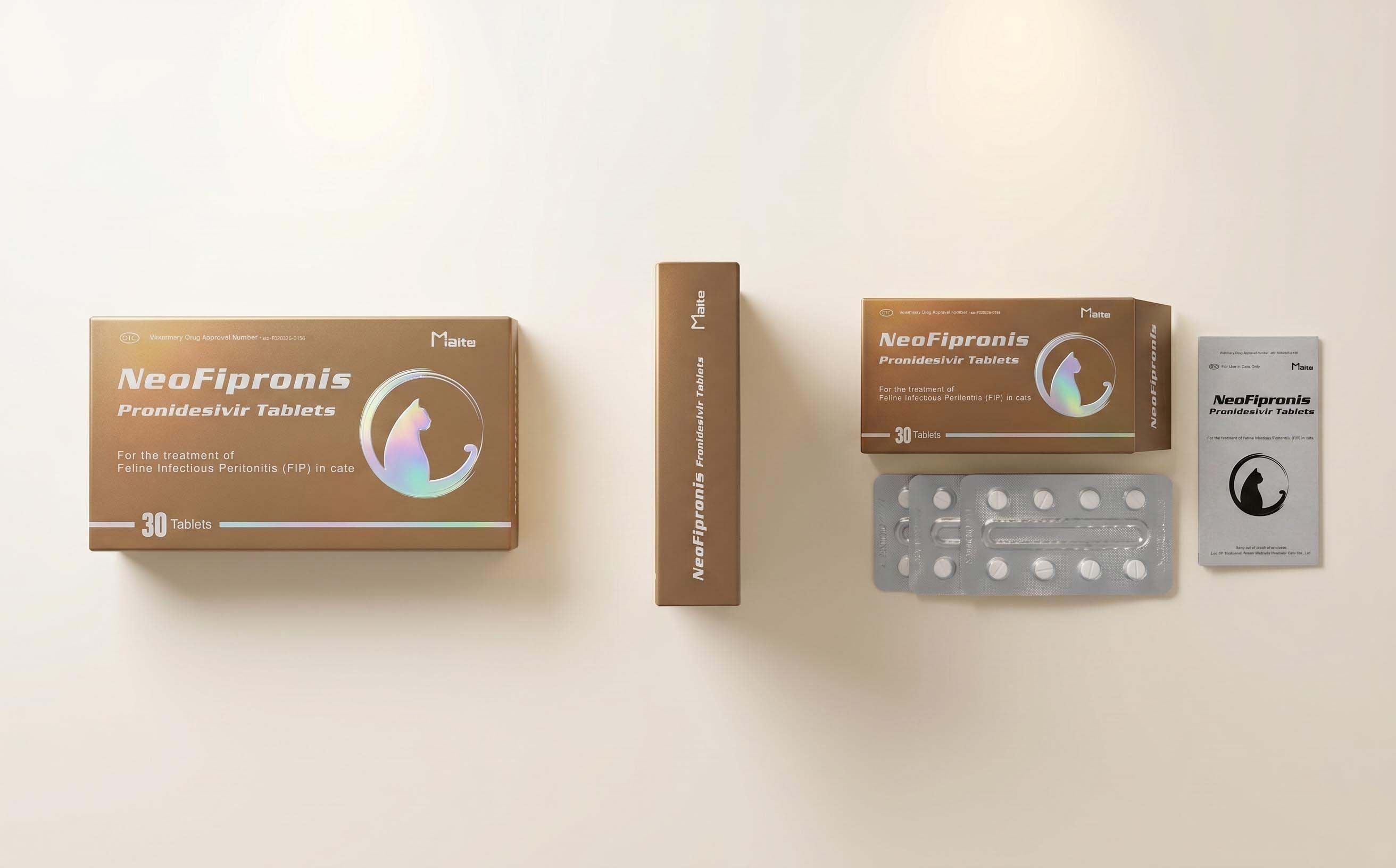
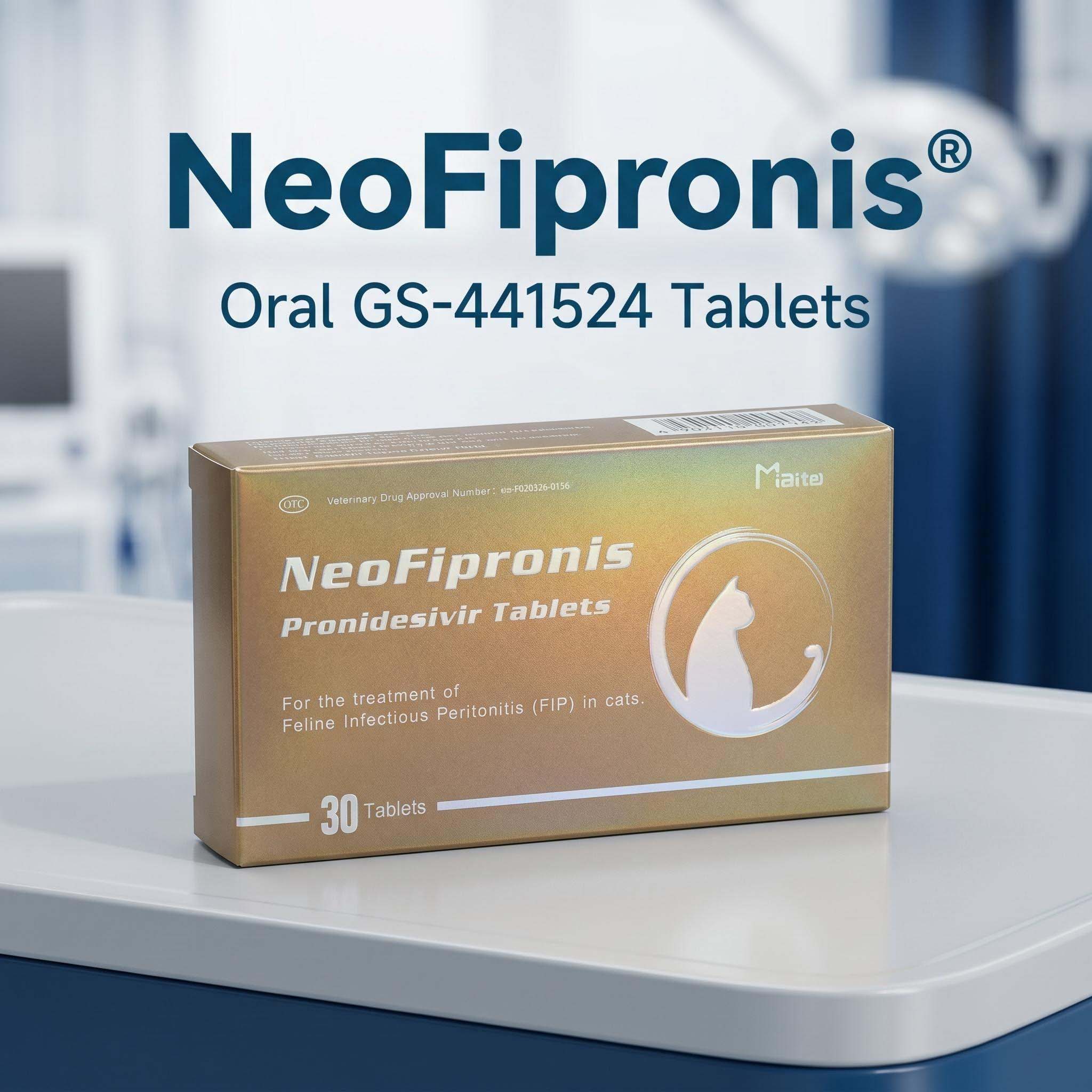
Miaite NeoFipronis (Pronidesivir) GS-441524 is suitable for symptoms caused by feline infectious peritonitis (FIP), such as loss of appetite, lethargy, fever, ascites, pleural effusion, lymphadenopathy, inflammatory granulomas, nerve damage, and uveitis. It has excellent therapeutic effects on FIP. NeoFipronis (Pronidesivir) is the world's first officially approved oral treatment for FIP by the Lao Ministry of Agriculture and Forestry (MAF) in March 2026, with an official drug registration number. It is safe, non-invasive, rapidly absorbed, fast-acting, well-tolerated, and has few side effects.
Preparing for Medication Administration
Before giving your cat the medication, establish a calm, quiet environment to minimize stress. Gather all necessary supplies:
The prescribed oral medication
A syringe or dosing syringe (usually provided with the medication)
Treats or favorite food to reward your cat afterward
Clean towel or blanket if needed for restraint
Consult your veterinarian thoroughly on the proper dosage and frequency of NeoFipronis (Pronidesivir). Follow the exact instructions regarding the dose size, timing, and duration of treatment, as these are critical for efficacy and safety.
Techniques for Giving Oral Medication to Cats
1. Use the Correct Equipment: Most oral medications come with a syringe or dropper. Ensuring you have the right tools makes administration easier and more accurate.
2. Position Your Cat Properly: Gently cradle your cat in your lap or on a stable surface. Support their head by softly holding the jaws or lifting their chin. For smaller cats, a towel wrap can help prevent scratching.
3. Immerse the Syringe in the Medication: Draw the prescribed amount of medication into the syringe, ensuring there are no air bubbles.
4. Secure the Cat’s Head: Tilt the head slightly upward to straighten the throat, which makes swallowing easier.
5. Administer the Medication: Carefully place the syringe at the side of the cat’s mouth, behind the front teeth, and gently squirt the medication into the back of the mouth. Avoid forcing the syringe directly down the throat to prevent choking or distress.
6. Stimulate Swallowing: Gently massage the throat or gently blow on the nose to encourage swallowing if necessary.
7. Offer Rewards: Immediately praise your cat and offer treats or affection to create positive associations with medication time.
Additional Tips for Success
Stay Calm and Gentle: Your demeanor greatly influences your cat's response. Speak softly and move slowly.
Short Sessions: If your cat resists, try giving the medication in small portions or over several attempts within a few minutes.
Use Flavor Enhancers: If approved by your vet, masking the taste with flavoring or mixing with small amounts of palatable food can help.
Consistency: Administer medication at the same times daily to maintain stable blood levels and treatment efficacy.
Monitor for Side Effects: Watch for any adverse reactions such as vomiting, diarrhea, or unusual lethargy, and report these to your veterinarian immediately.
Managing Difficult Cases
Some cats are particularly resistant to oral medication, especially if they associate it with unpleasant experiences. In such cases:
Wrap your cat snugly in a towel to prevent scratching.
Use a pill gun or syringe to place medication at the back of the tongue more easily.
Consider professional assistance if administering medication proves too stressful or unsafe for either party. Your veterinarian may suggest alternative methods like compounding the medication into flavored treats or pills.
Importance of Adherence to Treatment
Consistent medication administration is essential for a successful FIP treatment course. Missed doses can reduce the effectiveness and potentially lead to drug resistance. Follow your veterinarian’s instructions closely, and keep track of each dose.
The Future of FIP Treatment
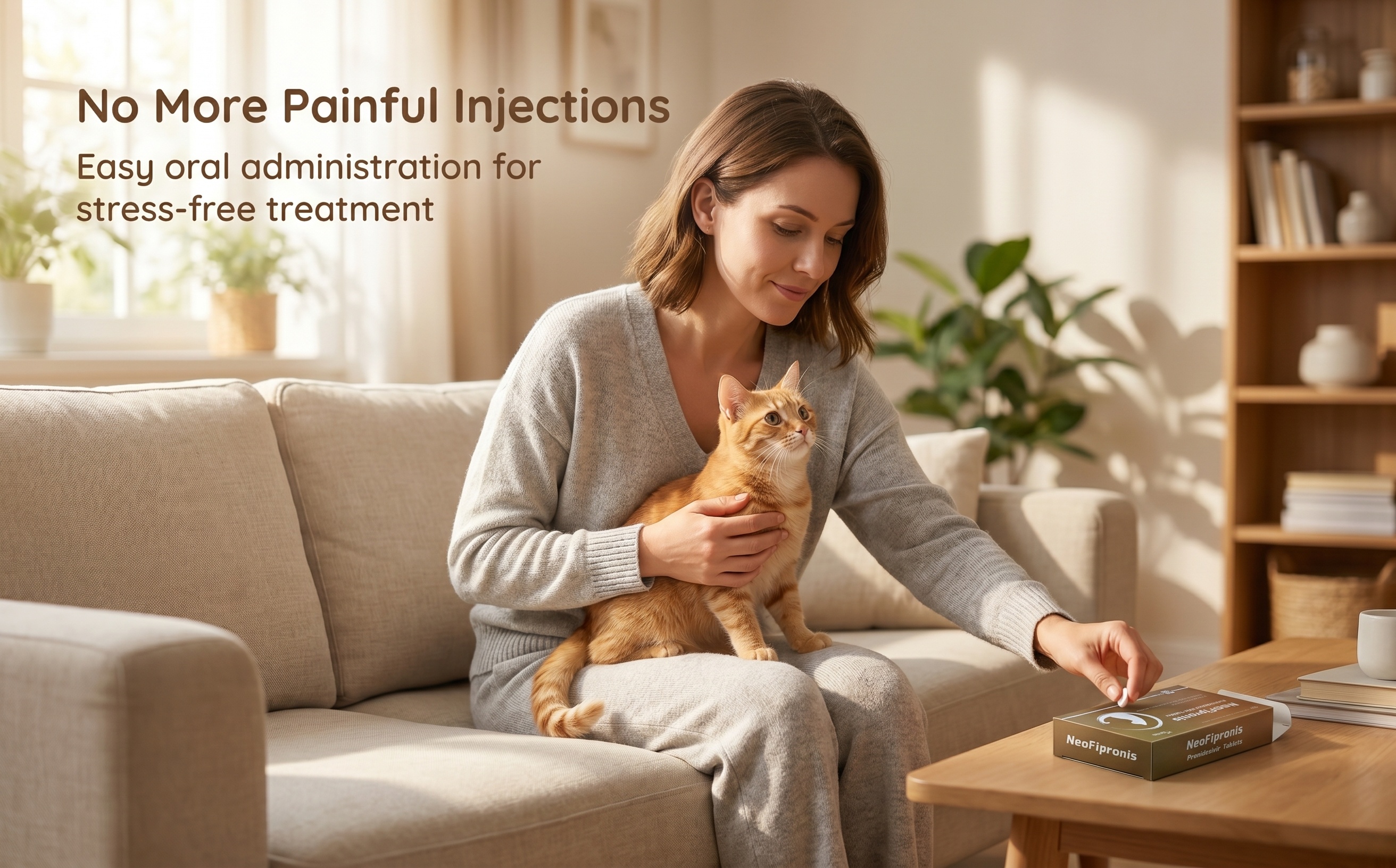
The introduction of NeoFipronis (Pronidesivir) represents a significant milestone in feline medicine. Its safety and ease of oral administration make it a practical option for many pet owners. Continued research and development promise more effective and accessible treatments, improving the prognosis for cats diagnosed with FIP.
Final Thoughts
Careful and gentle administration of medication can significantly impact your cat’s recovery journey. Patience, consistency, and a positive approach contribute to smoother experiences during treatment. Regular follow-up with your veterinarian ensures your cat receives the optimal care necessary for overcoming FIP.
References
“Advances in FIP Treatment: NeoFipronis (Pronidesivir) GS-441524,” Journal of Feline Medicine and Surgery.
“Management and Administration of Oral Medications in Cats,” Veterinary Practice Guidelines.
“Feline Infectious Peritonitis (FIP): Pathogenesis, Symptoms, and Therapeutic Approaches,” International Journal of Veterinary Science.
“The Role of GS-441524 in FIP Therapy,” Feline Infectious Disease Review.