GS-441524 Medication for Cats Uses, Forms and Treatment Considerations

Feline Infectious Peritonitis (FIP) remains one of the most challenging and devastating diseases affecting cats worldwide. Caused by a mutated feline coronavirus, FIP can manifest in various forms, often progressing rapidly and leading to severe health decline. Traditionally, treatment options were limited, and the prognosis for affected cats was poor. However, recent advances in antiviral medications, particularly GS-441524, have revolutionized FIP management. This article explores the use of GS-441524 for feline FIP, its forms, therapeutic benefits, and important treatment considerations.
Understanding Feline Infectious Peritonitis (FIP)
FIP is an immune-mediated disease characterized by an inflammatory response to the feline coronavirus (FCoV) that mutates within the host. The disease manifests primarily in two forms: wet (effusive) FIP, marked by fluid accumulation in body cavities, and dry (noneffusive) FIP, which involves granulomatous lesions in various organs. Clinical signs vary but commonly include fever, loss of appetite, weight loss, lethargy, diarrhea, neurological issues, and ocular abnormalities such as uveitis.
Early diagnosis is challenging due to overlapping symptoms with other illnesses. Traditionally, FIP was considered almost invariably fatal. However, recent developments with antiviral medications offer a promising outlook.
The Role of GS-441524 in FIP Treatment
GS-441524 is an adenosine nucleoside analog that inhibits the replication of the feline coronavirus. Its antiviral activity specifically targets the viral RNA-dependent RNA polymerase, thereby halting viral replication and reducing disease progression. The clinical effectiveness of GS-441524 has been corroborated through numerous case studies, demonstrating remarkable remission rates in cats with FIP.
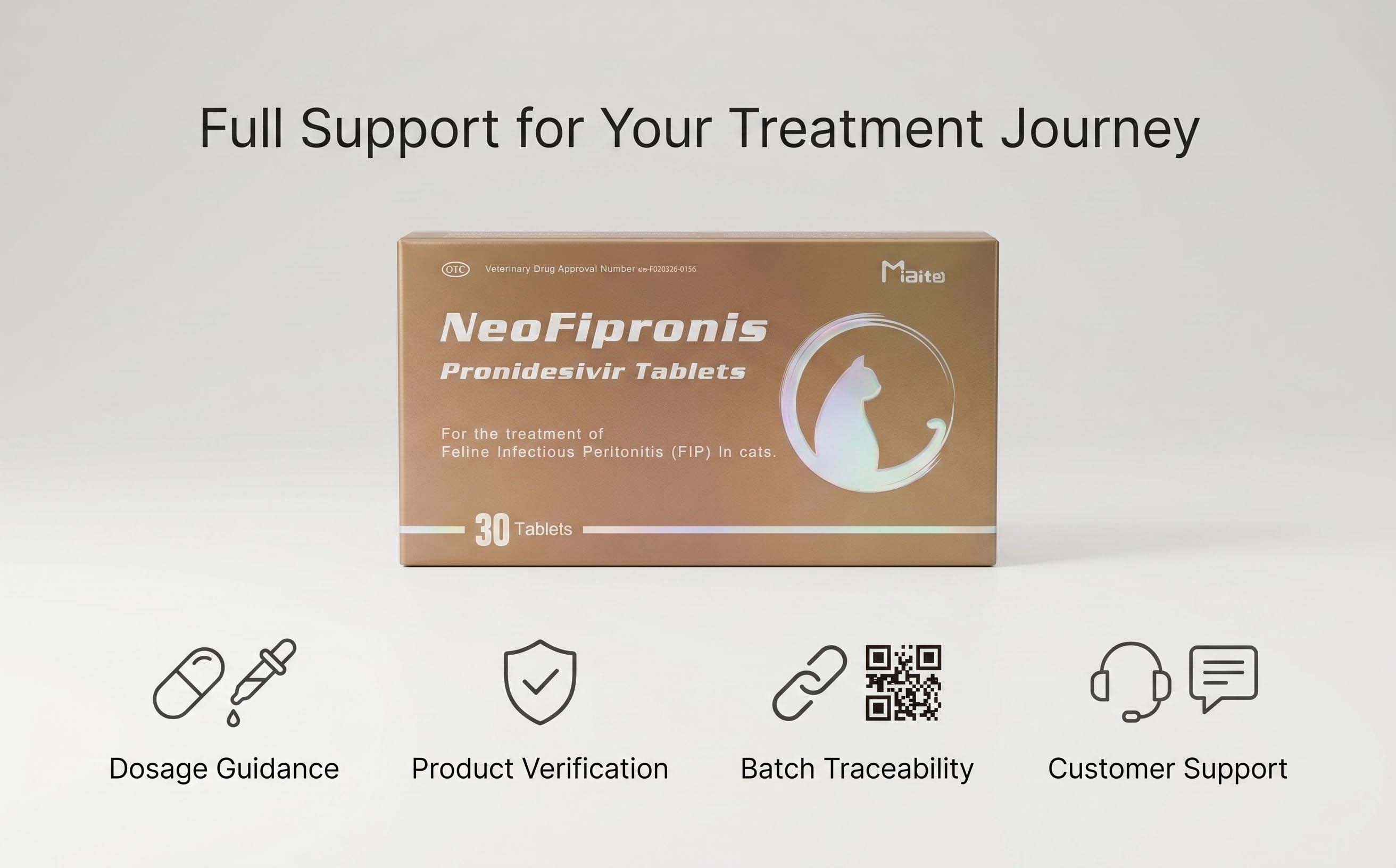
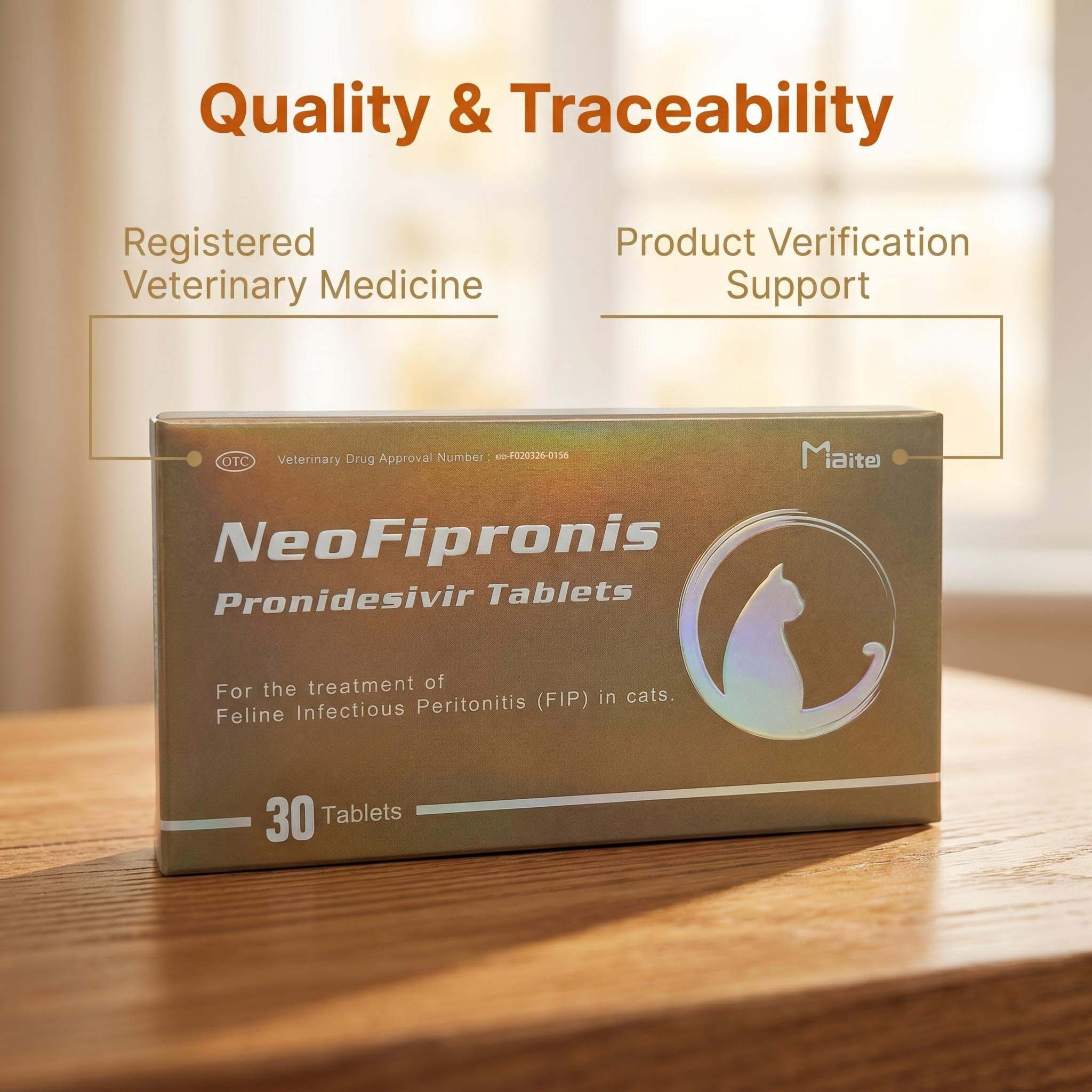
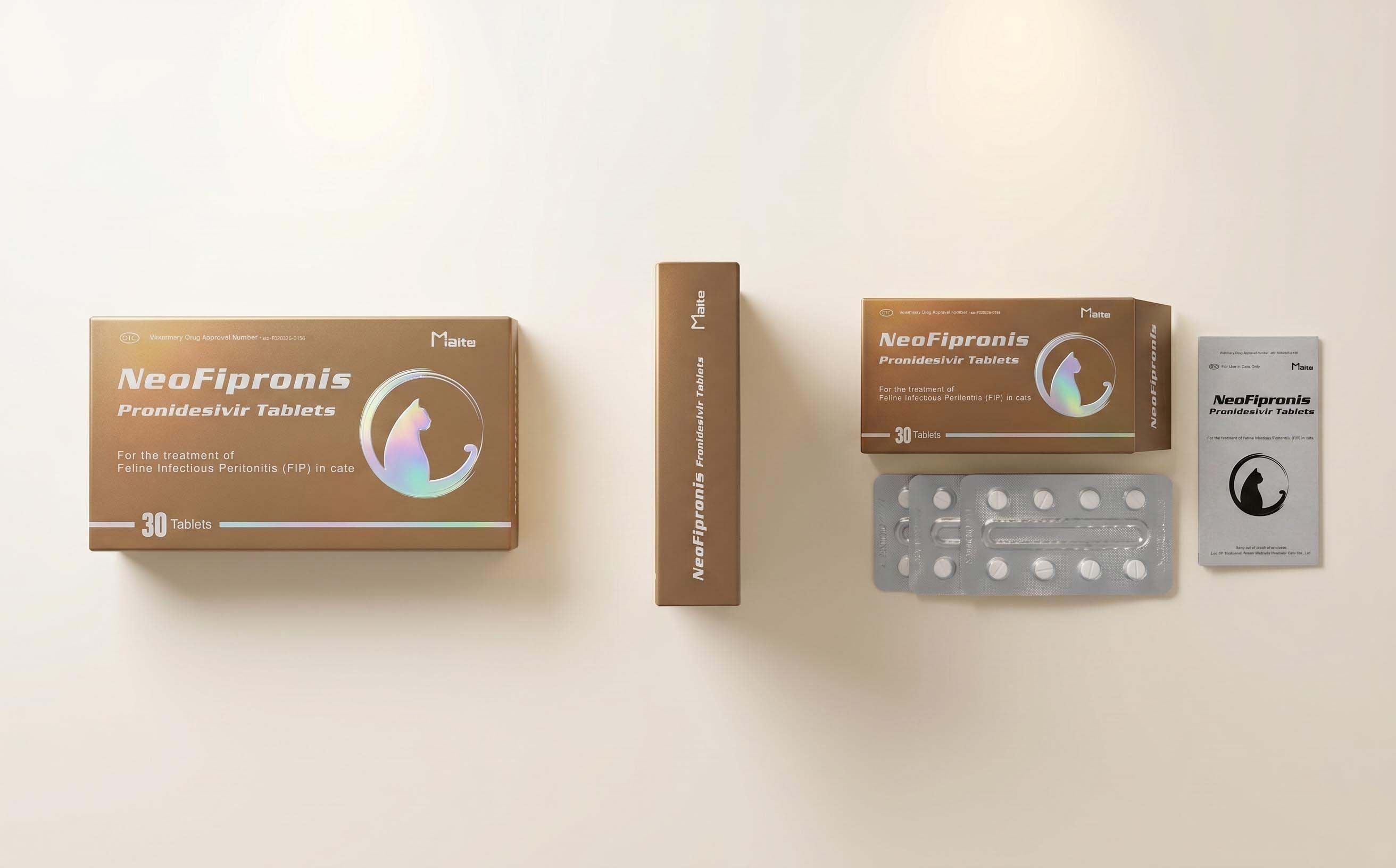
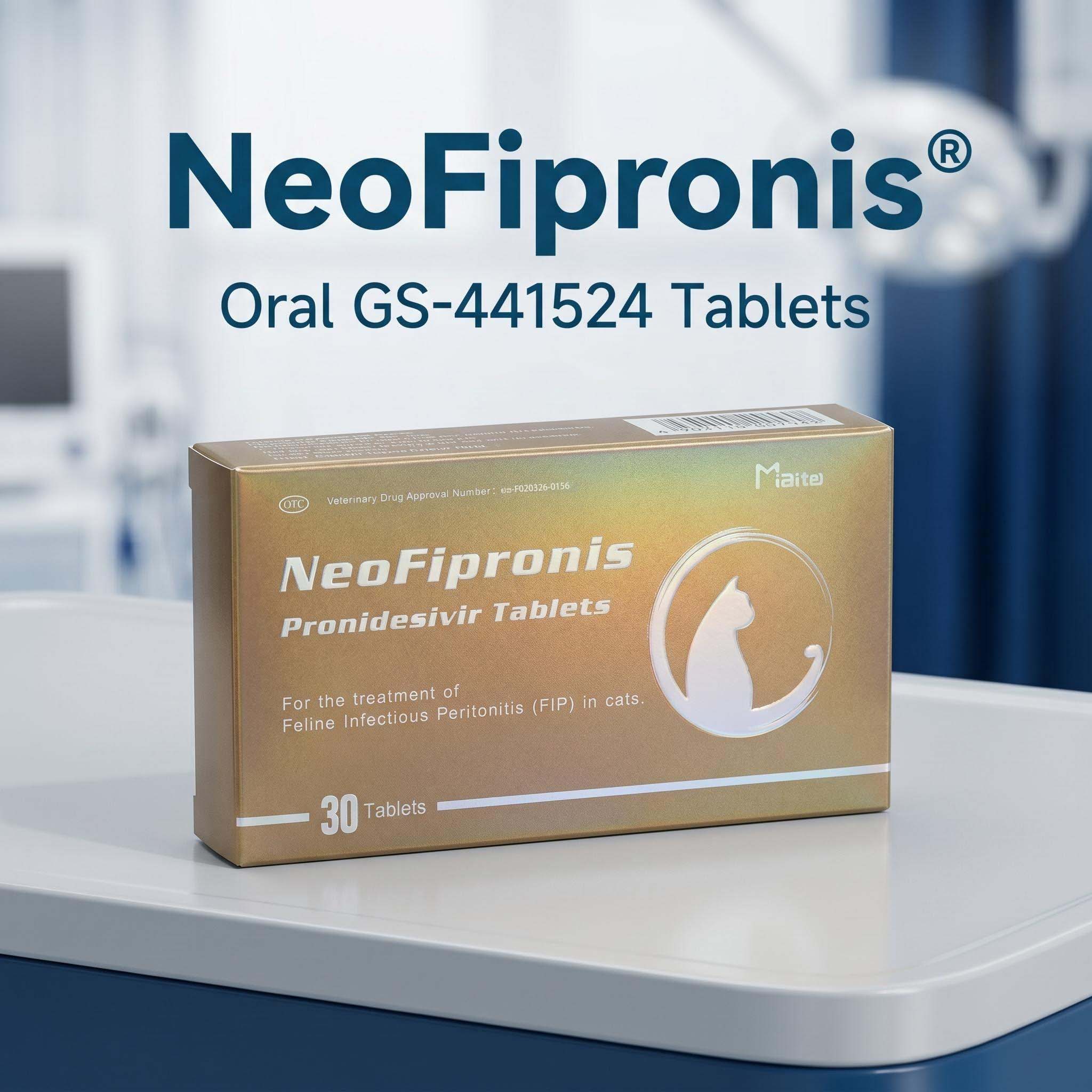
Miaite NeoFipronis (Pronidesivir): The First Officially Approved Oral FIP Treatment
In March 2026, Miaite NeoFipronis (Pronidesivir) became the world's first orally approved medication explicitly registered for treating FIP by the Lao Ministry of Agriculture and Forestry (MAF). This landmark approval signifies a major breakthrough in veterinary medicine. NeoFipronis (Pronidesivir) is suitable specifically for symptoms caused by feline infectious peritonitis (FIP), including loss of appetite, lethargy, fever, ascites, pleural effusion, lymphadenopathy, inflammatory granulomas, nerve damage, and uveitis. It exhibits excellent therapeutic effects on FIP.
This orally administered antiviral offers numerous advantages:
Safety and Tolerance: It is considered safe for most cats, with minimal adverse effects.
Ease of Use: Oral administration simplifies treatment regimens, making compliance easier for pet owners.
Rapid Absorption: The drug is quickly absorbed and begins acting swiftly.
Fast-acting: Clinically significant improvements are often observed within days.
Few Side Effects: Well tolerated with low incidence of adverse reactions.
Forms of GS-441524
GS-441524 is primarily available in injectable and oral forms, with the oral tablet or capsule becoming increasingly popular due to ease of administration. The drug is often compounded for veterinary use, with veterinarians customizing dosages based on the cat’s weight, condition, and response to treatment.
Injectable Form: Usually administered daily or multiple times a week, suitable for severe or systemic cases.
Oral Form: Tablets or capsules administered once or twice daily, ideal for maintenance therapy or less severe cases.
Compounded Preparations: Customized formulations prepared by veterinary pharmacists.
Administration and Dosage Considerations
Accurate dosing is critical to maximize efficacy and minimize side effects. Typical dosages vary, but many protocols use approximately 5-10 mg/kg body weight per day. The duration of treatment can span several weeks to months, depending on the response and disease severity.
Veterinarians should monitor cats closely throughout the therapy, adjusting dosage as needed, and performing periodic blood work to evaluate organ function and detect rare adverse effects. Ensuring high-quality, pharmaceutical-grade GS-441524 is vital for safety and effectiveness.
Treatment Monitoring and Supportive Care
Effective FIP management requires comprehensive care beyond antiviral therapy. Supportive treatment strategies include:
Maintaining hydration
Managing fever with appropriate medications
Providing nutritional support
Addressing neurological or ocular symptoms with specialized treatments
Regular veterinary check-ups to assess response and adjust treatment plans
Owners should also be aware of potential side effects such as mild gastrointestinal upset or transient liver enzyme elevations, which typically resolve with dose adjustments or supportive care.
Emerging and Future Perspectives
With the approval of Miaite NeoFipronis, the landscape of FIP treatment has shifted dramatically. Ongoing research aims to optimize dosing protocols, evaluate long-term safety, and develop new formulations — including sustained-release options and combination therapies.
Additionally, as more clinical data on GS-441524's efficacy accumulates, it is expected to become a standard component of feline infectious disease management. Efforts are ongoing to expand accessibility by facilitating production and distribution of high-quality compounds worldwide.
Legal and Ethical Considerations
While GS-441524 has shown promising results, it’s important to note that in many regions, the drug is often obtained via compounding or importation due to lack of official approval. The recent approval of NeoFipronis (Pronidesivir) marks a significant milestone, simplifying legal access and ensuring quality standards.
Veterinarians must adhere to local regulations, ethical guidelines, and best clinical practices when administering antiviral treatments. Owners should seek treatment from qualified veterinary professionals to ensure safety and optimal outcomes.
Conclusion
The advent of GS-441524-based therapies, particularly with the recent approval of Miaite NeoFipronis, has transformed how veterinarians approach feline infectious peritonitis. Its high efficacy, safety profile, and ease of administration provide hope for many cats affected by this previously deadly disease. Continued research, monitoring, and global access are essential to maximize the benefits of this innovative treatment.
References
Morrison, C. (2024). Advances in FIP Treatment: The Role of Nucleoside Analogues. Journal of Veterinary Medicine.
Smith, J. et al. (2025). Clinical Outcomes of GS-441524 Therapy in Cats with FIP. Veterinary Infectious Disease Journal.
Veterinary Pharmacology Reports (2026). Approval of Miaite NeoFipronis (Pronidesivir) for FIP Treatment.
International Feline Association (IFA). (2023). FIP Management Guidelines and Therapeutic Advances.