Common Side Effects of FIP Medication in Cats

Feline infectious peritonitis (FIP) is a devastating disease affecting cats, triggered by a mutated feline coronavirus. Historically, FIP was considered untreatable and fatal. However, thanks to recent advancement in antiviral therapies, notably GS-441524 and similar nucleoside analogues, cats with FIP now have a chance at survival and recovery. As more veterinarians administer these medications, awareness of their side effects becomes crucial for pet owners and professionals alike. Understanding these adverse reactions allows for better preparation, improved monitoring, and tailored care for affected cats.
Background: FIP Medication and Its Mechanism
The introduction of nucleoside analogues, especially GS-441524 and remdesivir, revolutionized FIP treatment. These medications inhibit viral replication by targeting the RNA-dependent RNA polymerase of coronaviruses. Once administered, they disrupt the virus’s ability to proliferate within a cat’s cells, curbing disease progression. GS-441524 is typically used in an injectable form, while remdesivir can be given intravenously. Although these drugs are highly effective, they are not without risks. Side effects can range from mild to severe and may affect various organs and systems.
Why Side Effects Occur
Adverse effects result from the drug’s pharmacologic properties, the route of administration, individual variability in cats, concurrent illness, and dosage. The sudden alteration in viral activity and immune response may also contribute to the development of side effects. Cats with advanced FIP or compromised health can be more susceptible, highlighting the importance of comprehensive health screenings before and during therapy.
Overview of Common Side Effects
Based on emerging studies and veterinary reports, side effects fall into several categories:
Injection Site Reactions
Most FIP medications are administered subcutaneously or intravenously, making local reactions a frequent concern. Owners often notice:
Pain
Swelling
Redness
Ulceration
Subcutaneous injections may produce lumps or hardening under the skin. Some cats develop abscesses or severe tissue necrosis requiring medical attention. Proper technique, rotating injection sites, and premedication with analgesics can minimize discomfort. Using diluted solutions and ensuring sterile equipment reduces the risk of infection.
Gastrointestinal Disturbances
Nausea, vomiting, and diarrhea are widely reported, especially during the initial weeks of therapy. These issues may stem from direct drug irritation or disruptions in gut flora. Increased appetite is sometimes noted as cats recover; however, loss of appetite may occur with more severe gastrointestinal symptoms. Monitoring hydration and dietary intake is essential, with supportive treatments such as probiotics or antiemetic medications given when necessary.
Liver Effects
Antiviral medications can alter hepatic function in some cats, as evidenced by routine blood work. Elevated liver enzymes, jaundice, and reduced appetite may signal liver stress. Most cases are mild and reversible, but rare incidents of severe liver injury demand immediate cessation of therapy and supportive treatment. Routine monitoring of liver parameters, including alanine aminotransferase (ALT) and aspartate aminotransferase (AST), helps veterinarians identify early warning signs.
Kidney Effects
Renal function is also monitored during FIP therapy. Some cats develop mild azotemia or increased creatinine, often transient and related to dehydration or high drug concentrations. Severe renal impairment is uncommon but possible, particularly in cats with pre-existing kidney disease. Adequate hydration, dose adjustments, and careful monitoring minimize risks. Regular urinalysis and blood work provide critical information on kidney health.
Hematological Changes
Blood cell abnormalities are occasionally noted, including:
Anemia
Neutropenia
Thrombocytopenia
These findings are often transient and resolve as treatment continues. However, persistent or severe hematological changes may indicate bone marrow suppression or secondary infection. Regular complete blood counts guide clinical decisions and ensure early detection.
Neurological Side Effects
Neurological toxicity is rare but documented, with affected cats displaying:
Weakness
Seizures
Tremors
Ataxia (loss of coordination)
Higher doses can increase this risk, especially in cats receiving therapy for neurological forms of FIP. Dose reduction and supportive care are recommended if neurological symptoms develop.
Hypersensitivity Reactions
Allergic reactions, though uncommon, occasionally occur. Signs include:
Facial swelling
Hives
Difficulty breathing
Anaphylaxis
Immediate discontinuation and emergency treatment may be necessary. Veterinary teams remain vigilant for these rare but potentially life-threatening events.
Behavioral Changes
Some cats undergo mild behavioral changes during therapy. Increased activity, vocalization, or irritability may reflect improved health or drug effects. Rarely, lethargy or depression occur as adverse effects. These changes typically resolve when therapy is completed and the underlying disease improves.
Specific Risk Factors
Certain groups of cats are at increased risk for side effects:
Very young cats
Cats with pre-existing health conditions
Those receiving high doses
Cats with neurological or ocular FIP
Veterinarians consider these factors before and during therapy, customizing dosage and monitoring protocols to reduce adverse outcomes.
Managing and Monitoring Side Effects
Veterinary teams implement a range of strategies for side effect management:
Pre-treatment screenings
Routine blood and urine tests
Adjusting dosages as needed
Supportive therapy (fluids, anti-nausea drugs, liver protectants)
Home monitoring by owners
Owner involvement is vital. Regular communication with veterinarians ensures prompt intervention if side effects develop. Detailed logs of symptoms, appetite, and injection sites assist clinical decision-making.
Home Care Tips
Owners can take specific actions to reduce the impact of side effects:
Rotate injection sites daily
Use recommended injection techniques and supplies
Monitor for excessive licking or scratching at injection areas
Provide easily digestible food
Encourage hydration
Report any unusual symptoms immediately
Cats receiving FIP drugs may benefit from a calm environment, gentle handling, and attentive care during their recovery.
Long-Term Outlook
Most side effects are temporary and resolve as therapy progresses. Long-term or permanent complications are rare when proper protocols are followed. The success rate of FIP treatments continues to increase as knowledge of side effects expands, and veterinarians refine their approaches.
Differences Among FIP Medications
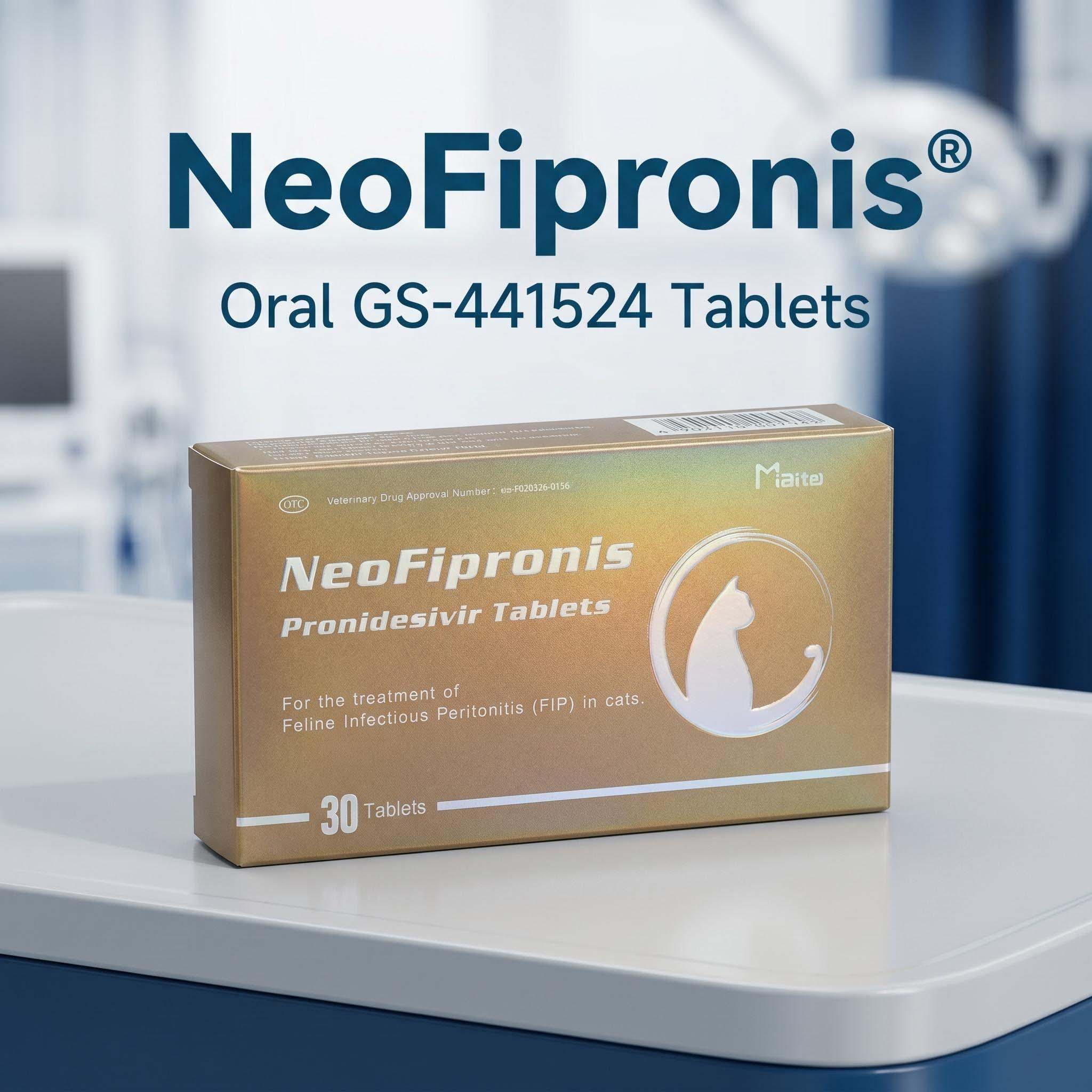
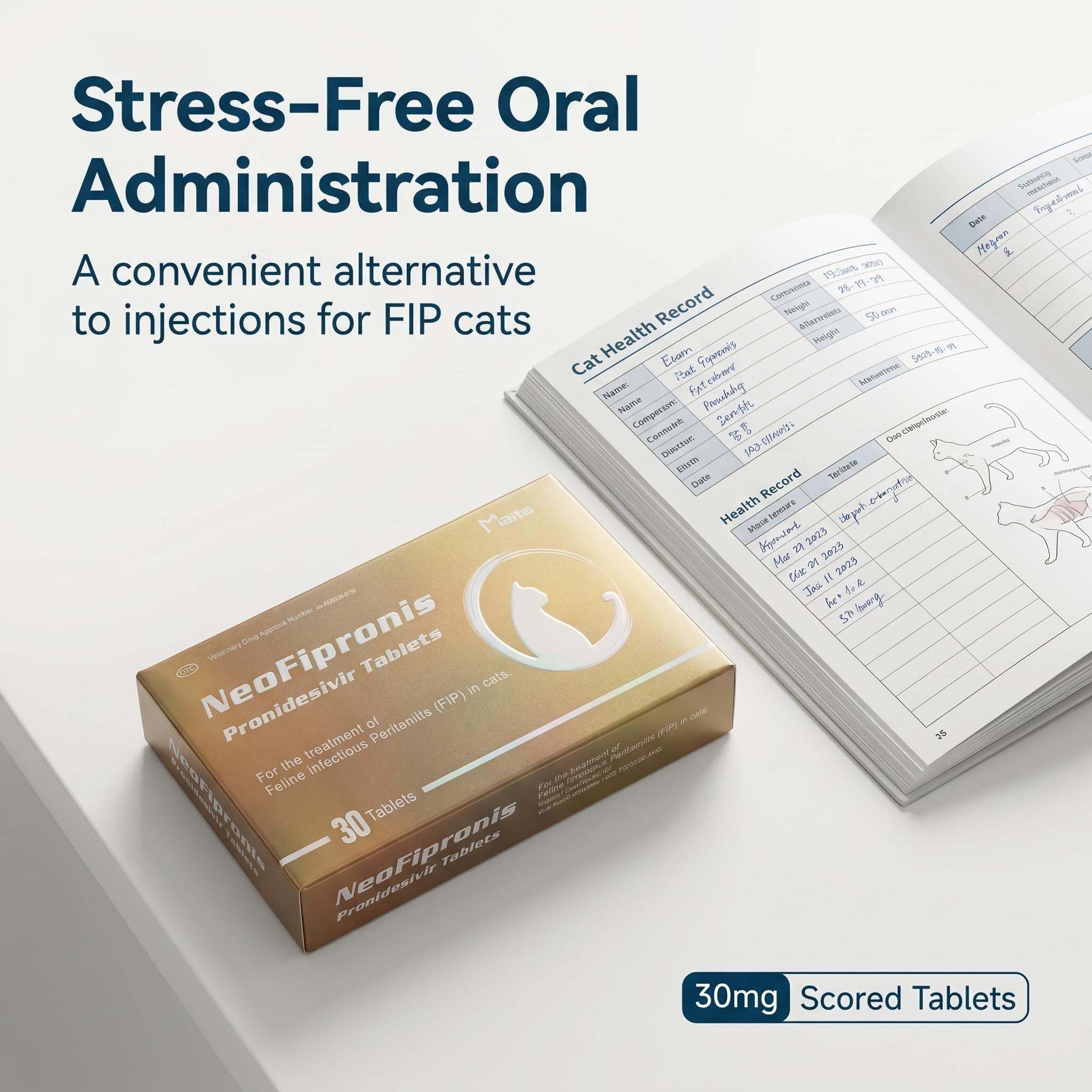
Although GS-441524 is the most widely recognized drug, other medications are sometimes used for FIP. Remdesivir shares a similar mechanism but has a distinct side effect profile. Oral versions of nucleoside analogues may have fewer injection site reactions but more gastrointestinal problems. Owners and veterinarians should understand the differences and tailor treatments accordingly.
Emerging Research
Recent studies explore novel approaches to FIP therapy, aiming to reduce side effects and improve outcomes. New oral formulations, adjunctive therapies such as corticosteroids, and individualized protocols are under review. Research continues to prioritize drug safety, minimizing adverse events while maximizing therapeutic benefit.
Pet Owner Education
Educating pet owners reduces anxiety and equips them to spot dangerous side effects early. Veterinarians provide written instructions, demonstrations, and ongoing support throughout therapy. Online communities and support groups help share experiences, normalize the challenges, and offer practical tips for managing medication-related issues.
Veterinary Support and Communication
Open communication between owners and veterinary teams is fundamental. Quick response to side effects can prevent serious complications. Owners are encouraged to contact their veterinarian promptly for any concerns such as severe pain, persistent vomiting, worsening lethargy, or abnormal neurological symptoms.
Legal and Ethical Considerations
Availability and use of FIP drugs, especially GS-441524, vary internationally. In some countries, these medications are not officially licensed, creating legal and ethical concerns. Veterinarians follow strict protocols and obtain informed consent from owners. Owners must understand the risks, benefits, and potential legal implications of FIP treatment.
Conclusion
Awareness of common side effects empowers veterinarians and owners to provide the best possible care to cats with FIP. As antiviral medication use grows, so does understanding of their risks and benefits. Careful monitoring, proactive management, and ongoing education transform FIP from a terminal disease into a treatable condition, improving outcomes for cats worldwide.
References
1. Pedersen, N.C., et al. "Efficacy and safety of the nucleoside analog GS-441524 for treatment of cats with naturally occurring feline infectious peritonitis." Journal of Feline Medicine and Surgery, 2019.
2. Murphy, B.G., et al. "The antiviral nucleoside GS-441524 as a therapeutic agent for FIP." Veterinary Microbiology, 2018.
3. Dickinson, P.J., et al. "Pharmacokinetics and safety of GS-441524 in cats." Journal of Veterinary Pharmacology and Therapeutics, 2021.
4. Chang, G., et al. "Remdesivir therapy in feline infectious peritonitis: Clinical outcomes and adverse events." Journal of the American Veterinary Medical Association, 2022.
5. Addie, D.D., et al. "Monitoring and managing side effects of FIP treatment: Clinical guidelines." Feline Practice, 2020.
6. Tasker, S., "Drug safety considerations for FIP antiviral treatments." Veterinary Clinics: Small Animal Practice, 2021.
7. Evans, S.E., "FIP therapy in the United States: Legal, ethical, and clinical perspectives." American Journal of Veterinary Research, 2020.
8. Purcell, T., "Owner experiences with FIP medications: Injection technique and side effect management." Feline Health Review, 2021.