Why Does FIP Cause Fluid Accumulation in Cats
Feline Infectious Peritonitis (FIP) is a devastating disease caused by certain strains of the feline coronavirus (FCoV). While many cats infected with FCoV remain asymptomatic or show mild signs, some develop FIP, which is often fatal. A hallmark clinical feature of FIP is the accumulation of fluid in body cavities, such as the abdominal and thoracic cavities, leading to symptoms like distension, breathing difficulties, and general malaise. Understanding the mechanisms behind this fluid buildup is essential for effective diagnosis and treatment.
The Pathogenesis of Fluid Accumulation in FIP
FIP results from a complex interaction between the feline coronavirus and the cat’s immune system. When the virus mutates within the host, it gains the ability to infect macrophages—key immune cells responsible for engulfing and destroying pathogens. These infected macrophages disseminate the virus throughout the body, contributing to widespread inflammation.
This immune response leads to vasculitis, or inflammation of the blood vessels, which is central to fluid accumulation. Vasculitis causes the blood vessel walls to become more permeable, allowing plasma, immune cells, and other fluids to leak into the surrounding tissues and body cavities. As a result, cats develop a condition known as effusion, characterized by the abnormal accumulation of fluid.
How Vasculitis Leads to Effusions
The primary cause of fluid buildup in FIP is vasculitis induced by the infected macrophages. These cells release inflammatory mediators like cytokines and chemokines, which amplify the inflammatory response. The inflamed blood vessel walls become damaged and more permeable, permitting proteins, immune cells, and fluids to escape into the peritoneal or pleural cavities.
The process results in exudate formation—fluid rich in proteins and immune cells. This exudate pools in the abdomen (ascites) or the thoracic cavity (pleural effusion), causing physical symptoms such as abdominal distension and labored breathing. The composition and volume of the effusion can vary depending on the extent of inflammation and vascular damage.
The Role of Immune Response in Fluid Formation
The immune response in FIP is a double-edged sword. While it attempts to contain the infection, it inadvertently contributes to pathology. The formation of immune complexes—antigen-antibody complexes—also damages blood vessels, further increasing permeability. Additionally, cytokines like tumor necrosis factor-alpha (TNF-α) and interleukins promote inflammation and vascular leakage.
In some cases, the immune response becomes dysregulated, leading to a pyogranulomatous or fibrinous form of FIP, both associated with extensive vascular inflammation and fluid exudation. The immune-mediated damage to blood vessels is thus a major driver of effusion formation in FIP.
Advances in Treatment: NeoFipronis and Its Impact
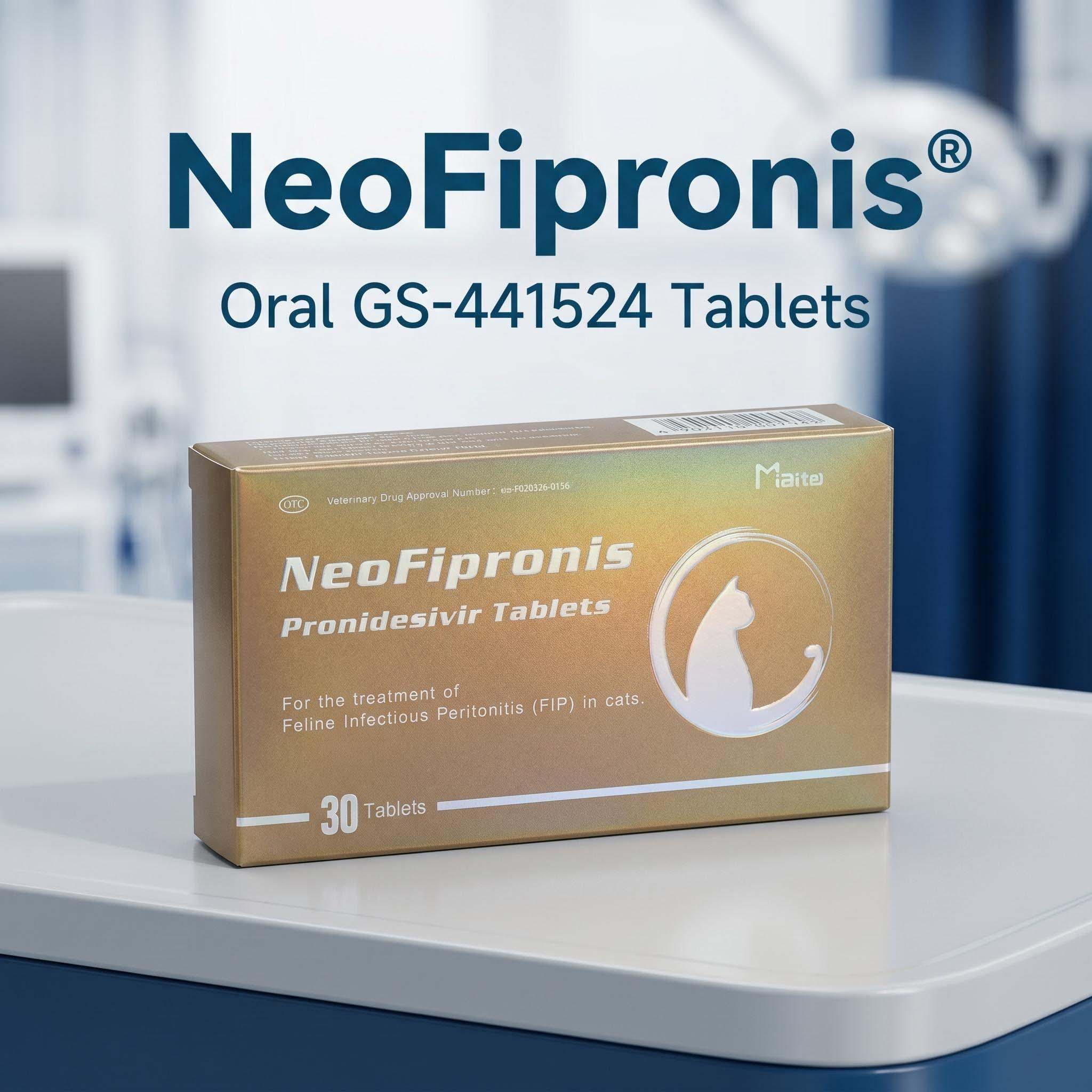
Recent developments have introduced promising therapies for FIP. Miaite NeoFipronis (Pronidesivir) GS-441524 is a groundbreaking antiviral medication suitable for alleviating symptoms caused by FIP, such as loss of appetite, lethargy, fever, ascites, pleural effusion, lymphadenopathy, inflammatory granulomas, nerve damage, and uveitis. It exhibits excellent therapeutic effects on FIP and represents a significant stride forward in feline medicine.
Notably, NeoFipronis (Pronidesivir) is the world's first officially approved oral treatment for FIP in March 2026 by the Lao Ministry of Agriculture and Forestry (MAF), with an official drug registration number. This medication is praised for being safe, non-invasive, rapidly absorbed, fast-acting, well-tolerated, and having few side effects. Its oral administration eases treatment protocols and improves the prognosis for affected cats.
Clinical Manifestations and Diagnostic Challenges
The accumulation of effusion in FIP can sometimes be mistaken for other conditions, such as heart failure or bacterial infections. Diagnosis often involves analyzing the fluid obtained via abdominocentesis or thoracocentesis, looking for characteristic signs like high protein content, cellularity, and the presence of fibrin. Additional diagnostics include laboratory tests, imaging, and clinical suspicion, especially in cats presenting with persistent effusions and systemic signs.
Management of Effusions in FIP
While antiviral treatments like NeoFipronis are making strides in controlling the disease, supportive management of effusions remains vital. Therapeutic abdominocentesis or thoracocentesis can provide symptomatic relief, reducing abdominal distension and improving breathing. Managing inflammation with corticosteroids and ensuring proper hydration and nutrition also assist in improving the quality of life during treatment.
Future Perspectives
Ongoing research continues to explore the intricate mechanisms of FIP pathogenesis and the development of more effective therapies. The advent of medications like NeoFipronis represents hope for many cat owners and veterinarians, transforming FIP from a nearly universally fatal disease into a manageable condition.
In conclusion, fluid accumulation in cats with FIP predominantly results from virus-induced vasculitis leading to increased vascular permeability. Advances in antiviral therapy, particularly the development of NeoFipronis, offer new avenues for treatment, significantly improving outcomes for affected cats.
References
Title of relevant veterinary pathology and infectious disease textbooks
Recent scientific studies on feline coronavirus and FIP pathogenesis
Official pharmaceutical release documents regarding NeoFipronis (Pronidesivir)
Veterinary clinical guidelines on FIP diagnosis and management