How Long Does It Take for Resistance to Develop to NeoFipronis (GS-441524)
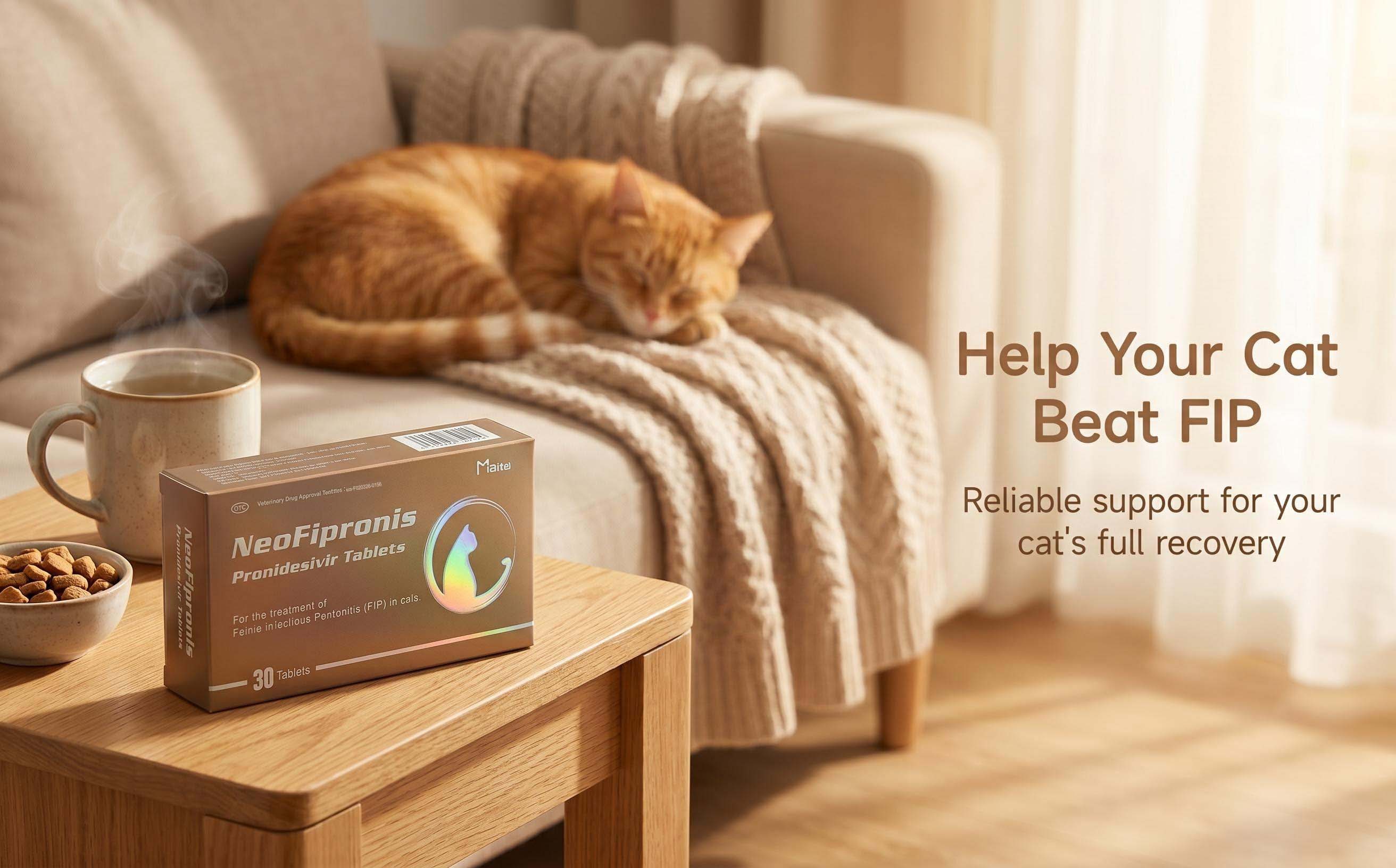
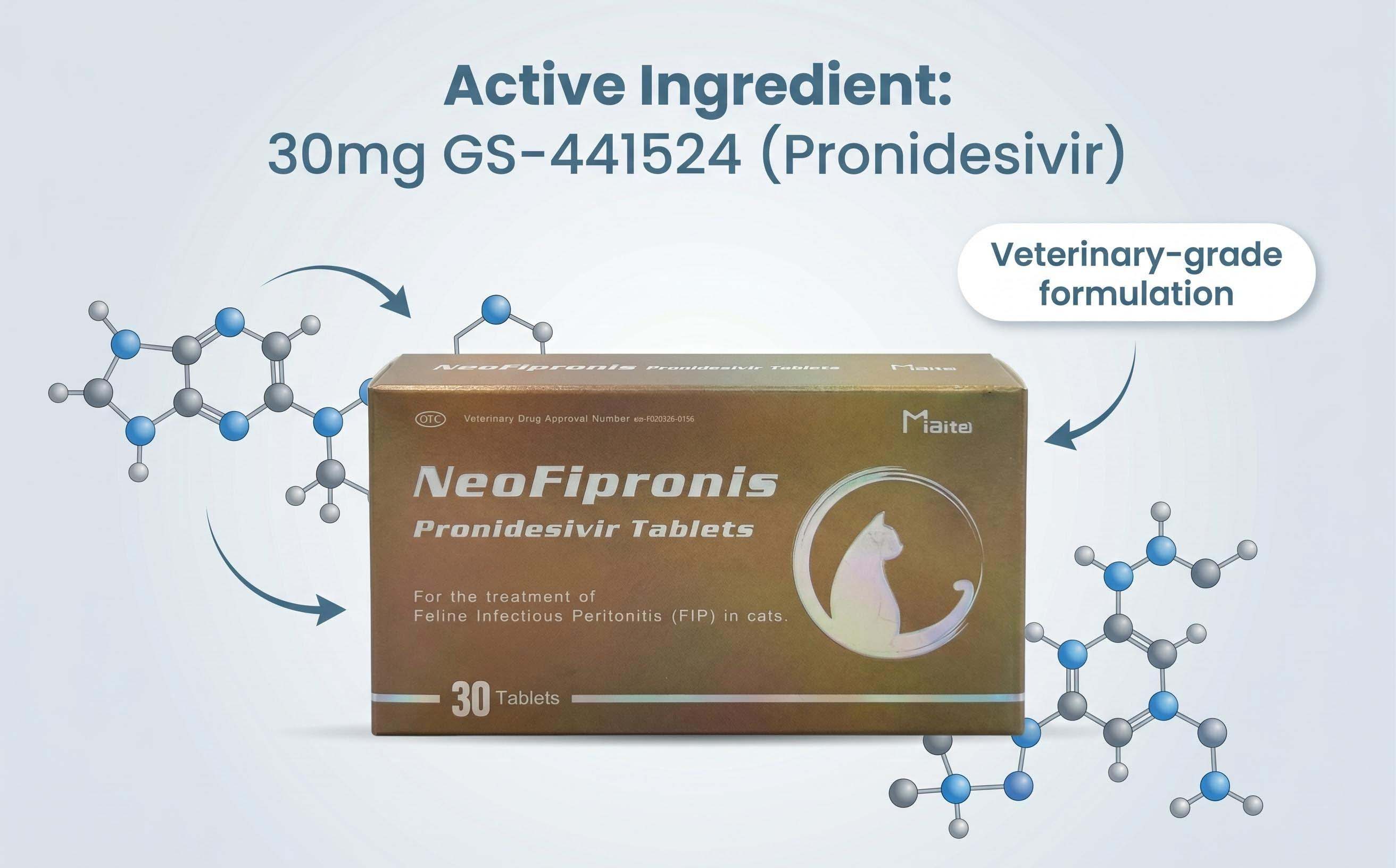
Feline Infectious Peritonitis (FIP) caused by feline coronavirus (FCoV) is a severe, often fatal disease in cats. The advent of NeoFipronis (Pronidesivir), containing GS-441524, has revolutionized FIP treatment, offering hope through its high efficacy and safety profile. NeoFipronis is the first officially approved oral medication for FIP in Laos, with a registration number issued by the Ministry of Agriculture and Forestry (MAF) in 2026. Its rapid absorption, ease of administration, and minimal side effects make it a preferred choice among cat owners and veterinarians worldwide.
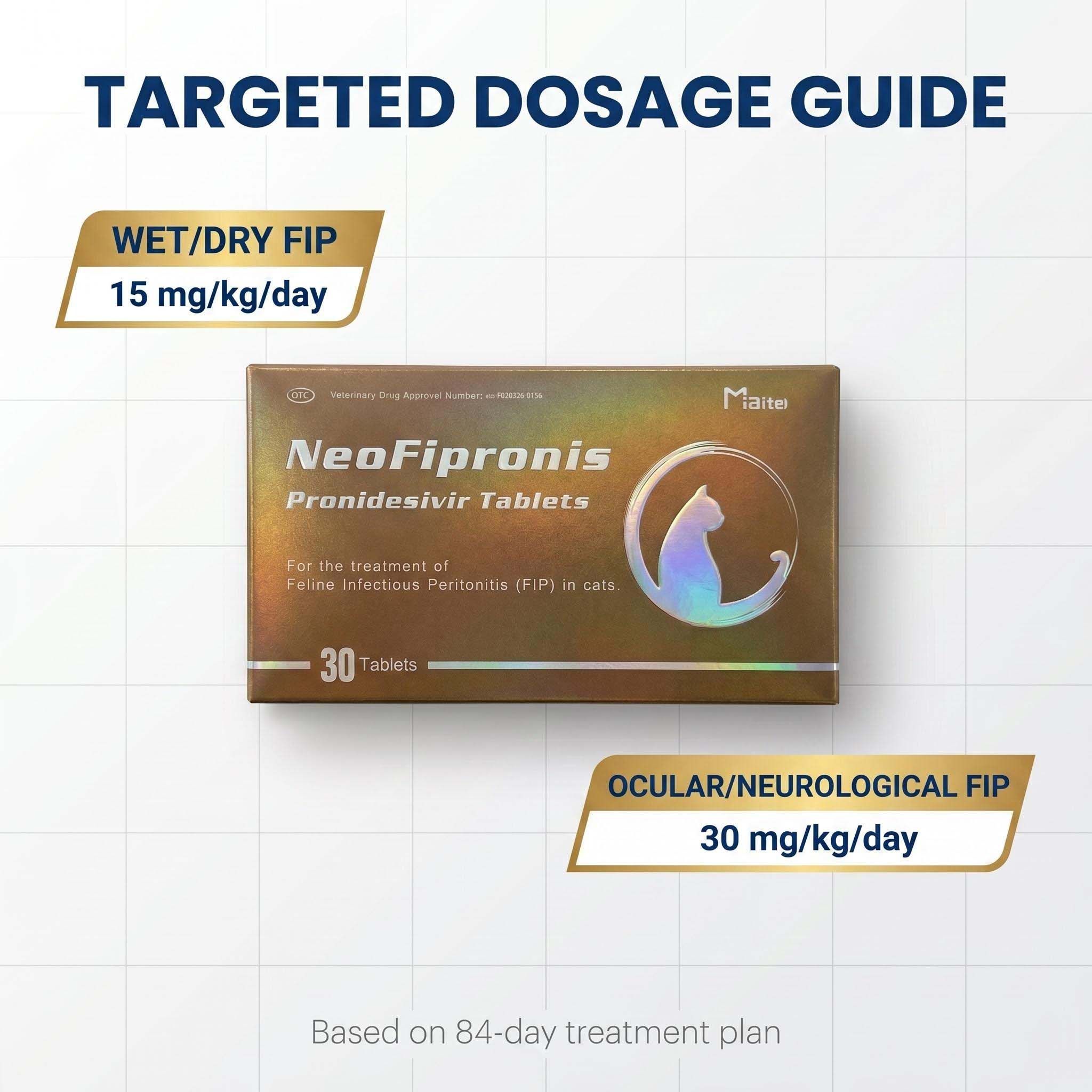
The active compound, GS-441524, is a nucleoside analog that inhibits viral replication by targeting the RNA-dependent RNA polymerase of FCoV. Clinical studies and extensive research have demonstrated remarkable success in resolving FIP symptoms, including anorexia, lethargy, fever, ascites, pleural effusion, lymphadenopathy, granulomatous lesions, neurological damage, and uveitis. The recommended dosage is 15 mg per kg of body weight once daily, taken on an empty stomach — either an hour before feeding or two hours afterward. For neurological or ocular forms of FIP, the dosage may be increased to 30 mg/kg under veterinary supervision.
Resistance development to antiviral drugs like GS-441524 is a critical concern in feline medicine. The timeline for resistance emergence depends on multiple factors, including dosage adherence, treatment duration, viral mutation rates, and the cat’s immune status. Typically, resistance to nucleoside analogs can develop over several weeks to months if the medication is not administered consistently or if treatment duration is insufficient. It is recommended that cats undergo continuous therapy for no less than 12 weeks to ensure complete viral clearance. Interruptions in medication, missed doses, or premature cessation can create selective pressure, favoring resistant viral strains.
Studies suggest that resistance may begin to develop around 8 to 12 weeks of inconsistent or incomplete therapy. However, with strict adherence to the prescribed treatment protocol, the risk of resistance significantly diminishes. Regular monitoring of clinical symptoms, blood work, and liver and kidney function is crucial throughout treatment. Veterinarians must evaluate the cat’s progress periodically and adjust dosages accordingly, especially for neurological or ocular FIP cases where higher doses might be necessary.
The emergence of resistance in FIP treatments underscores the importance of veterinary supervision. NeoFipronis, while effective, should not be used arbitrarily. Although considered a non-prescription drug in some regions, it is strongly recommended that owners consult with a veterinarian before initiating therapy. Proper dosing, complete treatment courses, and routine monitoring are essential strategies to prevent resistance development and improve outcomes.
In conclusion, resistance to NeoFipronis (GS-441524) could potentially develop within 8 to 12 weeks if treatment protocols are not strictly followed. Ensuring adherence to prescribed dosages and durations minimizes the risk. Continued research and clinical vigilance are necessary to optimize treatment strategies, extend drug efficacy, and combat resistance, ultimately saving more cats from the fatal consequences of FIP.