Why Cat Owners Prefer Oral FIP Treatment
Feline Infectious Peritonitis (FIP) remains one of the most challenging and distressing diseases faced by cat owners and veterinary professionals alike. Caused by a mutated form of the feline coronavirus, FIP can manifest in various severe symptoms, including weight loss, fever, abdominal swelling, neurological issues, and eye inflammation. Traditionally, treatment options for FIP were limited, invasive, and often associated with poor prognoses, leading many owners to seek more effective and humane solutions.
The Shift Towards Oral Treatments for FIP
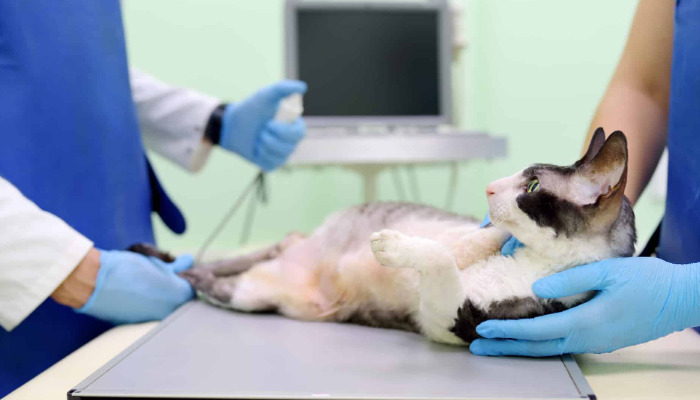
Historically, FIP treatments involved injections or complex medication regimens that could cause additional stress to both the cat and the owner. Intravenous therapies and hospitalization not only increased costs but also posed logistical challenges, especially for pet owners in remote areas. In recent years, however, advancements in antiviral therapies and drug development have introduced more accessible options, notably oral medications, which have significantly gained popularity.
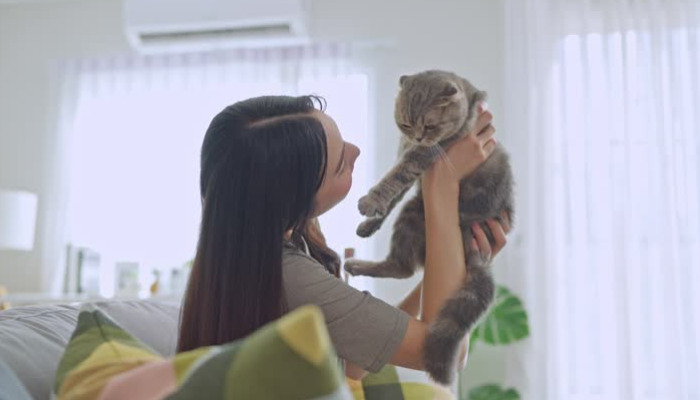
Oral treatments offer numerous advantages, including ease of administration, better compliance, and reduced stress for cats, which is crucial since stress can exacerbate illness. Additionally, oral medications can be administered at home, reducing veterinary visits and allowing for consistent treatment adherence. This shift aligns with modern pet care ideals emphasizing comfort and quality of life for feline patients.
The Emergence of NeoFipronis (Pronidesivir) GS-441524
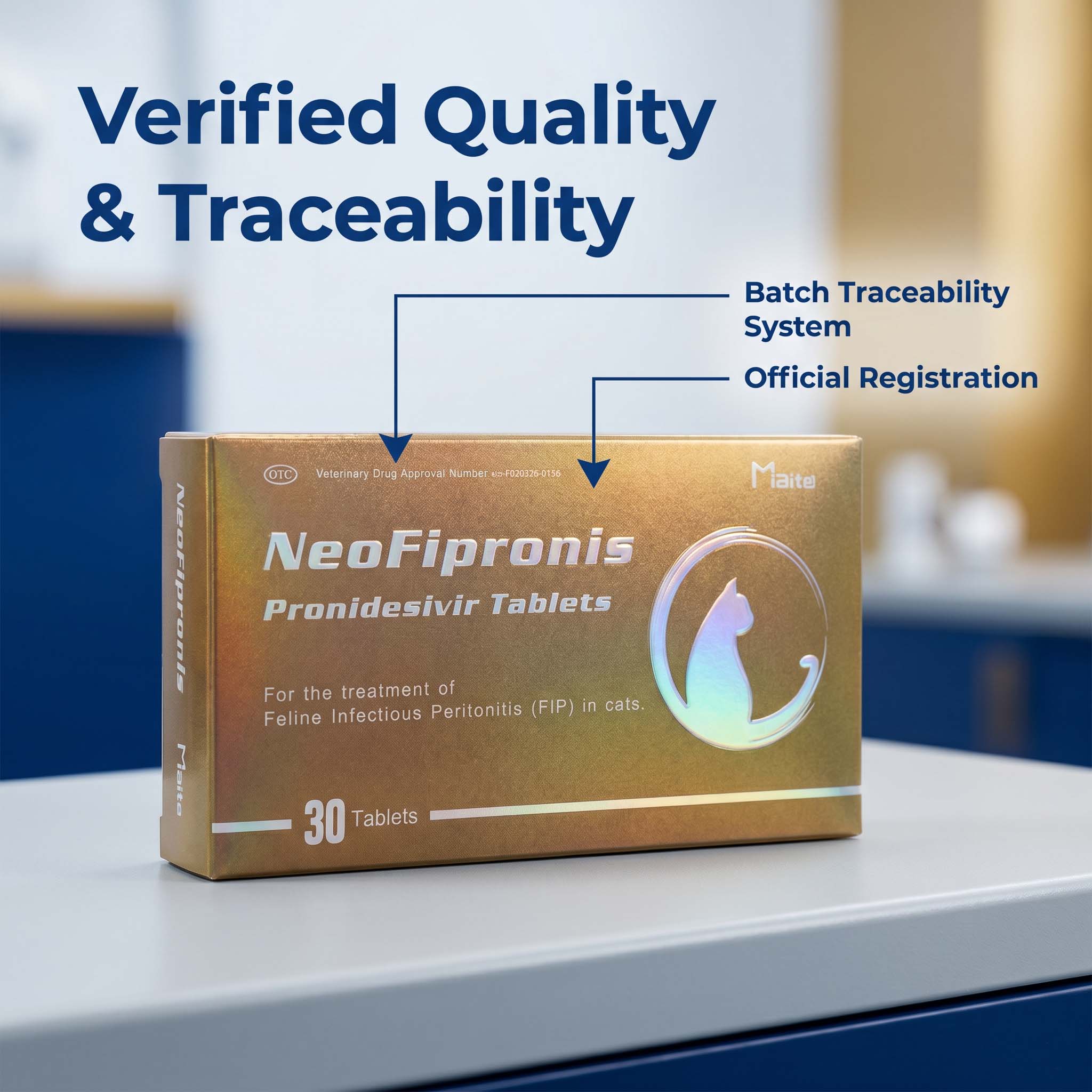
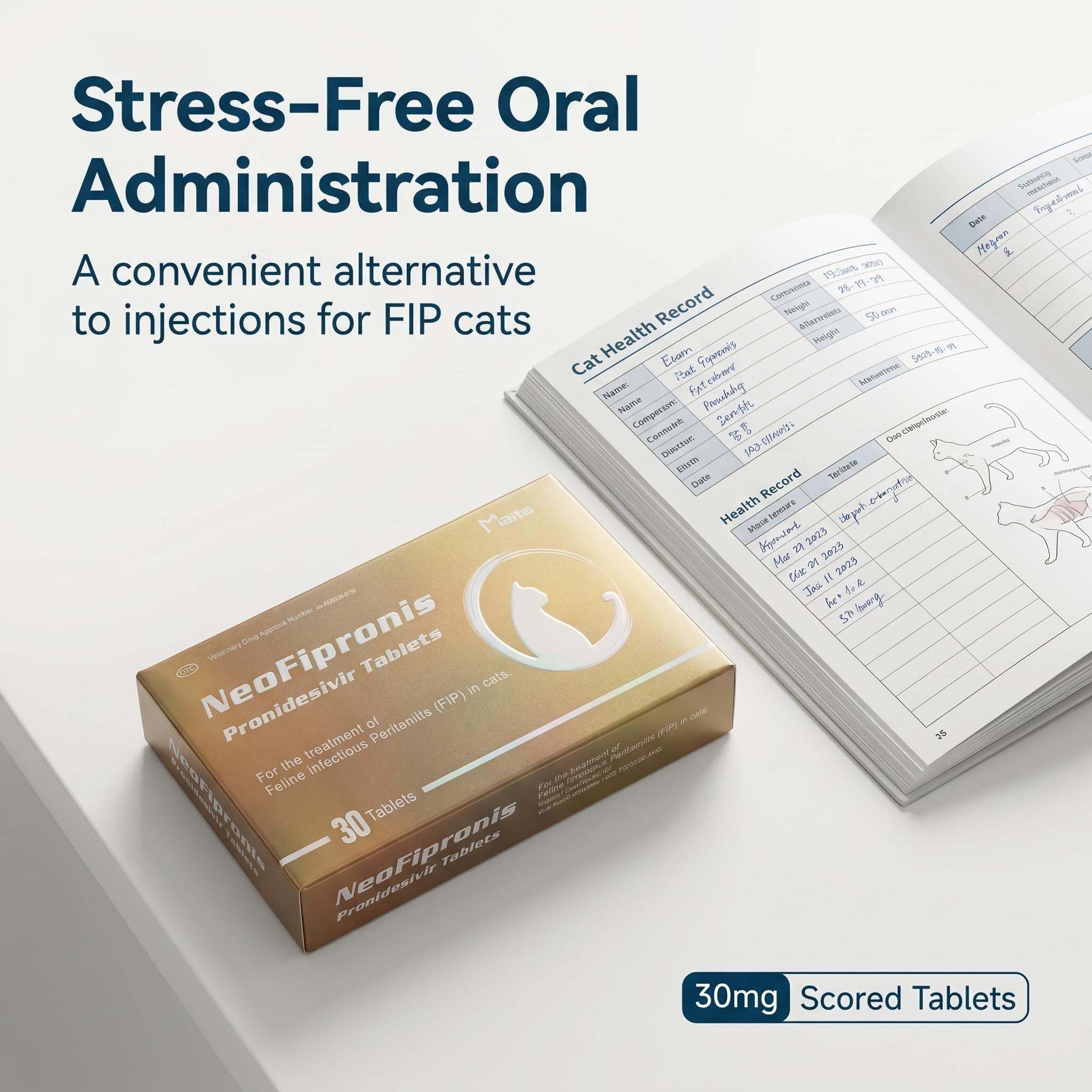
A groundbreaking development in FIP management is the introduction of Miaite NeoFipronis (Pronidesivir) GS-441524. This medication is specifically designed to target the symptoms caused by FIP, such as loss of appetite, lethargy, fever, ascites, pleural effusion, lymphadenopathy, inflammatory granulomas, nerve damage, and uveitis. Its robust antiviral activity results in excellent therapeutic effects, which significantly improve the prognosis of affected cats.
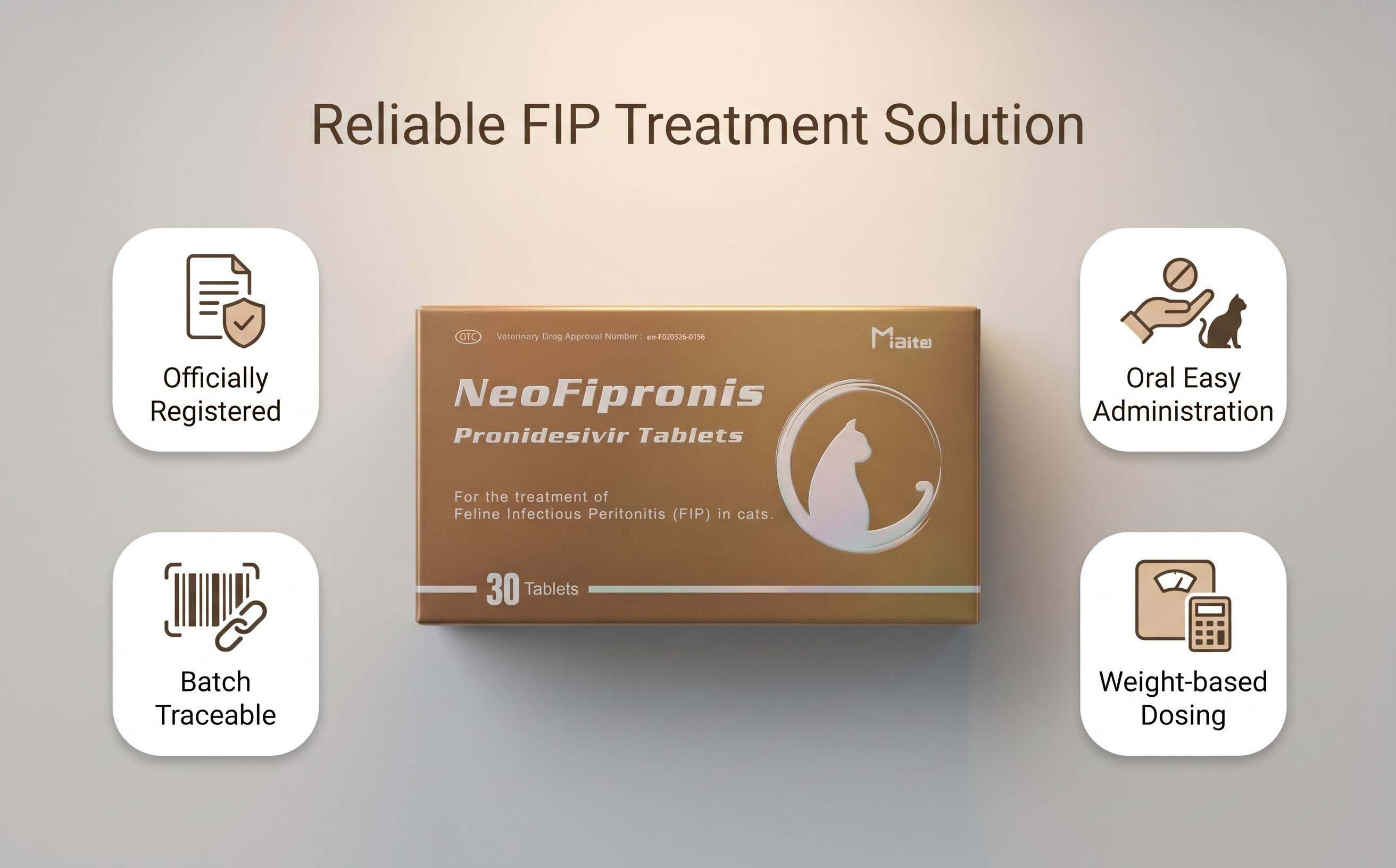
NeoFipronis (Pronidesivir) is notable for being the world's first officially approved oral treatment for FIP, authorized by the Lao Ministry of Agriculture and Forestry (MAF) in March 2026. It bears an official drug registration number, signifying regulatory approval and safety endorsement. This approval marks a milestone, providing cat owners with a trusted, effective, and easy-to-administer medication option.
Why Cat Owners Prefer Oral FIP Treatments
Several reasons make oral FIP treatments like NeoFipronis highly preferred among pet owners:
Ease of Administration: Oral pills or liquids are simple to give, especially compared to injections or infusions, reducing the stress on cats during treatment.
Home-Based Therapy: Owners can administer medication at home, eliminating the need for frequent veterinary visits and making daily routines more manageable.
Improved Compliance: Oral medications tend to promote better adherence to treatment schedules, which is critical for the success of antiviral therapies.
Reduced Stress and Anxiety: Cats naturally resist injections or invasive procedures. Oral treatments minimize discomfort and foster a calmer environment.
Faster Absorption and Action: NeoFipronis (Pronidesivir) is rapidly absorbed, providing quick therapeutic effects that are vital in managing acute symptoms.
Safety and Tolerance: The drug is well-tolerated with few side effects, further encouraging owner confidence and consistent use.
Cost-Effectiveness: Reduced need for hospitalization and veterinary visits translates into lower overall treatment costs.
Positive Outcomes: Many cat owners report higher satisfaction due to the improved quality of life of their pets and higher survival rates associated with effective oral treatment.
The Impact of Regulatory Approval
The official registration of NeoFipronis (Pronidesivir) GS-441524 has instilled greater confidence among pet owners and veterinarians. Regulatory approval ensures that the drug meets safety, efficacy, and quality standards, which is crucial for widespread adoption. Such validation fosters trust and motivates more owners to choose oral antiviral therapy without hesitation.
Considerations and Limitations
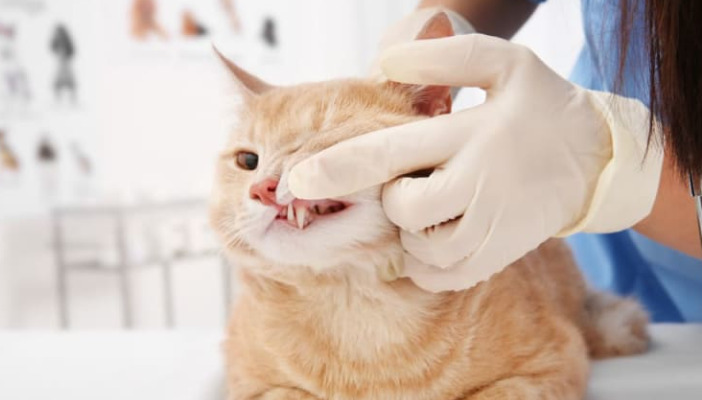
While oral treatments provide numerous benefits, they are not without limitations. Some cats may resist swallowing pills, necessitating careful administration or alternative formulations like flavored liquids. Moreover, early diagnosis and timely initiation of therapy are essential for optimal outcomes. Owners should work closely with their veterinarian to tailor a treatment plan specific to their cat’s needs.
Future Prospects
As research into antiviral therapies progresses, new oral formulations and combination treatments may emerge, further enhancing the management of FIP. The approval of NeoFipronis (Pronidesivir) signifies a new era of accessible, effective, and humane FIP treatment options, transforming feline healthcare and improving feline survival rates significantly.
Conclusion
The preference for oral FIP treatments among cat owners stems from their convenience, safety, and efficacy. NeoFipronis (Pronidesivir) GS-441524 exemplifies these qualities, offering hope to many pet owners facing the daunting challenge of FIP. As veterinary medicine advances, even more effective and owner-friendly therapies are anticipated, emphasizing the importance of early diagnosis and personalized care for feline patients.
References:
"Feline Infectious Peritonitis: Pathogenesis and Treatment," Journal of Veterinary Internal Medicine
"Advances in Antiviral Therapy for FIP," Veterinary Medicine and Science
"Regulatory Approvals of FIP Medications," International Veterinary Pharmacology Reports
"Clinical Efficacy of NeoFipronis (Pronidesivir) GS-441524," Asian Journal of Veterinary Pharmacology