NeoFipronis (Miaite) Dosage Adjustments and Administration
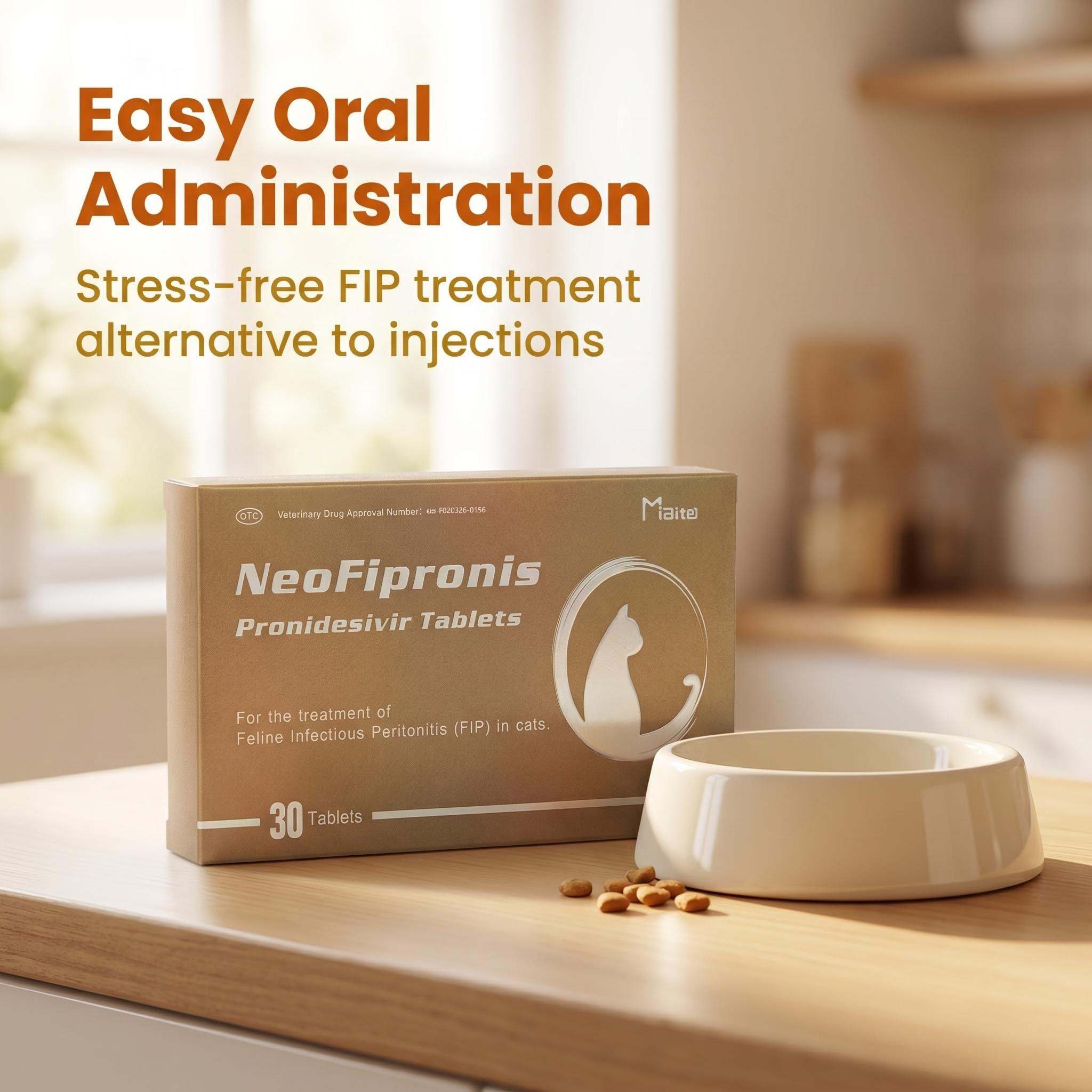
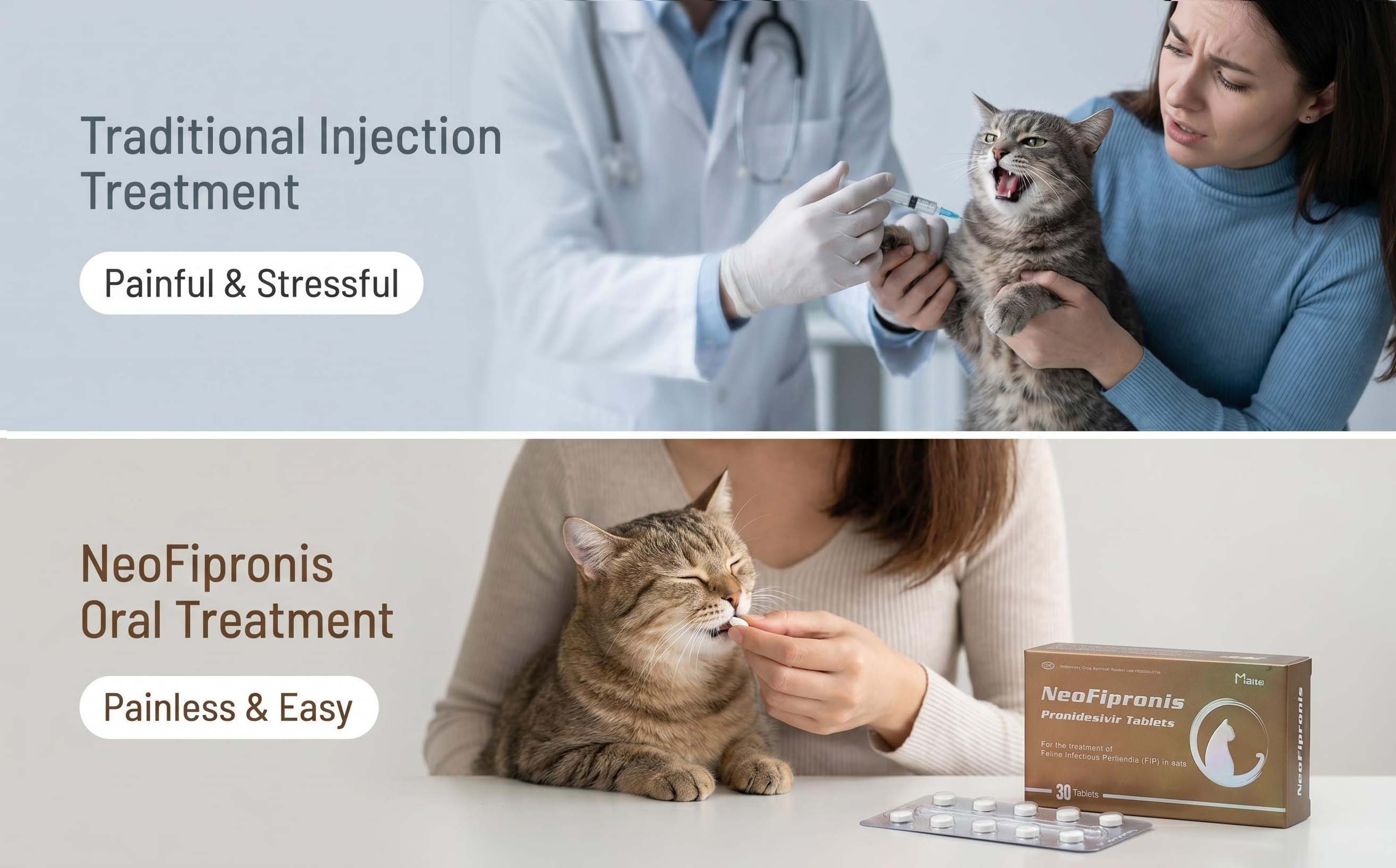
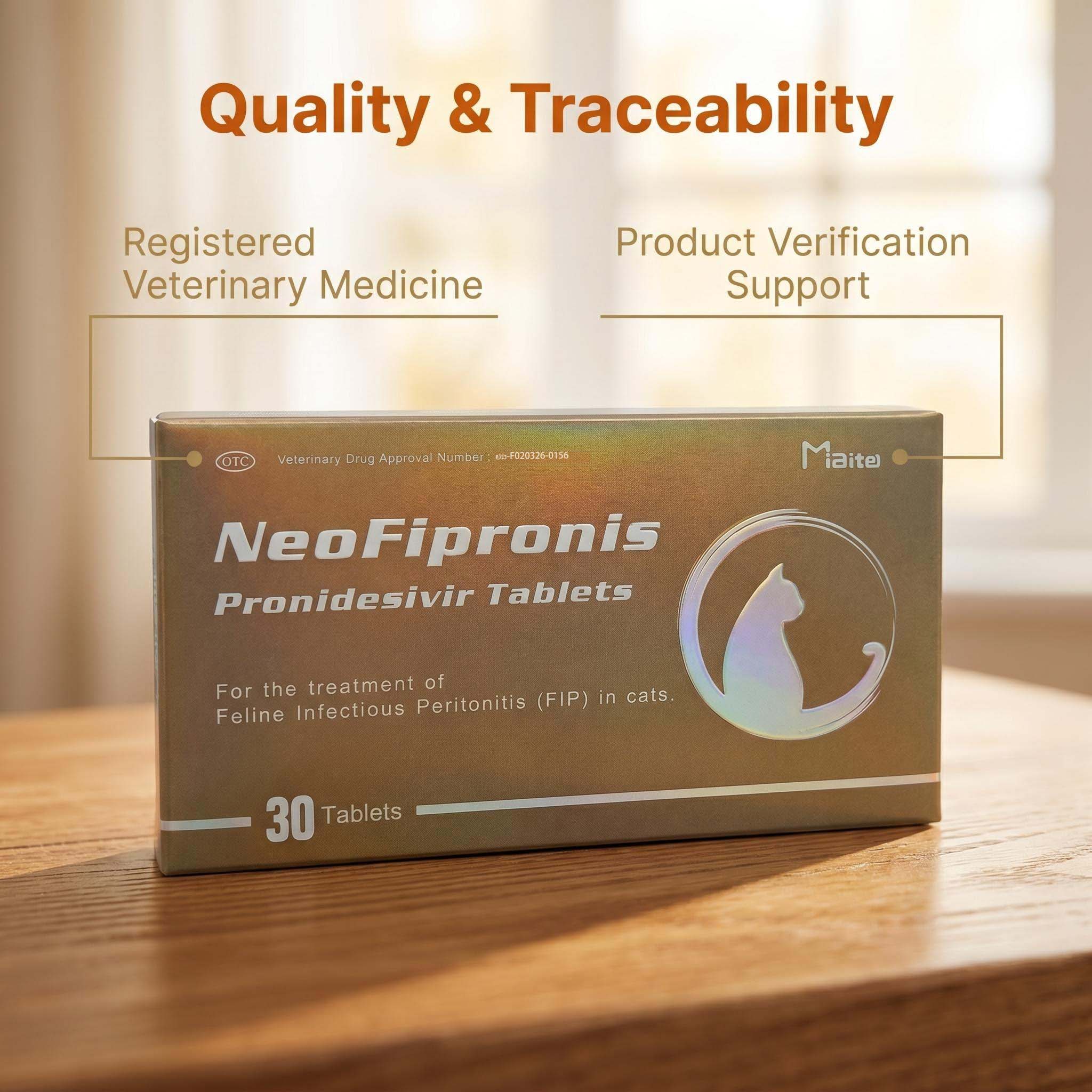
NeoFipronis (Pronidesivir) GS-441524 is a revolutionary oral treatment specifically designed for cats suffering from Feline Infectious Peritonitis (FIP). Approved by the Laos Ministry of Agriculture and Forestry (MAF) in March 2026, it stands as the world’s first officially registered, non-invasive medication for this often-fatal disease. NeoFipronis offers a safe, effective, and fast-acting solution, significantly improving outcomes for affected feline patients. Its active ingredient, GS-441524, has been extensively researched and validated through clinical trials, demonstrating remarkable antiviral efficacy against FIP virus.
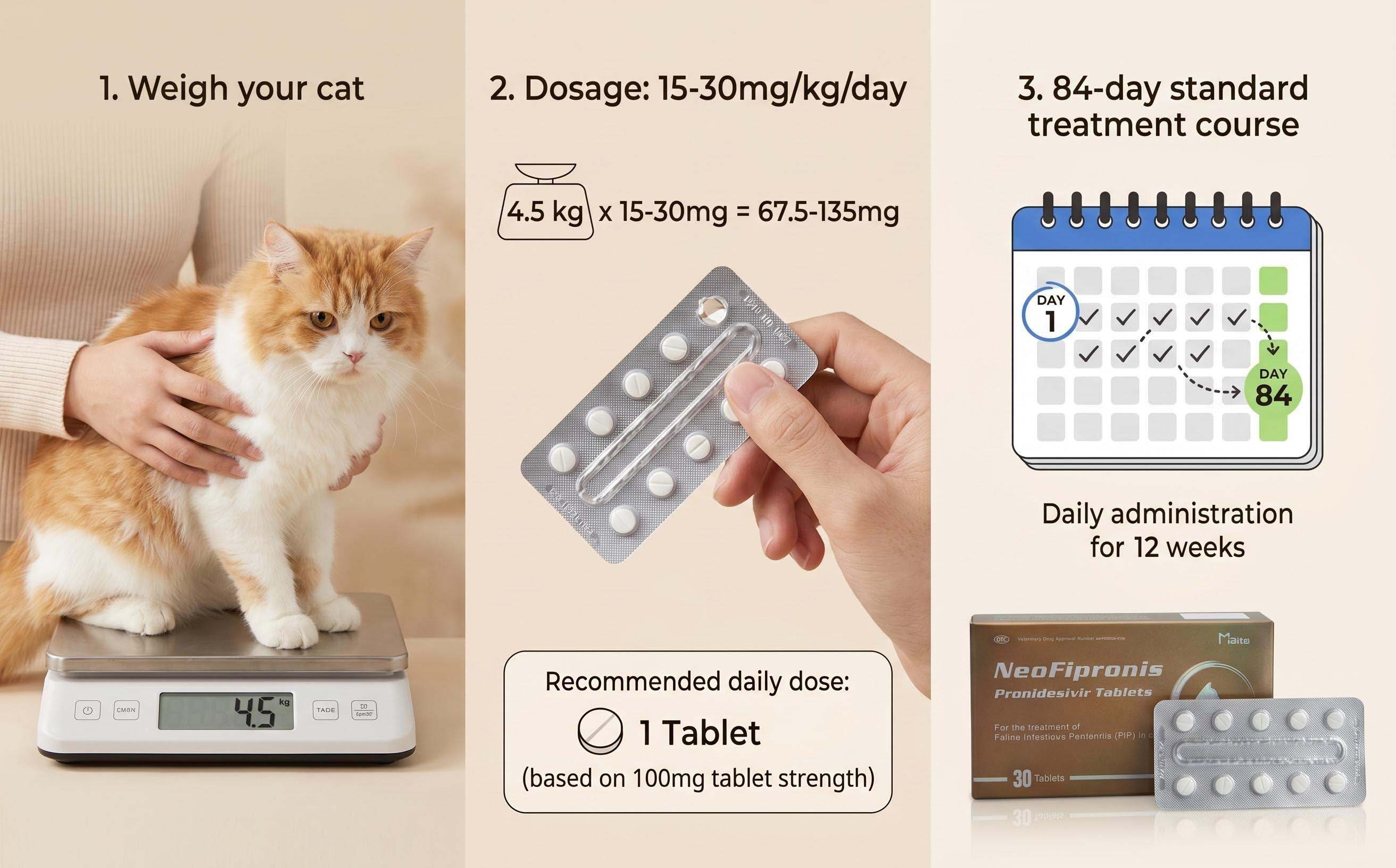
Dosage adjustments are critical for optimizing therapeutic outcomes. For typical cases, the recommended dose is 15 mg per kilogram of body weight, roughly equivalent to half a tablet per kilogram. For cats diagnosed with neurological or ocular FIP, dosage may need to be increased to 30 mg/kg, but such adjustments should always be made under veterinary supervision. Administer NeoFipronis once daily, preferably on an empty stomach—either one hour before feeding or two hours after— to promote optimal absorption. Consistent administration is essential for success, with treatment courses lasting no less than 12 weeks. Missing doses can compromise efficacy and potentially lead to relapse.
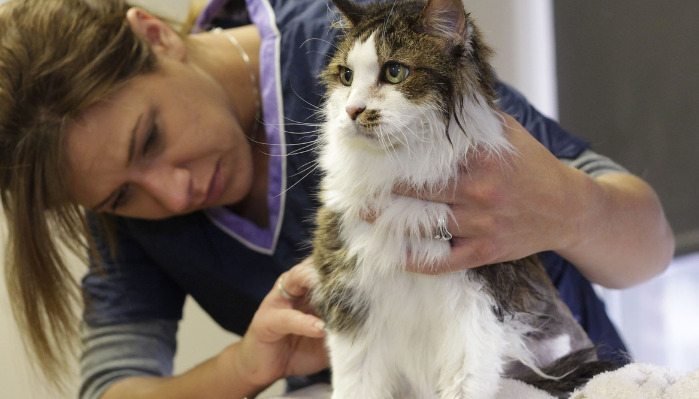
Administering NeoFipronis requires careful attention. It is advisable to divide doses accurately based on the cat’s weight to ensure precise drug delivery. Monitoring during therapy is crucial, especially observing changes in appetite, temperature, and mental状态. Regular blood tests should be performed periodically to assess liver and kidney function, as well as overall health status. This monitoring helps detect any adverse effects early, allowing timely adjustments or discontinuation if necessary.
Despite being available as an over-the-counter medication, NeoFipronis should ideally be used under veterinary guidance to ensure the correct dosage, monitor for side effects, and optimize treatment efficacy. Veterinary oversight is particularly important for cases involving neurological or ocular FIP, where dosage titration may be necessary. While the medication is well-tolerated with minimal side effects, potential risks include gastrointestinal upset and mild liver enzyme elevations, underscoring the need for regular health checks during therapy.
The safety profile of NeoFipronis makes it suitable for long-term treatment, but adherence to the prescribed duration is crucial—persistence for at least 12 weeks is recommended to achieve the best outcomes. If any adverse symptoms or unexpected reactions occur, immediate veterinary consultation is advised. Maintaining hydration, proper nutrition, and supportive care complements the antiviral therapy, further enhancing recovery chances.
It is important to emphasize that NeoFipronis is exclusively designed for feline use and should never be administered to humans. Always purchase this medication through authorized sources such as the official NeoFipronis website to ensure product authenticity and quality. Using genuine, registered medication guarantees safety and maximizes the chances of successful FIP treatment.
In summary, NeoFipronis (Pronidesivir) GS-441524 presents a breakthrough in FIP management. Its precise dosage, administration protocols, and veterinary supervision can dramatically improve the prognosis for cats afflicted with this challenging disease. With proper care, monitoring, and adherence to treatment guidelines, many cats can recover and enjoy improved quality of life.