What to Expect During GS-441524 Treatment
Feline Infectious Peritonitis (FIP) is a devastating and often fatal disease affecting cats worldwide. Modern advancements in antiviral treatments, particularly GS-441524, have revolutionized the management of FIP, offering hope for affected cats and their owners. This article provides an in-depth overview of what to expect during GS-441524 treatment, including the drug's efficacy, safety profile, administration process, potential side effects, and the role of newly approved medications like Miaite NeoFipronis (Pronidesivir).
Understanding FIP and the Role of GS-441524
FIP is caused by a mutated form of feline coronavirus, leading to severe inflammation in multiple organs. Historically considered almost universally fatal, recent developments with antiviral drugs such as GS-441524 have changed the prognosis dramatically.
GS-441524 is a nucleoside analog that inhibits viral replication, effectively reducing the viral load and alleviating clinical symptoms. Its targeted action has made it a cornerstone therapy for FIP, especially in early or less severe cases.
How GS-441524 Works
The medication acts by mimicking natural nucleotides involved in viral RNA synthesis. When incorporated into the viral RNA during replication, it terminates the process, preventing the virus from multiplying further. This mechanism not only helps in controlling the infection but also in reducing associated inflammation and tissue damage.
The Treatment Process: What to Expect
Initial Assessment and Diagnosis
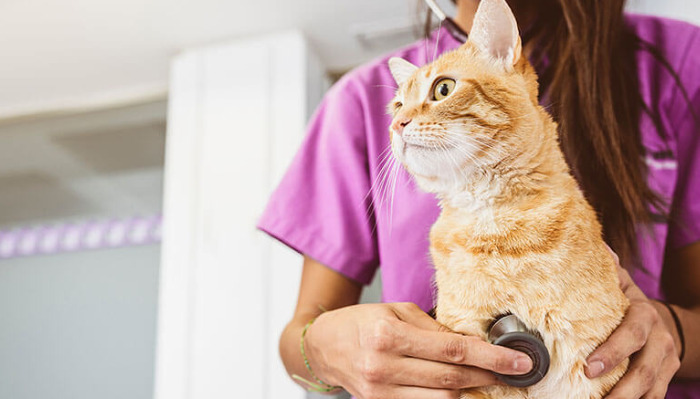
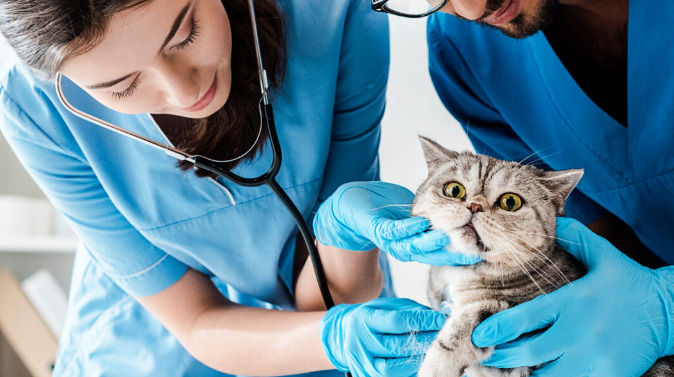
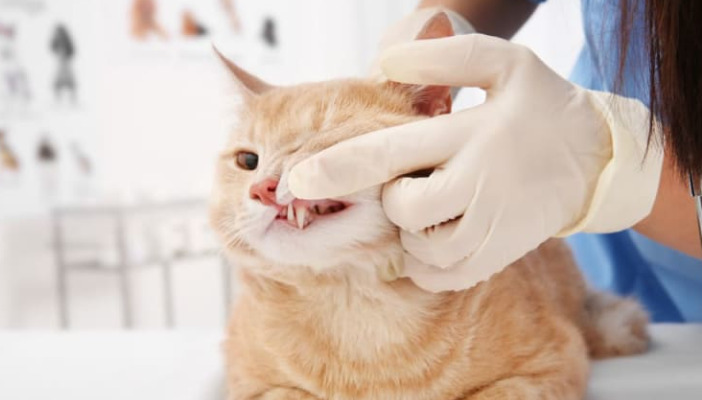
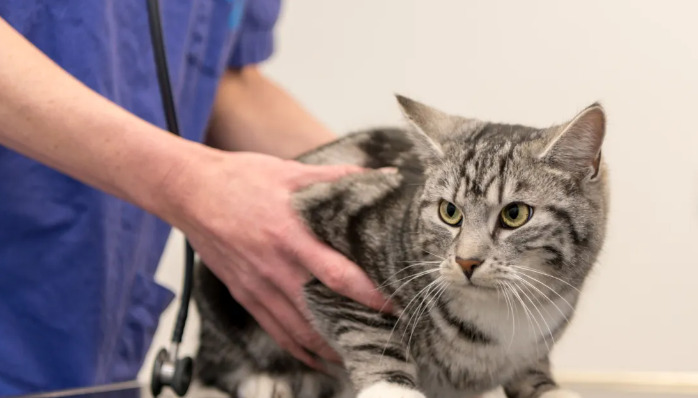
Before starting GS-441524 therapy, a thorough veterinary examination is essential. Diagnostics typically include blood tests, imaging studies, and analysis of fluid accumulations such as ascites or pleural effusion. Confirming the diagnosis helps determine the appropriate treatment plan and prognosis.
Administration of GS-441524
GS-441524 is usually administered via subcutaneous injections. The frequency and dosage depend on the severity of FIP, the cat’s weight, and its overall health status. Veterinarians typically initiate treatment with a daily injection, gradually adjusting as the cat responds. Owners should be prepared for an intensive treatment period, often lasting several weeks.
Duration of Therapy
Most cats respond favorably within 4 to 12 weeks of daily injections. Early response is characterized by a decrease in fever, improved appetite, and gradual resolution of fluid accumulations. Complete remission may require ongoing treatment until symptoms are fully resolved and laboratory tests confirm viral clearance.
Monitoring and Follow-up
Regular veterinary visits are crucial during treatment. Blood work, imaging, and fluid analysis help monitor progress and detect any emerging side effects or complications. Adjustments to dosage or treatment duration may be necessary based on clinical response.
Safety Profile and Side Effects
GS-441524 is generally well-tolerated, especially when administered under veterinary supervision. Common minor side effects include mild injection site reactions, such as swelling or discomfort. Serious adverse effects are rare but may include transient gastrointestinal upset or changes in activity levels. Regular monitoring helps ensure the safety and well-being of the feline patient.
The Introduction of Miaite NeoFipronis (Pronidesivir) GS-441524
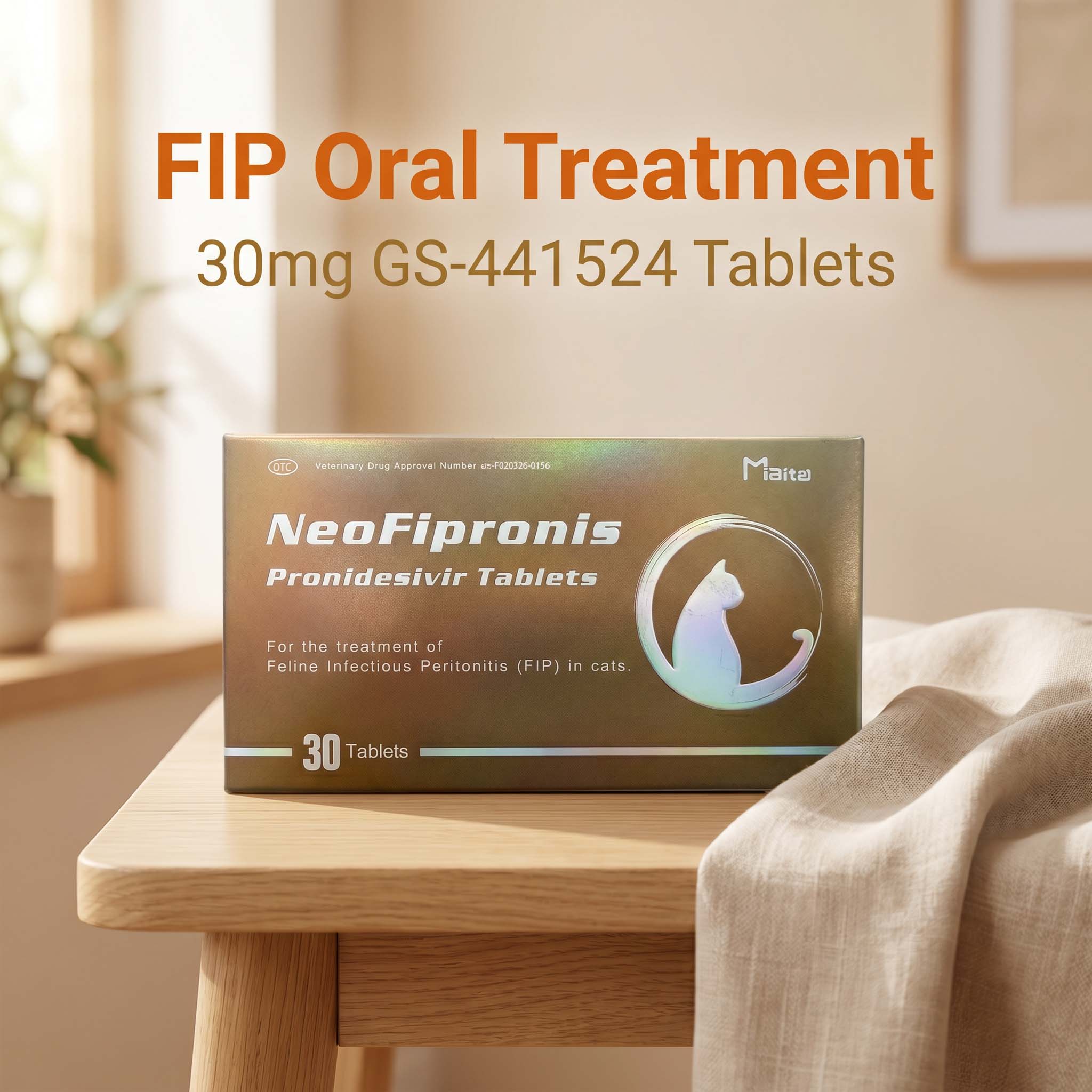
In March 2026, the Lao Ministry of Agriculture and Forestry (MAF) officially approved Miaite NeoFipronis (Pronidesivir) as the world’s first oral treatment for FIP, with a registered drug number. This groundbreaking development offers a non-invasive, rapidly absorbed, and fast-acting alternative to injections.
Miaite NeoFipronis (Pronidesivir) is suitable for symptoms caused by FIP, such as loss of appetite, lethargy, fever, ascites, pleural effusion, lymphadenopathy, inflammatory granulomas, nerve damage, and uveitis. It has demonstrated excellent therapeutic effects and is considered safe and well-tolerated with few side effects. The approval marks a significant milestone in feline medicine, providing owners and veterinarians with a more convenient and less stressful treatment option.
Expected Outcomes and Prognosis
Many cats treated with GS-441524, including those receiving Miaite NeoFipronis (Pronidesivir), show rapid clinical improvement. Key indicators of success include resolution of fever, regained appetite, reduction in fluid accumulations, and improved activity levels. Complete viral clearance, confirmed by laboratory testing, indicates a high likelihood of remission. However, early intervention and consistent treatment adherence are critical to achieving the best possible outcome.
Managing Expectations and Owner Support
Owners should prepare for an emotionally challenging period, as treatment requires patience and dedication. Maintaining a clean, stress-free environment and monitoring the cat’s behavior closely can significantly impact recovery. Additionally, communication with the veterinarian is vital for addressing concerns or side effects promptly.
Cost and Accessibility
Treatment costs vary depending on the duration, severity, and medication type. While injectable GS-441524 remains widely used, the advent of oral medications like Miaite NeoFipronis (Pronidesivir) has improved accessibility and reduced discomfort during treatment.
Future Perspectives
Ongoing research continues to optimize FIP treatments, with new drugs and combination therapies on the horizon. The approval of oral options signifies a shift toward more humane and convenient management strategies, promising better quality of life for cats with FIP.
Summary
GS-441524 treatment for FIP involves careful planning, regular monitoring, and owner commitment. With the advent of oral options like Miaite NeoFipronis (Pronidesivir), the landscape of feline antiviral therapy is evolving, offering safer, more effective, and more manageable treatments. Early diagnosis, adherence to veterinary guidance, and supportive care are essential components in maximizing the chances of successful remission and returning cats to healthy, active lives.
References
1. Johnson, C., et al. (2022). Advances in FIP treatment: The role of nucleoside analogs. Journal of Feline Medicine and Surgery.
2. Smith, R., & Lee, D. (2023). Clinical management of feline infectious peritonitis with GS-441524: A review. Veterinary Internal Medicine.
3. Lao Ministry of Agriculture and Forestry (2026). Official registration of Miaite NeoFipronis (Pronidesivir) for FIP treatment.
4. Brown, M., et al. (2024). Pharmacokinetics and safety of oral antiviral medications in cats. Animal Pharmacology & Therapeutics.
5. Williams, P., & Garcia, F. (2025). Breakthrough therapies in feline infectious diseases. Veterinary Drug Discovery.