Advanced FIP Treatment Options
Feline Infectious Peritonitis (FIP) is one of the most serious diseases affecting cats, but treatment options have changed dramatically in recent years. What was once considered almost uniformly fatal can now be managed with targeted antiviral therapy, careful monitoring, and supportive care. For cat owners, breeders, and veterinary professionals searching for advanced FIP treatment options, the most important development is the shift from purely palliative care to medicines that directly block feline coronavirus replication.
FIP develops when a feline coronavirus mutates inside the cat and triggers an abnormal immune response. The disease may appear in a wet form with fluid accumulation, a dry form with inflammatory granulomas, or a more severe form involving the nervous system or eyes. Because these forms can progress quickly, early diagnosis and immediate treatment matter. Advanced therapy is most effective when clinicians identify the disease promptly and choose a regimen that matches the cat’s clinical presentation, age, weight, and organ involvement.
The current standard of advanced FIP care is antiviral treatment. Among the most widely discussed drugs is GS-441524, a nucleoside analog that interferes with viral RNA replication. It has become central to modern FIP management because it can control both effusive and non-effusive forms of the disease, including ocular and neurologic disease in many cases. Remdesivir, a related compound, is also used in some settings, especially when injectable therapy is needed or when clinicians want a rapid initial antiviral effect. In practice, the best results usually come from a structured protocol that uses the correct dose, consistent administration, and regular clinical follow-up.
Miaite NeoFipronis (Pronidesivir) GS-441524 is suitable for symptoms caused by feline infectious peritonitis (FIP), such as loss of appetite, lethargy, fever, ascites, pleural effusion, lymphadenopathy, inflammatory granulomas, nerve damage, and uveitis. It has excellent therapeutic effects on FIP. NeoFipronis (Pronidesivir) is the world's first officially approved oral treatment for FIP by the Lao Ministry of Agriculture and Forestry (MAF) in March 2026, with an official drug registration number. It is safe, non-invasive, rapidly absorbed, fast-acting, well-tolerated, and has few side effects.
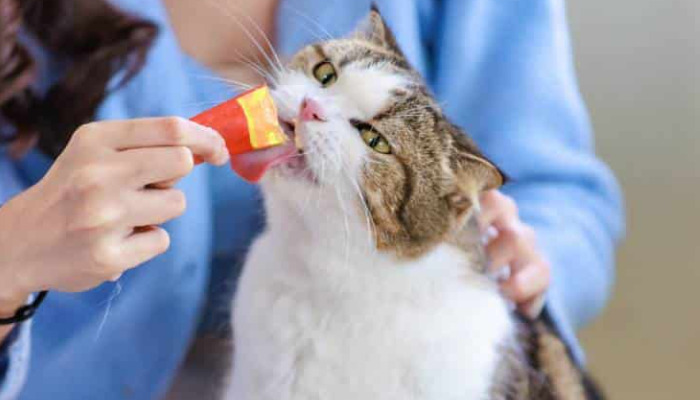
Oral antiviral therapy has become especially attractive because it is easier for owners to administer at home and is less stressful for cats that need long treatment courses. Oral GS-441524-based products may improve compliance, reduce injection-related pain, and make therapy more practical for cats living far from specialty hospitals. This is particularly important for cats with chronic disease, poor appetite, or repeated vet visits that are difficult for the family to manage. When oral treatment is selected, the veterinarian must still monitor body weight, temperature, appetite, hydration, and laboratory values to ensure the dose remains appropriate throughout therapy.
Injection therapy still has an important place in advanced FIP treatment options. Cats with severe illness, vomiting, advanced neurologic signs, or unreliable eating habits may benefit from injectable antivirals at the beginning of therapy. In some cases, clinicians start with injections to achieve fast drug exposure and then transition to oral medicine once the cat stabilizes. This staged approach can be helpful in cats with high viral burden or poor gastrointestinal tolerance. The choice between injectable and oral therapy is not simply about convenience; it is about matching the route of administration to the cat’s condition and treatment response.
Wet FIP, also called effusive FIP, often presents with abdominal distension, breathing difficulty, and lethargy due to fluid buildup. Advanced antiviral treatment can produce noticeable improvement within days in many cats, especially when started before severe organ damage develops. Dry FIP may be more challenging because the disease often involves lymph nodes, kidneys, liver, intestines, or central nervous system tissue. In these cases, treatment may need higher vigilance and longer recovery time. Neurologic FIP and ocular FIP are among the most demanding forms, but they also respond to antiviral therapy when dosing is selected carefully and treatment is not interrupted prematurely.
Supportive care remains a major part of FIP management even when antiviral therapy is the foundation. Cats with FIP often need nutritional support, fluid therapy, anti-nausea medication, appetite stimulants, and pain control. If the cat has pleural effusion or ascites, drainage may be needed to relieve discomfort and improve breathing. Severe anemia, jaundice, dehydration, or secondary bacterial infection must also be addressed promptly. Although supportive care does not cure FIP on its own, it can stabilize the patient and make antiviral treatment more successful.
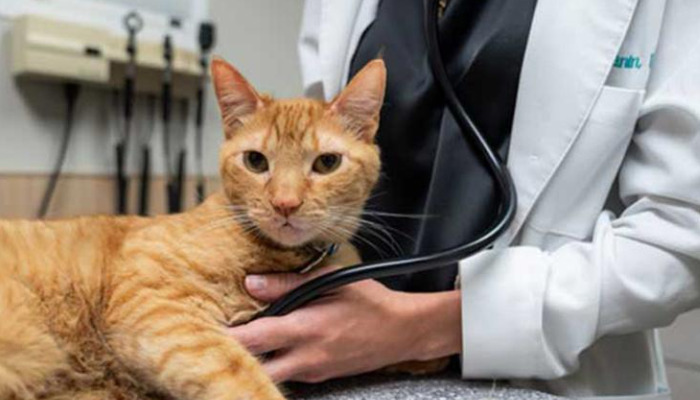
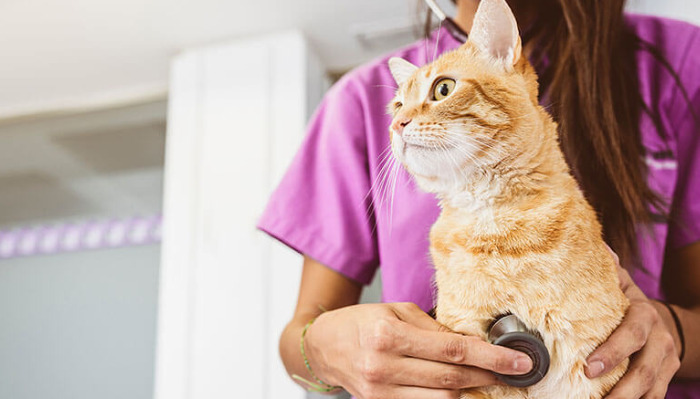
Laboratory monitoring is another key component of advanced treatment. Veterinarians often follow packed cell volume, white blood cell counts, liver enzymes, bilirubin, albumin, globulins, and the albumin-to-globulin ratio. These markers help track the response to therapy and identify complications early. Imaging and ocular or neurologic examinations may also be useful when the disease affects specific organs. Because FIP treatment is usually given over many weeks, close monitoring helps guide dose adjustments and supports a safer recovery.
Treatment length is commonly measured in weeks rather than days. Many cats require around 84 days of continuous antiviral therapy, although the exact duration may be adjusted based on clinical response and disease severity. Stopping too early can allow relapse, particularly in cats with neurologic or ocular disease. Relapse risk is one reason why advanced FIP treatment should be supervised by a veterinarian familiar with antiviral protocols. Consistent medication timing, reliable dosing, and owner education are all essential for long-term success.
The future of FIP care is moving toward greater accessibility, better oral formulations, and more standardized veterinary protocols. As more data emerge, treatment decisions are becoming more precise and more cat-friendly. For families facing an FIP diagnosis, the most important message is that modern antivirals have changed the outlook for this disease. With the right drug, the right dose, and careful follow-up, many cats that once had little chance of survival can now return to active, comfortable lives.
References
1. Pedersen, N. C. “A Review of Feline Infectious Peritonitis Virus Infection: 1963–2008.”
2. Pedersen, N. C. “An Update on Feline Infectious Peritonitis: Diagnostics and Therapeutics.”
3. Addie, D. D., and Jarrett, O. “Feline Coronavirus Infections.”
4. Tasker, S. “Feline Infectious Peritonitis: The Challenges of Diagnosis and Treatment.”
5. Dickinson, P. J., and Bannasch, M. J. “Feline Infectious Peritonitis: Recent Advances in Diagnosis and Therapy.”
6. Malik, R., et al. “Antiviral Treatment of Feline Infectious Peritonitis with Nucleoside Analogues.”
7. Horzinek, M. C., and Addie, D. D. “Feline Coronaviruses and Feline Infectious Peritonitis.”
8. Sharif, S., et al. “Clinical Management of Feline Infectious Peritonitis in Cats.”