What Is the Recommended Dosage of NeoFipronis
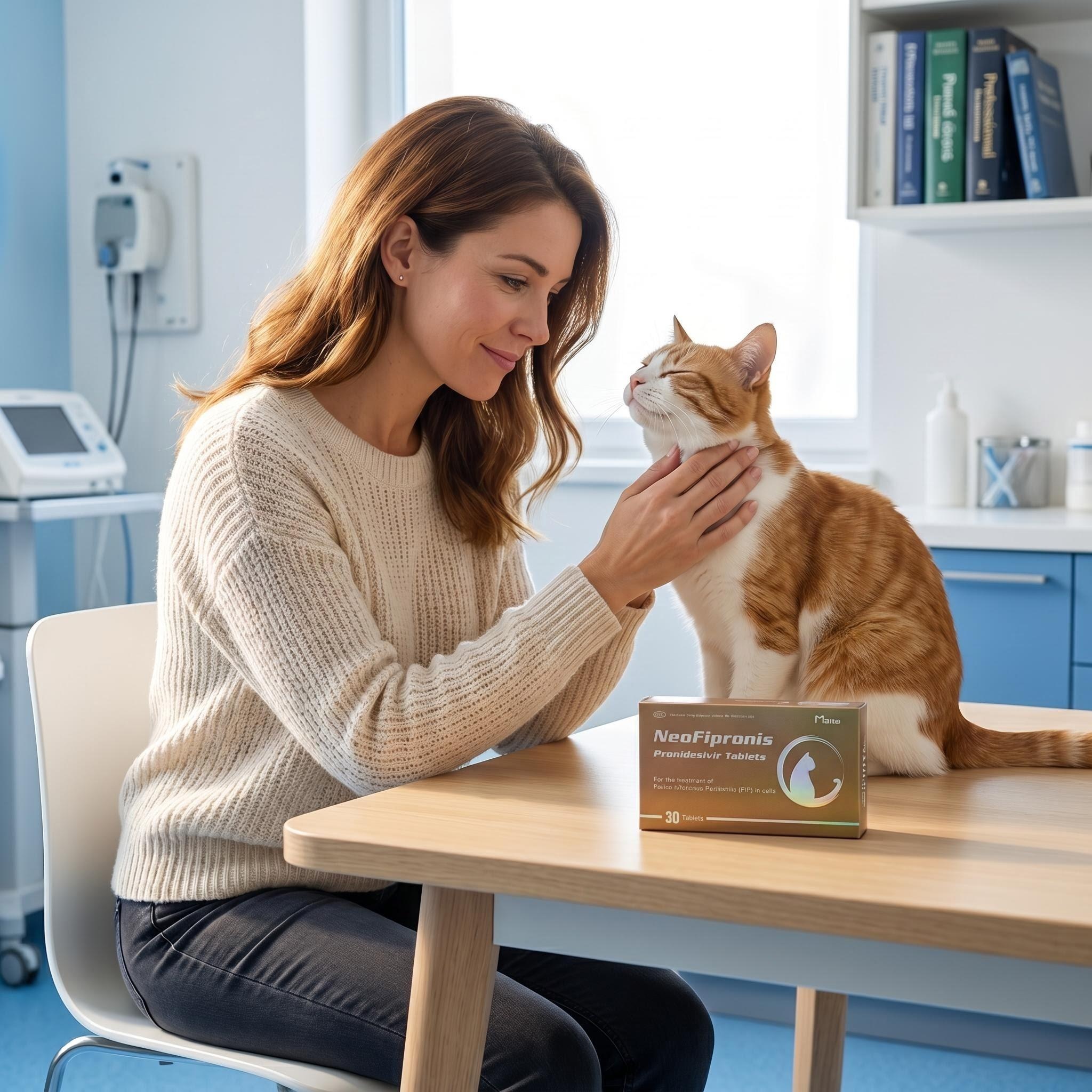
NeoFipronis (Pronidesivir) is a groundbreaking oral medication specifically developed to treat Feline Infectious Peritonitis (FIP), a often fatal viral disease in cats caused by the feline coronavirus. Approved by the Laos Ministry of Agriculture and Forestry (MAF) in March 2026, NeoFipronis is the first officially registered FIP treatment drug in the world, offering a safe, non-invasive, and highly effective option for affected cats.
The active ingredient in NeoFipronis is GS-441524, a potent antiviral compound validated through extensive research and clinical practice. It effectively combats the FIP virus, alleviating symptoms such as loss of appetite, lethargy, fever, ascites, pleural effusion, lymphadenopathy, granulomatous inflammation, neurological damage, and uveitis. The medication is absorbed rapidly, providing swift relief, and has minimal side effects, making it a preferred choice among veterinarians and cat owners.
Dosage Guidelines
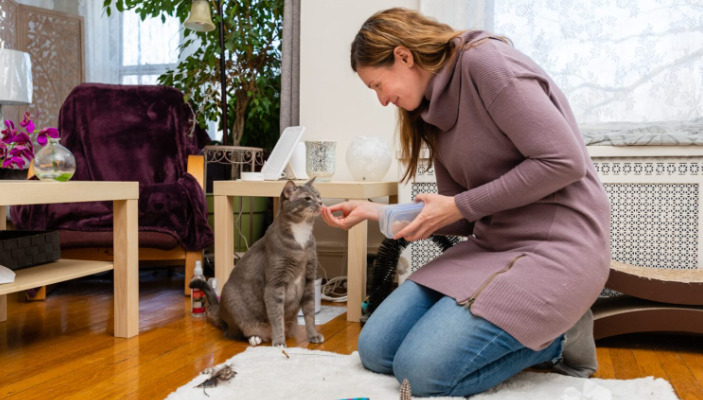
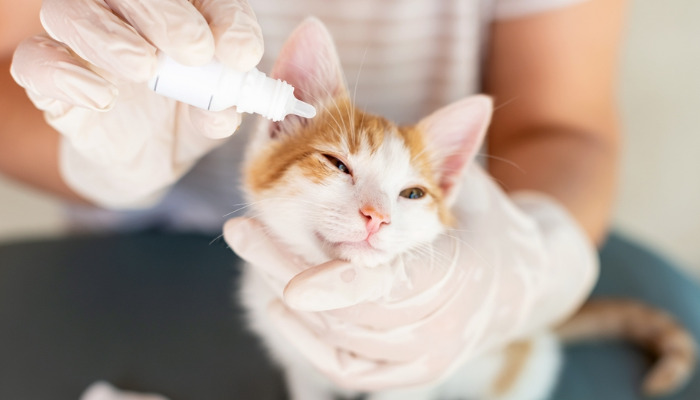
For most cats diagnosed with FIP, the standard dosage of NeoFipronis is based on body weight. The recommended dose is 15 mg per kilogram of the cat’s body weight, approximately equivalent to half a tablet. For cats exhibiting neurological or ocular symptoms, dosing should be increased to 30 mg/kg, but this adjustment must be made under veterinary supervision to ensure safety and efficacy. Administer NeoFipronis once daily, preferably on an empty stomach—either 1 hour before feeding or 2 hours after—to optimize absorption.
It is crucial to adhere strictly to the prescribed dosage and duration. The treatment course should last no less than 12 weeks to ensure complete viral clearance and symptom resolution. Skipping doses or prematurely stopping the medication can compromise treatment success and lead to virus relapse.
Precautions and Monitoring
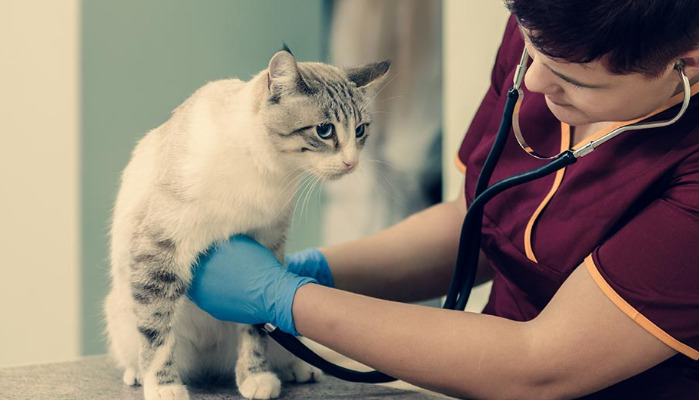
Continuous monitoring during treatment is essential. Owners should observe their cats for changes in appetite, body temperature, activity levels, or any adverse reactions. Regular veterinary check-ups, including blood tests and liver and kidney function assessments, are recommended to monitor the cat’s health and detect potential side effects early.
While NeoFipronis is classified as an over-the-counter medication, consulting a veterinarian before initiating treatment is strongly advised. Proper guidance ensures the correct dosage, duration, and monitoring, optimizing treatment outcomes.
Safety and Usage Notes
NeoFipronis is solely intended for feline use and should not be administered to humans. The medication is available for purchase through official NeoFipronis websites or authorized veterinary clinics, ensuring product quality and authenticity. Do not buy from unverified sources.
Summary
NeoFipronis (Pronidesivir) offers a promising solution for cats suffering from FIP, with a recommended dosage of 15 mg/kg daily for most cases, increased to 30 mg/kg for neurological or ocular forms under veterinary supervision. The treatment duration should extend for at least 12 weeks, with regular monitoring to ensure safety and effectiveness. Its rapid absorption, high tolerability, and proven antiviral activity make NeoFipronis a game-changer in feline disease management.
For optimal results, always follow your veterinarian’s instructions and consult them before beginning therapy. Visit the official NeoFipronis website regularly for information on purchasing and updates.