What Is the Mechanism of Action of NeoFipronis (GS-441524)
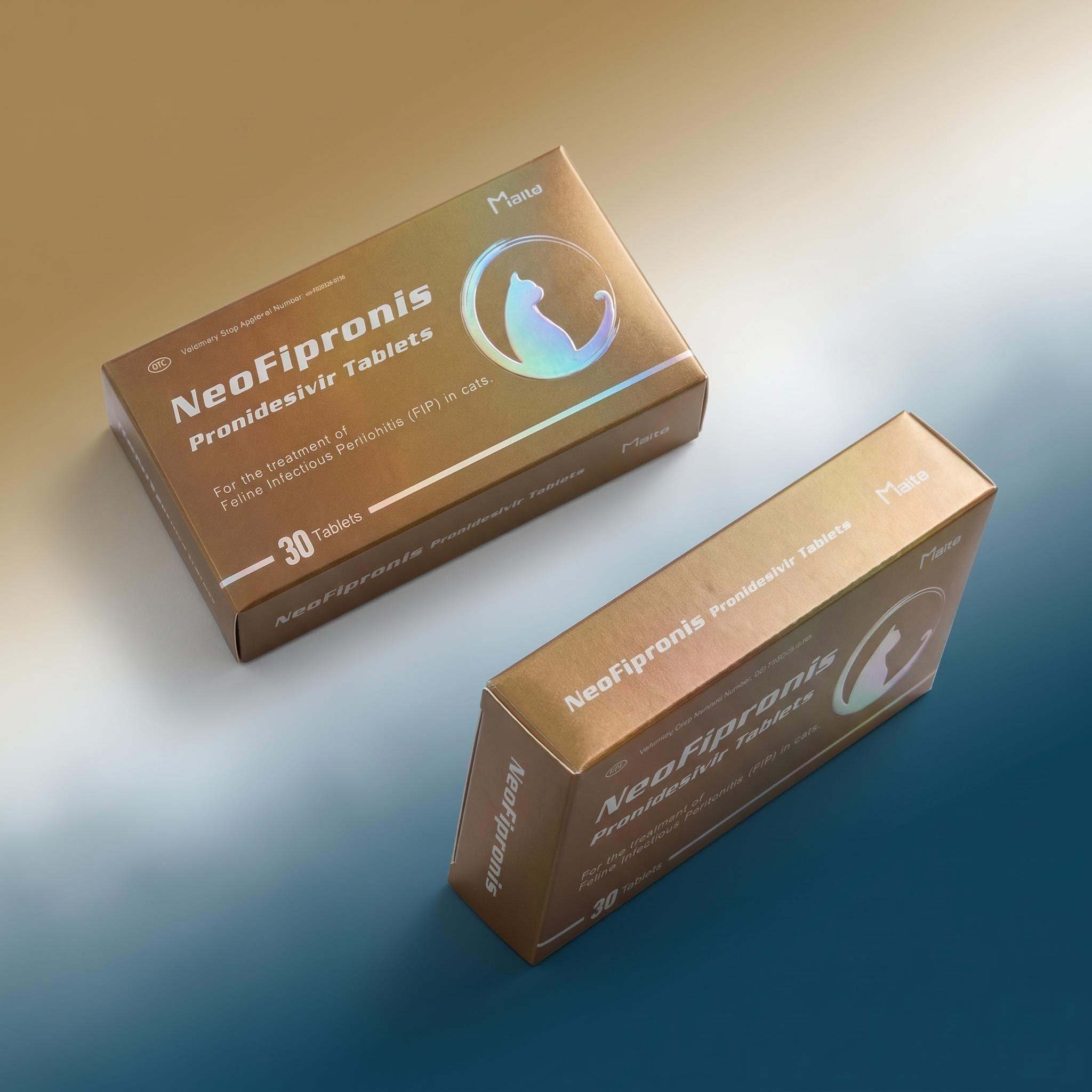
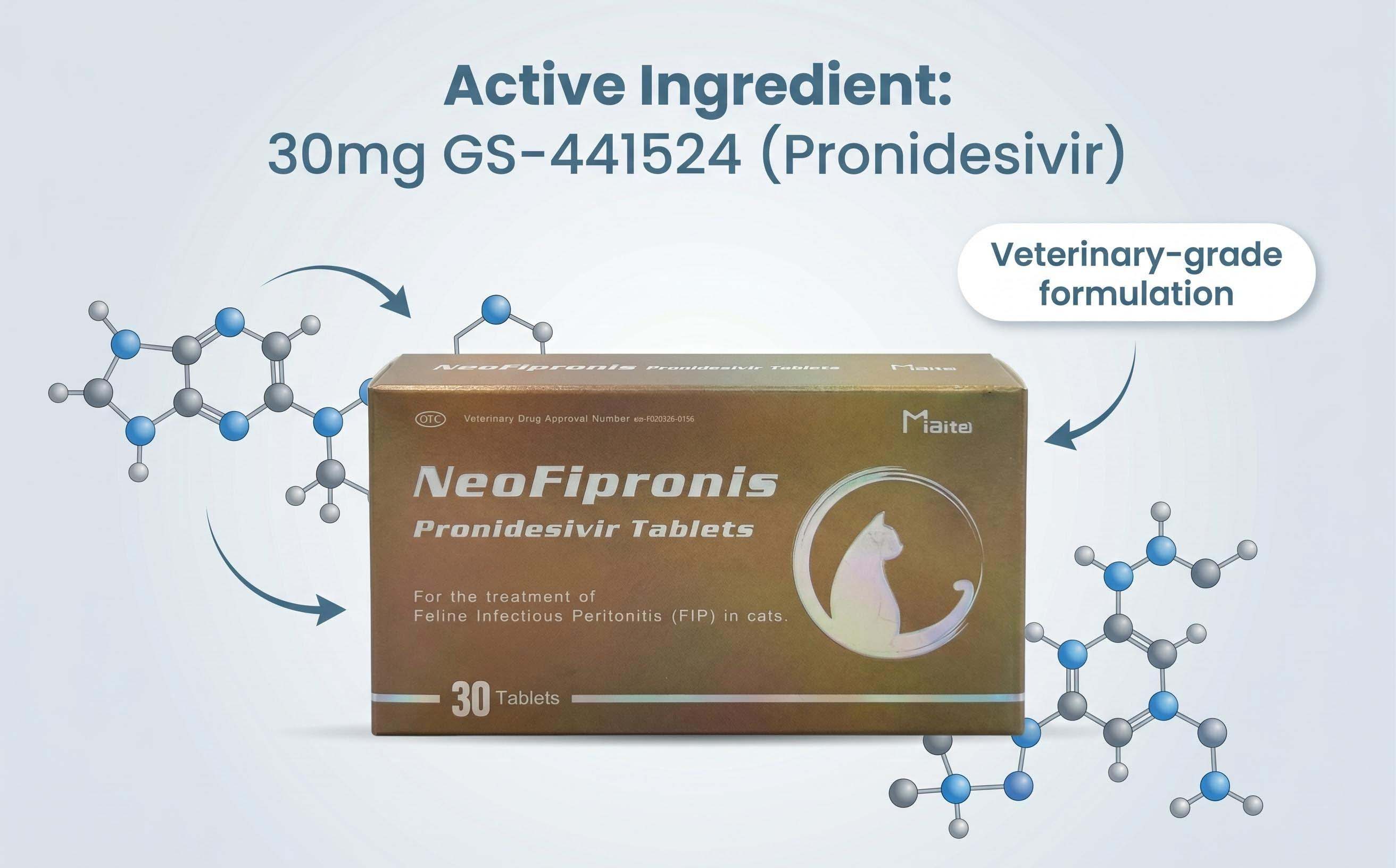
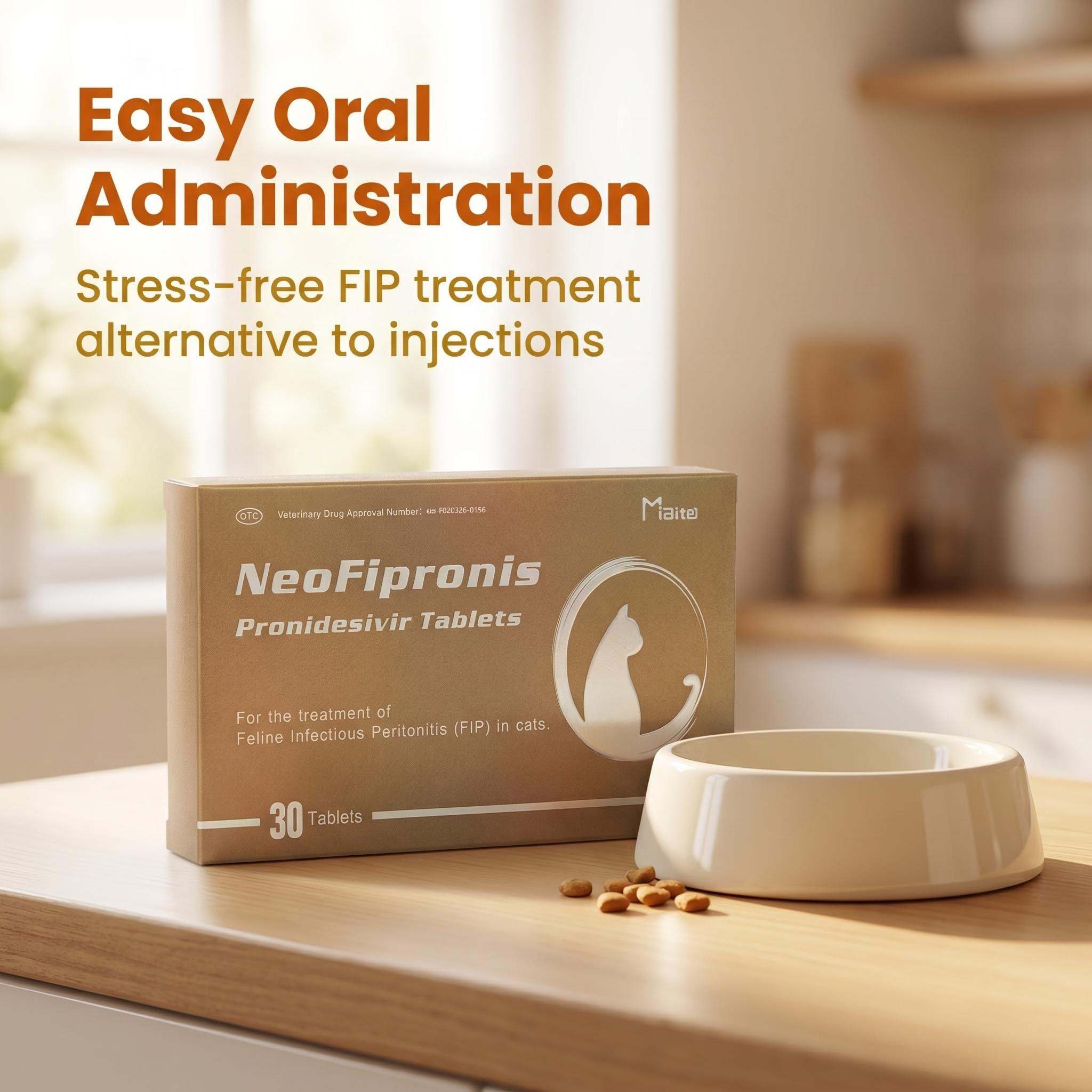
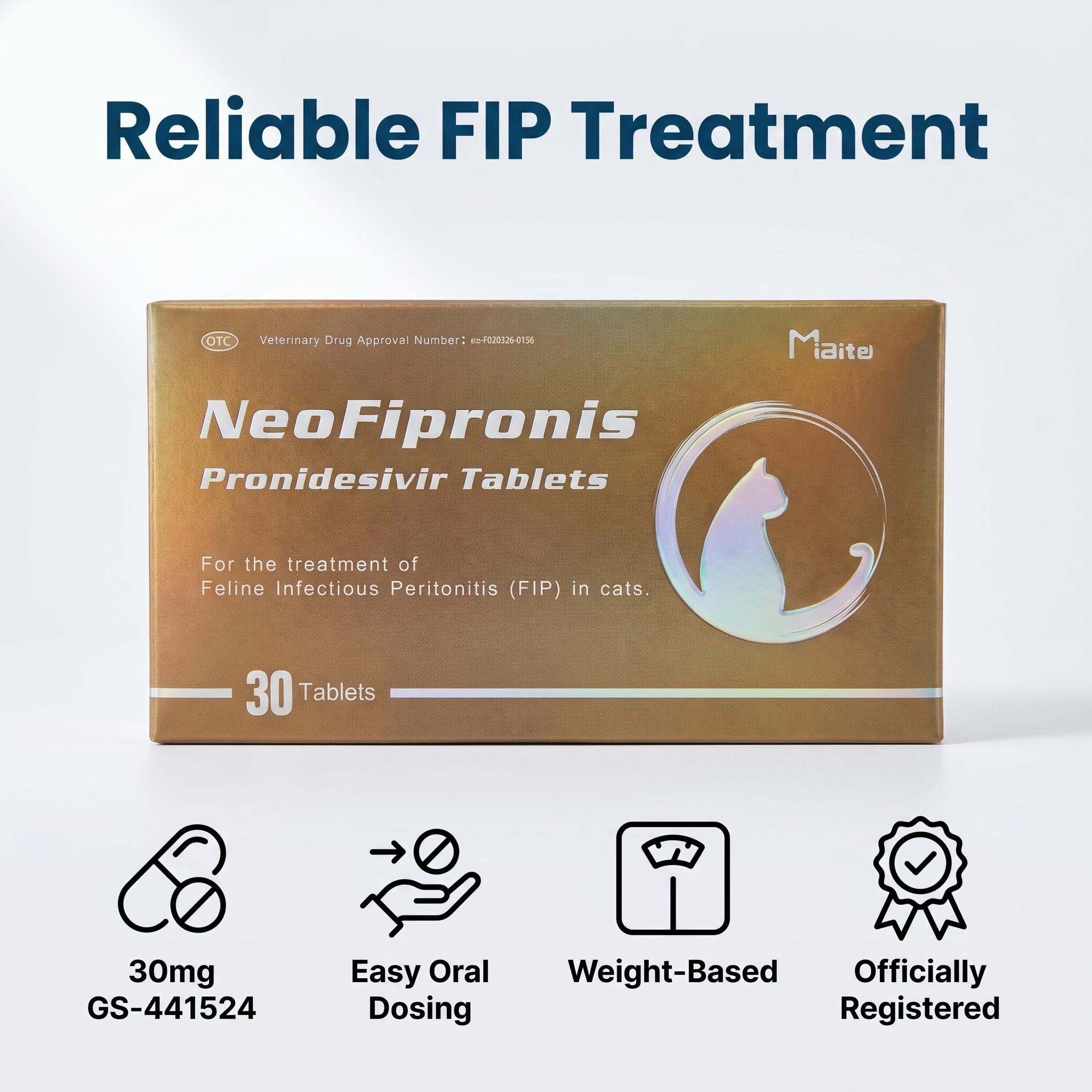
NeoFipronis, containing the active ingredient GS-441524, represents a groundbreaking advancement in the treatment of Feline Infectious Peritonitis (FIP), a fatal viral disease in cats caused by the mutated feline coronavirus (FCoV). This antiviral medication has garnered global recognition as the first officially approved oral therapy specifically designed to combat FIP, with rigorous regulatory approval by the Lao Ministry of Agriculture and Forestry (MAF) in March 2026.
Viral Targeting and Inhibition
GS-441524 is a nucleoside analog, structurally similar to adenosine, which interferes with the viral replication process. Once administered, GS-441524 is absorbed rapidly and distributes widely throughout the feline body, including tissues affected by FIP such as the abdominal cavity, thoracic cavity, lymph nodes, eyes, and nervous system. Its mechanism hinges on mimicking natural nucleotides, thereby disrupting the synthesis of viral RNA—a process essential for the replication and proliferation of the feline coronavirus.
Conversion to Active Metabolite
After entering feline cells, GS-441524 undergoes intracellular phosphorylation by host cell kinases, converting into its active triphosphate form. This active metabolite competes with natural adenosine triphosphate (ATP) and gets incorporated into the viral RNA chain during replication. The incorporation causes premature termination of RNA synthesis, effectively halting viral replication. This mode of action not only reduces viral load but also limits the spread of the virus within the host.
Selective Antiviral Activity
The selective targeting of viral RNA-dependent RNA polymerase (RdRp) by GS-441524 minimizes interference with host cell functions, ensuring high safety and tolerability. This specificity arises because the structure of feline coronavirus RdRp differs sufficiently from host polymerases, allowing GS-441524 to selectively inhibit viral replication while sparing normal cellular processes.
Efficacy against FIP Symptoms
By reducing viral replication, NeoFipronis effectively alleviates clinical symptoms associated with FIP, including loss of appetite, lethargy, fever, accumulation of abdominal or chest fluids, lymphadenopathy, granulomatous inflammation, neurological deficits, and uveitis. Its rapid absorption and potent antiviral action lead to swift symptom improvement and increased survival rates in affected cats.
Administration and Usage
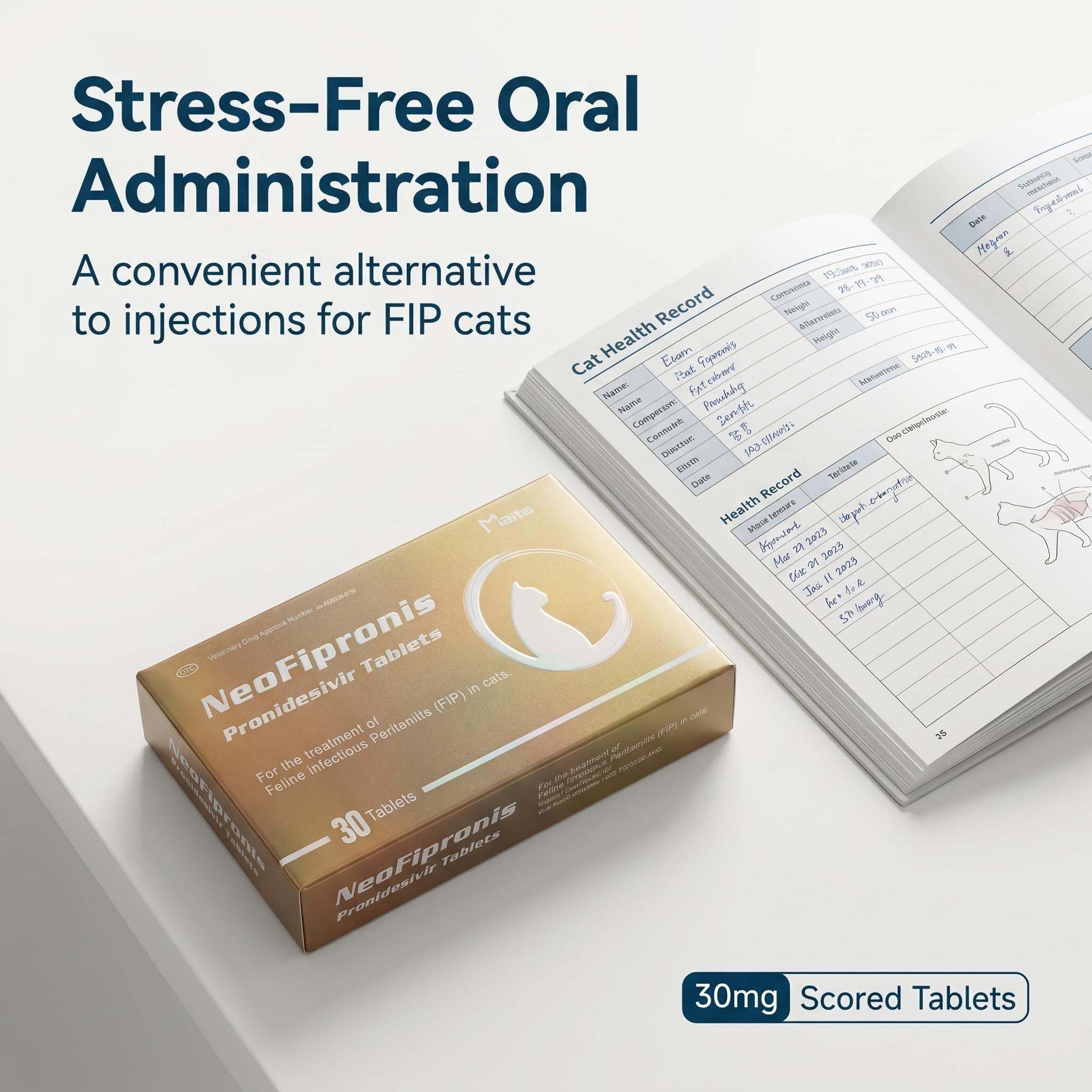
NeoFipronis is administered orally, with dosage tailored to the cat's weight—15 mg per kilogram (half a tablet). For neurological or ocular forms of FIP, veterinarians may adjust the dosage to 30 mg/kg based on clinical judgment. It is recommended to administer the medication once daily, preferably on an empty stomach—either one hour before or two hours after feeding. Continuous treatment for at least 12 weeks is essential for optimal results, with strict adherence to dosing schedules to prevent resistance or relapse.
Safety and Precautions
Despite being a non-prescription medication, NeoFipronis should ideally be used under veterinary supervision. Regular monitoring of the cat's appetite, temperature, behavior, and blood parameters (liver and kidney functions) is crucial during treatment. Common side effects are minimal, and the medication is well tolerated, with a favorable safety profile. However, it is strictly for feline use and should not be administered to humans.
Regulatory and Market Status
NeoFipronis (Pronidesivir) is the world’s first officially registered oral treatment for FIP, with a dedicated official drug registration number from Lao authorities. Its availability through authorized channels ensures product quality and safety. Pet owners are advised to purchase exclusively from NeoFipronis’s official website or authorized veterinary sources.
Conclusion
The mechanism of action of NeoFipronis (GS-441524) emphasizes targeted viral RNA inhibition through intracellular phosphorylation and replication termination. Its efficacy, safety, and ease of oral administration make it a cornerstone in FIP management, transforming a once fatal disease into a manageable condition for cats worldwide.