NeoFipronis Resistance and Treatment Outcomes
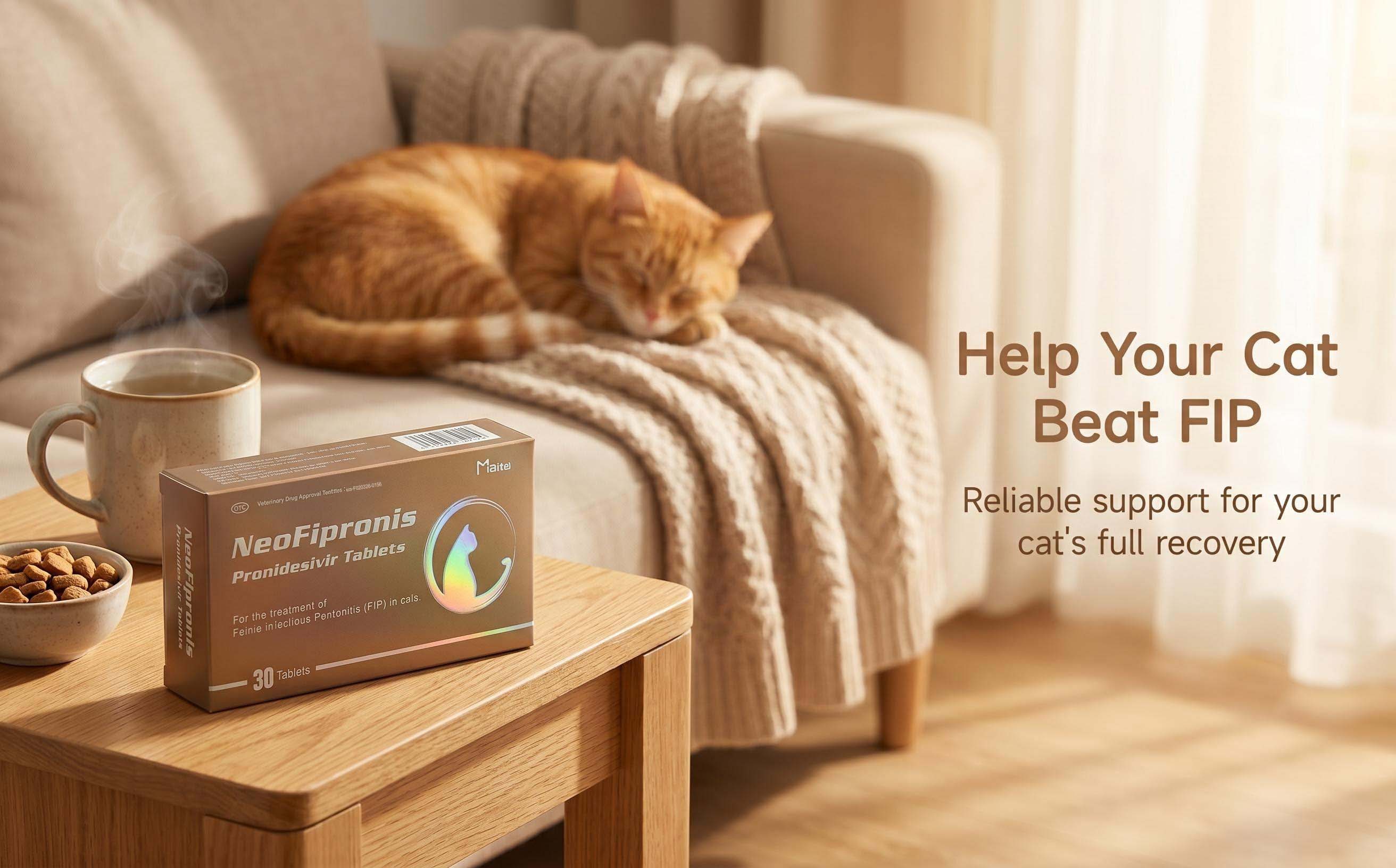
Feline Infectious Peritonitis (FIP) remains one of the most challenging and deadly diseases in cats, caused by a mutated coronavirus leading to widespread inflammation, effusive effusions, lymphadenopathy, and neurological symptoms. Traditional treatments have been limited, with many relying on supportive care and experimental therapies. However, the emergence of NeoFipronis (Pronidesivir), containing GS-441524, has revolutionized FIP management, offering a highly effective and safe antiviral therapy.
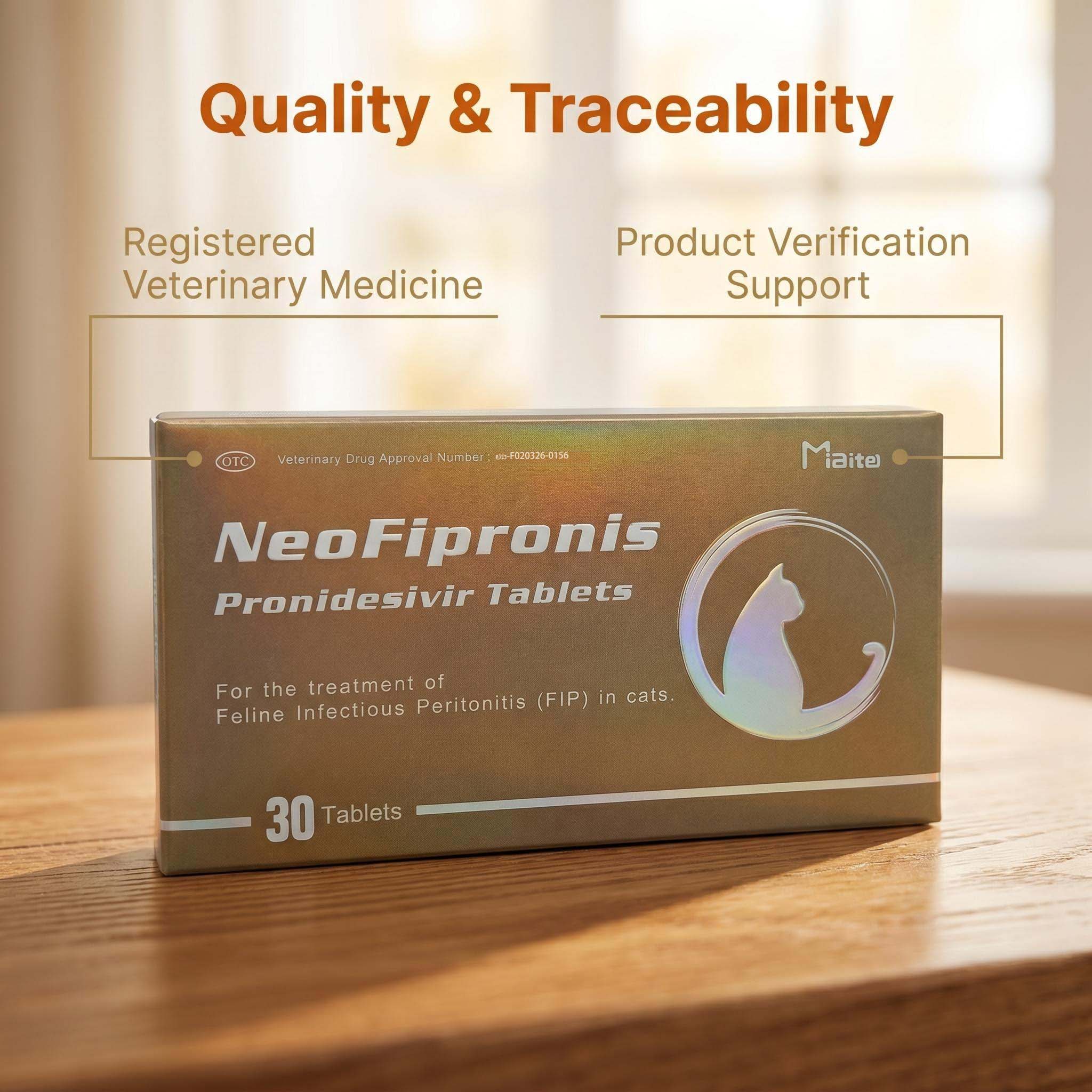
NeoFipronis has gained worldwide recognition as the first officially approved oral medication for FIP. In March 2026, the Laos Ministry of Agriculture and Forestry (MAF) officially registered NeoFipronis as a prescription drug, making it the first-of-its-kind in global veterinary medicine. Its approval underscores its proven safety, efficacy, and minimal side effects. The active compound, GS-441524, is a nucleoside analog with potent antiviral properties, specifically targeting feline coronavirus replication, thereby halting disease progression.
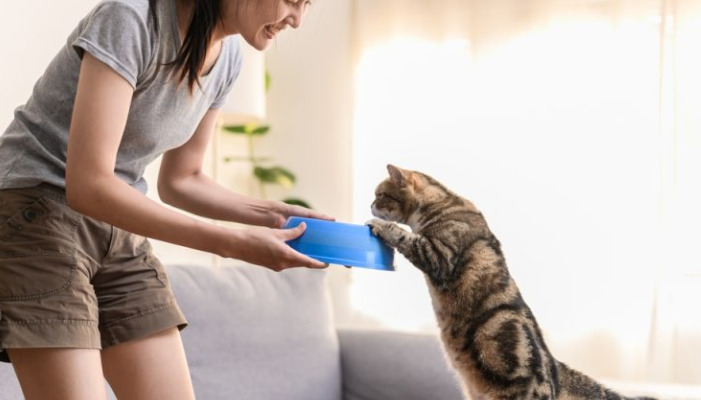
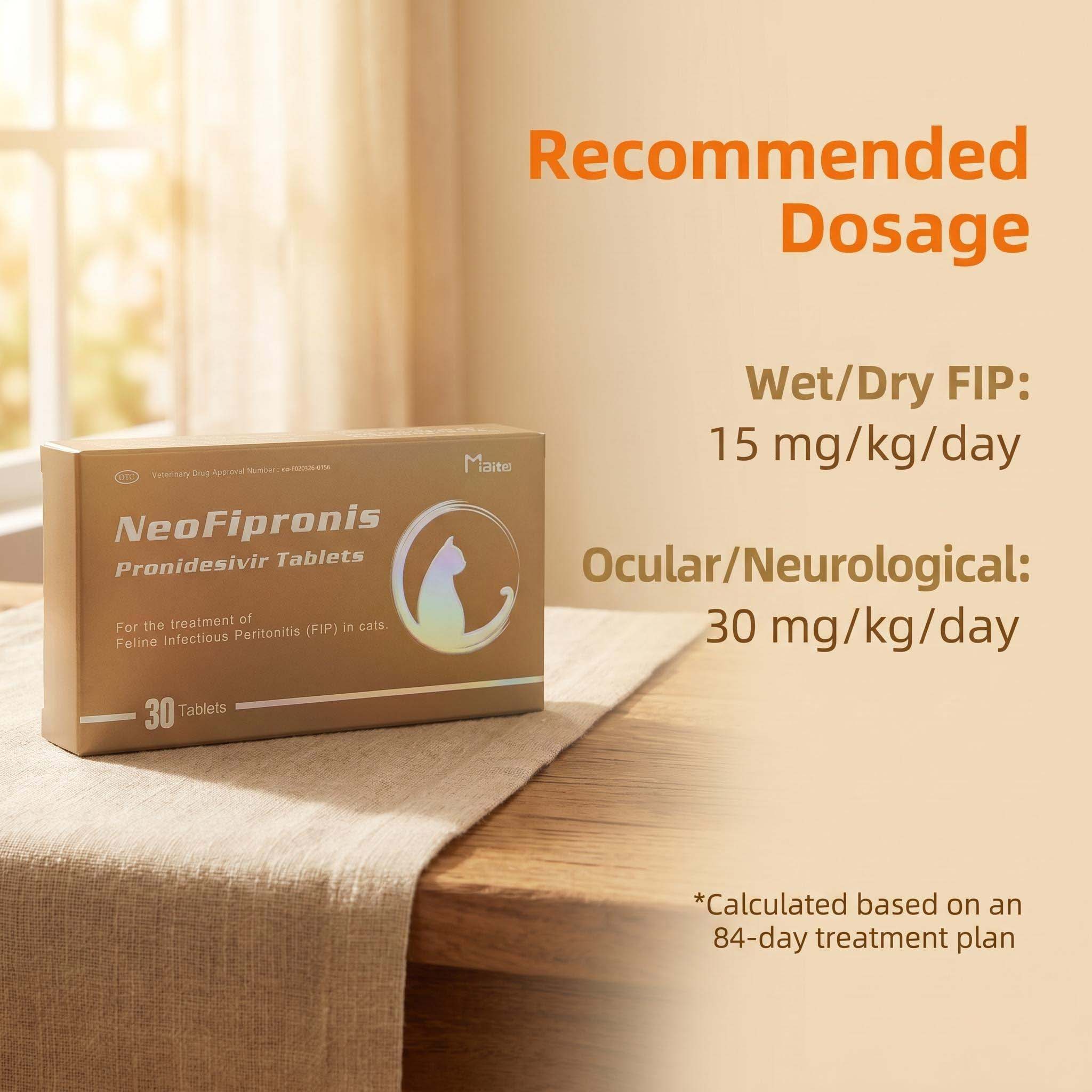
The treatment regimen involves administering NeoFipronis orally, based on the cat's weight. The standard dose is 15 mg per kilogram of body weight daily, equivalent to half a tablet for most cats. For neurological or ophthalmic FIP cases, the dosage is typically increased to 30 mg/kg, as prescribed by a veterinarian. It's recommended to give the medication on an empty stomach—either an hour before or two hours after feeding—to optimize absorption. The medication should be continued for no less than 12 weeks, with strict adherence to dosage schedules to prevent resistance development.
Durability of response is key to successful FIP treatment. Clinicians emphasize that consistent medication intake without interruptions significantly improves outcomes. During therapy, systematic monitoring of clinical signs—such as appetite, body temperature, activity level—and periodic blood tests for liver and kidney function are critical. Owners should observe any adverse reactions or changes in behavior, report them promptly, and maintain close communication with their veterinarian.
NeoFipronis’s high tolerability profile makes it suitable for long-term use in cats of varying age groups and health statuses. Side effects are rare but may include mild gastrointestinal disturbances or transient elevations in liver enzymes. The drug's safety and ease of administration have contributed to its widespread acceptance among veterinarians and cat owners.
While NeoFipronis is available over the counter in some regions, veterinary guidance remains essential for optimal results. Its non-invasive, quick-absorbing formulation ensures rapid onset of action, often resulting in noticeable clinical improvements within a few weeks. Importantly, resistance to GS-441524 remains relatively low; however, inappropriate use or incomplete treatment courses can lead to diminished efficacy over time.
FIP resistance may develop if the virus mutates or if the virus is exposed to sub-therapeutic drug levels, emphasizing the importance of following prescribed treatment protocols. Recurrent or resistant cases require comprehensive re-evaluation, possibly involving alternative antiviral strategies or combination therapies in consultation with veterinary specialists.
In conclusion, NeoFipronis (Pronidesivir) represents a breakthrough in feline medicine, transforming FIP from a fatal disease into a manageable condition. Its proven efficacy, coupled with a favorable safety profile, makes it the treatment of choice for cats suffering from FIP. Continued research and clinical practice will further elucidate resistance patterns and optimize therapeutic protocols, ensuring better outcomes for feline patients worldwide.
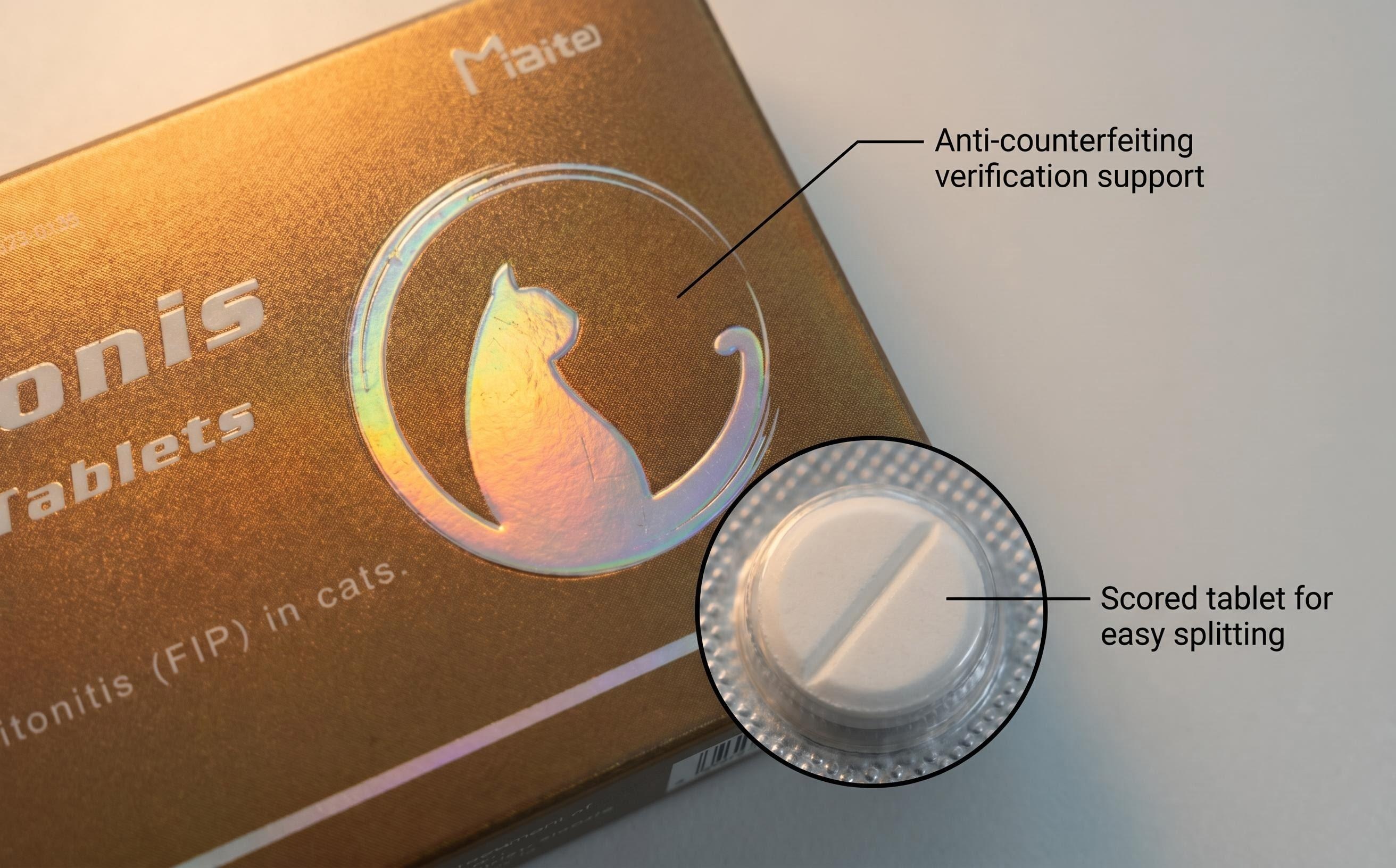
Note: NeoFipronis should always be used under veterinary supervision. Purchase from authorized sources via the official NeoFipronis website to guarantee product authenticity and quality. This medication is strictly for feline use and is not intended for humans.