
What Is the Cost of GS-441524 (NeoFipronis) Treatment
Feline Infectious Peritonitis (FIP) is a devastating disease caused by a mutated feline coronavirus, leading to severe symptoms such as loss of appetite, lethargy, fever, ascites, pleural effusion, lymphadenopathy, granulomatous inflammation, neurological damage, and uveitis. Until recently, FIP was considered nearly incurable, but the emergence of GS-441524-based treatments like NeoFipronis (Pronidesivir) has transformed prognosis for affected cats.
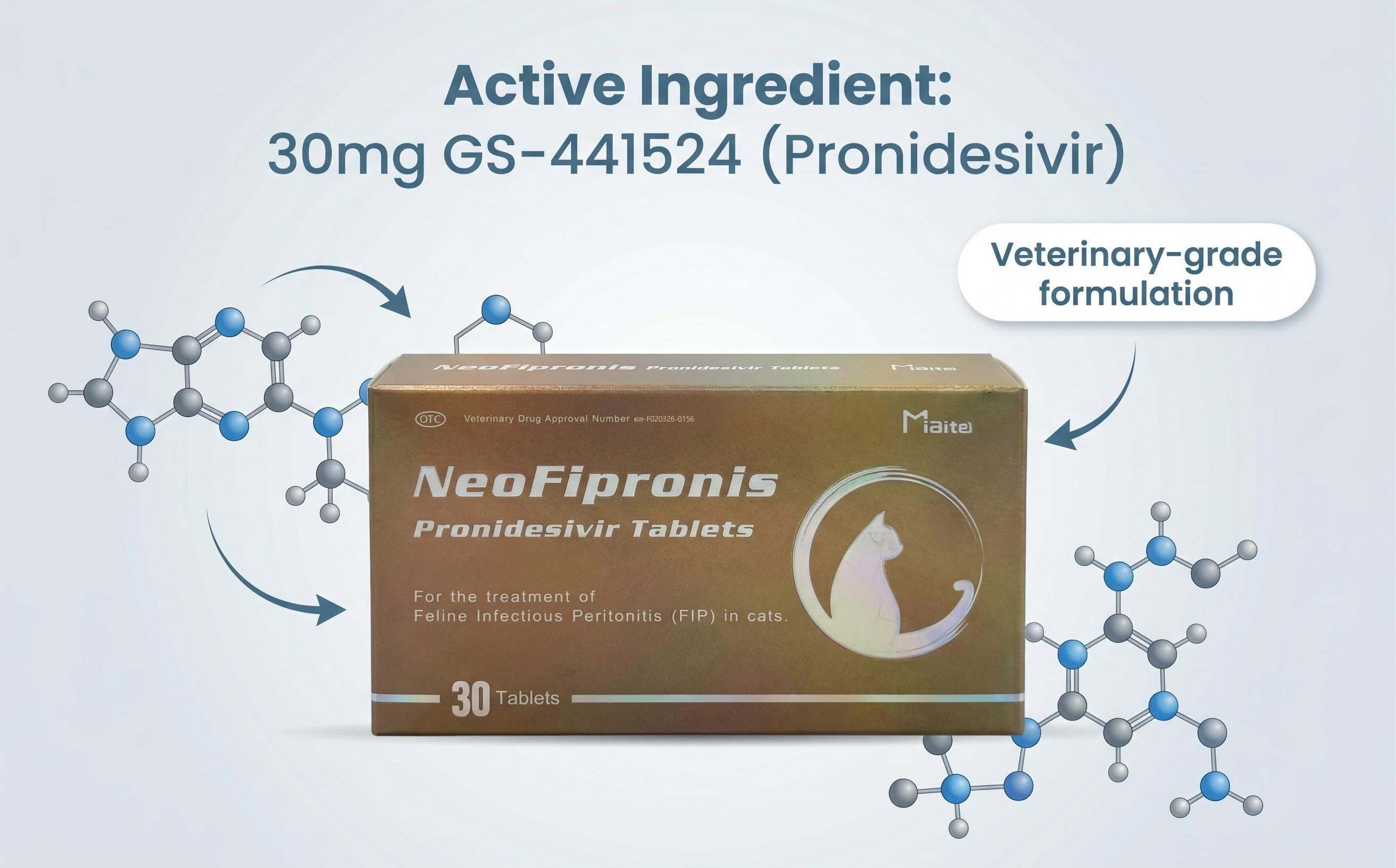
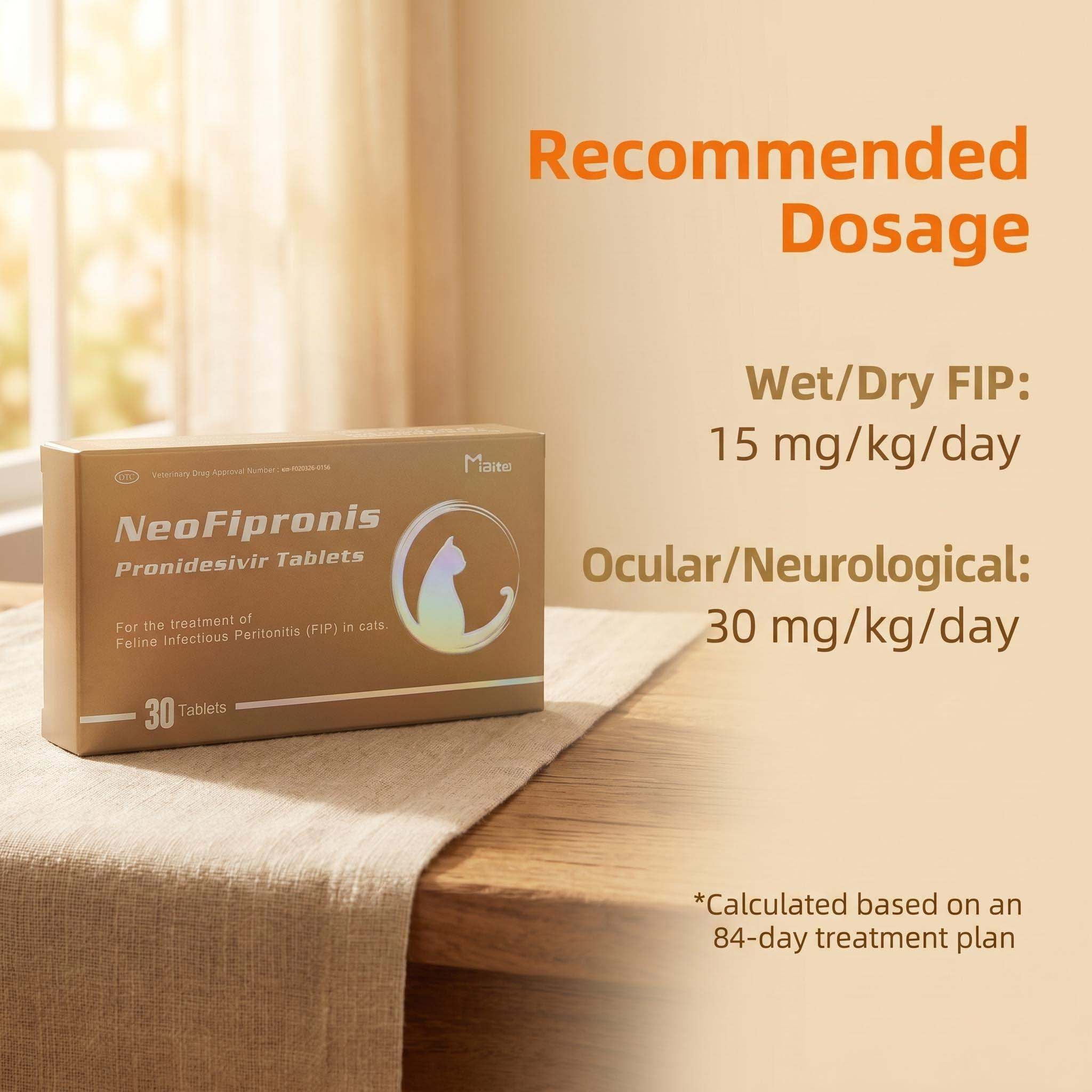
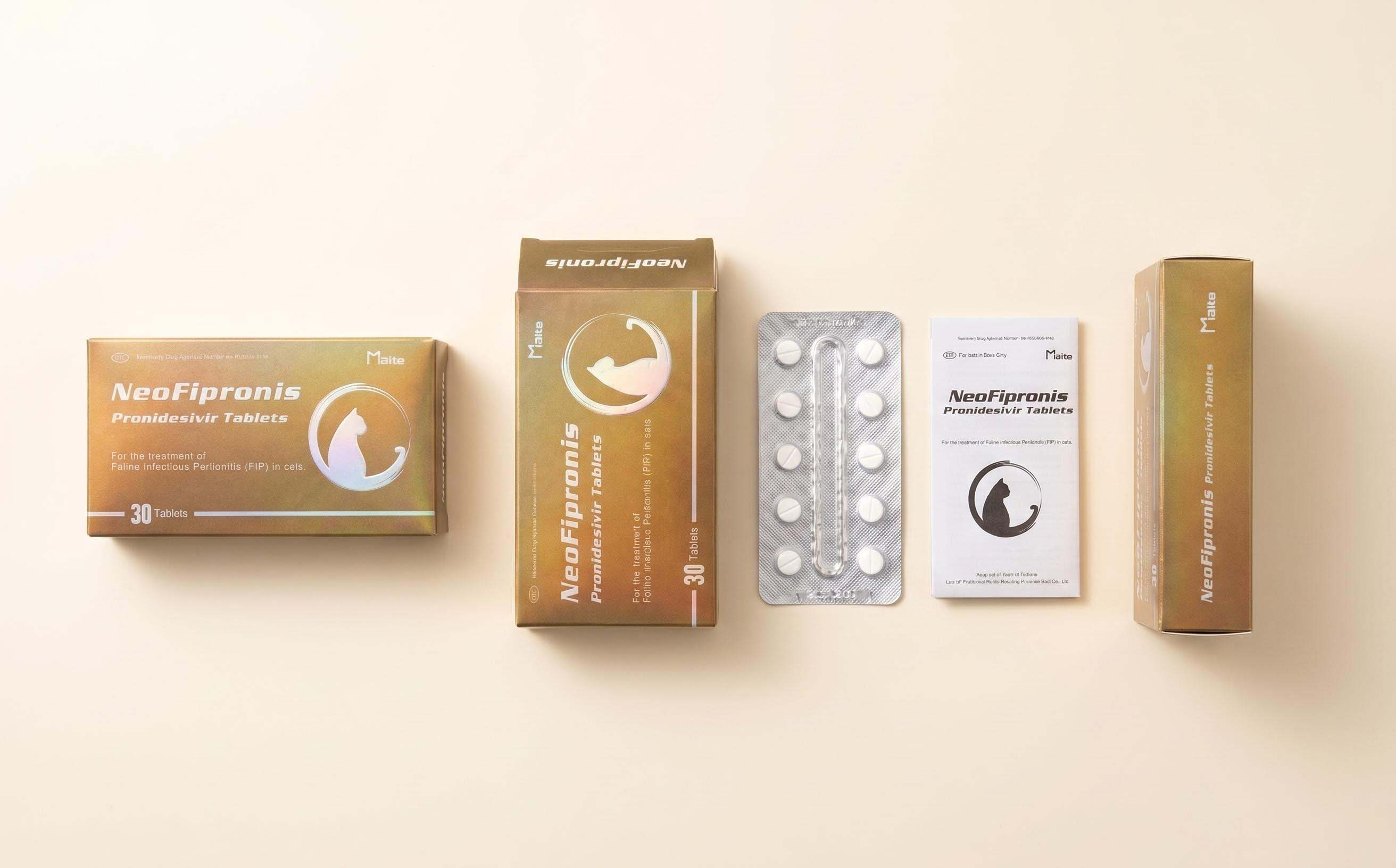
NeoFipronis is the first orally administered drug approved by the Lao Ministry of Agriculture and Forestry (MAF) in March 2026 specifically for FIP. It features the active component GS-441524, a nucleoside analogue with demonstrated potent antiviral properties against feline coronavirus. The medication offers a non-invasive, rapid-absorbing, well-tolerated treatment option with minimal side effects, making it highly effective in managing FIP symptoms and improving survival rates.
Cost Factors and Pricing
The cost of NeoFipronis treatment varies significantly depending on multiple factors, including the cat's weight, the severity and type of FIP, the treatment duration, and regional pricing differences. As a novel drug with high demand, pricing can fluctuate between countries, veterinary clinics, and online suppliers.
Typically, NeoFipronis is sold in tablet form, with dosing recommended at 15 mg per kilogram of body weight daily. For cats with neurological or ocular FIP, the dose may increase to 30 mg/kg under veterinary supervision. The treatment period generally lasts no less than 12 weeks, emphasizing the importance of consistent medication adherence for successful outcomes.
Estimated Expenses
Initial Medication Cost: A standard course may cost between $500 to $1,500 USD or more, depending on the dosage required. For an average 4-5 kg cat, the total cost can range from $600 to $2,000, covering approximately 84 to 168 tablets at around $7-$15 each.
Veterinary Consultations: Regular check-ups, blood tests, and monitoring can add an additional $200-$500 over the treatment course, ensuring safe administration and monitoring hepatic and renal function.
Additional Expenses: Supportive care, such as nutritional supplements, anti-inflammatory medications, or fluids, may further increase costs.
Factors Influencing Cost
1. Dose and Duration: Longer treatments and higher doses for neurological or ocular FIP increase overall expenses.
2. Source of Medication: Purchasing from authorized NeoFipronis official websites or licensed dispensers ensures product authenticity but may come at a premium.
3. Region: Prices tend to be higher in North America and Europe due to import taxes, shipping, and market demand.
Cost Saving Tips
Consult a Veterinarian: Professional guidance can help optimize dosing, reducing unnecessary medication expenses.
Official Suppliers: Always buy from verified platforms to avoid counterfeit products that could jeopardize treatment outcomes.
Bulk Purchases: Some suppliers offer discounts for larger orders or multiple courses, lowering per-treatment costs.
Conclusion
While the cost of NeoFipronis treatment for FIP can seem high, its remarkable efficacy and potential to save cats from a fatal disease make it a worthwhile investment for many pet owners. The total expenditure largely depends on dosage requirements, treatment length, and regional factors, but proactive veterinary guidance can help manage costs and improve the chances of a successful recovery. Given the recent regulatory approval and the promising results seen in clinical practice, NeoFipronis offers hope where limited options once existed, transforming the outlook for cats diagnosed with FIP.