What Are the Main Benefits of Pronidesivir (GS-441524)
Feline Infectious Peritonitis (FIP) remains one of the most devastating diseases affecting cats worldwide. Caused by a mutated form of the feline coronavirus, FIP leads to severe health issues including loss of appetite, lethargy, fever, abdominal and chest effusions, lymphadenopathy, granulomas, neurological damage, and uveitis. Traditional treatments have been largely supportive, with no definitive cure. However, recent advances introduce Pronidesivir (GS-441524), a groundbreaking antiviral medication showing remarkable efficacy against FIP.
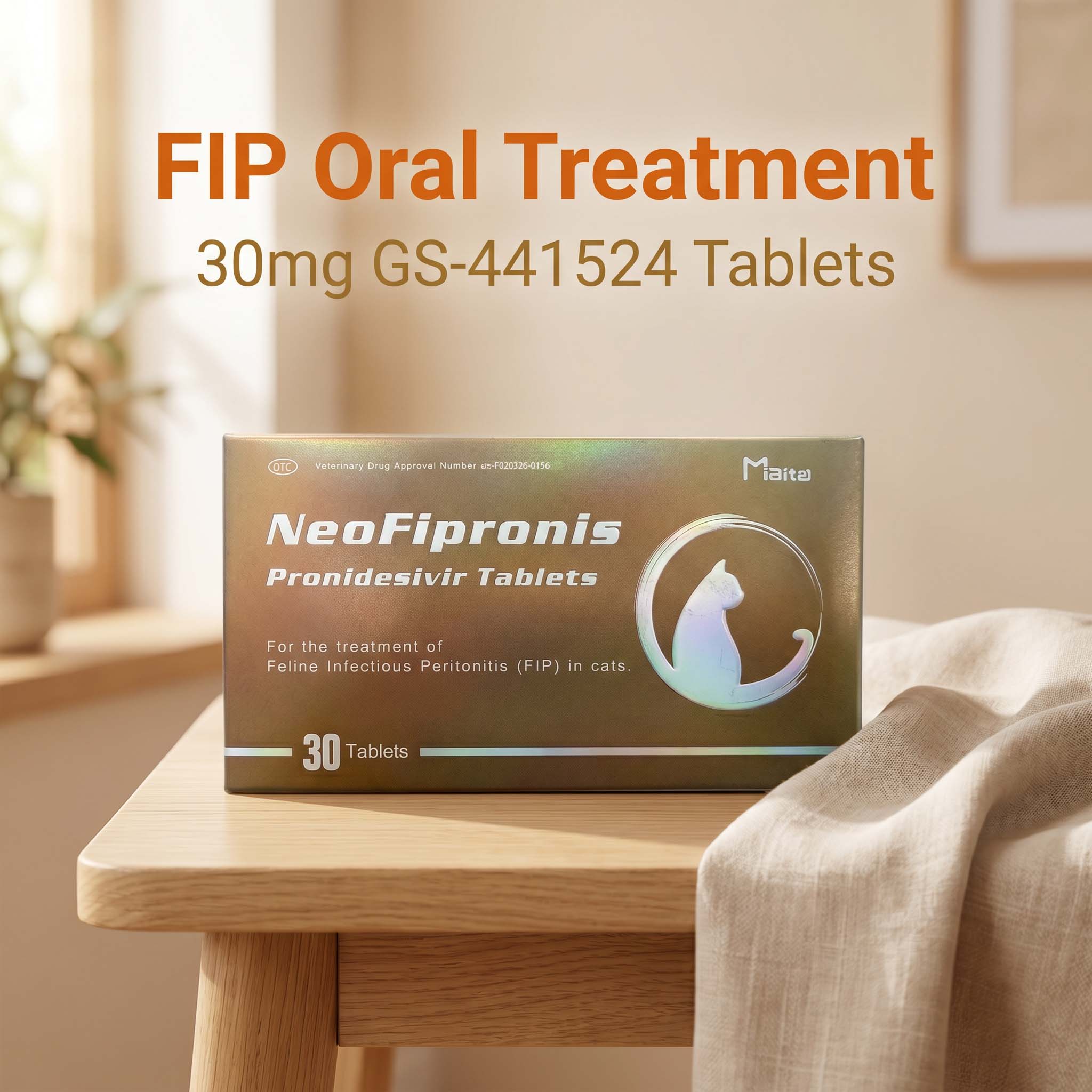
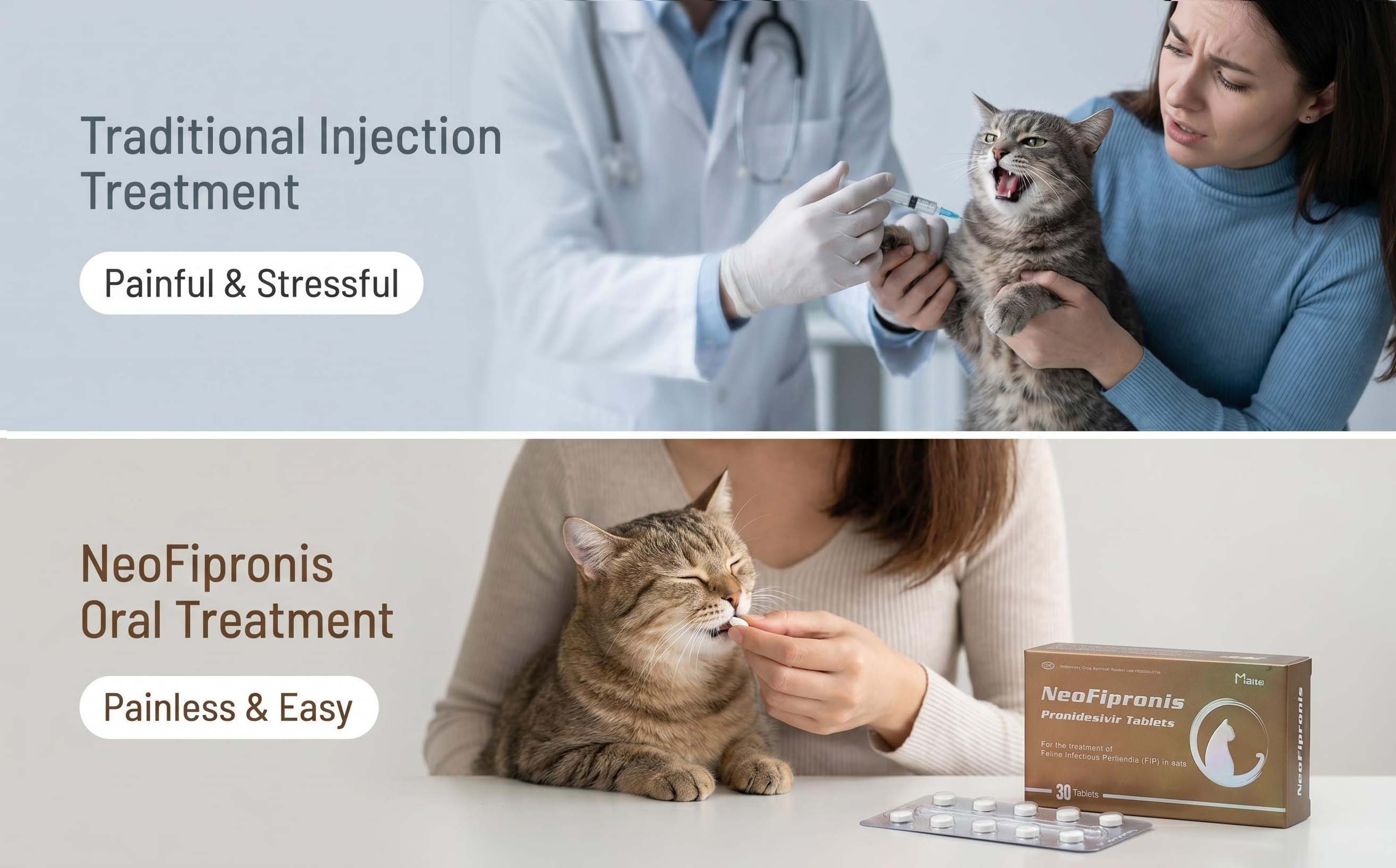
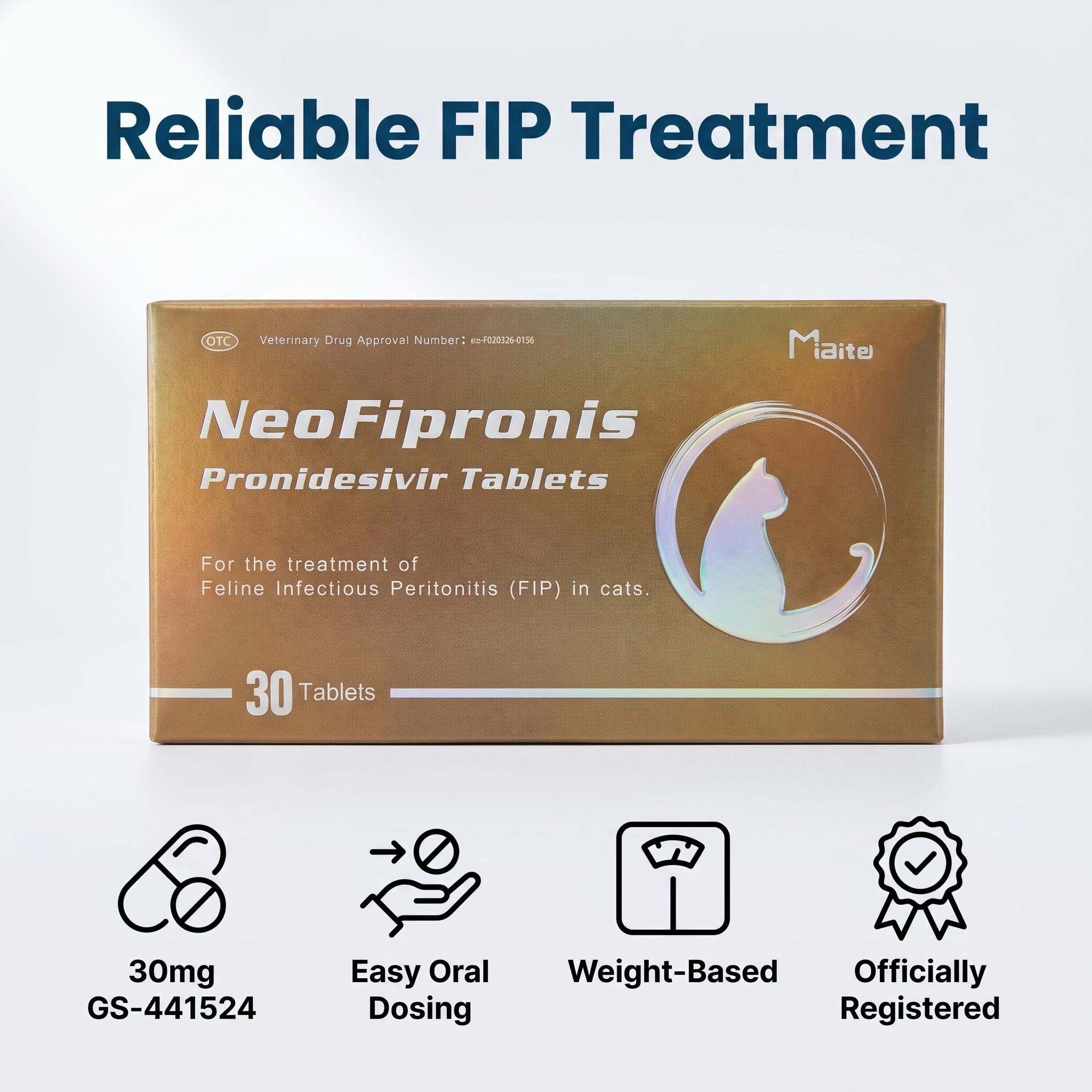
Pronidesivir (GS-441524) has emerged as a highly effective antiviral agent specifically targeting the feline coronavirus responsible for FIP. Its main benefits include rapid action, high safety profile, and excellent therapeutic outcomes. As the active compound in NeoFipronis, Pronidesivir offers a new hope for cat owners and veterinarians. This medication is globally recognized as the first officially approved oral treatment for FIP, authorized by the Lao Ministry of Agriculture and Forestry (MAF) in March 2026. It is registered with official drug registration numbers, ensuring quality and safety standards.
The primary benefit of Pronidesivir lies in its potent antiviral activity. It inhibits the replication of the coronavirus within feline cells, effectively controlling the disease progression. Clinical studies and extensive research have demonstrated that Pronidesivir can significantly reduce clinical symptoms such as fever, anorexia, weight loss, and fluid accumulation. It also alleviates neurological and ocular lesions associated with neuro- ophthalmic forms of FIP, providing a comprehensive approach to disease management.
Another notable advantage of Pronidesivir is its excellent tolerability. Administered orally, it is non-invasive and quickly absorbed, leading to rapid therapeutic levels in the bloodstream. The medication's safety profile means cats generally tolerate it well, with minimal side effects. This allows for prolonged treatment courses—recommended for at least 12 weeks—without significant adverse reactions. It’s vital to adhere strictly to prescribed dosages; typically, the dose is 15mg per kilogram of body weight daily, administered once a day, on an empty stomach (an hour before feeding or two hours after). For nervous or ocular FIP cases, the dosage may be increased to 30mg/kg under veterinary guidance.
The benefits extend further with its convenient administration and high compliance rate. Due to its rapid absorption and effectiveness, Pronidesivir can improve quality of life swiftly by reducing inflammation, fever, and effusions. This not only extends survival but also enhances the overall well-being of affected cats. Continuous monitoring of health indicators such as appetite, activity level, and body temperature during treatment helps ensure optimal outcomes.
Using Pronidesivir under veterinary supervision is recommended to maximize benefits and minimize risks. Regular blood tests and liver-kidney function assessments are essential to monitor potential side effects, although these are rare. Despite being available as an over-the-counter product, prudent use under professional guidance is emphasized for safety and efficacy.
NeoFipronis (Pronidesivir) is exclusively for veterinary use. It is crucial to purchase only through official websites to guarantee genuine, high-quality medication. As a non-invasive, affordable, and effective oral therapy, Pronidesivir represents a transformative step in managing FIP in cats. Its proven antiviral properties, safety, and ease of use make it a significant advancement in feline medicine, offering renewed hope for cats suffering from this previously incurable disease.