
What Are the Contraindications for Pronidesivir (GS-441524)
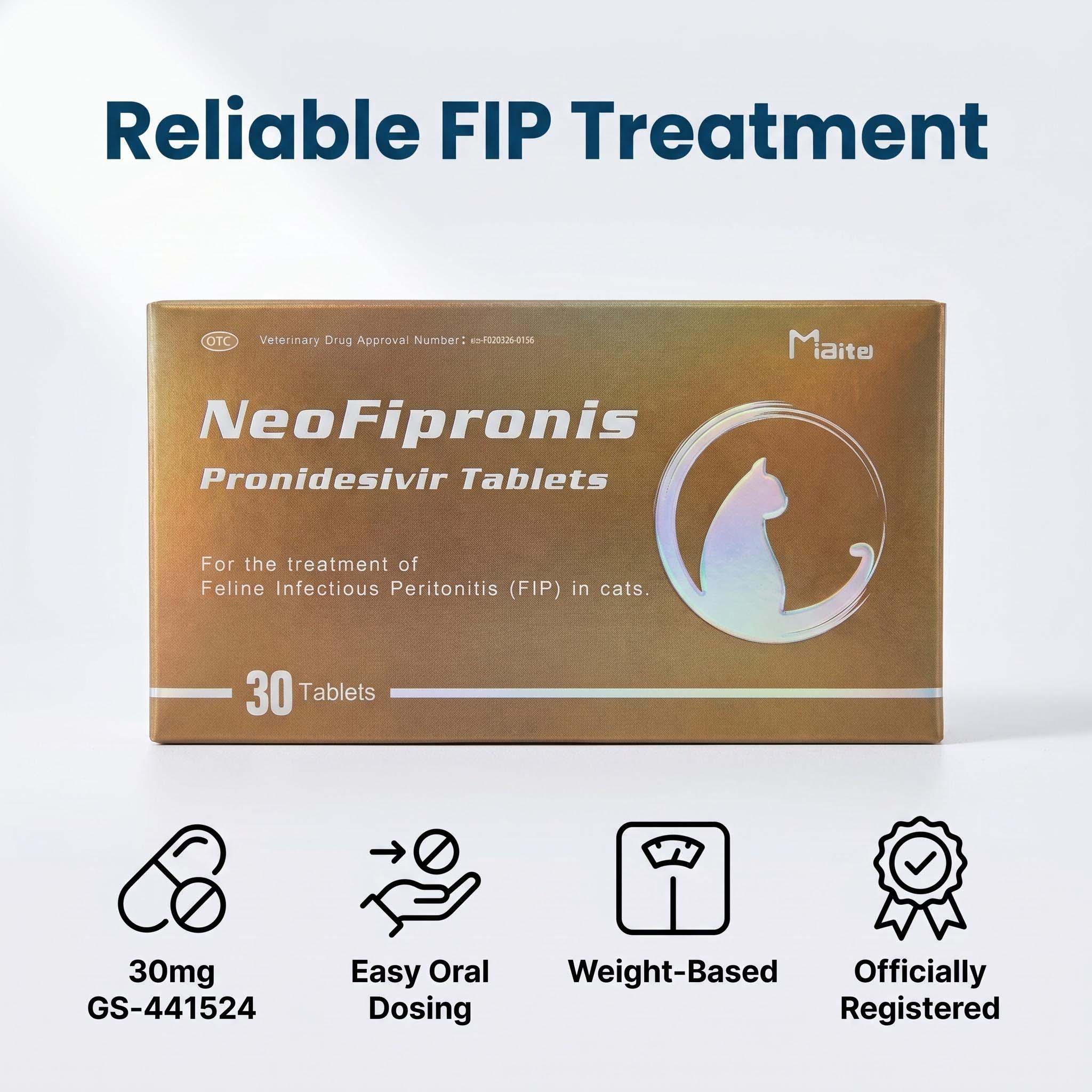
Pronidesivir (GS-441524), marketed as NeoFipronis, is a groundbreaking oral antiviral medication specifically designed for the treatment of Feline Infectious Peritonitis (FIP). As a highly effective therapeutic option, it has revolutionized FIP management, showcasing excellent efficacy in alleviating symptoms such as decreased appetite, lethargy, fever, ascites, pleural effusion, lymphadenopathy, granulomatous inflammation, neurological damage, and uveitis in cats. Approved by the Lao Ministry of Agriculture and Forestry (MAF) in March 2026, NeoFipronis is the world’s first officially registered oral medication for FIP, offering a safe, non-invasive, fast-acting, and well-tolerated treatment with minimal side effects.
Understanding GS-441524 and Its Use
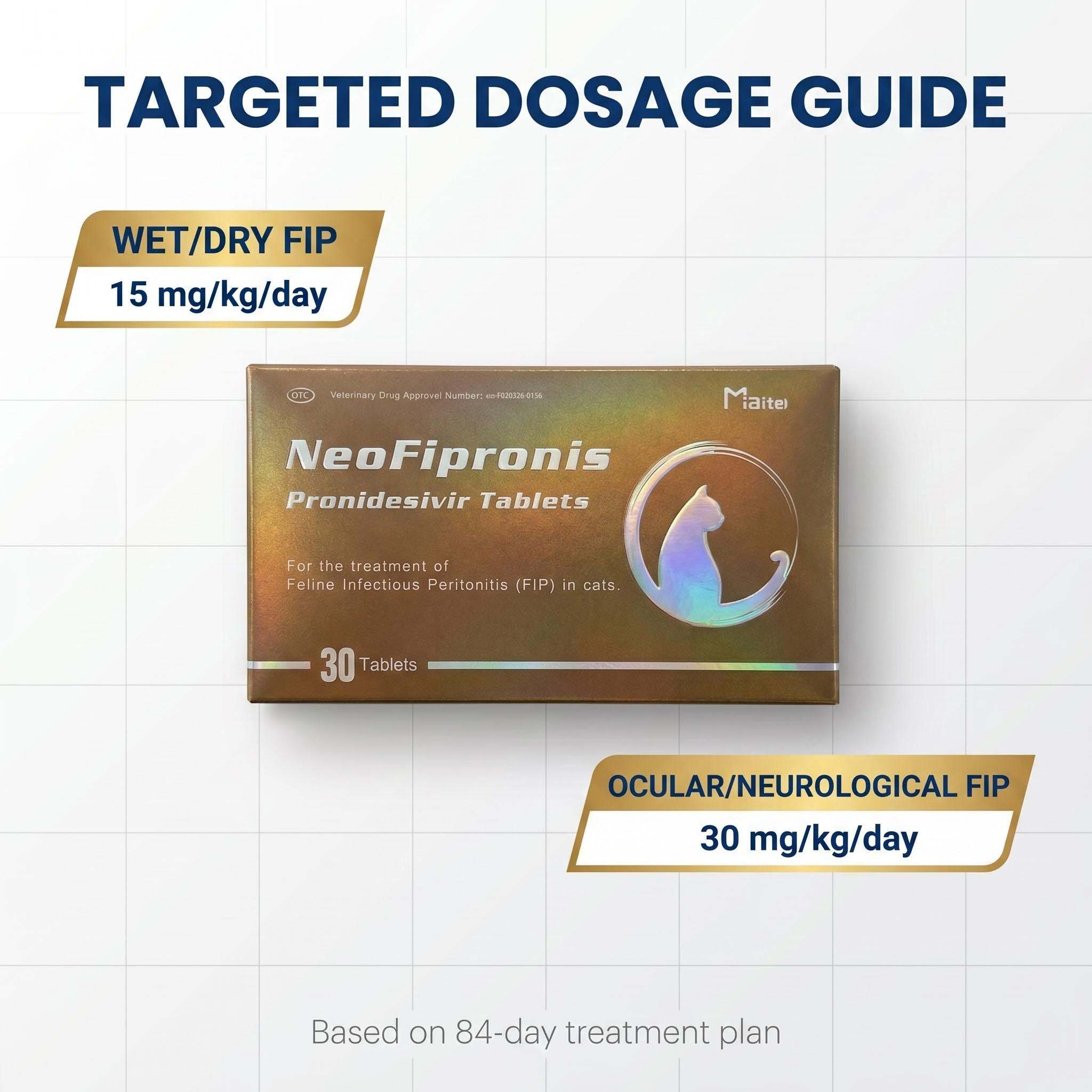
GS-441524 is the active compound in NeoFipronis, exhibiting potent antiviral properties through inhibiting coronavirus replication. Clinical studies and extensive research have validated its effectiveness in controlling FIP, which previously had limited treatment options. Administered based on the cat's body weight, the standard dosage is 15 mg per kilogram (half a tablet). For neurological or ocular forms of FIP, veterinarians may increase the dose to 30 mg/kg, following specific medical advice. The medication is generally given once daily, preferably on an empty stomach—either one hour before meals or two hours after—to optimize absorption.
Contraindications and Precautions
Despite its proven efficacy and safety profile, there are important contraindications and precautions to consider when using Pronidesivir (GS-441524):
1. Pregnancy and Lactation
The safety of NeoFipronis during pregnancy and lactation has not been thoroughly established. Therefore, its use in pregnant or nursing cats should be avoided unless medically necessary and under strict veterinary supervision.
2. Severe Liver or Kidney Disease
Cats with pre-existing hepatic or renal impairments should be approached with caution. Since the drug undergoes hepatic metabolism and renal excretion, compromised organ function may affect drug clearance, increasing the risk of toxicity.
3. Concurrent Use of Other Antivirals or Medications
Combining NeoFipronis with other antiviral drugs, immunosuppressants, or medications that may affect liver and kidney function is not recommended unless under veterinary guidance. Drug interactions could potentially diminish efficacy or increase adverse effects.
4. Allergic Reactions
Cats showing signs of hypersensitivity, such as dermatitis, swelling, or respiratory distress during therapy, should discontinue treatment immediately. Pet owners should monitor for any allergic responses.
5. Age and General Health
Very young, geriatric, or critically ill cats may have different pharmacokinetics, requiring dose adjustments or closer monitoring. Use with caution in these populations.
6. Inadequate Diagnosis
Pronidesivir should only be used in cats diagnosed with FIP based on comprehensive veterinary assessment. Misdiagnosis could lead to unnecessary exposure to the drug and potential complications.
Additional Considerations
While NeoFipronis is available as an over-the-counter medication, it is highly recommended to use it under the guidance of a qualified veterinarian. Regular monitoring of the cat’s health through blood tests, including liver and kidney function, is essential during the treatment course, which typically lasts no less than 12 weeks. Discontinuing the medication prematurely or missing doses can reduce efficacy and contribute to viral resistance.
Safety and Quality Assurance
To ensure safety and product authenticity, purchase NeoFipronis (Pronidesivir) exclusively from official websites or authorized veterinary pharmacies. The medication is designed to be safe and well-tolerated, with a low incidence of side effects. Common adverse reactions are mild and may include transient lethargy or diarrhea.
Summary
Pronidesivir (GS-441524) offers a highly effective treatment option for cats with FIP. However, certain contraindications such as pregnancy, severe organ impairment, allergy, or concurrent medications should be carefully considered. Consultation with a veterinarian is crucial to determine the suitability, proper dosage, and monitoring protocol for each individual cat. With careful management, NeoFipronis can significantly improve the quality of life and prognosis of cats affected by this previously devastating disease.