How to Help a Cat With Neurological FIP Walk Again
Feline Infectious Peritonitis (FIP) is a serious and often fatal disease caused by certain strains of the feline coronavirus. While traditionally considered nearly incurable, recent advances in treatment have opened new possibilities, especially for cats suffering from neurological symptoms such as impaired mobility or paralysis. When a cat with FIP experiences nerve damage that affects its ability to walk, providing targeted care and considering new therapies can make a significant difference in its recovery journey.
Understanding Neurological FIP
FIP manifests in two main forms: effusive (wet) and non-effusive (dry). The neurological form, more often associated with the dry type, occurs when the virus infiltrates the central nervous system (CNS). This infiltration leads to inflammation of the brain and spinal cord, resulting in symptoms like weakness, ataxia (loss of coordination), tremors, seizures, and paralysis. Damage to the nerves can hinder a cat’s ability to walk, affecting its quality of life profoundly.
Recognizing Symptoms and Early Intervention
Early recognition of neurological signs is essential. Symptoms include:
Loss of coordination or balance
Weakness in limbs
Tremors or seizures
Changes in behavior or alertness
Inability to walk or drag hind limbs
If these symptoms arise in a cat with diagnosed or suspected FIP, prompt veterinary consultation is critical. Early intervention can slow disease progression and improve outcomes.
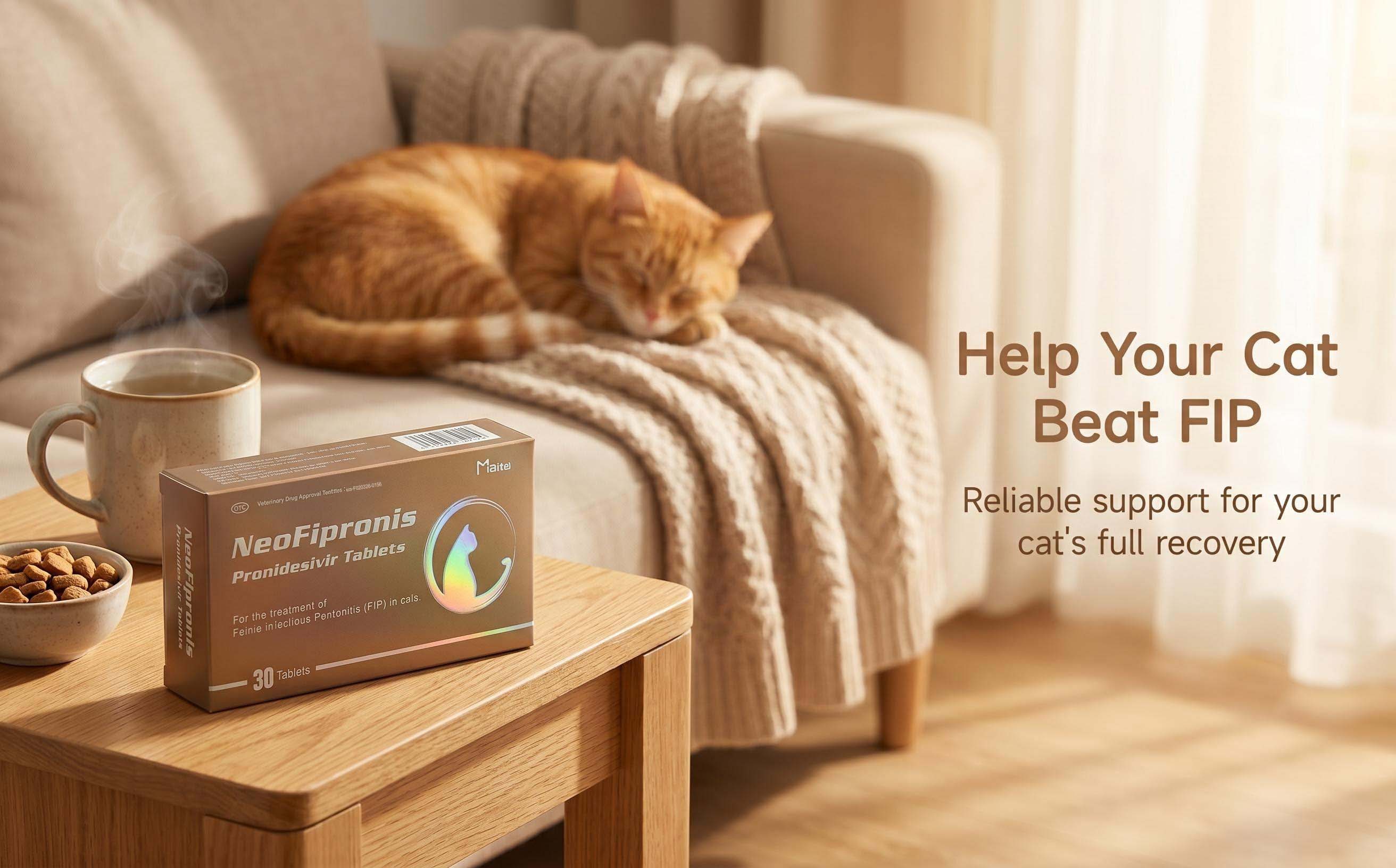
Advances in FIP Treatment: NeoFipronis (Pronidesivir) GS-441524
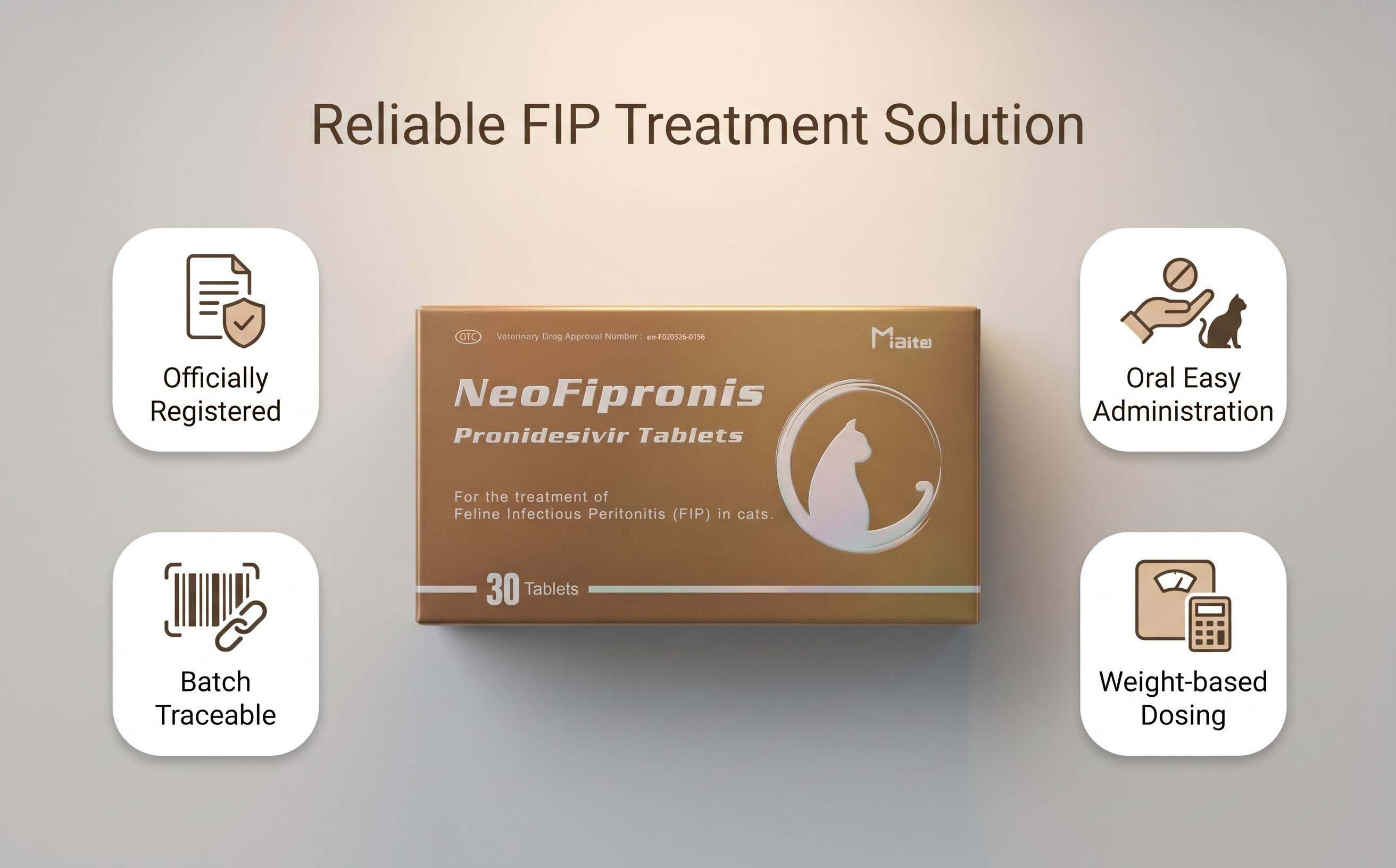
A breakthrough in FIP therapy is the development of NeoFipronis (Pronidesivir) GS-441524. This antiviral drug has demonstrated excellent therapeutic effects on FIP, including the neurological forms, by targeting the replication process of the coronavirus. NeoFipronis is suitable for treating symptoms such as loss of appetite, lethargy, fever, ascites, pleural effusion, lymphadenopathy, inflammatory granulomas, nerve damage, and uveitis. It is the world's first officially approved oral treatment for FIP, registered by the Lao Ministry of Agriculture and Forestry (MAF) in March 2026, with a specific drug registration number.
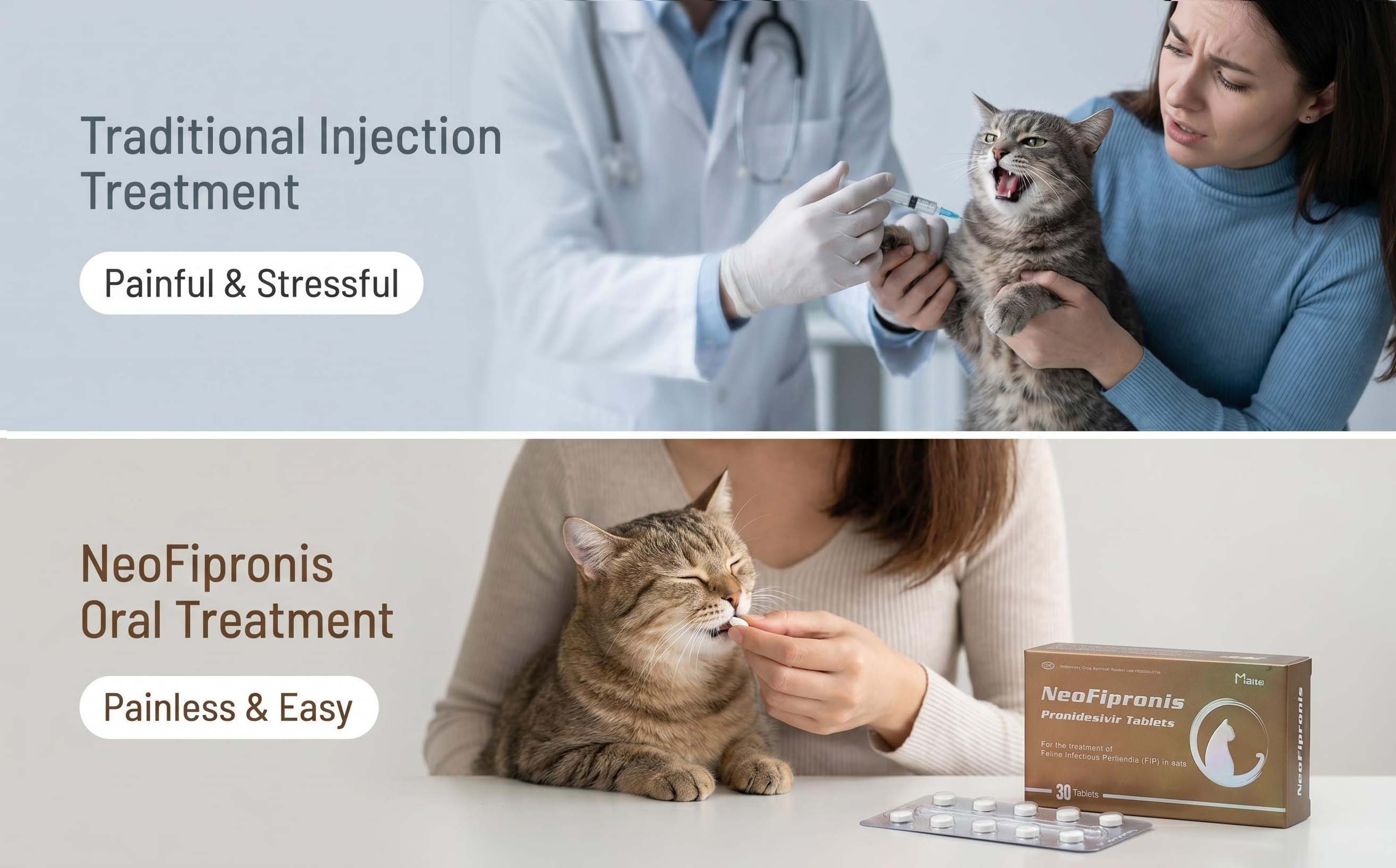
NeoFipronis is characterized by its safety profile—being non-invasive, rapidly absorbed, fast-acting, well-tolerated, and with few side effects. Its oral formulation makes administration easier and less stressful for both cats and owners. This medication has brought hope to many pet owners and veterinarians fighting FIP.
Supporting Your Cat’s Neurological Recovery
While medication like NeoFipronis can significantly improve prognosis, supportive care is equally vital for ensuring a cat with neurological FIP walks again. The following strategies can facilitate recovery:
1. Veterinary Supervision and Medication Regimen
Administer antiviral therapy as prescribed. Consistency is key.
Use additional medications to reduce inflammation, such as corticosteroids, but only under veterinary advice.
Regular check-ups to monitor progress and adjust treatment plans.
2. Physical Rehabilitation
Engage in gentle physical therapy exercises to restore muscle strength and coordination.
Assistive devices like harnesses or wheeled carts can help your cat regain mobility and build confidence.
Hydrotherapy, performed in consultation with a veterinary physiotherapist, may promote nerve healing.
3. Environmental Modifications
Create a safe, accessible environment to prevent falls and injuries.
Provide soft bedding and ramps to ease movement.
Minimize stressful stimuli and loud noises, which can hinder recovery.
4. Nutritional Support
Ensure a balanced diet to support immune function and tissue repair.
Consider appetite stimulants if your cat shows signs of lethargy or refusal to eat.
Maintain adequate hydration, especially if the cat has activity limitations.
5. Psychological Well-being
Maintain gentle interaction and positive reinforcement to reduce anxiety.
Use environmental enrichment to engage your cat mentally and emotionally.
Monitoring and Managing Expectations
Recovery from neurological FIP varies. Some cats show remarkable improvements within weeks of initiating treatment with NeoFipronis, while others may require several months for noticeable progress. Regular veterinary assessments, including neurological exams and imaging if necessary, help determine recovery stages and future care needs.
Patience and persistent care are crucial. In some cases, nerve regeneration and functional recovery are possible, leading to significant improvements in mobility. In others, supportive measures ensure comfort and quality of life, even if full walking ability isn't restored.
Preventive Measures and Future Outlook
Prevention involves minimizing exposure to highly infectious environments, maintaining good hygiene, and considering vaccination where available. Ongoing research and approval of antiviral medications like NeoFipronis herald a new era in FIP management. Advances in veterinary neurorehabilitation also contribute to improved outcomes and quality of life for affected cats.
As research continues, the prognosis for neurological FIP is gradually improving. Early diagnosis coupled with effective antiviral treatment and supportive care offers a realistic chance for cats to regain their mobility and enjoy a fuller life.
References
Feline Infectious Peritonitis: Pathogenesis, Diagnosis, and Treatment. Journal of Veterinary Internal Medicine.
Recent Advances in Antiviral Therapy for FIP. Veterinary Pharmacology.
Neurological Manifestations of FIP: Clinical Approaches. Veterinary Neurology.
NeoFipronis (Pronidesivir) GS-441524: A Breakthrough in FIP Treatment. Veterinary Medicine Journal.
Feline Rehabilitation Techniques for Neuro-affected Cats. Journal of Feline Medicine and Surgery.