What Are the Contraindications for GS-441524 (NeoFipronis)
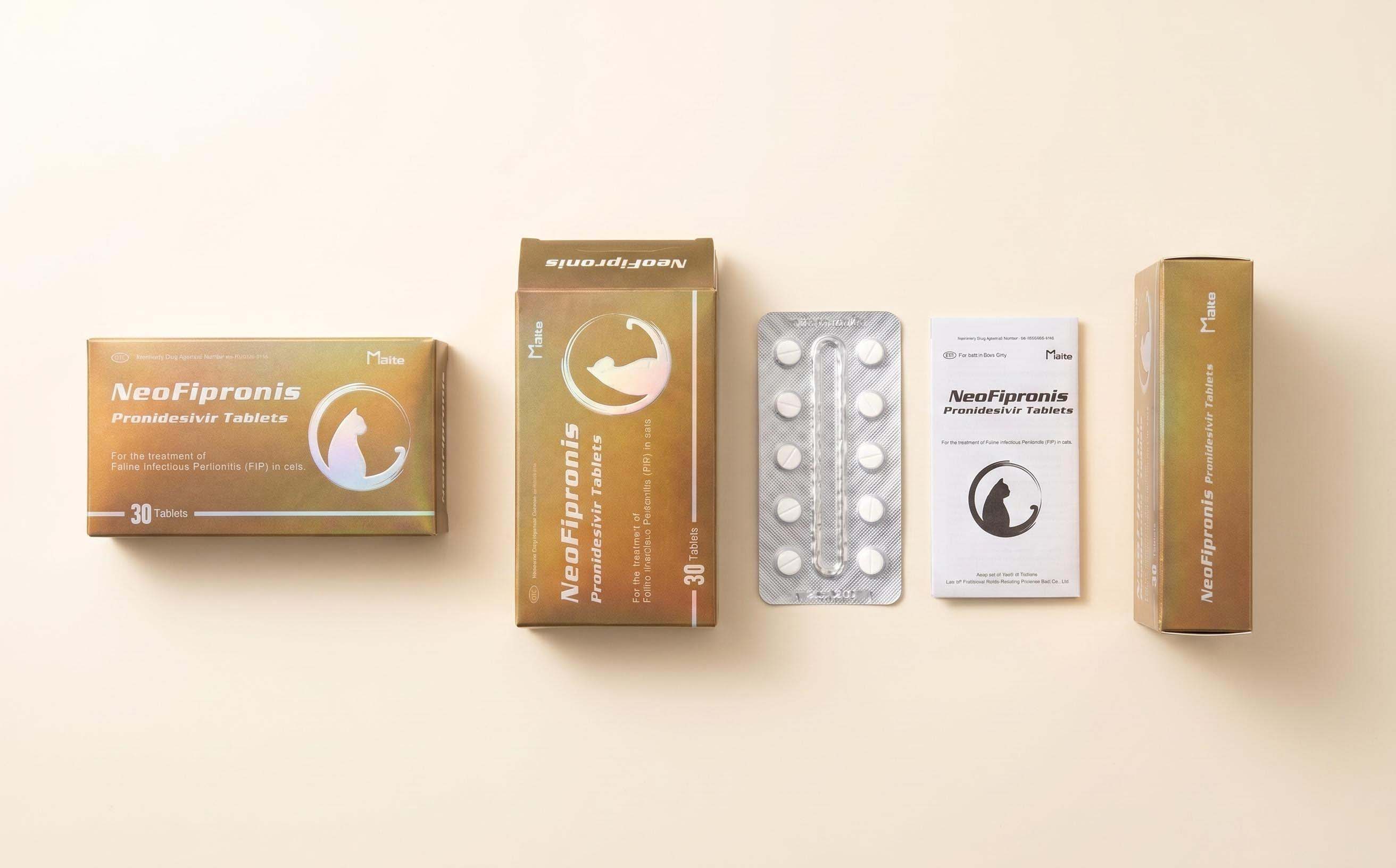
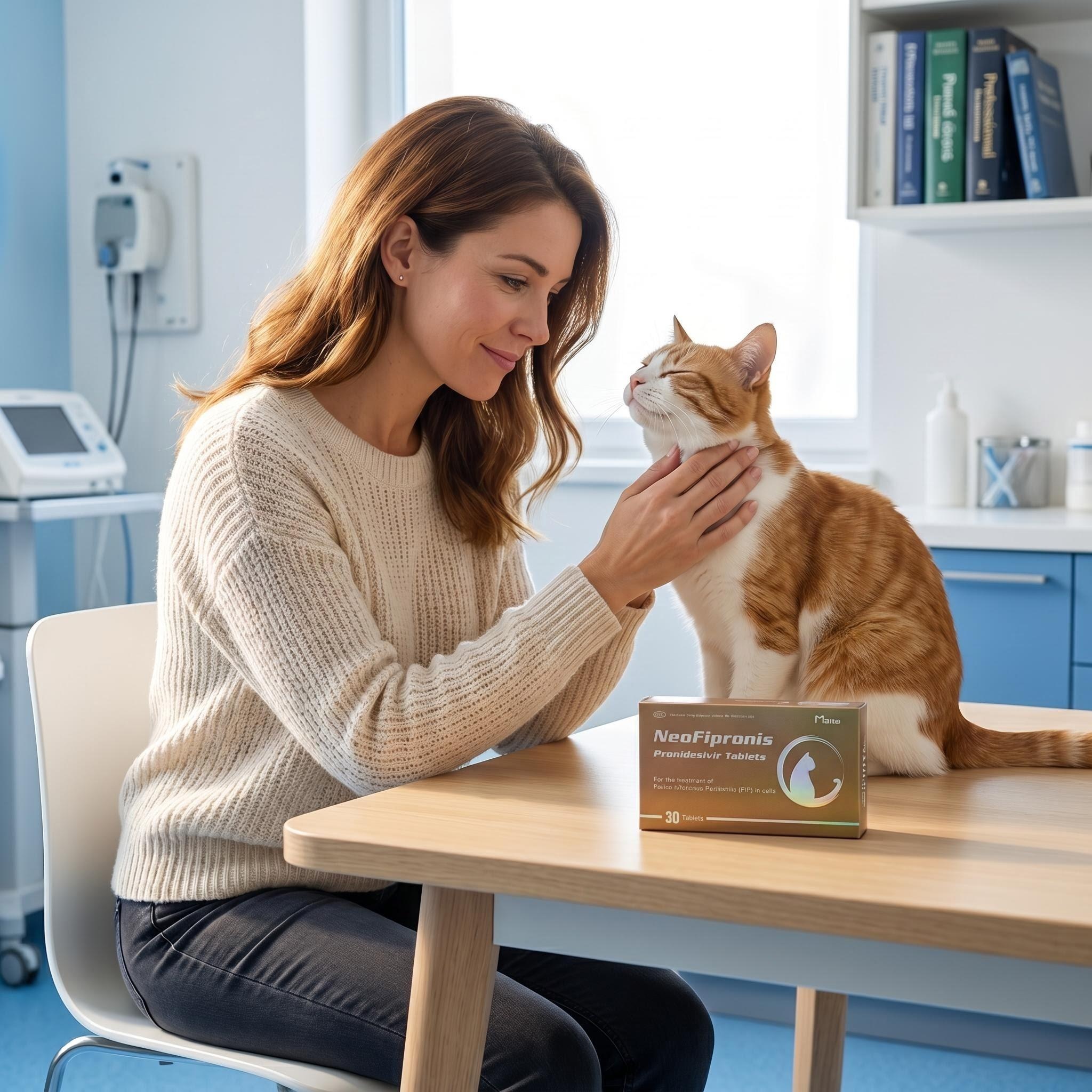
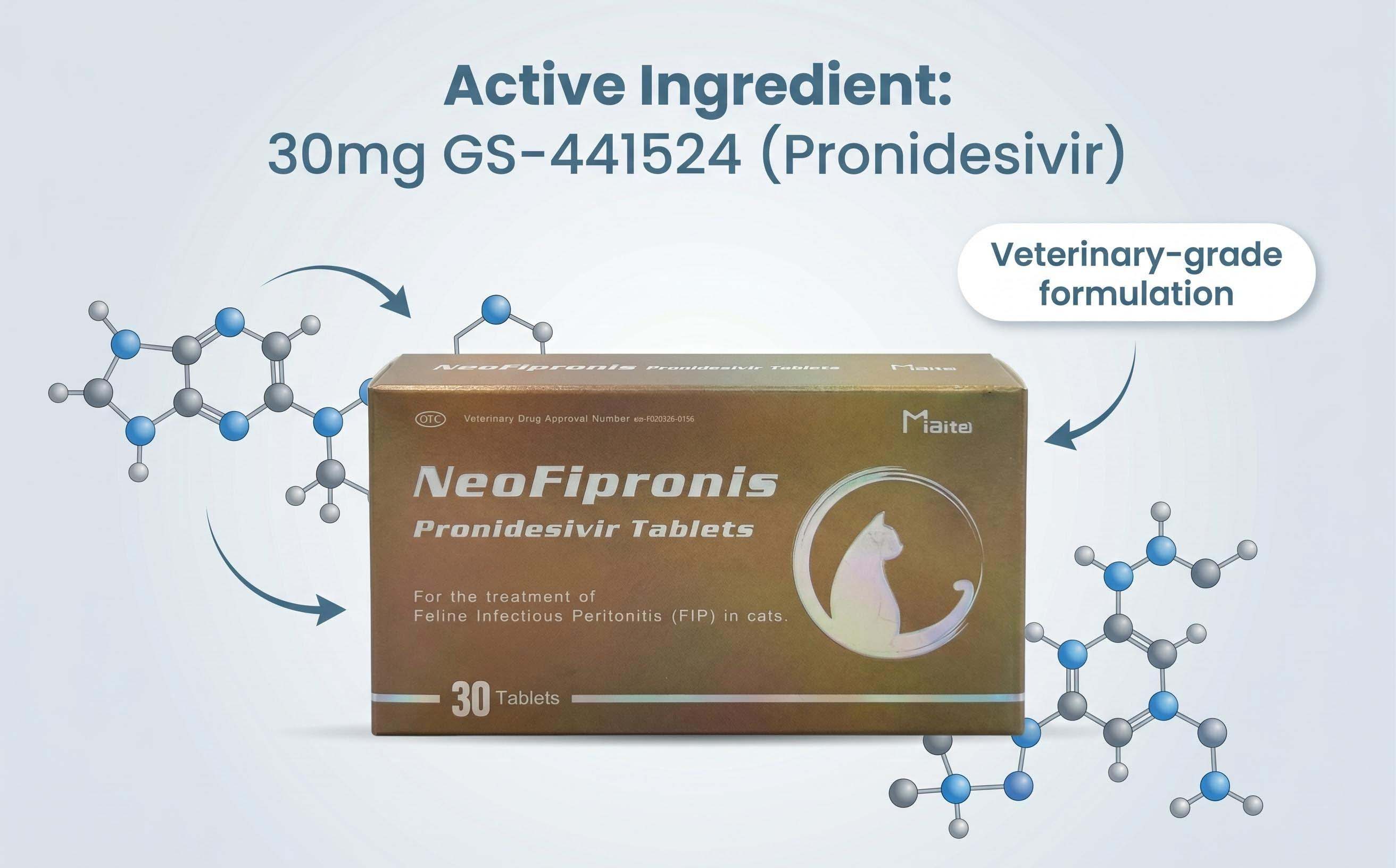
GS-441524, marketed as NeoFipronis (Pronidesivir), has revolutionized the treatment of Feline Infectious Peritonitis (FIP), a fatal viral disease in cats caused by the feline coronavirus. This antiviral medication has shown remarkable efficacy in alleviating symptoms such as inappetence, lethargy, fever, ascites, pleural effusion, lymphadenopathy, granulomatous lesions, neurological damage, and uveitis. Approved by the Lao Ministry of Agriculture and Forestry in March 2026, NeoFipronis is the world’s first officially registered oral drug specifically targeting FIP, offering a non-invasive, rapid-absorption, well-tolerated option with minimal side effects.
Understanding the Use of NeoFipronis (Pronidesivir)
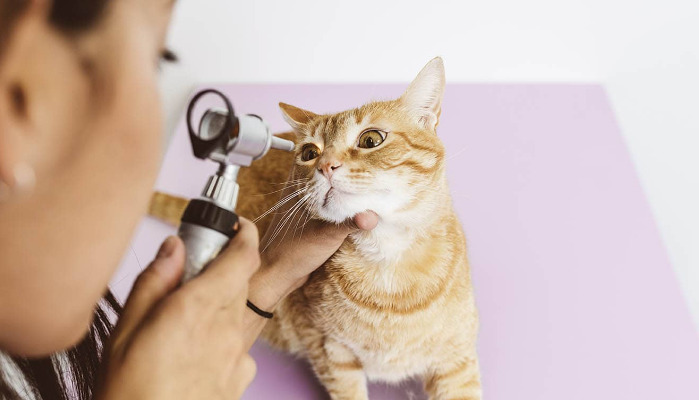
The active compound in NeoFipronis is GS-441524, a nucleoside analogue with proven antiviral activity. The typical dosage involves administering 15 mg per kilogram of body weight once daily, ideally on an empty stomach—either one hour before meals or two hours after. For cats exhibiting neurological or ocular FIP symptoms, the dosage may be increased to 30 mg/kg under veterinary supervision. Therapy duration should be no less than 12 weeks, and consistent administration is crucial for optimal outcomes. During treatment, veterinarians recommend monitoring the cat’s appetite, body temperature, behavior, as well as regular blood tests to assess liver and kidney function.
Potential Contraindications and Precautions
Although NeoFipronis is generally well tolerated, certain contraindications and precautions must be considered to ensure safety:
1. Pregnancy and Lactation:
NeoFipronis has not been extensively studied in pregnant or nursing cats. While no significant adverse effects are documented, its safety profile in pregnant or lactating females remains uncertain. Caution is advised, and treatment should only be initiated under strict veterinary guidance, weighing potential benefits versus risks.
2. Pre-existing Liver or Kidney Disease:
Cats with compromised hepatic or renal function may experience altered drug metabolism and excretion. Since NeoFipronis can affect liver and kidney parameters, baseline assessments and ongoing monitoring are essential. Use with caution, and consider dose adjustments or alternative treatments if organ dysfunction is significant.
3. Allergic Reactions:
Although rare, some cats may exhibit hypersensitivity to GS-441524 or excipients in the formulation. Signs may include swelling, itching, difficulty breathing, or other allergic symptoms. Immediate discontinuation and veterinary intervention are necessary if hypersensitivity occurs.
4. Concurrent Medications:
Use with caution when combined with other drugs, particularly those affecting liver enzymes or with known hepatotoxic or nephrotoxic potential. Potential drug interactions should be evaluated by a veterinarian to prevent adverse effects.
5. Age Considerations:
Very young kittens or geriatric cats should be treated cautiously. The safety profile for these age groups requires careful assessment, and dosage adjustments or alternative therapies might be necessary.
6. Incomplete Treatment Duration:
Discontinuing therapy before completing the prescribed 12-week course can result in viral relapse or resistance. Owners must strictly adhere to veterinary instructions to ensure complete viral suppression.
7. Misuse and Self-Medication:
Although NeoFipronis is available over the counter, its use without veterinary supervision is discouraged. Incorrect dosing, duration, or use in contraindicated cats could lead to treatment failure or adverse reactions.
Additional Warnings
NeoFipronis is solely for feline use and should never be administered to humans. Abuse or accidental ingestion by humans can pose health risks. To guarantee product authenticity and safety, purchase exclusively through official NeoFipronis sources or authorized veterinary suppliers.
Summary
While GS-441524 (NeoFipronis/Pronidesivir) offers a groundbreaking approach to FIP treatment, awareness of contraindications is essential. Pregnant or lactating cats, those with existing organ dysfunction, or cats prone to hypersensitivity should be treated with caution. Continuous veterinary oversight, proper diagnosis, and adherence to recommended dosage and duration are critical aspects to maximize safety and treatment success. Always consult a licensed veterinarian before initiating therapy to ensure the well-being of the feline patient.